


It usually starts on a Tuesday evening. A woman stands in front of her bathroom mirror, surrounded by half-used jars of ceramide creams, three different barrier serums, and a recovery balm she bought last week after a TikTok video promised it would “fix everything in seven days.” Her cheeks feel tight. There’s a strange burning sensation she never had before she started this routine. And the irony is heavy in the air. She began this journey to heal her skin, yet somehow, it looks more irritated than ever.
This scene is becoming familiar in skincare conversations everywhere. The pursuit of skin barrier repair has grown into one of the most well-intentioned, yet most misunderstood, movements in modern beauty. What began as a gentle return to basics has, for many women, turned into another layer of pressure, products, and confusion.
The Rise of Skin Barrier Repair Culture
A few years ago, almost no one outside dermatology offices was talking about the skin barrier. Today, it’s a household phrase. Social media has made terms like “moisture barrier,” “lipid layer,” and “skin flooding” part of everyday vocabulary. And there’s beauty in that shift. Awareness about gentle care is a wonderful thing.
But somewhere along the way, the message got distorted. Repair became repetition. Soothing became stacking. Suddenly, women were applying five, six, even seven products labeled “barrier-supporting” in a single routine, hoping more would mean better.
The truth is softer and more nuanced. Skin doesn’t need to be drowned in products to recover. It needs space, consistency, and the right ingredients in the right amounts.
Why This Trend Resonates So Deeply
There’s a reason barrier repair captured so many hearts. Many women had spent years over-exfoliating, layering actives, and chasing glow through harsh routines. When the conversation finally shifted toward gentleness, it felt like permission to breathe. To slow down. To care rather than punish.
That emotional relief is real and valid. The problem isn’t the intention. It’s how the trend has been packaged and sold back to us.
What a Damaged Skin Barrier Actually Looks Like
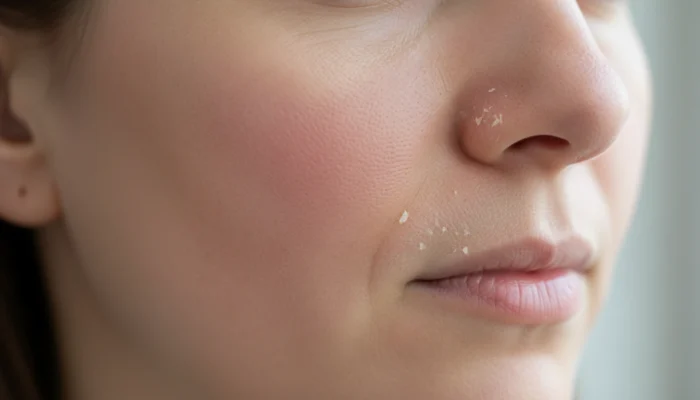
Before reaching for another product, it helps to understand what a damaged skin barrier truly feels like. The signs aren’t always dramatic. Sometimes they whisper before they shout.
- Persistent tightness, even after moisturizing
- Stinging when applying products that never bothered you before
- Redness that lingers longer than usual
- Small flaky patches, especially around the nose and mouth
- Increased sensitivity to weather, water temperature, or fragrance
- A dull, almost translucent appearance with visible irritation underneath
When the barrier is compromised, the skin loses water more quickly and lets irritants in more easily. It’s a quiet crisis that many women try to solve by adding more products, when the real solution often involves removing them.
The Problem of Over Repairing Skin
Here’s the part nobody wants to say out loud. Over repairing skin is a real phenomenon, and it’s happening to more women than the industry admits.
When the skin is constantly coated in occlusives, heavy ceramide creams, and rich balms day after day, it can lose its natural rhythm. The skin is a living organ. It produces its own lipids, sheds its own cells, and regulates its own moisture, when given the chance.
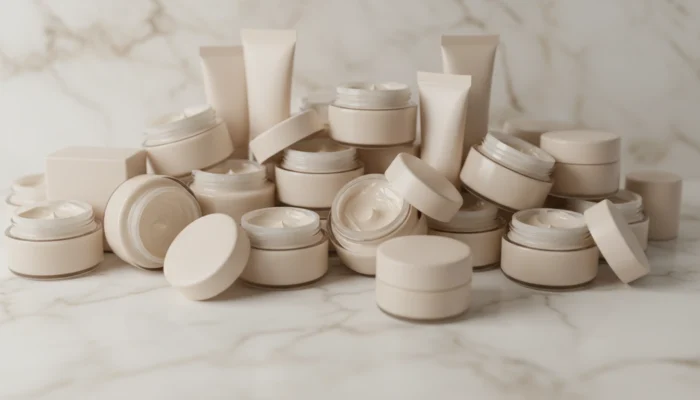
Smothering it with products meant to repair can sometimes prevent it from doing what it was designed to do. The barrier becomes lazy. Pores get congested. Mild breakouts appear in places they never did before. And the skin starts to feel dependent on heavy creams just to feel “normal.”
Signs You Might Be Overdoing It
- Your skin feels suffocated rather than nourished
- New clogged pores or small bumps appearing along the cheeks or jaw
- A waxy or heavy film that doesn’t seem to absorb
- You feel anxious if you skip even one barrier product
- Results have plateaued, or skin looks worse than before you started
This is where the concept of skin fasting comes in. Not as a trendy detox, but as a gentle invitation to let the skin breathe and recalibrate.
Skin Fasting: A Gentle Reset, Not a Punishment

Skin fasting is often misunderstood as doing nothing at all. That’s not quite right. It’s about simplifying, not abandoning. The goal is to give your skin enough quiet to remember its own intelligence.
A thoughtful skin fast might look like cleansing once a day with something extremely mild, applying a single hydrating layer, and protecting with SPF in the morning. That’s it. No serums stacked on serums. No three-step barrier protocol. Just space.
For women who feel overwhelmed by their routines, exploring a minimalist skincare routine can be a meaningful first step. It’s not about owning less for the sake of aesthetics. It’s about giving the skin room to function.
How Long Should a Skin Fast Last?
There’s no universal answer. Some skin responds within three to five days. Others need two to three weeks of simplicity before showing signs of recovery. The key is observation. Watch how your skin feels in the morning. Notice whether tightness fades. Pay attention to how it reacts when you reintroduce a product.
Always consult with a healthcare professional before starting new treatments, especially if you have conditions like rosacea, eczema, or persistent dermatitis. A trained eye can distinguish between a stressed barrier and something that needs medical care.
Scientifically Backed Ingredients for Real Barrier Support
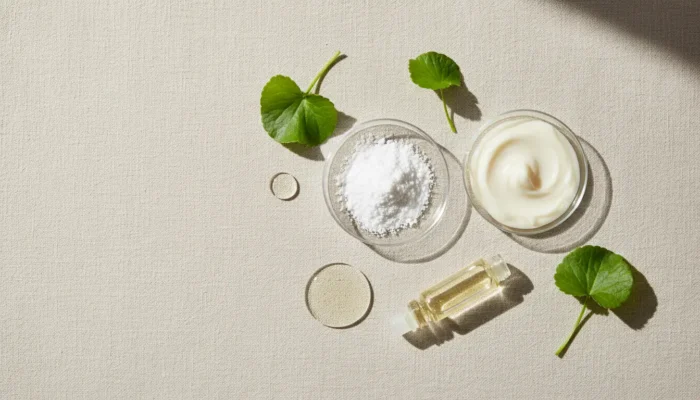
When the time comes to reintroduce active care, ingredient choice matters more than quantity. Dermatology has given us a beautiful palette of molecules that genuinely support the barrier, without overwhelming it.
Niacinamide
Often called the gentle multitasker, niacinamide (vitamin B3) supports the production of ceramides within the skin itself. It helps reduce transepidermal water loss, calms redness, and refines the look of pores. Concentrations between 2 and 5 percent tend to be well tolerated by sensitive skin. For a deeper look at how it compares to other actives, the article on niacinamide or vitamin C offers a clear breakdown.
Ceramides
Ceramides are lipids naturally found between skin cells, acting like the mortar holding bricks together. In ceramide skincare, formulations that include a blend of ceramides 1, 3, and 6-II tend to mirror the skin’s natural composition most closely. The lesson here is balance—a small amount of a well-formulated ceramide product often outperforms layering several heavy ones.
If you are looking for that perfect balance, explore Quietdose for gentle, minimalist care designed to restore your barrier without overloading your skin.
Hyaluronic Acid
Hyaluronic acid draws water into the upper layers of the skin. It doesn’t repair the barrier directly, but it supports hydration, which is essential for any healing process. Look for formulas with multiple molecular weights for deeper, more even hydration.
Panthenol (Provitamin B5)
Panthenol soothes, supports cellular turnover, and helps the skin retain water. It’s particularly kind to inflamed, reactive skin and pairs well with niacinamide.
Squalane
Squalane mimics a lipid the skin already produces. It softens without suffocating, making it one of the most elegant options for those building a sensitive skin routine.
Centella Asiatica (Cica)
Long used in traditional medicine, centella has earned its place in modern dermatology thanks to its calming and reparative effects on irritated skin.
The Truth About Barrier Creams
Walk into any pharmacy or beauty store today, and the shelves are lined with barrier creams promising restoration in days. Many of them are genuinely lovely. But not every cream labeled “barrier repair” is suitable for daily, indefinite use.
Heavy occlusive formulas were originally designed for compromised skin, post-procedure recovery, or severe winter exposure. Using them as a year-round moisturizer can sometimes do more harm than good, particularly for combination or oily skin types.
A better approach is to think of barrier creams as tools, not staples. Reach for them when the skin truly needs reinforcement. Then return to lighter, breathable hydration once balance is restored.
Expert Tip and Common Myth Debunked
Expert tip: If your skin feels tight within minutes of cleansing, the issue is rarely a lack of moisturizer. It’s usually the cleanser. Switching to a low-pH, non-foaming formula often does more for the barrier than any expensive cream.
Myth debunked: “If a product stings, it means it’s working.” This belief has caused more barrier damage than almost any other. Stinging is a signal of irritation, not effectiveness. A healthy product should feel calm on contact, not punishing.
Building a Routine That Honors the Barrier
A respectful routine doesn’t need to be complicated. It needs to be considered. The goal is rhythm, not abundance.
- Morning: Gentle cleanse or water rinse, a hydrating layer, a calming moisturizer, and broad-spectrum SPF
- Evening: A mild cleanser, optional targeted treatment (only when skin is stable), and a nourishing moisturizer
- Weekly: Observe rather than intervene. Adjust only when the skin asks for it

For women still shaping their daily rituals, exploring a skincare morning routine built around simplicity can offer a beautiful starting point.
Listening Over Layering
The most powerful shift in modern skincare isn’t a new ingredient. It’s a new posture. Listening to the skin instead of layering products onto it. Trusting that less, applied with intention, often achieves what more, applied with anxiety, never could.
When to Seek Professional Guidance
If your skin has been compromised for more than a few weeks despite simplifying your routine, it may be time for professional input. Conditions like perioral dermatitis, fungal acne, or seborrheic dermatitis can mimic barrier damage but require different care.
A dermatologist or trained skin therapist can help identify whether the issue is truly the barrier, an underlying condition, or a combination of both.
Frequently Asked Questions
How long does it take to repair a damaged skin barrier?
For mild damage, two to four weeks of gentle, consistent care often shows visible improvement. More significant compromise may take six to eight weeks. The key is patience and avoiding the urge to add new products during recovery.
Can I still use active ingredients like retinol or vitamin C during barrier repair?
Most actives are best paused during the early stages of barrier repair. Once the skin feels calm and stable for at least a week, reintroduce one active at a time, starting at a low frequency, such as twice a week.
Is skin fasting safe for everyone?
Skin fasting can be wonderful for healthy adult skin that feels overwhelmed by too many products. However, those with chronic skin conditions, acne under treatment, or prescription regimens should speak with a healthcare professional before simplifying their routine, as some conditions require consistent active care.
Pingback: Cortisol and Skin Health: What Your Skin Is Trying to Tell You About Stress and the Nervous System - Denyva
Pingback: La Roche-Posay vs Niche Skincare: Why Some Women Are Moving Beyond Pharmacy Giants - Denyva