

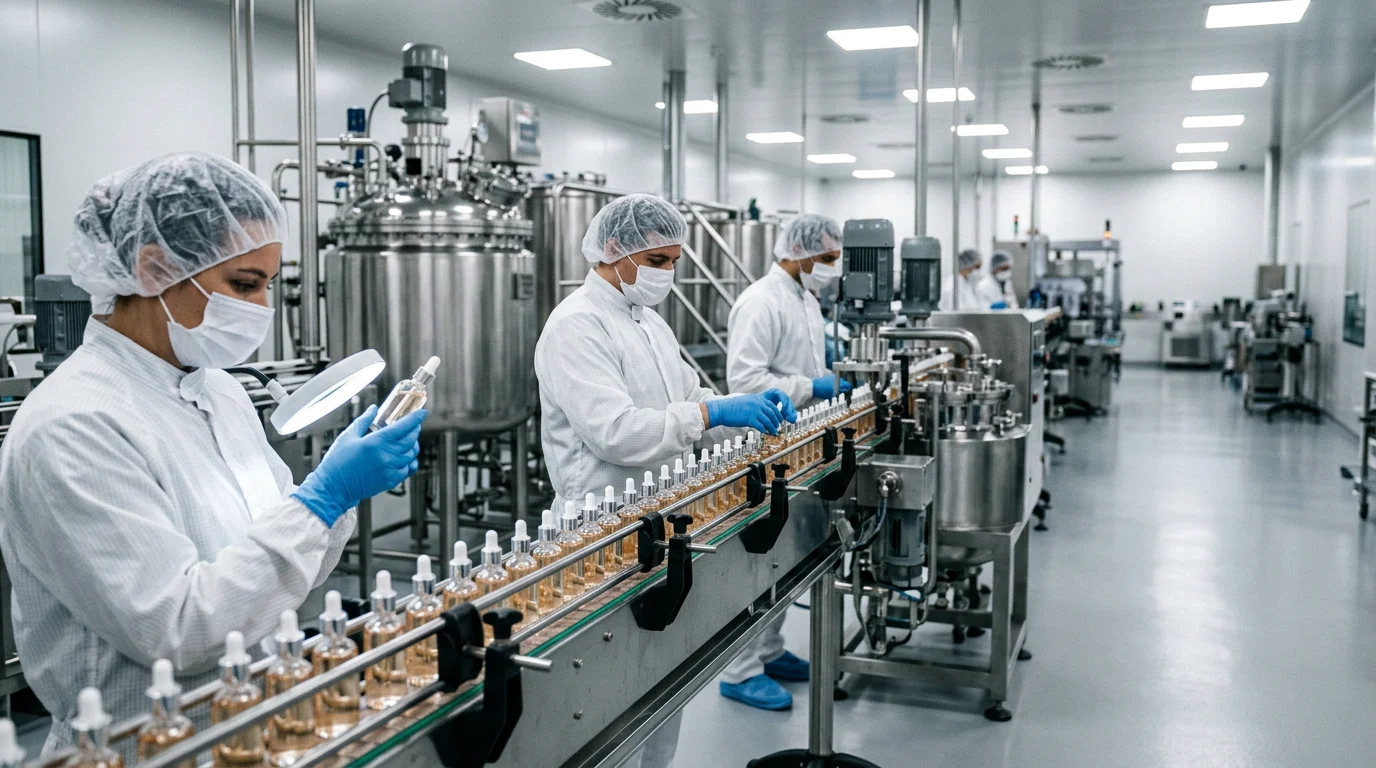
Niche beauty marketing frequently conjures images of passionate founders formulating revolutionary serums in boutique home laboratories. The industrial reality of modern beauty, however, is structured around specialized B2B manufacturing hubs. Understanding the role of skincare formulation labs and contract manufacturing cosmetics reveals that many competing indie products share identical production lines, raw ingredient suppliers, and chemists. Exposing this supply chain structure provides a clearer, far more rational perspective on what actually determines a serum’s efficacy and price tag.
White Label, Private Label, and Custom Formulation: Decoding the Spectrum
Most consumers assume every bottle on a shelf represents a bespoke recipe. Industry data indicates otherwise: cosmetic manufacturing operates across distinct structural tiers, each with different implications for originality and cost. Recognizing which tier a brand occupies changes how a product should be evaluated.
White label, or private label, manufacturing relies on pre-developed, off-the-shelf formulas. A brand selects a pre-tested base, adds a custom fragrance or packaging, and markets the result under its own logo. This is the fastest and cheapest route to market, and it explains why unrelated brands sometimes list near-identical ingredient decks.

Bespoke custom formulation sits at the opposite end. Here, brands partner directly with cosmetic chemists at contract manufacturing facilities to engineer unique chassis, emulsion systems, and active delivery mechanisms from scratch. It costs more, takes longer, and carries genuine formulation differentiation.
Between these poles sits a hybrid model. Many boutique brands modify existing stock formulations by adding signature botanical extracts or active complexes, balancing speed to market with a perceived sense of originality. The key message worth internalizing: a brand name on a bottle reflects marketing ownership, not necessarily manufacturing exclusivity.
The Illusion of In-House Formulating
The image of a founder mixing batches in a converted kitchen rarely survives contact with regulatory and financial reality. Building and maintaining ISO-certified, cGMP-compliant cleanroom facilities requires millions in capital investment, placing in-house manufacturing out of reach for almost all indie startups. The FDA’s Good Manufacturing Practice guidelines outline exactly why this bar is so high, covering everything from facility sanitation to equipment calibration.
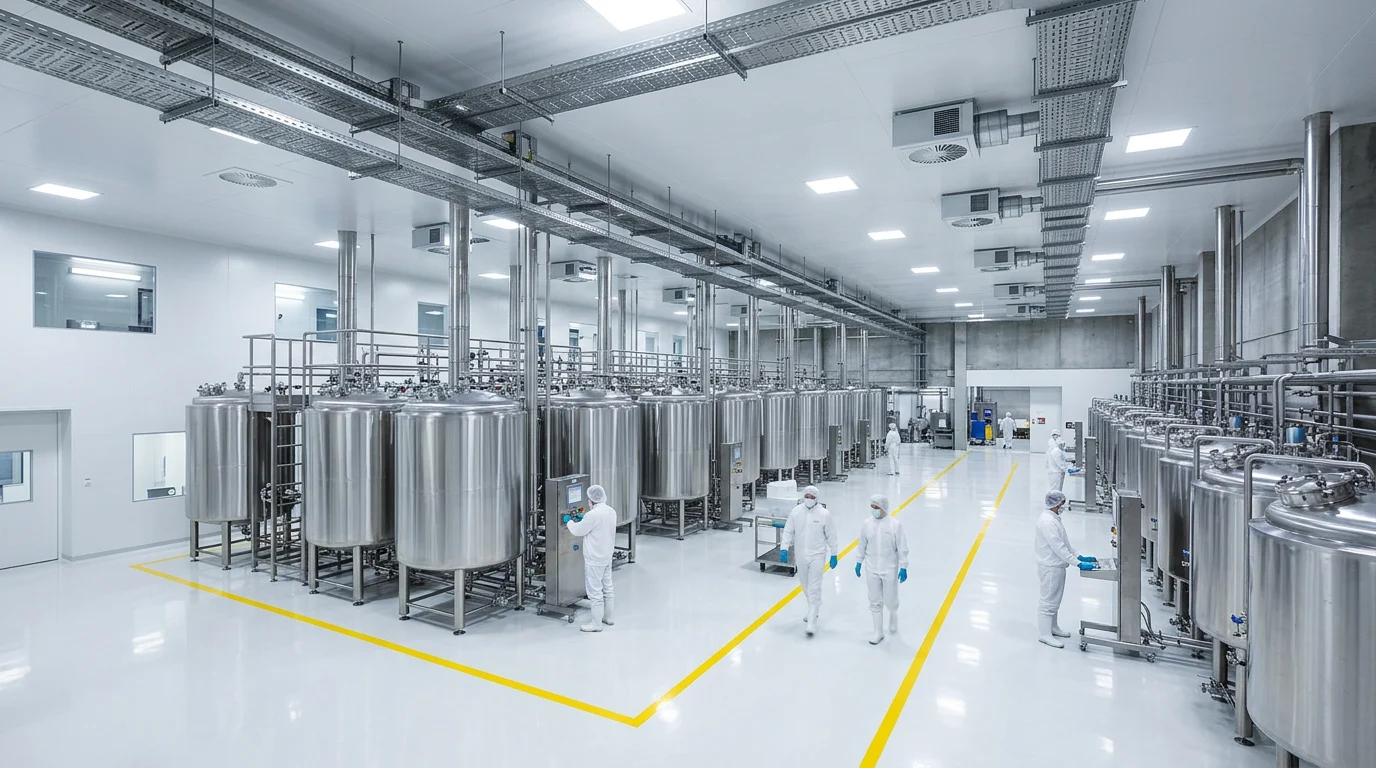
Specialized contract manufacturers possess the industrial emulsifiers, high-shear homogenizers, and microbiological testing infrastructure required to guarantee product stability and safety at scale. Replicating that equipment independently would be economically irrational for a brand selling a few thousand units a month. Evidence suggests that even well-funded indie labels lean on this shared infrastructure rather than reinventing it.
Master cosmetic chemists at third-party labs often formulate for dozens of brands simultaneously, leveraging shared ingredient sourcing and bulk purchasing power. This is not a hidden scandal; it is simply how the category scales. Navigating brand stories and evaluating true product distinction is explored in Founder-Led Skincare Brands, which examines how origin narratives can obscure this shared production reality.
Regulatory Gatekeepers: EU Responsible Persons vs US MoCRA
Where a formulation lab operates shapes the safety scaffolding around a product just as much as its chemistry does. Regulatory frameworks establish very different baseline obligations depending on the market a serum is sold into. This is not a minor bureaucratic footnote—it materially affects what gets tested before a product reaches a consumer.
In the European Union, Regulation (EC) No 1223/2009 mandates a comprehensive Safety Assessment, known as the CPSR, conducted by a qualified toxicologist. It also requires an assigned Responsible Person before any product hits the market. This structure places accountability on a named entity rather than leaving safety substantiation informal.
The United States historically operated on post-market surveillance, addressing problems after they surfaced rather than screening extensively beforehand. That changed with the enactment of the Modernization of Cosmetics Regulation Act (MoCRA), which established mandatory facility registration, adverse event reporting, and safety substantiation. The gap between the two systems has narrowed, though it has not disappeared.
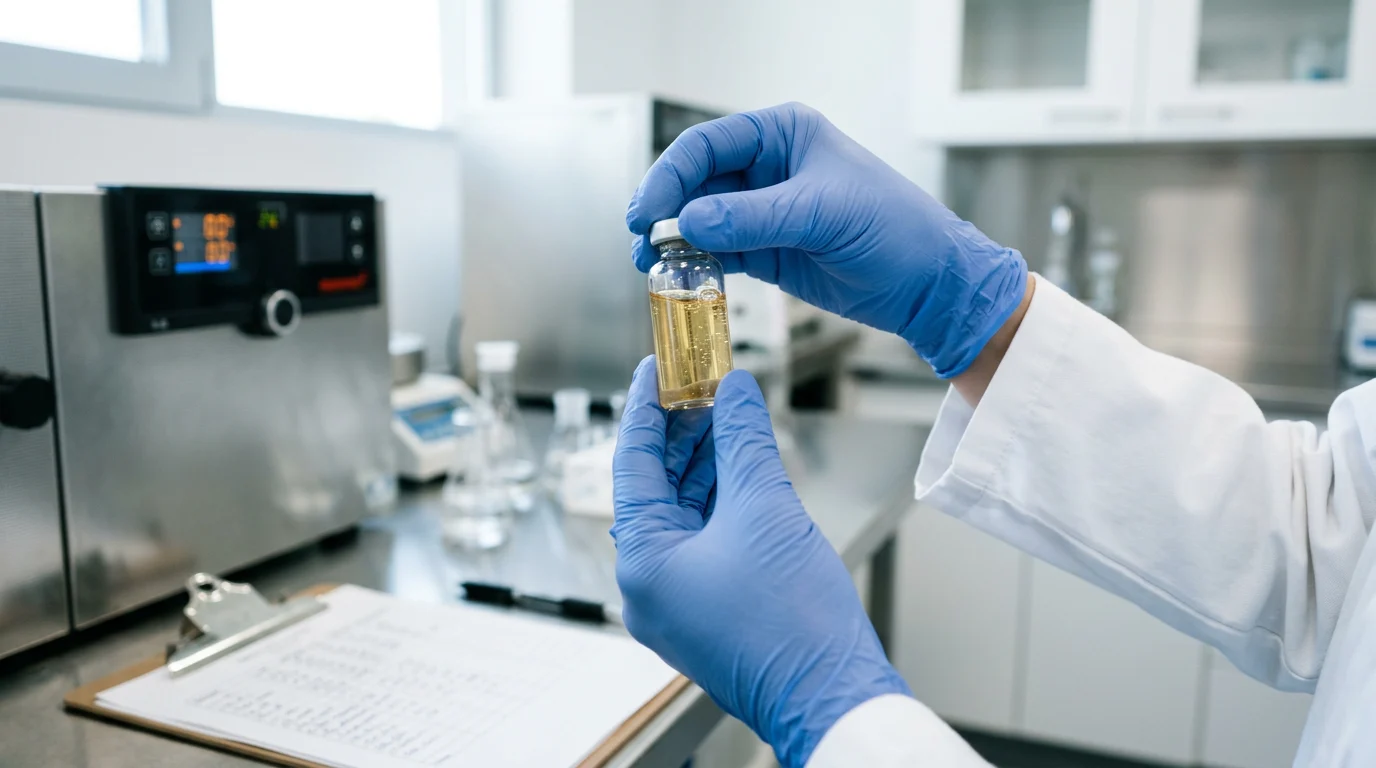
Contract labs serve as critical regulatory buffers in this landscape, ensuring complex stability testing and preservative challenge tests comply with international market laws. How brand independence impacts ingredient selection and safety standards is detailed in Independent Beauty Brands, which is worth reading alongside this regulatory context.
What You Are Actually Paying For: Packaging, Active Load, and Margins
Unpacking a premium serum’s retail price is an uncomfortable exercise for anyone attached to its marketing. The actual liquid inside a cosmetic bottle, often called the bulk, frequently represents a small fraction of the total retail cost. Packaging, primary boxes, and marketing tend to absorb the majority of the budget instead.
This does not mean formulation is irrelevant—it means value has to be located precisely. True formulation value lies in active ingredient concentration, raw material grade, delivery vehicle architecture, and rigorous clinical stability testing. Two serums with the same headline ingredient can differ enormously depending on where that ingredient sits in the INCI list.
Independent laboratories allow brands to reallocate capital toward higher concentrations of proven actives rather than industrial real estate. That reallocation is precisely what separates a formulation-forward brand from one leaning primarily on packaging design. Understanding ingredient prioritization and concentration versus marketing narratives is covered in Ingredient Philosophy Skincare, a useful companion piece for parsing where money in a serum actually goes.
How to Evaluate a Serum Beyond the Brand Story
Once the manufacturing structure is visible, evaluating a serum becomes a more analytical exercise rather than an emotional one. A few practical habits go a long way toward separating formulation substance from packaging theater.
Read the INCI list to evaluate active positioning relative to common bases like water, propanediol, or glycerin. Look for clinical transparency: brands that disclose active percentages, pH ranges, and delivery systems are far more likely to be utilizing custom, high-grade formulations. Recognize that buying from a brand using contract manufacturing is not a negative; top-tier contract labs offer superior quality control compared to unverified kitchen-batch production. Assess packaging functionality too—airless pumps and opaque UV-protective glass matter far more for active stability than ornate decorative bottles.
FAQ
Is it bad if a skincare brand uses a contract manufacturer?
Not at all. In fact, it is usually a sign of quality and safety. Third-party contract laboratories possess advanced industrial equipment, sterile environments, and dedicated quality control teams that ensure your serum is microbially safe and shelf-stable.
What is the difference between private label and custom skincare formulation?
Private label involves buying a pre-made formula that a lab manufactures for multiple companies, which then rebrand it. Custom formulation means hiring chemists to create a unique recipe, chassis, and active blend specifically for one brand.
How can I tell if two skincare brands are using the same formula?
If two products have identical INCI ingredient lists in the exact same order, feel identical in texture, and originate from the same manufacturing region, they may share a pre-made white-label base. However, minor percentage variations in active ingredients can still alter performance.
Do European cosmetic labs have stricter standards than US labs?
Historically, yes. EU cosmetic law prohibits over 1,300 chemical substances and requires a mandatory Safety Assessment (CPSR) prior to sale. While the US MoCRA update has tightened American manufacturing regulations, European lab standards remain among the most stringent globally.