

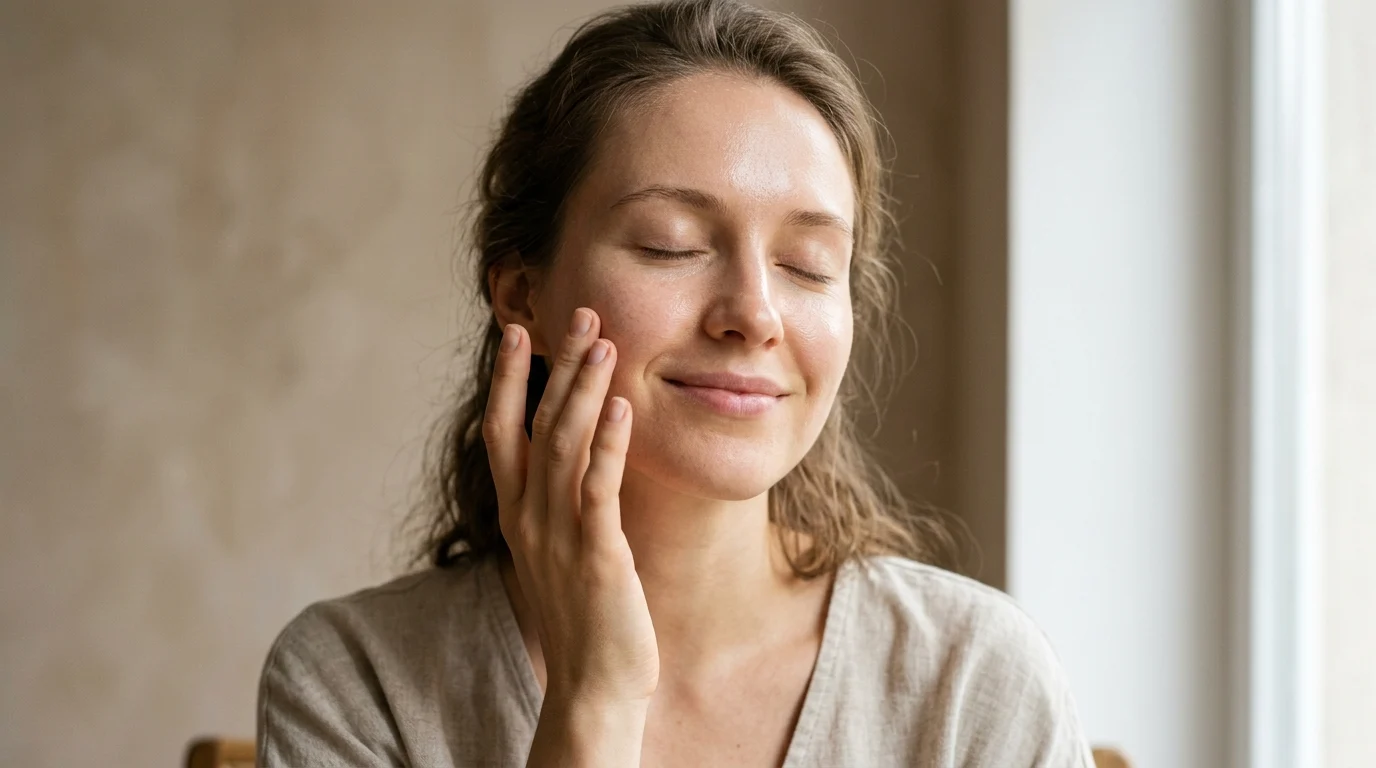
She switched to a handmade, fragrance-free soap bar — the kind sold at farmers’ markets, wrapped in kraft paper, marketed as “pure” and “gentle.” Within two weeks, her skin told a different story. Persistent redness appeared along the jawline. Products she had used without incident for years — a niacinamide serum, a simple SPF — suddenly stung on application. Breakouts surfaced in areas that had never been problematic. Nothing in her routine had changed. Except the soap. Its pH: 9 to 10. Her skin’s natural skin pH: 4.5 to 5.5. That single shift — less than a minute of contact each morning — altered the entire biochemical environment of her skin surface. And every downstream function followed.
Skin pH is not a minor formulation footnote. It is the master variable that governs barrier function, microbiome balance, enzyme activity, and inflammatory response. Understanding it is not optional for anyone who wants their skincare to actually work.
What Is Skin pH — And What Is the Acid Mantle?
pH is a measurement of acidity or alkalinity — imagine a ruler running from 0 to 14. At one end (0) sit the most acidic substances; at the other (14), the most alkaline. The midpoint, 7, is neutral — the pH of pure water. Healthy skin sits well below that midpoint. The natural skin pH level averages between 4.5 and 5.5, making it mildly acidic. According to research establishing that natural skin pH is below 5 and beneficial for the skin microbiome, this acidity is not incidental — it is a deliberately maintained biological condition that appears to be specifically beneficial for the commensal microorganisms that protect the skin surface.
Maintaining that acidity is the role of the acid mantle. Think of it as an invisible, slightly acidic film that sits on the skin surface — formed from a combination of sebum, sweat, and the natural breakdown products of skin cells, including amino acids and lactic acid from the natural moisturising factor (NMF). It functions as the skin’s first line of chemical defence. As noted in foundational research on skin surface pH and its barrier functions, the acid mantle plays a critical role in maintaining skin integrity and resisting environmental insult. When it is intact, the skin performs as it should. When it is disrupted, the consequences are physiological, not merely cosmetic.
One point worth being precise about: pH 7 — “neutral” by chemical definition — is alkaline relative to what skin requires. Even rinsing with tap water temporarily shifts the surface pH upward.
Why Acidity Matters: The Three Functions of the Acid Mantle
The acid mantle earns its central importance through three distinct, overlapping functions. Each one is measurably impaired when skin pH balance is disrupted:
- Limiting opportunistic microbial growth. Many pathogenic bacteria and fungi are less competitive in acidic environments — the skin’s mild acidity creates a selective pressure that favours commensal, protective species over opportunistic ones. When surface pH rises, that selective pressure weakens. The visible consequences may include increased susceptibility to recurring infections, congestion, and reduced skin resilience.
- Supporting the resident skin microbiome. The commensal microorganisms that colonise the skin surface are specifically adapted to its acidity. They thrive within it and, in doing so, actively help sustain it. When pH rises, these protective species lose their competitive advantage — and dysbiosis follows. Clinically, this can manifest as heightened sensitivity, low-grade inflammation, and a less resilient skin surface.
- Enabling ceramide-processing enzyme activity. Within the stratum corneum, key lipid-processing enzymes are responsible for generating the ceramides that hold the skin barrier together. These enzymes are pH-sensitive. Think of them as precision instruments calibrated to a specific operating range: shift that range and their output falters. For these enzymes, pH is that governing condition — and when it rises, ceramide production declines accordingly.
Three functions. Three failure points. One variable.
Skin pH and the Microbiome: Why Your Bacterial Balance Depends on Acidity
The skin pH and microbiome relationship is one of the most clinically significant — and most underappreciated — dimensions of skin health. The skin microbiome is the community of bacteria, fungi, and other microorganisms that reside on the skin surface. Far from passive passengers, these organisms are active participants in barrier maintenance and cutaneous immune regulation. Their stability is contingent on the pH of the environment they inhabit.
Staphylococcus epidermidis is among the most important commensal species on facial skin. It is acid-adapted, thrives at the skin’s mildly acidic pH, and produces antimicrobial peptides and metabolic byproducts that actively suppress competing pathogenic species. Its ecological counterpart, Staphylococcus aureus, is implicated in atopic dermatitis flares and is pH-opportunistic: it colonises more readily when the skin surface becomes more alkaline. According to research on skin pH and microbiome composition, shifts in skin surface acidity are associated with measurable changes in the competitive balance between these species — with direct implications for inflammatory status.
Disrupting skin pH is, in this sense, like changing the locks on a door so the key no longer fits. The commensal organisms — shaped over millennia of co-evolution with human skin — lose their ecological niche. Opportunistic species fill it. This is why how microbiome-supportive skincare depends on maintaining the correct skin pH environment is not an abstract concept — it is a biological prerequisite for barrier stability.
The Ceramide Connection: How pH Disruption Breaks Down Your Barrier
Ceramides are the mortar between the bricks of the skin barrier. They are lipid molecules that fill the intercellular spaces within the stratum corneum, preventing transepidermal water loss (TEWL) and limiting the penetration of environmental irritants. Without adequate ceramides, the barrier becomes functionally compromised: moisture escapes, irritants enter, and sensitivity escalates.
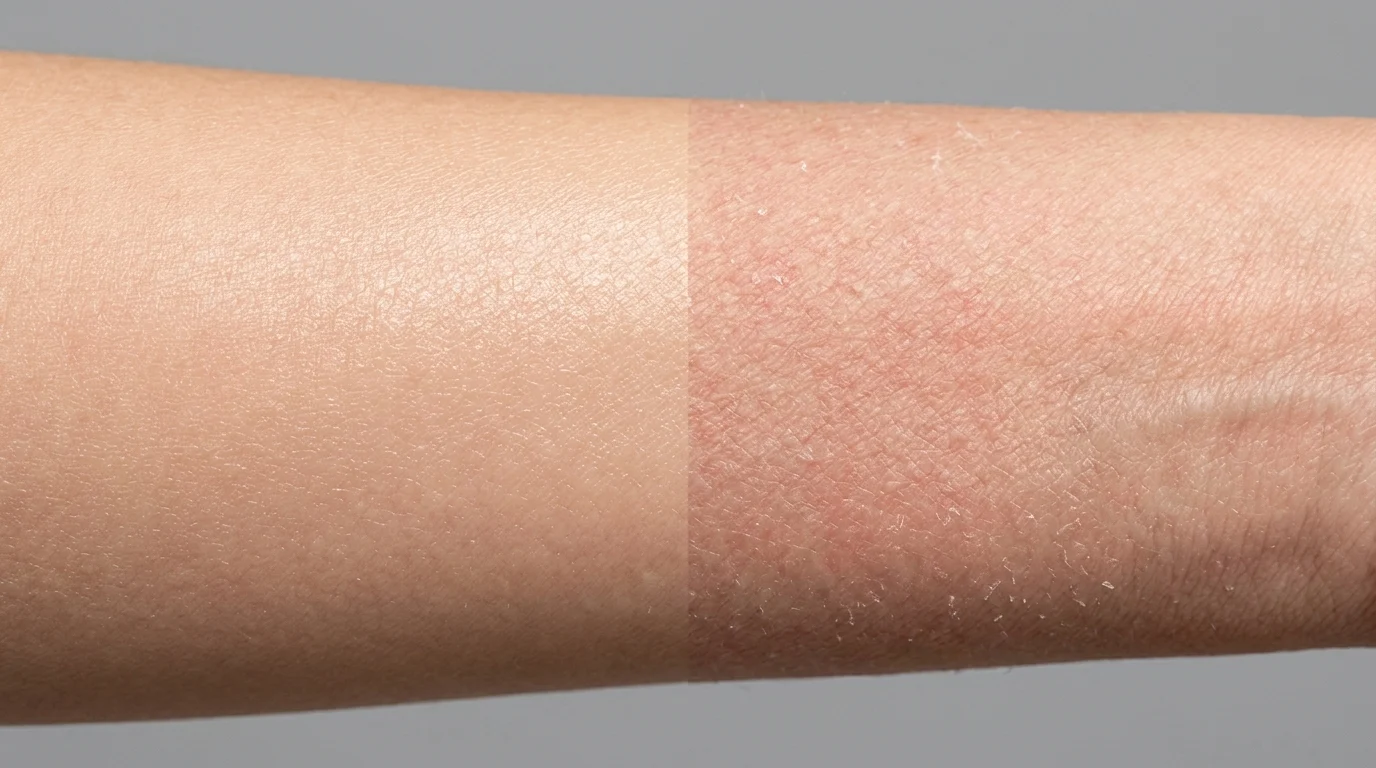
What most skincare discussions overlook is that ceramide production in the stratum corneum is enzymatically controlled — and those enzymes are pH-dependent. Specifically, beta-glucocerebrosidase and acidic sphingomyelinase — two key ceramide-processing enzymes that operate directly within the stratum corneum intercellular space — function optimally at the skin’s mildly acidic pH. Return to the analogy: these are precision instruments calibrated to a specific operating range. Raise the pH and output slows. Raise it consistently and ceramide levels may decline over time.
This is the mechanism behind something many people experience but struggle to explain: repeated use of an alkaline cleanser — even one that seems mild — can produce progressive barrier degradation over weeks of consistent exposure. As confirmed by research on skin pH and ceramide synthesis enzyme activity, elevated pH is associated with impaired lipid processing in the stratum corneum, increased TEWL, and measurably reduced surface resilience. The downstream picture is what clinicians recognise as how disrupted skin pH contributes to skin barrier dysfunction — a condition in which skin pH and ceramides are biochemically inseparable, and neither can be meaningfully addressed without the other.
Skin pH, Acne, and Inflammatory Skin Conditions
The relationship between skin pH and acne is more nuanced than the common narrative suggests. Cutibacterium acnes — the bacterium most closely associated with inflammatory acne — is relatively tolerant across a moderate pH range and is not simply inactivated by acidity alone. The more clinically relevant dynamic is environmental: when surface pH rises and skin pH and barrier function are compromised, the protective microbiome is disrupted, inflammatory signalling increases, and the conditions that allow acne-associated species to proliferate relative to commensal organisms become significantly more favourable. As shown in research on skin pH and acne-associated bacterial activity, surface pH appears to play a material role in regulating the microbial dynamics that contribute to inflammatory acne.
For skin pH and eczema — and, to a lesser extent, rosacea — the evidence is more direct. In atopic dermatitis, elevated skin surface pH is well established as both a feature of the disease and a contributor to its perpetuation. It actively sustains the dysfunction: a more alkaline surface favours S. aureus colonisation, which amplifies inflammatory signalling, which further compromises the barrier, which sustains elevated pH. Clinical research on skin pH and inflammatory skin conditions confirms that this self-reinforcing cycle is a meaningful driver of disease activity — not merely a secondary finding.
Breaking that cycle requires addressing pH directly — not only managing visible symptoms at the surface.
What Raises Skin pH — And Most People Are Doing It Every Day
Alkaline cleanser skin damage is perhaps the most preventable category of skin barrier disruption. But soap bars are far from the only offender. The following are among the most common pH disruptors encountered in routine skincare and daily life:
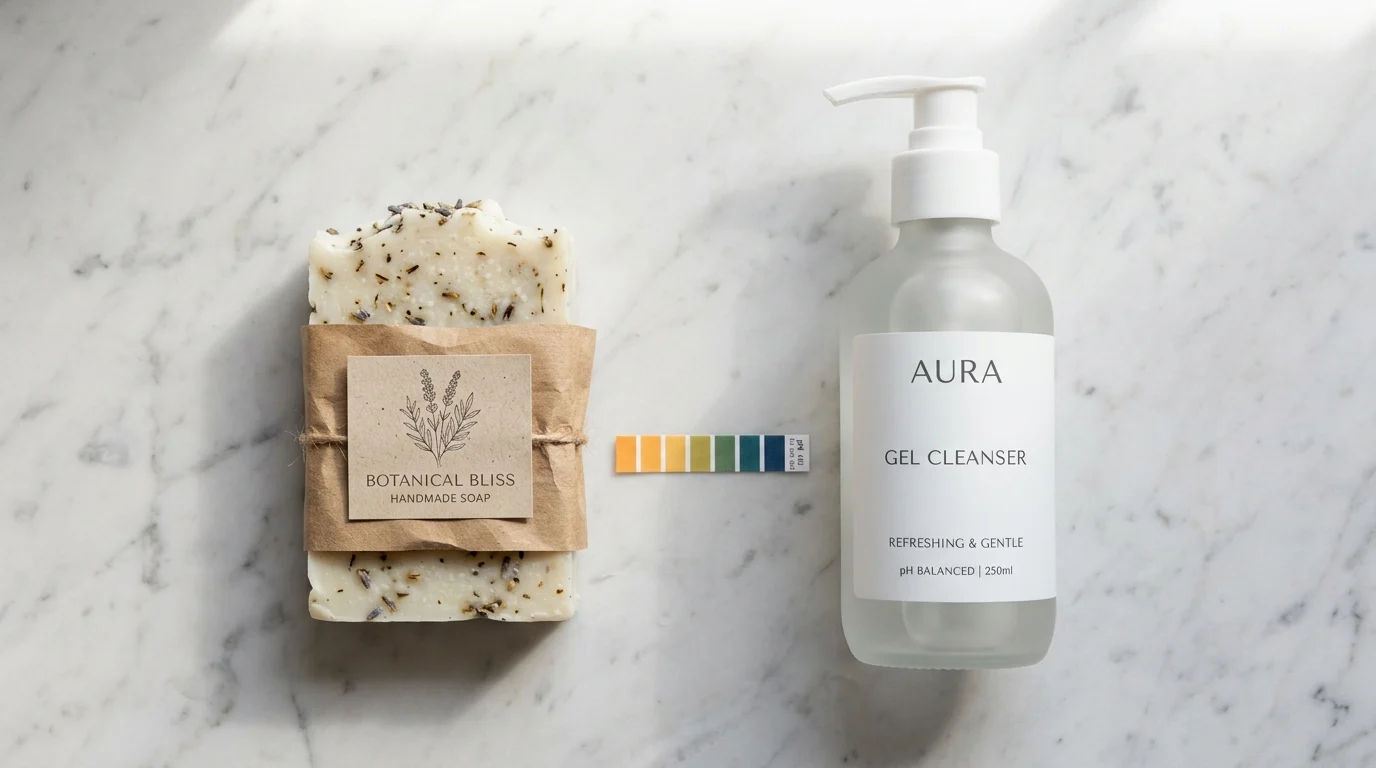
- Soap bars: Traditionally produced through saponification — a chemical process that inherently yields a product at pH 9–11. This is not a quality issue; it is a function of the chemistry involved. Even cold-process, botanical soap bars sit at this range. They are among the most consistently alkaline products that come into regular contact with facial skin.
- Tap water: Generally pH 7–8, which is alkaline relative to the skin’s target range. Rinsing alone temporarily raises surface pH; repeated washing across the day limits the skin’s natural recovery between cleansing sessions.
- Over-cleansing: Under normal conditions, healthy skin begins recovering its surface pH within approximately 30 minutes of a single cleanse. Cleansing multiple times daily — or twice in close succession — may prevent that recovery from completing before the next disruption occurs.
- Alkaline toners and astringents: Many traditional alcohol-based toners are formulated with little attention to pH. Some sit well above pH 6; the tightening sensation commonly associated with “deep cleansing” is, in part, a sign of surface pH disruption rather than purification.
- High-pH actives applied without buffering: Certain ingredients marketed for skincare use — including baking soda and some enzyme powders — carry pH values that may actively compromise the acid mantle when used on the face.
- Hard water: Elevated mineral content and higher alkalinity in hard water compound the surface pH-raising effect of every cleanse — a particularly relevant factor in regions where hard water is standard.
Skin pH and Aging: Why pH Management Matters More Over Time
Age changes skin in many well-documented ways — and one of the least discussed is a measurable rise in surface pH. As skin ages, sebum production declines, eccrine sweat gland activity decreases, and the biological processes that sustain the acid mantle become less efficient. The skin surface becomes progressively more alkaline. According to research on skin pH changes with aging, this pH shift is associated with reduced ceramide synthesis, altered microbiome composition, and an elevated inflammatory baseline — a set of changes that may in turn accelerate further age-related skin deterioration.

This compounding dynamic is why skin pH and aging is not merely a sensitivity concern for older skin — it is a relevant variable in long-term skin health maintenance. The older the skin, the more limited its capacity to self-correct after pH disruption, and the longer the surface remains in an impaired state before recovering. Skincare formulated for mature skin that ignores pH is, in a meaningful sense, addressing appearance while overlooking the underlying chemistry. It is precisely this dermatological pragmatism — function before aesthetics — that explains why French pharmacy skincare has traditionally prioritized pH-balanced formulation for aging skin.
How to Maintain and Restore Skin pH: What the Science Supports
Restoring and maintaining optimal skin pH does not require an elaborate routine. It requires informed choices — particularly around cleansing, the most consistently pH-disruptive step in any daily regimen. Here is what the evidence supports:
- Choose cleansers formulated at pH 4.5–6. Most gel cleansers and micellar waters fall within this range; most soap bars do not. Look for cleansers specifically described as pH balanced skincare formulations — an increasingly meaningful and verifiable label.
- Allow a recovery window of approximately 30 minutes after cleansing before applying actives. This is the approximate time healthy skin requires to begin restoring its surface pH. Applying low-pH actives immediately after an alkaline cleanse creates an unpredictable surface environment for the active and may compound disruption rather than resolve it.
- Apply a pH-adjusted toner or hydrating mist (pH 5–6) immediately after cleansing to support more rapid surface pH restoration than passive recovery alone allows.
- Use lactic acid (pH 3.5–4) or glycolic acid (pH 3–4) with care. These acids lower surface pH and may help restore the acidic environment — but they require appropriate spacing within the routine and should not be applied immediately after an alkaline cleansing step.
- Use ceramide-containing moisturisers. Topical ceramides help replenish the lipid matrix directly, which is particularly relevant when chronic pH disruption has impaired the enzymatic production pathway over time.
- Avoid frequent use of high-pH preparations on the face: baking soda pastes, soap-based cleansers, and alkaline clay masks — regardless of how they are marketed. pH is a function of chemistry, not ingredient origin or marketing category.
Ultimately, how a minimalist skincare routine reduces the risk of daily pH disruption is a practical argument grounded in physiology: fewer products mean fewer opportunities to introduce alkaline insults into the skin environment — and more opportunity for the skin’s own regulatory mechanisms to function as they should.
Myth: “Natural” Soap Is Gentler There is a persistent belief that handmade, organic, or botanically derived soap bars are inherently gentler on skin than conventional synthetic cleansers. The chemistry does not support this. Traditional soap — regardless of the ingredients used — is produced through saponification, a chemical reaction that inherently yields a product at pH 9 to 11. The naturalness of the source oils is irrelevant to the final pH value. A cold-process shea butter bar with certified organic ingredients sits at the same alkaline range as a mass-market bar. Choosing a cleanser because it is “natural” while ignoring its pH is prioritising origin over chemistry — and chemistry is what the skin responds to.
If skin sensitivity, persistent redness, or recurring breakouts do not resolve with pH-balanced product adjustments, consult a dermatologist — inflammatory skin conditions involving pH dysregulation often require clinical assessment beyond routine skincare changes.
Frequently Asked Questions
What is the ideal skin pH — and how do I know if mine is off?
The target range is 4.5 to 5.5. Consumer-grade pH strips designed for skin testing are available, though their accuracy can vary. More reliably: persistent tightness after cleansing, stinging on application of previously tolerated products, or unexplained redness and congestion are all potential indicators that surface pH may be elevated and worth investigating — ideally with a dermatologist’s input.
Can a cleanser really disrupt skin pH enough to cause lasting problems?
Used once, an alkaline cleanser raises surface pH transiently — healthy skin begins to recover within roughly 30 to 60 minutes. Used twice daily over weeks, however, the cumulative effect on ceramide-processing enzyme activity, microbiome composition, and barrier integrity can be clinically significant. The scenario described at the opening of this article is not hypothetical; it reflects a pattern well documented in dermatological research and observed routinely in clinical practice.
How long does it take for skin pH to recover after disruption?
Under healthy baseline conditions, the skin surface begins recovering its pH within 30 to 60 minutes of an isolated disruption. Recovery from chronic, repeated disruption — weeks or months of regular alkaline cleanser use — takes considerably longer, typically requiring several weeks of consistent pH-appropriate product use before barrier function and microbiome composition show meaningful improvement. The more compromised the skin going in, the longer and less predictable the recovery window.