

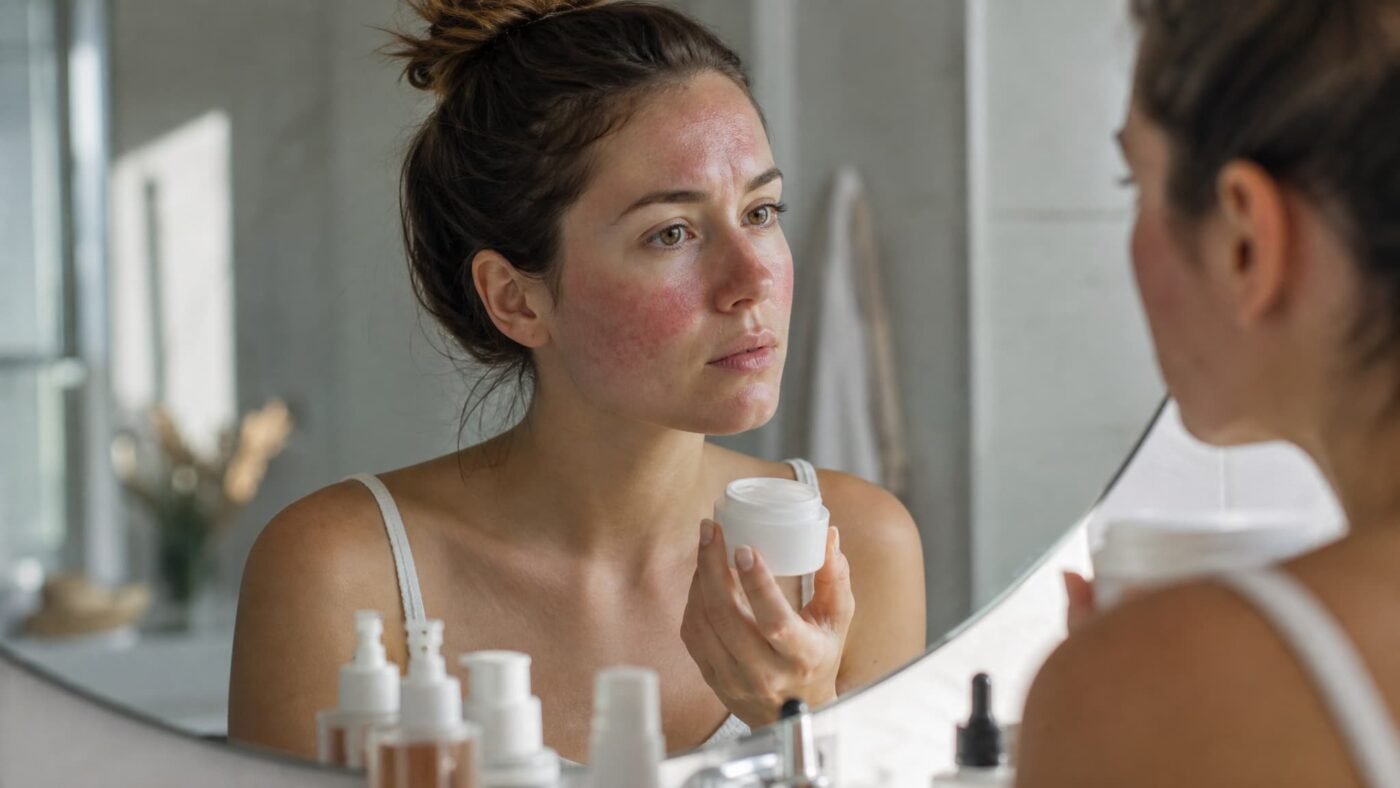
It’s 7:00 AM. The mirror is unkind. Skin is red along the cheeks, tight across the forehead, and stinging faintly where a washcloth just brushed past. There’s a $90 jar of “barrier rescue” cream sitting on the counter, and the quiet hope is that tomorrow morning will look different. It won’t — not fully, anyway. The honest answer to how long to repair skin barrier is this: acute relief can show up within 24 to 72 hours, but true structural repair takes roughly 2 to 6 weeks, depending on how deep the damage runs and how quickly an individual’s skin renews itself.
That gap between “feels better” and “is actually repaired” is where most of the frustration lives. Soothing ingredients calm nerve endings and reduce visible inflammation almost immediately. But the skin barrier itself — the physical structure that keeps water in and irritants out — rebuilds on a cellular schedule that no cream can override.
The Clinical Science: Why Barrier Repair Is Not an Overnight Fix
There’s a meaningful difference between soothing skin and repairing it. A cream with centella or panthenol can calm redness and reduce that raw, stinging sensation within hours. That’s real relief, but it’s surface-level. Underneath, the stratum corneum still needs new ceramides, cholesterol, and free fatty acids synthesized in the correct ratios before the barrier is structurally sound again.
Clinical models of chemical irritation illustrate this lag clearly. In controlled studies using sodium lauryl sulfate to deliberately disrupt the barrier, clinical research on TEWL recovery timelines following SLS disruption shows transepidermal water loss (TEWL) staying elevated for several days post-exposure, even as visible redness starts to fade. In other words, skin can look calmer while it’s still functionally compromised — a mismatch that drives a lot of premature product reintroduction.
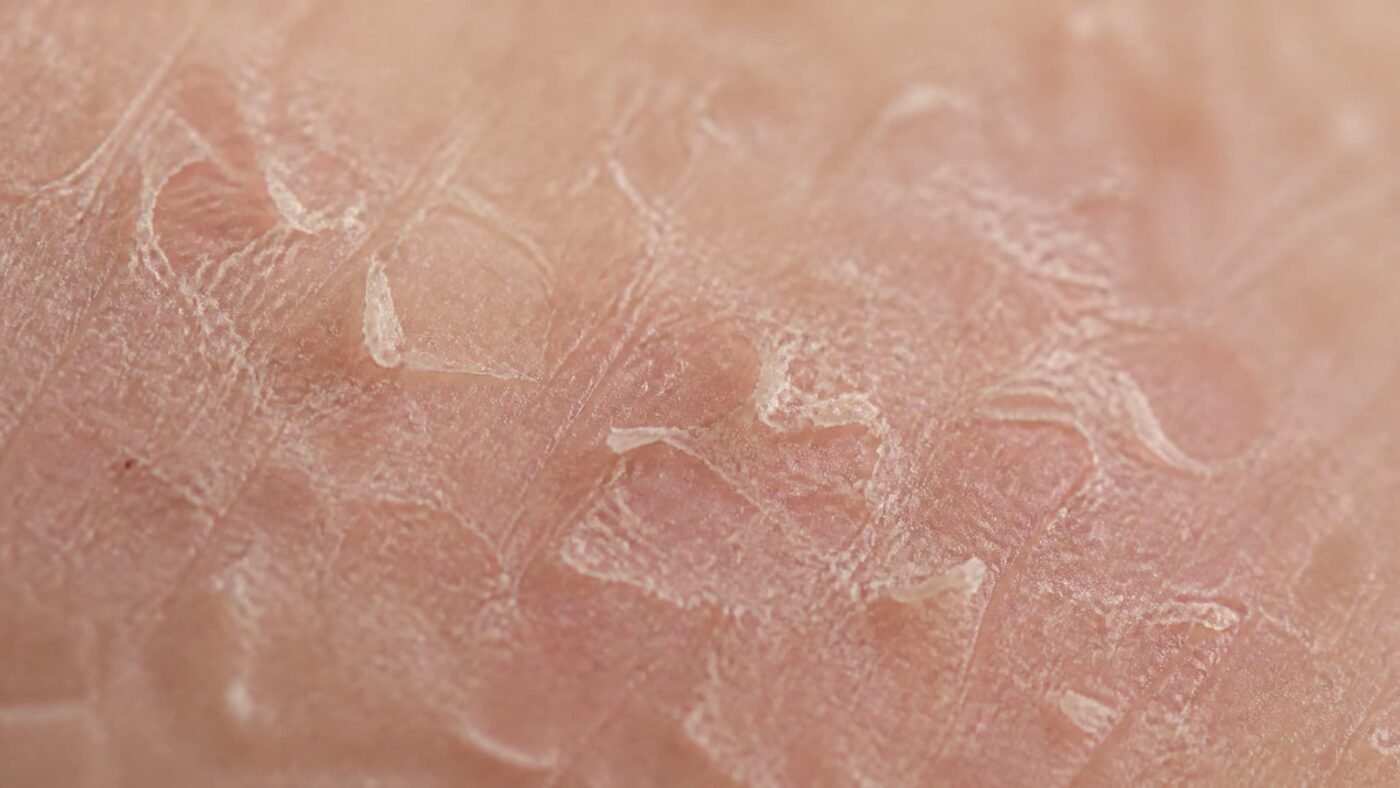
Individual variation matters too. Younger skin with a faster epidermal turnover rate may normalize TEWL closer to the 14-day mark. Skin that’s older, chronically stressed, sleep-deprived, or exposed to low humidity can take closer to 45 days for the same degree of damage. Genetics involved in filaggrin production and lipid synthesis also shift this window meaningfully from person to person.
Stage-by-Stage Barrier Recovery Timeline
Barrier healing isn’t linear in the way skincare marketing implies. It moves through distinct, biologically defined phases, and skipping ahead of them is usually what causes setbacks.
- Phase 1 — Hours 0–72 (Acute Stabilization): Emergency lipid-mimicking ingredients help seal moisture in and reduce active water loss. Stinging and burning typically subside first. The clinical review of TEWL as a barrier recovery marker is a useful framework here — TEWL readings in this window remain the most reliable indicator of how compromised the barrier still is, regardless of appearance.
- Phase 2 — Days 3–14 (Early Epidermal Matrix Rebuilding): Keratinocytes ramp up production of lamellar bodies, the structures responsible for packaging new lipids. Flaking and severe redness usually start easing during this stretch, though skin often still feels reactive to temperature and touch.
- Phase 3 — Weeks 2–4 (Full Turnover & Structural Normalization): A complete epidermal turnover cycle finishes here. TEWL levels typically approach baseline, and natural moisturizing factor (NMF) — the humectant blend inside corneocytes — starts to normalize.
- Phase 4 — Weeks 4–8 (Deep Resilience & Tolerance Re-establishment): This is where skin regains genuine tolerance to mild actives and environmental stress, not just a calm appearance.
For a full ingredient-by-ingredient protocol mapped to each of these stages, the guide to skin barrier repair walks through what to apply and when, rather than leaving it to guesswork.
The 3 Biggest Mistakes That Reset Your Repair Clock
Most chronic barrier issues aren’t caused by one bad week. They’re caused by a repeating cycle of near-recovery followed by re-injury.
- Reintroducing actives too early. The moment redness fades, it’s tempting to bring back the AHA, BHA, or retinoid that started the problem. But the lipid matrix at that stage is still fragile and easily re-broken. Considering gentle active alternatives beyond traditional retinol during this window can maintain some skincare progress without derailing repair.
- Over-cleansing. Foaming or high-pH cleansers strip lipids before they’ve had the chance to cross-link into a functional barrier. A cleanser that leaves skin feeling squeaky clean is usually removing more than dirt and oil.
- Product hopping. Panic-switching products every few days introduces a rotating cast of emulsifiers, preservatives, and fragrance compounds. Compromised skin has less capacity to tolerate that kind of chemical variability, and each new formula is effectively a fresh irritation test.
How to Tell Your Skin Barrier Is Actually Healed (Beyond Surface Looks)
Because visible calm and functional repair aren’t the same thing, it helps to have concrete markers beyond “it looks fine now.”
- Products no longer sting or burn on application — even plain water or a basic moisturizer.
- Skin holds its plumpness through the day and doesn’t feel tight by 3:00 PM.
- Flushing in response to mild temperature or wind changes has stopped.
- Texture reads as smooth, not plasticky, shiny, or rough and flaky.
Myth-busting note: shiny skin does NOT mean hydrated skin. A tight, reflective, almost glassy look after over-exfoliation usually signals an abnormally thinned stratum corneum that has lost its normal microscopic lipid architecture. That shine is often a visible marker of elevated TEWL, not a sign of a “glow.”

Always perform a patch test when introducing new recovery products, and consult a board-certified dermatologist if skin shows signs of clinical infection, severe weeping, or persistent eczema flares.
Frequently Asked Questions
Can I speed up my skin barrier repair time with expensive serums?
Not meaningfully. High-end formulas can supply well-matched ceramides, cholesterol, and fatty acids that support the raw materials of repair, but they can’t override the underlying epidermal turnover rate. Skin barrier repair time is set by cellular biology, not price point — a well-formulated $20 cream with the right lipid ratios often performs comparably to a $90 one.
How do I know if my skin barrier is damaged or if I’m just having an allergic reaction?
Barrier damage tends to show up as generalized dryness, flaking, stinging with most products, and a delayed reaction pattern tied to over-exfoliation or active overuse. Allergic reactions are usually more localized, appear suddenly after a specific new product, and often involve hives, swelling, or intense itching rather than a diffuse burning sensation. When in doubt, stopping all actives and observing for 48–72 hours can help clarify which pattern is present — persistent or worsening symptoms warrant a dermatology visit.
Should I completely stop washing my face while repairing my barrier?
No — skipping cleansing entirely allows sebum, sunscreen residue, and environmental debris to build up, which can itself be irritating. The better approach is switching to a low-pH, non-foaming cleanser and limiting washing to once daily, or even just water in the mornings if skin is severely compromised. The goal is reducing mechanical and chemical stripping, not eliminating hygiene altogether.