


You do everything right. Cleanser, moisturizer, a nickel-sized dollop of SPF every single morning, reapplied at lunch if you remember. And yet, a week in, there’s a new cluster of bumps along the jaw, or a faint sting the second the sunscreen touches skin. If you’ve typed “sunscreen breaking me out” into a search bar at 11pm out of pure frustration, the good news is this: sunscreen itself isn’t the enemy. Not all sunscreens interact with skin the same way, and reactions like this almost always trace back to something specific and identifiable — a filter type, a texture, an added fragrance — rather than SPF being fundamentally hostile to skin.
That distinction matters, because it means the fix usually isn’t “stop wearing sunscreen.” It’s “find the ingredient or formula category actually causing the problem.” That takes a bit of formulation literacy, which is what the rest of this is for.
Chemical vs. Mineral Filters: What’s Actually in Your Sunscreen
Every SPF product works using one of two broad filter categories, and understanding the chemical vs mineral sunscreen divide is the foundation for figuring out irritation patterns.
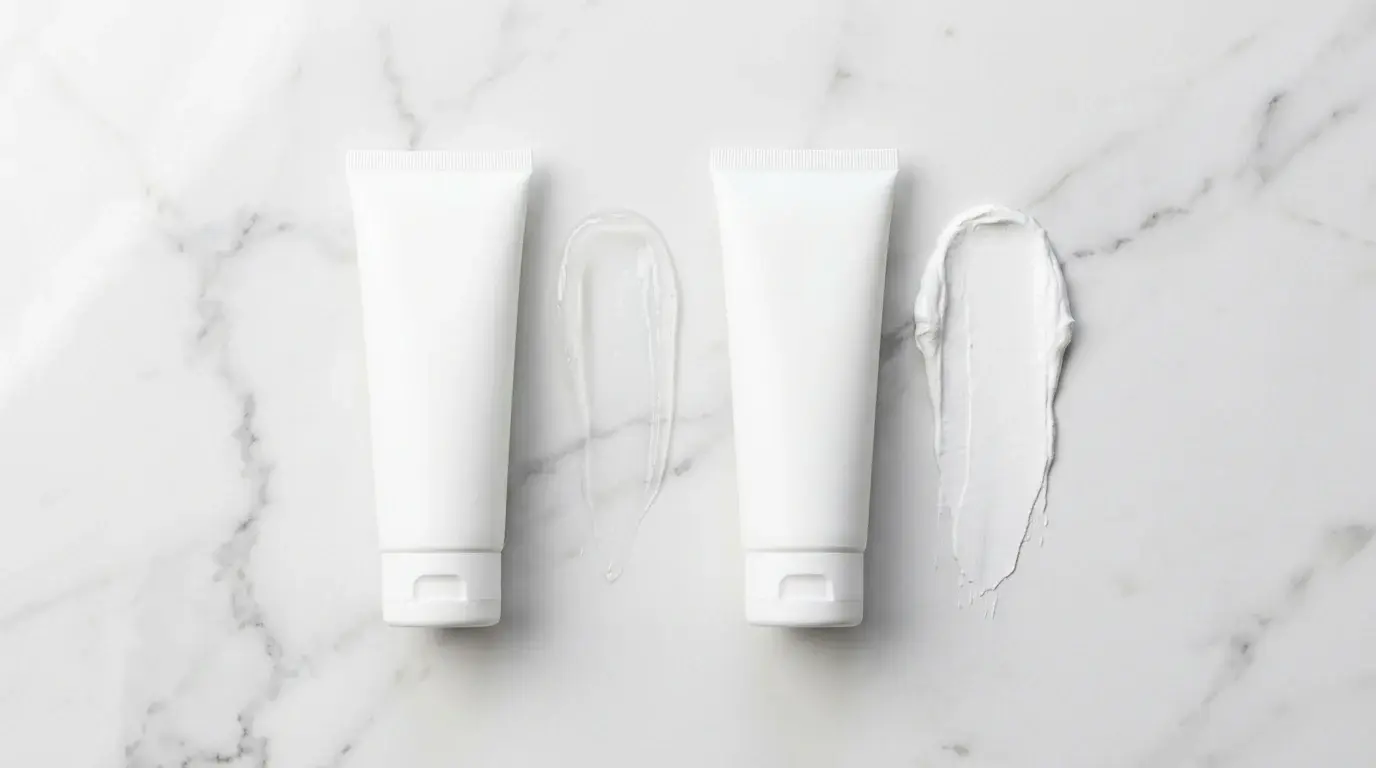
Chemical filters — think avobenzone, octinoxate, octocrylene, homosalate — are organic compounds that absorb UV radiation and convert it into a small amount of heat, which then dissipates from the skin. Think of them like a sponge that soaks up UV rays before they can damage skin cells.
Mineral filters, by contrast, are zinc oxide and titanium dioxide. These sit on the surface of the skin like a physical shield, reflecting and scattering UV rays rather than absorbing them. Less chemistry happening inside the skin, more happening on top of it.
This distinction isn’t just academic. A randomized clinical trial on chemical UV filter absorption found that several common chemical filters, including avobenzone, oxybenzone, and octocrylene, are absorbed into the bloodstream at levels exceeding FDA thresholds for further safety testing — and rash was the most frequently reported adverse event among participants. That absorption is a big part of why chemical sunscreens can provoke a reaction in skin that’s already reactive, inflamed, or barrier-compromised, while the same skin might tolerate a mineral formula without issue.
Why Chemical Filters Irritate Some Skin More Than Others
The heat-conversion mechanism is where things get more interesting for sensitive skin specifically. Because chemical filters generate a small thermal reaction directly within the skin, that localized heat can aggravate a barrier that’s already inflamed, thinned, or dehydrated. On resilient skin, this is a non-event. On compromised skin, it can read as stinging, flushing, or a slow-burning irritation that shows up an hour later.
Formulation base matters just as much as the filter itself. A review of sunscreen absorption and clinical implications confirmed that alcohol-based formulas increase how deeply filters penetrate the skin, and that most adverse effects present as contact dermatitis or allergic reactions rather than anything more serious. Alcohol, fragrance, and certain preservatives all raise penetration and irritation risk simultaneously — so a chemical-filter sunscreen loaded with denatured alcohol and fragrance is stacking multiple irritation triggers at once, not just one.
This is worth separating from acne specifically. Sunscreen contact dermatitis looks different from a breakout: it’s redness, stinging, itching, sometimes a fine rash, and it’s usually localized to exactly where the product was applied, appearing within minutes to hours. A breakout, by contrast, tends to show up as clogged pores or inflamed bumps over a day or two.
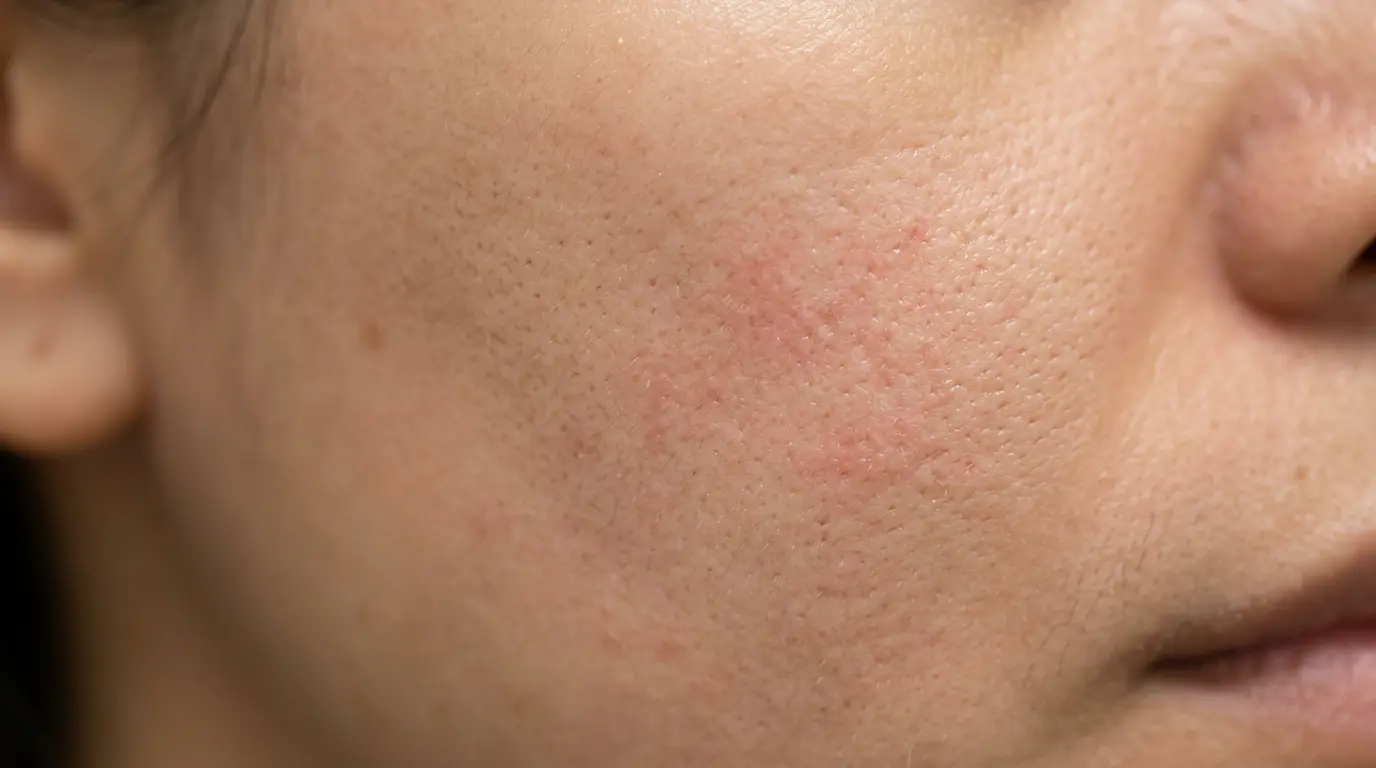
Skin that’s already dealing with signs of skin barrier dysfunction — tightness, flaking, a compromised moisture barrier — reacts more easily to almost anything applied topically, sunscreen included. A weakened barrier lets more of a formula’s active ingredients penetrate than it should, which is exactly the setup for irritation.
Is It Actually “Breaking You Out,” or Is It Something Else?
Before blaming the SPF filter itself, it helps to rule out a few other very common culprits hiding in the same bottle.
- Comedogenic sunscreen ingredients: heavy oils, certain silicones, and occlusive waxes in the formula can clog pores regardless of which UV filter is used. The breakout is coming from the base, not the sunscreen chemistry.
- True allergic reaction: hives, swelling, or intense itching appearing shortly after application points to a sunscreen allergic reaction, which is a different mechanism from typical acne and usually warrants switching products entirely.
- Purging-like breakouts: genuinely rare from sunscreen alone, unless the formula also includes exfoliating actives like AHAs or retinol blended in — some “multi-benefit” SPFs do this.
- Heat and occlusion: thick, rich sunscreens layered under makeup in warm or humid conditions can trap sweat and sebum against skin, producing bumps that have nothing to do with the UV filter itself.
Working through this list before switching filter categories entirely saves a lot of trial-and-error — and a lot of wasted product.
Mineral Sunscreens: Are They Really Gentler?
There’s a reason mineral sunscreen sensitive skin pairings get recommended so often by dermatologists: zinc oxide and titanium dioxide sit on the surface rather than absorbing into skin, so they sidestep the absorption-related irritation pathway that chemical filters can trigger. For genuinely reactive or barrier-compromised skin, this tends to be the safer starting point.

But “mineral” isn’t a magic word. These formulas can feel heavier and more difficult to blend, and they often leave a visible white or grey cast, especially on deeper skin tones. More importantly, plenty of mineral sunscreens still contain fragrance, comedogenic thickeners, or occlusive bases that can irritate or clog pores regardless of the filter used.
The filter category is one variable. The full ingredient list is the other, and it deserves equal attention. A “clean,” mineral-only label doesn’t guarantee a fragrance-free or non-comedogenic formula — those need to be checked independently.
It’s rarely the SPF number causing the reaction. A jump from SPF 30 to SPF 50 doesn’t inherently mean more irritation potential — a higher SPF value simply reflects a higher concentration or combination of filters, not automatically more fragrance or heavier oils. Irritation is driven far more by filter type, formulation base, and added fragrance or preservatives than by the number on the label.
How to Choose a Sunscreen That Won’t Irritate Your Skin
Finding a tolerable SPF is less about brand reputation and more about process. A few practical habits make the search considerably shorter.
- Patch test first: apply a small amount to the inner forearm for three to four consecutive days before putting anything new on the face. Reactions on the arm are far less consequential than a flare-up across the cheeks.
- Prioritize fragrance-free, minimal-ingredient formulas if skin is reactive or has a history of contact dermatitis. Fewer ingredients means fewer possible triggers to isolate later.
- Consider a mineral-only formula labeled non-comedogenic if repeated breakouts have consistently traced back to sunscreen specifically, rather than other products in the routine.
- Introduce one new product at a time. Adding a new sunscreen alongside a new serum or exfoliant at once makes it nearly impossible to identify which one is responsible for a reaction.
For skin that reacts to most standard SPF formulas no matter what’s tried, it may be worth looking at niche solutions for managing sensitive skin designed specifically around reduced irritation potential, rather than cycling through mainstream drugstore or prestige options indefinitely.
Frequently Asked Questions
Is mineral sunscreen always better for acne-prone or sensitive skin?
Often, but not always. Mineral filters avoid the absorption-related irritation that chemical filters can cause, which makes them a reasonable first choice for reactive skin. That said, a mineral sunscreen built on a heavy, comedogenic, or fragranced base can still cause breakouts — the filter category is only half the story.
Can I be allergic to just one ingredient in my sunscreen and not others?
Yes, this is common. A reaction can be traced to a single filter, a preservative, or a fragrance compound rather than the entire formula. This is exactly why patch testing and introducing one product at a time matters — it isolates the actual trigger instead of writing off “sunscreen” as a category.
Should I stop wearing sunscreen altogether if it keeps irritating my skin?
No — that trades a manageable formulation problem for unprotected UV exposure, which carries its own long-term risks. The more productive path is narrowing down the specific irritant (filter type, alcohol content, fragrance) and switching to a formula that avoids it, rather than skipping SPF entirely.