

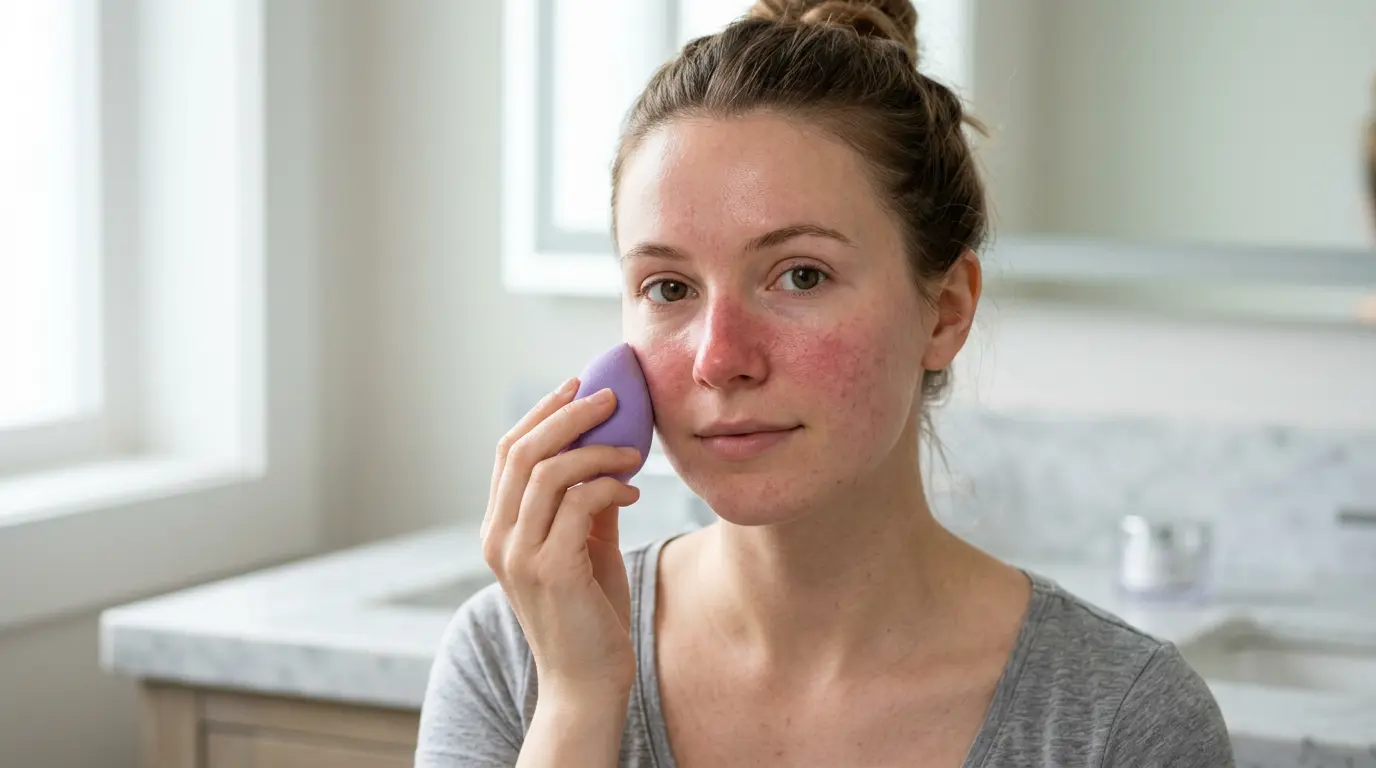
Navigating foundation and color correctors with rosacea often feels like a high-stakes gamble between hiding erythema and triggering a painful, burning flare-up. Facial redness in rosacea is not merely a cosmetic inconvenience; it is driven by altered neurovascular signaling, dysregulated innate immunity, and a chronically compromised epidermal barrier. Finding effective makeup for rosacea and genuinely rosacea safe cosmetics requires understanding how inert mineral pigments shield sensitive microvessels while heavy emulsifiers, chemical filters, and friction destabilize fragile skin. The formulas that work are rarely the ones marketed loudest.
The Rosacea Skin Barrier: Vascular Reactivity and Neurogenic Inflammation
Rosacea-prone skin is defined by facial hyper-reactivity. What begins as transient flushing can, over time, settle into persistent erythema and visible telangiectasia, driven by abnormal and disproportionate vasodilation in response to otherwise unremarkable stimuli. Research on rosacea pathophysiology points to this vascular instability as a central, not incidental, feature of the condition.
Part of the mechanism involves the innate immune system. Elevated cathelicidin peptides, particularly LL-37, alongside a hypersensitive TRPV1 thermal receptor network, cause blood vessels to dilate rapidly in response to mild physical or chemical stimuli that would barely register on non-reactive skin. A clinical paper on neurovascular dysregulation outlines how this cathelicidin pathway links directly to the flushing and burning many rosacea patients describe as unpredictable.
Layered on top of this is a structural problem. The stratum corneum in rosacea-prone skin shows increased transepidermal water loss and depleted intercellular lipids, meaning the barrier that should keep ingredients out simply lets more through. Cosmetic ingredients penetrate more easily than they would on calmer skin, reaching nerve endings and triggering the burning or stinging sensation so many people associate with “trying a new foundation.” Rosacea skin is, in effect, chemically and thermally sensitive at a structural level, and cosmetic formulas need to be evaluated with that reality in mind.
Ingredients That Trigger Rosacea Flares
Chemical UV filters are one of the more counterintuitive offenders. Ingredients such as avobenzone, oxybenzone, and octisalate work by absorbing UV radiation and converting it into heat directly on the skin’s surface. For most skin types this is negligible; for rosacea-prone skin, that localized thermal load can be enough to induce vasodilation and sudden flushing.
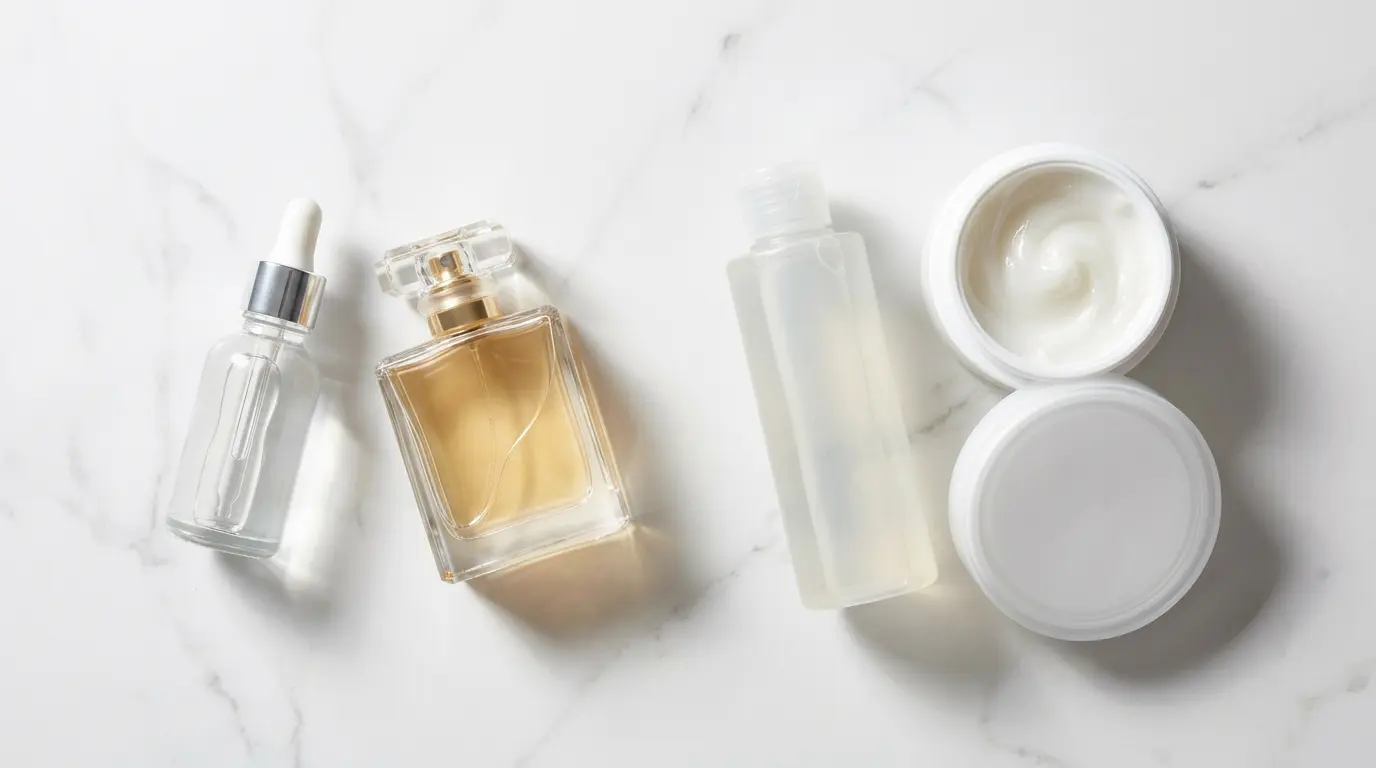
Volatile drying alcohols, including denatured alcohol and ethanol, along with synthetic fragrances and essential oils like peppermint, eucalyptus, and citrus, act on cutaneous TRPV receptors. Evidence indicates these ingredients are among the most consistently reported contact triggers in studies on cosmetic intolerance in rosacea patients, producing immediate stinging or burning that many people mistake for an allergic reaction rather than a sensory nerve response.
Heavy occlusive waxes, harsh emulsifiers, and physical exfoliants add a mechanical layer to the problem. These formulations generate friction or trap heat against the skin, compounding microvascular congestion that’s already elevated in rosacea. Identifying hidden irritants and understanding formulation safety thresholds for reactive skin is covered in more depth in Makeup for Sensitive Skin, which is worth reading alongside this piece if you’re auditing your full routine, not just your base makeup.
What Actually Calms: The Role of Inert Mineral Pigments
Not all pigments behave the same way once they meet reactive skin. Insoluble mineral pigments, specifically Titanium Dioxide and Zinc Oxide, sit on the surface of the stratum corneum rather than penetrating into viable epidermal layers or interacting with dermal blood vessels. That surface-only behavior is precisely why they tend to be tolerated where chemical formulas are not.
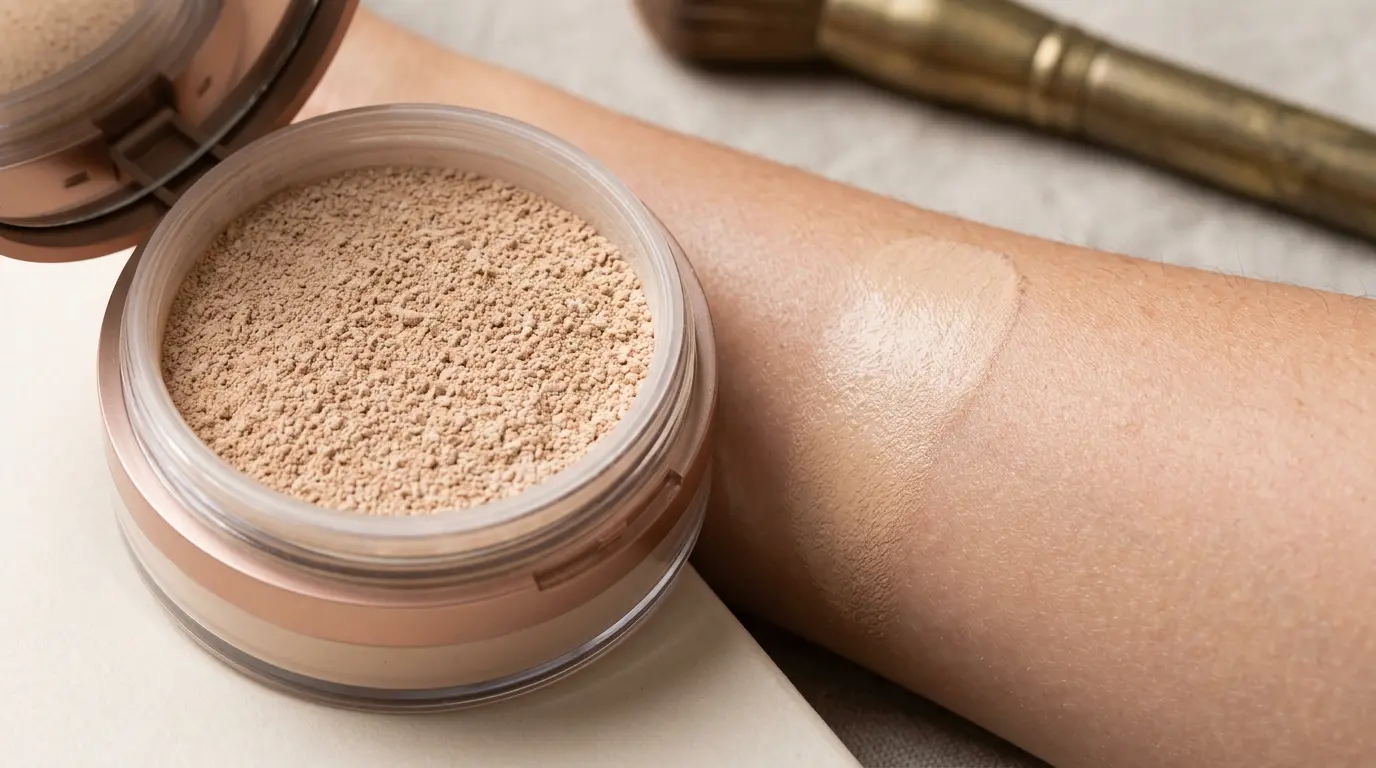
Micronized Zinc Oxide carries a dual benefit. It physically reflects solar radiation rather than absorbing and converting it into heat, and it also possesses innate anti-inflammatory properties that can calm localized surface irritation without generating any thermal byproduct. This distinction, heat generation versus heat reflection, is arguably the single most important factor separating a rosacea trigger from a rosacea-safe formula.
Green-tinted mineral color correctors work through a similar non-invasive logic. Using chromium oxide greens or iron oxides, they optically neutralize facial redness through basic light physics rather than trying to chemically mask or suppress it. Minimalist application techniques that minimize product weight while still evening out tone are explored further in No-Makeup Look for Sensitive Skin, which pairs well with a mineral-first approach.
Application Friction: The Hidden Trigger
Formula matters, but so does technique, sometimes more than people expect. Mechanical friction from aggressive buffing with dense synthetic brushes, or rubbing product in with fingers, creates shear stress on the skin’s surface. That stress can mechanically trigger mast cell degranulation and histamine release in tissue that is already primed to overreact.
There’s also a thermal dimension to friction. Rapid, repeated wiping or dragging motions warm the facial surface through simple mechanical heat, which is enough to activate temperature-sensitive TRPV channels and escalate vascular flushing independent of the product itself. In other words, a rosacea-safe foundation applied the wrong way can still provoke the exact reaction it was chosen to avoid.
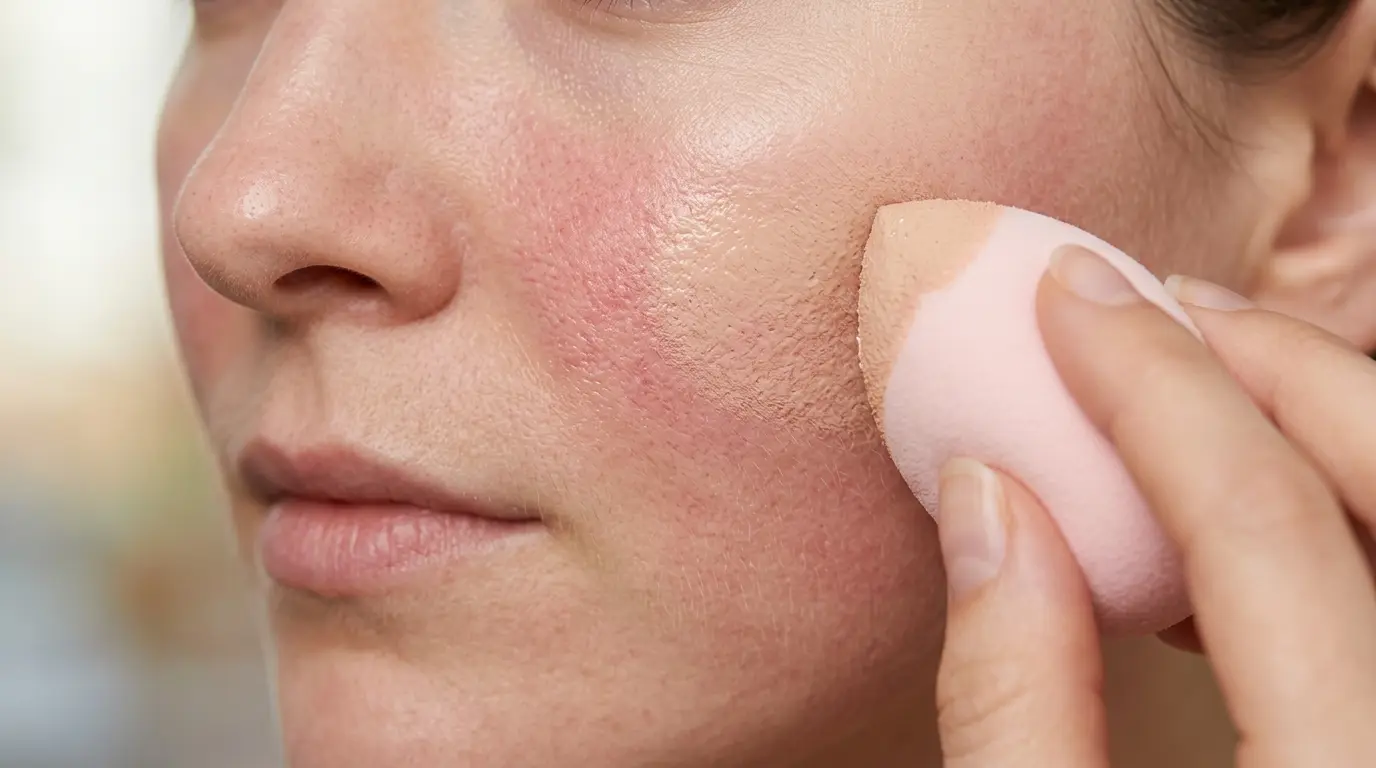
The fix is procedural, not product-based. Damp soft sponges or light stippling motions minimize physical displacement of the stratum corneum, allowing pigments to adhere smoothly without provoking microvascular dilation. How you apply cosmetic pigments matters almost as much as what’s in the formula, which is a detail most product reviews skip entirely.
A Rosacea-Friendly Makeup Protocol
Start by preparing the barrier itself. A gentle, fragrance-free, lipid-replenishing moisturizer creates a protective buffer between the skin and whatever color pigments follow, reducing the likelihood of direct irritant contact with already-compromised skin.
From there, reach for broad-spectrum physical mineral SPFs or mineral primers built around Zinc Oxide. These shield against UV-induced flushing while, unlike chemical filters, cooling rather than heating the surface they sit on.
For color, lightweight liquid or pressed mineral foundations tend to outperform heavy, long-wear matte creams, which usually require harsh rubbing or stripping surfactants to remove at the end of the day. That removal step is often where the real damage happens, not the wear time itself.
Finish by cleansing gently in the evening with mild, non-foaming emulsifying formulas that melt pigments away without disrupting epidermal lipids. A cleanser that requires scrubbing to fully remove makeup has already failed the barrier it’s meant to protect.
FAQ
Is mineral makeup always better for rosacea-prone skin?
Yes, in most clinical scenarios. Pure mineral cosmetics formulated with Titanium Dioxide and Zinc Oxide are physically inert, non-penetrating, and free from chemical UV absorbers that generate surface heat. Zinc Oxide also offers natural soothing properties that help protect reactive, flushed skin.
Why does green color corrector neutralize rosacea redness?
Green color correctors rely on complementary color theory from optics. Green sits directly opposite red on the color wheel, meaning green pigments cancel out the visual perception of red wavelengths. Using an inert green-tinted mineral primer allows you to neutralize erythema using less foundation overall.
Can wearing foundation worsen my rosacea flare-ups?
Foundation can worsen flare-ups if it contains chemical sunscreens, fragrance, drying alcohols, or heavy occlusive waxes that trap facial heat. However, a lightweight, fragrance-free mineral foundation can actually protect rosacea skin by providing a physical barrier against environmental wind, pollution, and UV exposure.
What is the best way to apply makeup without causing flushing?
Avoid dense makeup brushes or rubbing with your fingers, as physical friction stimulates dermal blood vessels and triggers histamine release. Instead, use a soft, slightly damp makeup sponge and apply products using gentle, pressing or stippling motions to keep skin cool and undisturbed.