

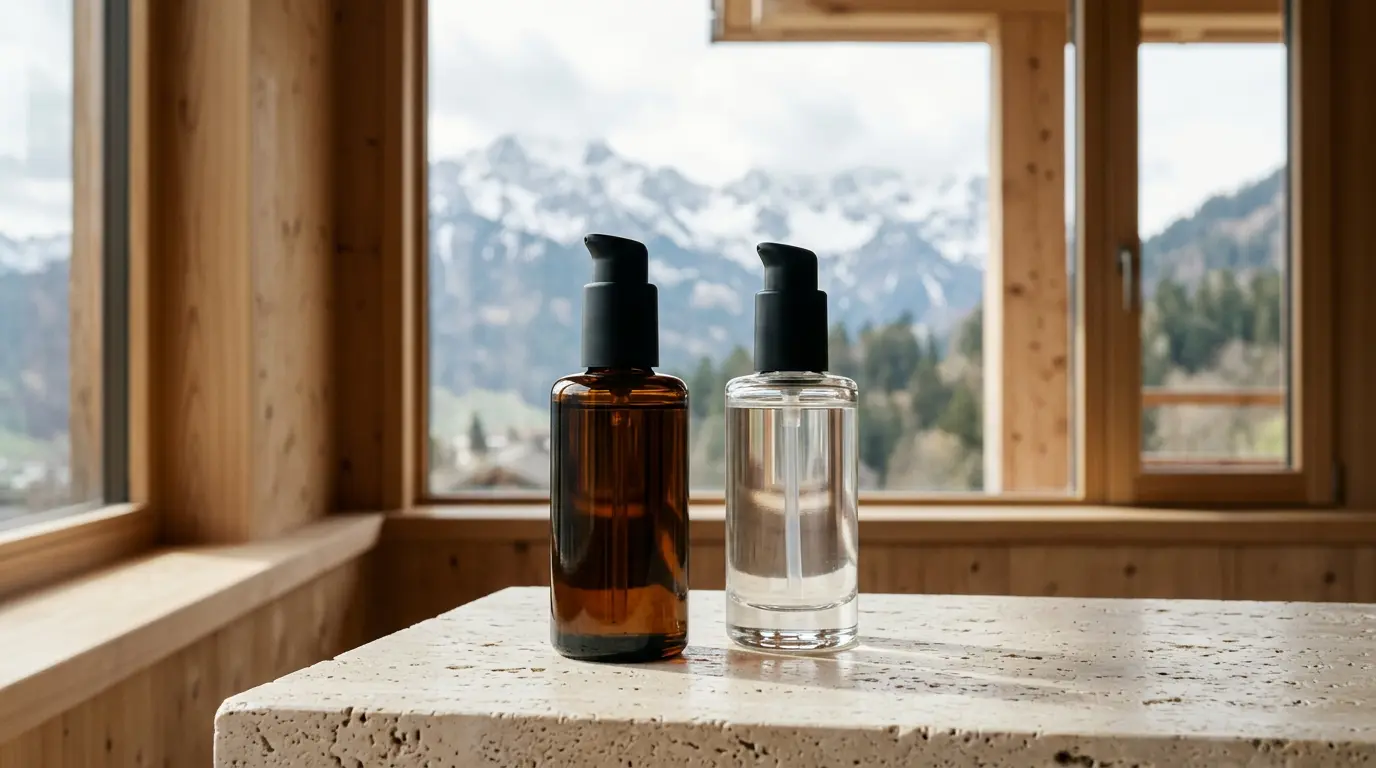
Emerging from the Bregenzerwald region of Austria, Susanne Kaufmann represents one of the most prominent pioneers of regional European luxury skincare. However, conducting an objective Susanne Kaufmann review requires peering past the clean glass bottles and holistic Alpine spa heritage to examine the actual chemistry within the formulas. The brand’s focus on alpine botanical skincare leverages indigenous flora like arnica, chamomile, and edelweiss, celebrated for their survival adaptations in harsh mountain climates. Evaluating how these bioactives interact with human skin biology clarifies whether Austrian holistic formulation yields true dermatological benefits or simply refined sensory luxury.
The Origin Story: Bregenzerwald Spa Heritage Meets Modern Phytochemistry
Rooted in the family hotel spa in Bezau, Austria, the brand was created to address real-world skin needs within a professional treatments context. This is not a marketing narrative invented after the fact. Susanne Kaufmann’s formulas were tested on actual spa guests long before they reached retail shelves, which gives the brand a slightly different origin than most niche luxury labels.
The philosophy blends traditional Austrian herbal knowledge with modern green chemistry and biotechnology to extract active phytochemicals without synthetic solvents. Dermatological research suggests that solvent-free extraction methods can preserve a wider spectrum of a plant’s bioactive compounds, which matters because heat and harsh solvents often degrade the very molecules responsible for anti-inflammatory effects, as outlined in a PubMed study on plant extract anti-inflammatory pathways and bioactivity.
By leveraging local flora that endure extreme UV radiation, temperature shifts, and high altitudes, the brand bases its positioning on wild-harvested and organic mountain plants. This is where scepticism is warranted: altitude alone does not guarantee potency, and extract concentration in a finished formula matters more than the romantic backstory of where a plant was picked. Understanding how founder vision shapes holistic, regional European formulation philosophies is explored in Founder-Led Skincare Brands.
The Science of Alpine Botanicals: Anti-Inflammatory Compounds and Skin Defense

Alpine plants produce high concentrations of secondary metabolites, such as flavonoids, polyphenols, and sesquiterpene lactones, to shield themselves against environmental stress. These are defense molecules, not beauty molecules by design, but their protective function against UV and oxidative damage happens to translate reasonably well to human skin biology.
Arnica montana and Chamomilla recutita contain helenalin and bisabolol, compounds shown in clinical settings to inhibit pro-inflammatory cytokines and reduce localized skin erythema. Phytochemical evidence indicates these mechanisms are genuine rather than anecdotal, as detailed in a PMC study on Arnica montana and alpine botanical anti-inflammatory mechanisms. That said, extract potency varies across harvest batches, soil conditions, and processing methods, so a single ingredient name on a label tells you little about the actual concentration delivered to skin.
Leontopodic acid, isolated from Edelweiss, acts as a potent radical scavenger that supports skin barrier resilience against urban particulate pollution and oxidative damage. This is one of the more scientifically interesting claims in the Alpine skincare category, since Edelweiss’s radical-scavenging capacity is reasonably well documented rather than purely aspirational. Comparing Alpine herbal extraction to Northern European plant science and Baltic bioactives is detailed in MÁDARA Cosmetics Review.
Formulation Performance: Standout Products vs Luxury Packaging
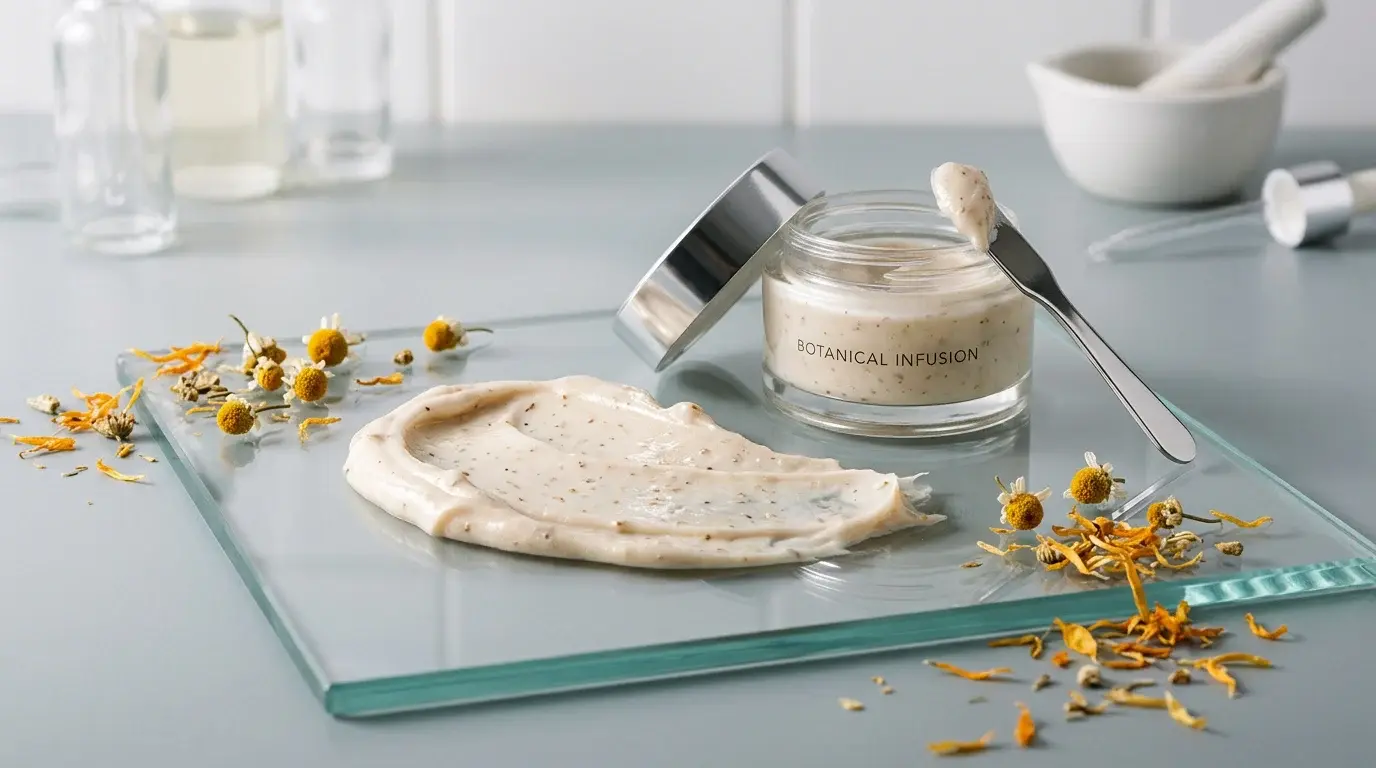
Key offerings like the Nutrient Serum and Soothing Mask feature well-balanced bases utilizing squalane, plant-derived lipid complexes, and hyaluronic acid to optimize epidermal absorption. This is competent formulation chemistry, not novelty for its own sake. Squalane in particular is a workhorse emollient with a long track record of compatibility across skin types.
While the minimalist glass packaging and refill ecosystem demonstrate environmental awareness, the high retail price point accounts heavily for sustainable material engineering and small-batch production overhead. Clinical studies show that emulsion vehicle design significantly affects how well botanical actives penetrate and remain stable over a product’s shelf life, a point clarified in a JAAD Reviews clinical analysis on topical botanical stability, barrier repair, and emulsion vehicles. A well-engineered vehicle is doing real work here, even if it is invisible on the label.
A potential drawback for highly reactive skin types is the inclusion of natural fragrance components and essential oil terpenes, which, despite their natural origin, require cautious patch-testing. Natural does not mean inert, and this is a point luxury branding tends to underplay. Evaluating minimalist organic formulations, lipid balances, and botanical skin tolerance is examined in Rowse Beauty Review.
Who Is Susanne Kaufmann Best Suited For?
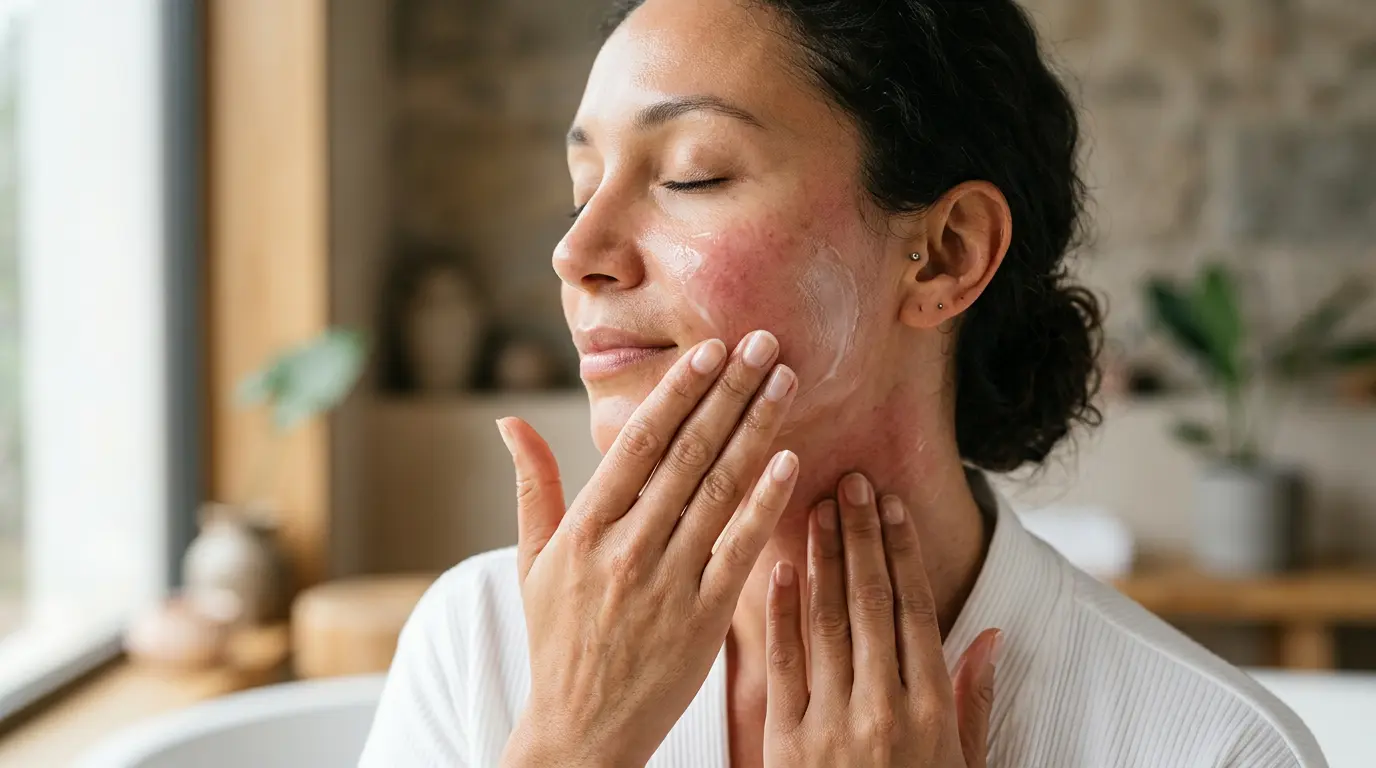
Ideal candidates include dry, dehydrated, or environmentally stressed skin types seeking lipid replenishment, soothing botanical support, and elevated sensory rituals. The formulas are built around comfort and barrier reinforcement rather than aggressive actives, which suits skin that reacts poorly to acids or retinoids.
Less ideal candidates are hyper-reactive or severely allergy-prone individuals who require completely fragrance-free, medical-grade barrier formulations devoid of essential oil molecules. No amount of Alpine provenance changes the fact that terpene-rich botanicals can trigger contact sensitivities in a meaningful subset of users.
Pragmatic luxury consumers represent a third category worth naming: those who value sustainable European supply chains, organic wild-harvesting practices, and elegant cosmetic elegance alongside proven botanical soothing properties. For this group, the price premium buys something real, even if that something is partly experiential rather than purely biochemical.
The Final Verdict: Is Austrian Alpine Skincare Worth the Investment?
Susanne Kaufmann successfully bridges regional Austrian spa tradition with rigorous green formulation standards, delivering genuine anti-inflammatory and hydrating benefits. The phytochemistry behind arnica, chamomile, and edelweiss is not marketing invention; it is grounded in documented plant biology and dermatological mechanism.
However, consumers must acknowledge that premium pricing reflects small-batch regional sourcing, refillable packaging innovation, and luxury positioning rather than unmatched biological superiority over simpler clinical formulas. A less expensive formula built around the same core actives, at comparable concentrations, could plausibly deliver similar barrier benefits.
The line excels as a holistic, sensory-rich barrier care collection that delivers measurable skin comfort when aligned with appropriate skin types. Judged strictly on formulation merit rather than brand mythology, it holds up better than most Alpine-storytelling competitors, largely because the underlying chemistry is sound.
FAQ
Is Susanne Kaufmann skincare suitable for sensitive skin?
Many products in the range are formulated to soothe redness and support the skin barrier using anti-inflammatory alpine extracts. However, because several formulas contain natural essential oils or plant fragrances, individuals with known contact allergies should patch-test first.
What makes Alpine botanicals different from standard plant extracts?
Plants growing in high-altitude Alpine environments adapt to extreme UV exposure, cold temperatures, and harsh soils by producing higher concentrations of protective antioxidants, polyphenols, and flavonoids compared to low-altitude flora.
Are Susanne Kaufmann products organic and sustainable?
Yes. The brand prioritizes organic, wild-harvested ingredients sourced locally in Austria and Switzerland, uses energy-efficient production in the Bregenzerwald, and utilizes recyclable glass bottles alongside lightweight refill pouches.
Which Susanne Kaufmann product is best for barrier repair?
Formulas like the Soothing Mask and Nutrient Serum are particularly effective for barrier support, combining lipid-rich plant oils, hyaluronic acid, and anti-inflammatory extracts like arnica and spent grain wax to calm irritation.