


Shifting temperatures and indoor heating are frequently blamed for winter complexion dullness, but the primary driver often operates through ocular light reception and biological timekeeping rather than furnace air. Evaluating seasonal skin changes daylight rhythms requires connecting central neuroendocrine signals with peripheral epidermal clocks. Reduced photoperiods trigger alterations in the hypothalamic-pituitary-adrenal axis, disrupting diurnal hormone rhythms and impairing stratum corneum integrity. Understanding how seasonal affective disorder skin manifestations stem from cortisol fluctuations, suppressed melatonin synthesis, and altered epidermal cell turnover clarifies why seasonal facial changes reflect neurocutaneous mechanics rather than surface dry air alone.
The Ocular Light-Skin Axis: How Shorter Photoperiods Shift HPA Axis Activity
Skin does not sense daylight directly. The signal begins in the retina, where reduced photoperiods during autumn and winter decrease light stimulation reaching the suprachiasmatic nucleus (SCN), the brain’s master clock. This desynchronization does not stay confined to sleep timing.
Physiological evidence indicates that SCN disruption alters hypothalamic-pituitary-adrenal axis regulation, producing blunted or irregular diurnal cortisol slopes rather than the sharp morning peak and steady evening decline typical of well-entrained systems. A clinical study examining salivary cortisol slopes and seasonal mood dysregulation connects this flattened hormonal output to broader seasonal biological mechanisms, not merely subjective low mood.

The downstream cutaneous consequence is mechanical, not cosmetic. Elevated baseline night cortisol or a flattened daily cortisol curve impairs dermal fibroblast proliferation, inhibits natural lipid synthesis, and delays epidermal repair processes that would otherwise occur overnight. Understanding how early-day photoperiod exposure resets central circadian timers and optimizes endocrine regulation is detailed in Morning Sunlight Benefits.
Cutaneous Circadian Clocks: Molecular Timers in Keratinocytes and Fibroblasts
Skin carries its own timekeeping machinery independent of, yet coordinated with, the SCN. Keratinocytes and dermal fibroblasts express intrinsic CLOCK and BMAL1 genes that govern daily cycles of cell division, DNA repair, and lipid production on a roughly 24-hour rhythm.
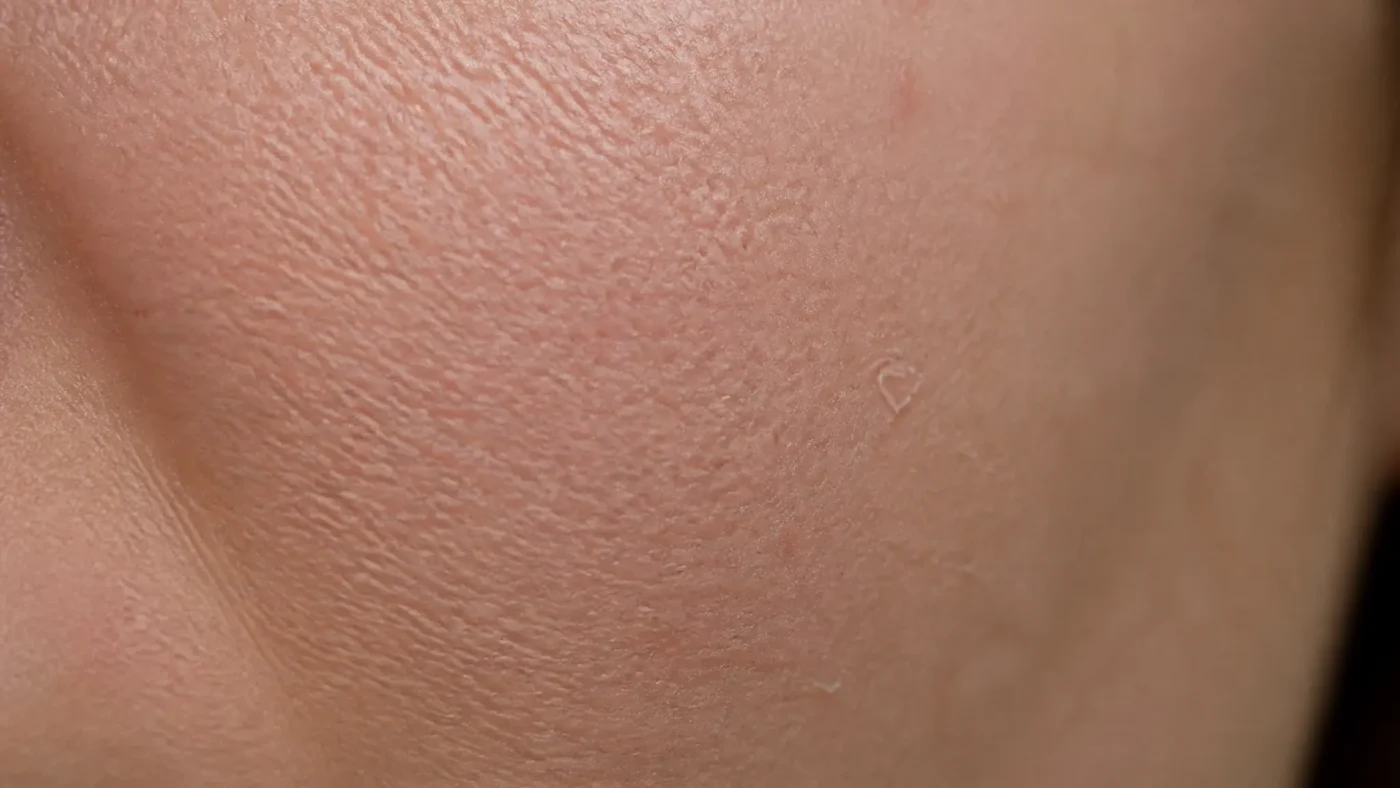
These peripheral clocks assume a stable light-dark and sleep-wake schedule to stay synchronized. Shorter daylight hours and the altered sleep-wake architecture common in winter disrupt this coordination, according to a dermatological review on circadian rhythms and epidermal clock gene expression, which links clock gene timing directly to nocturnal barrier permeability.
The practical result is measurable rather than theoretical. Desynchronized peripheral clocks increase evening transepidermal water loss (TEWL) and heighten skin susceptibility to environmental stressors during waking hours, when repair mechanisms should already be winding down toward their nightly peak. Evaluating how peripheral molecular timers coordinate epidermal repair cycles and lipid production is explored in Circadian Rhythm Skin Health.
The Neuroendocrine Cascade: Melatonin, Cortisol, and Barrier Integrity
Seasonal Affective Disorder is not simply a mood label loosely borrowed by skincare marketing. Clinical studies show it is characterized by altered melatonin kinetics and systemic vitamin D decline, both of which modulate cutaneous inflammatory responses well beyond the brain.
A review of SAD, vitamin D pathways, and systemic inflammatory biomarkers outlines how this seasonal inflammatory shift lowers plasma tryptophan hydroxylase activation while increasing pro-inflammatory cytokine expression within skin tissue. The mood and the complexion are downstream of the same signaling disruption, not two unrelated seasonal complaints.
Cortisol dysregulation compounds the effect at the barrier level. Dysregulated systemic cortisol compromises stratum corneum ceramide production, exacerbating barrier vulnerability, flakiness, and heightened cutaneous reactivity during low-light months. Examining how systemic hormone fluctuations influence sebum composition and cutaneous inflammatory pathways is examined in Hormonal Skin Health.
Environmental Cold vs. Internal Chronobiology: Disentangling the Dual Triggers
Not every winter skin complaint traces back to neuroendocrine signaling. Cold ambient temperatures and low relative humidity physically draw moisture from the stratum corneum, elevating localized TEWL and causing the tightness many people notice within minutes of stepping outside.
Intrinsic chronobiological shifts operate on a slower, less visible timeline. They alter endogenous lipid synthesis, aquaporin-3 expression, and vascular responsiveness from within the dermal architecture, independent of what the thermostat reads. Physiological evidence indicates these two mechanisms often overlap in the same season without being interchangeable.
Differentiating between atmospheric barrier wear and neuroendocrine-driven skin changes matters practically. It enables targeted topical and behavioral interventions rather than defaulting to heavier occlusive creams for a problem that may originate in hormone timing rather than humidity alone.
The Final Verdict: Can Light Therapy and Chrono-Skincare Prevent Seasonal Skin Shifts?
Mitigating winter skin changes requires a dual approach that addresses both central light input and peripheral cutaneous barrier integrity simultaneously. Treating only the surface, or only the mood, leaves half the mechanism untouched.
Bright light therapy helps recalibrate central circadian signaling and stabilize diurnal cortisol output, indirectly supporting dermal repair capacity rather than acting as a direct topical treatment. Its value to skin is mediated entirely through the HPA axis and SCN, not through any effect on the epidermis itself.
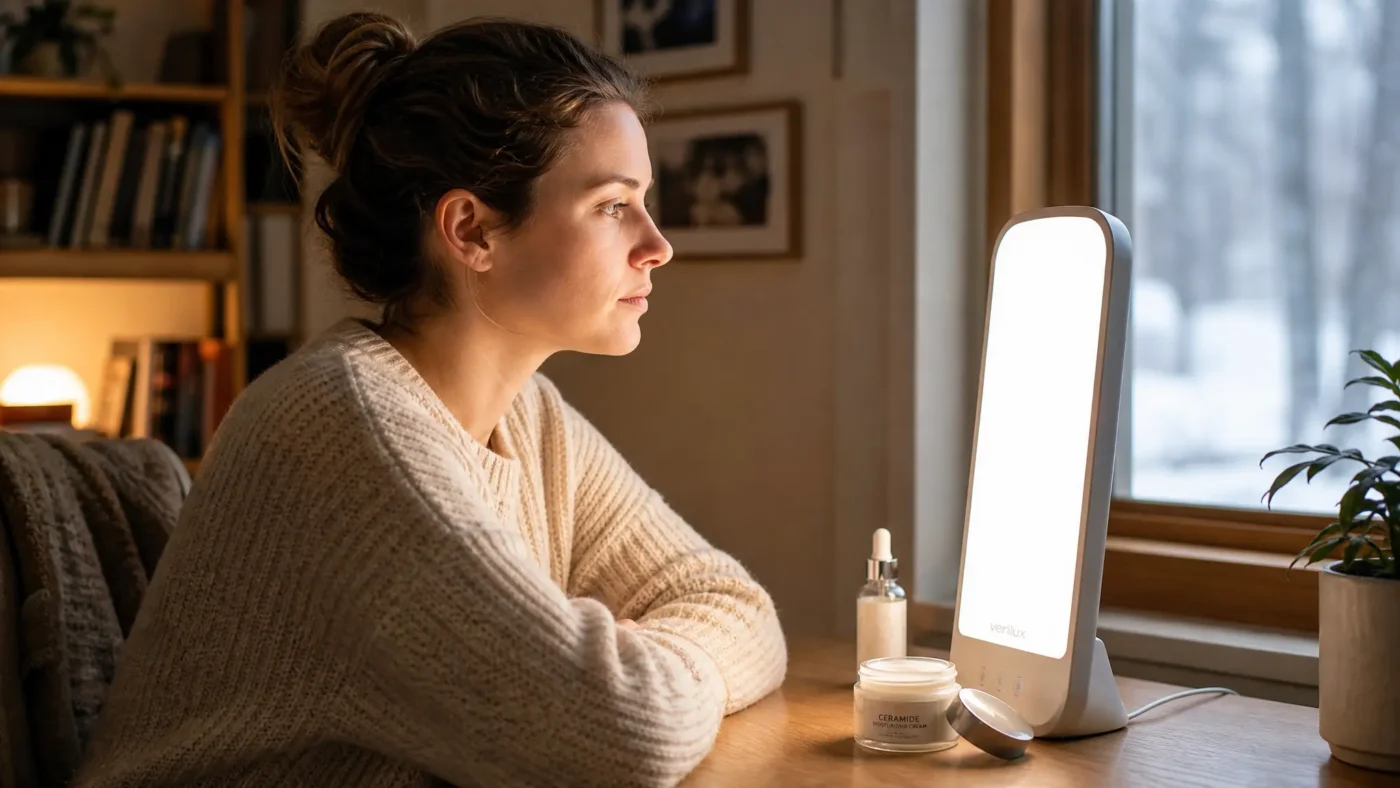
Combining morning light exposure with evening topical ceramide enrichment helps preserve stratum corneum lipid balance throughout low-sunlight months. Neither intervention alone fully substitutes for the other, since one addresses the central clock and the other reinforces the barrier it governs.
FAQ
Why does my skin look duller in winter even if I use heavy moisturizers?
Winter dullness stems from reduced epidermal cell turnover and impaired microvascular perfusion triggered by shortened photoperiods and altered circadian hormone rhythms, which topicals alone cannot fully correct.
Can light therapy boxes used for SAD improve skin health?
Bright light therapy targeting the eyes recalibrates the central suprachiasmatic nucleus, helping normalize diurnal cortisol rhythms and indirectly supporting systemic and cutaneous barrier recovery.
How does winter stress affect facial skin barrier function?
Seasonal stress and altered cortisol slopes suppress lipid synthesis in the stratum corneum, reducing essential ceramide production and making skin more vulnerable to transepidermal water loss.
Does reduced vitamin D in winter directly impact skin inflammation?
Lower winter sunlight exposure reduces cutaneous vitamin D synthesis, which can heighten inflammatory pathways and make skin more reactive to environmental irritants.