

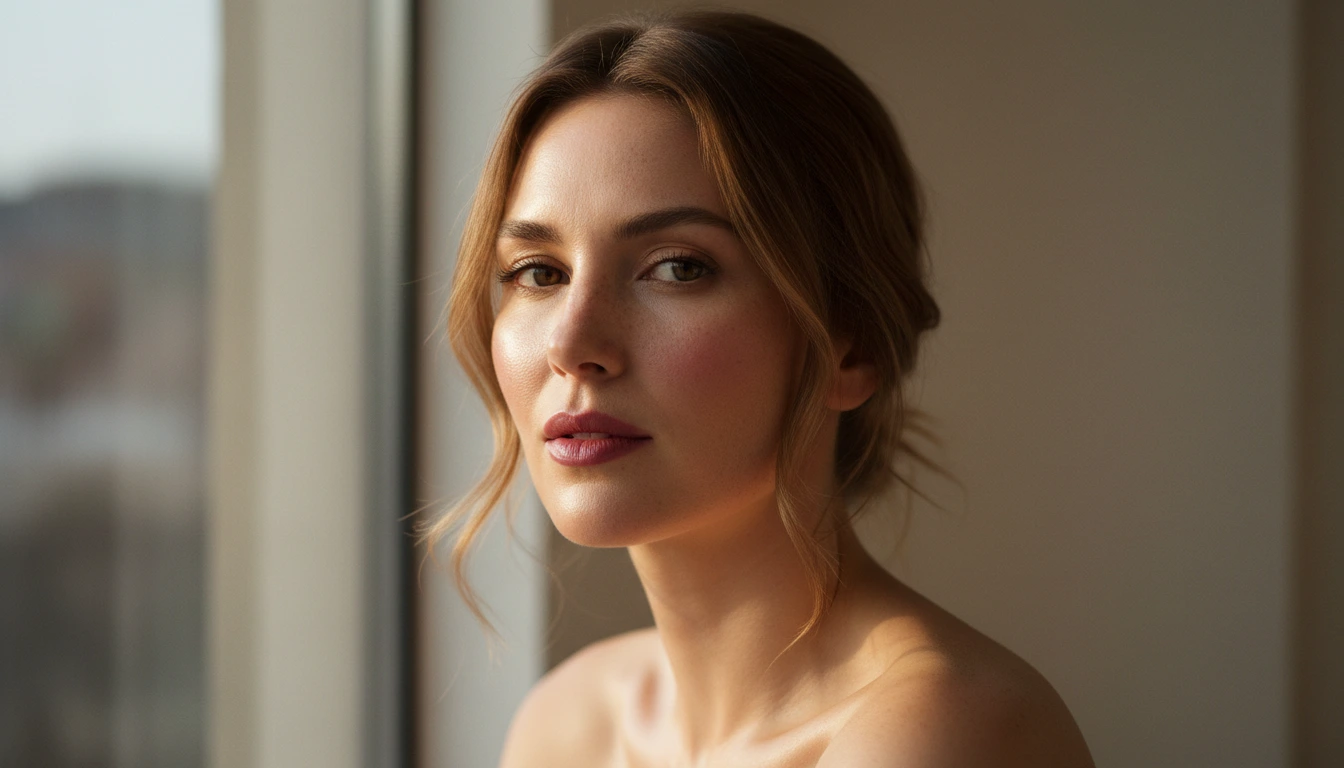
It is 7:42 AM. There is a meeting at nine, the coffee is still too hot, and the mirror reveals a flushed patch blooming across one cheek that was not there last night. Reaching for a heavy foundation feels like pouring petrol on a small fire, yet showing up looking tired is not an option either. This is exactly where the No-Makeup Look for Sensitive Skin earns its quiet reputation: it softens redness, evens tone, and lets the skin breathe, all without triggering the very reactivity it is trying to disguise.
The good news? Achieving that lit-from-within finish has very little to do with how many products are used. It has everything to do with which ones, and how they interact with a compromised skin barrier.
Why Sensitive Skin Demands a Different Approach
Sensitive skin is not a personality trait. It is a measurable physiological state, often linked to a weakened stratum corneum, elevated transepidermal water loss (TEWL), and a reactive nervous response to common ingredients. Fragrance, essential oils, denatured alcohol, and certain preservatives like methylisothiazolinone are among the most cited triggers in dermatological literature.
This is why makeup for sensitive skin needs to do two jobs at once. It must provide visual comfort, and it must avoid disturbing the lipid matrix that keeps irritation out and hydration in.
Signs Your Skin Is Asking for a Lighter Routine
- Stinging or tightness within minutes of applying foundation
- Redness that intensifies after product application rather than fading
- Small bumps or texture changes around the cheeks and jawline
- Flaking patches that catch light and emphasise dryness
- Persistent reactivity to “new launches” that everyone else seems to love
Building the Foundation: No-Makeup Look Skincare First
A natural makeup look for sensitive skin lives or dies at the skincare stage. If the canvas is dehydrated or inflamed, no amount of clever blending will hide it. Think of the routine underneath as the actual product, and the cosmetics on top as the finishing veil.
A simple, well-tolerated morning sequence usually looks like this:
- Lukewarm rinse or a low-pH gentle cleanser (pH around 5.5 supports the acid mantle)
- A humectant serum with hyaluronic acid or glycerin on damp skin
- A barrier-repair moisturiser containing ceramides and cholesterol
- Mineral SPF 30 or higher, ideally based on zinc oxide
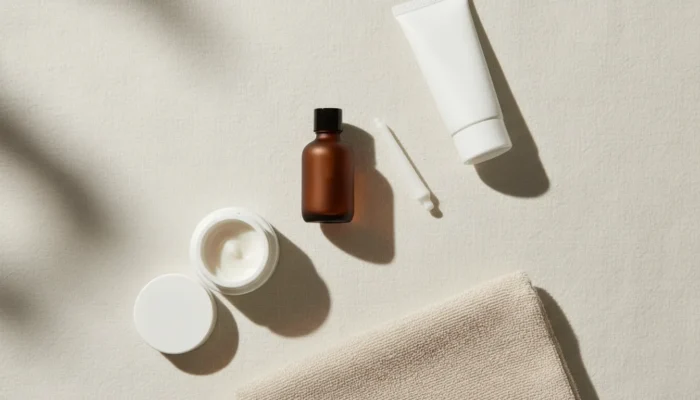
Choosing products with clean ingredients reduces the cumulative load of potential irritants. Less noise, fewer reactions.
Common Myth, Debunked: “Sensitive skin should skip makeup entirely to heal.” Not quite. Well-formulated mineral-based products can actually shield reactive skin from environmental stressors like UV, pollution, and blue light. The issue is rarely makeup itself, it is the type of makeup.
The No-Makeup Look for Sensitive Skin: Product by Product
The whole philosophy of a no makeup makeup look rests on swapping coverage for correction. Instead of masking the skin, the goal is to neutralise tones, add light, and let real texture remain visible. This is also the heart of the clean girl makeup look and the broader minimal makeup look trend.
1. Skin Tint or Serum Foundation Instead of Full Coverage
Heavy foundations sit on top of the skin and can trap heat, sweat, and bacteria, all of which aggravate reactivity. A lighter alternative is the category of serum-infused foundations, which deliver sheer, buildable colour alongside hydrating actives.
For those wondering about the difference between formats, the comparison of foundation vs tinted moisturiser is worth understanding before buying. Tinted moisturisers generally offer lower pigment load, which suits a no foundation makeup look beautifully.
2. Spot Concealing, Not Full Concealing
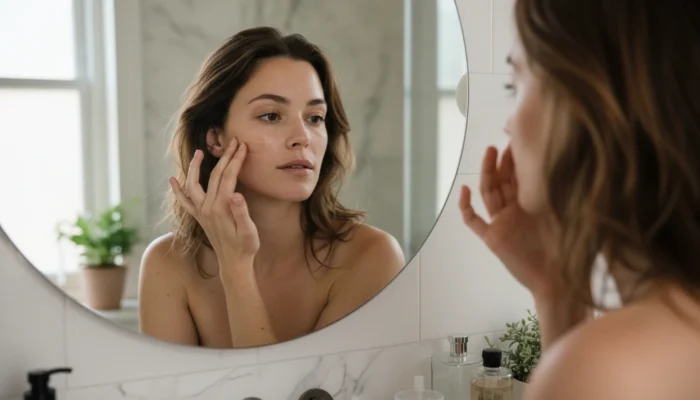
Rather than applying concealer in wide swathes under the eyes, the technique is to dot it only where redness or pigmentation actually appears. A small synthetic brush deposits product precisely, then a clean fingertip warms and blends the edges. Guidance on how to choose the right concealer matters here, particularly the undertone match.
3. Cream Blush and Cream Bronzer
Powders can cling to dry patches and emphasise flaking. Cream formulas melt into the skin and mimic the natural flush of well-circulated cheeks. Tap with fingers, never drag.
4. Tinted Brow Gel and a Single Coat of Mascara
Defined brows frame the face and create the illusion of structure without any contouring. Look for tubing mascaras with minimal fragrance, as they remove with warm water rather than tugging.
5. A Hydrating Lip Balm with a Hint of Colour
Pigmented balms in rosy or mauve shades complete the everyday natural makeup feel. Avoid plumping formulas with cinnamon, menthol, or capsicum extracts, which work precisely by causing controlled irritation.
Scientifically Backed Ingredients
The ingredient list on a product tells a more honest story than the marketing on the front. For the best no makeup makeup for sensitive skin, certain actives have strong dermatological evidence behind them.
Niacinamide (Vitamin B3)
At concentrations of 2 to 5 percent, niacinamide has been shown in peer-reviewed studies to reduce TEWL, support ceramide synthesis, and visibly calm redness. It also regulates sebum, which helps makeup sit more evenly across combination-sensitive skin.
Hyaluronic Acid
A glycosaminoglycan naturally present in the dermis, hyaluronic acid binds water within the upper skin layers. The result is a plumper surface, fewer visible fine lines, and a luminous finish that supports a glow without makeup look.
Centella Asiatica (Cica)
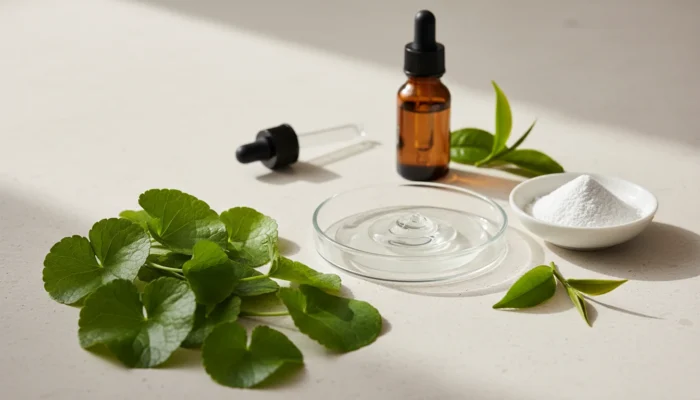
The active compounds asiaticoside and madecassoside have documented anti-inflammatory effects and support fibroblast activity. For reactive skin and post-inflammatory redness, Centella is one of the most reliable botanicals in modern cosmetic science.
Zinc Oxide
A physical UV filter that reflects both UVA and UVB without penetrating deeply into the skin. It is non-comedogenic, inherently soothing, and considered safe even for rosacea-prone or post-procedure skin.
Ceramides and Cholesterol
These lipids make up the literal “mortar” between skin cells. Replenishing them through skincare directly addresses the barrier dysfunction that defines sensitive skin in the first place.
Always consult with a healthcare professional before starting new treatments.
A Lightweight Makeup Routine, Step by Step
Putting it all together takes under five minutes once the rhythm becomes familiar. This sequence works for a no makeup look for fair skin as well as for deeper, more melanin-rich complexions, with shade adjustments at the tint and blush stages.
- Press skin tint onto the centre of the face with fingers, blending outward
- Dot concealer only on visible redness or shadows
- Tap cream blush onto the apples of the cheeks and a touch on the nose
- Sweep cream bronzer along the hairline and jaw for warmth
- Brush brows up and set with clear or tinted gel
- Apply one coat of mascara on upper lashes only
- Finish with a hydrating tinted balm

For a curated capsule of products that align with this philosophy, exploring the best minimalist makeup options can shortcut a lot of trial and error.
Skin-Friendly Makeup Tips That Make a Real Difference
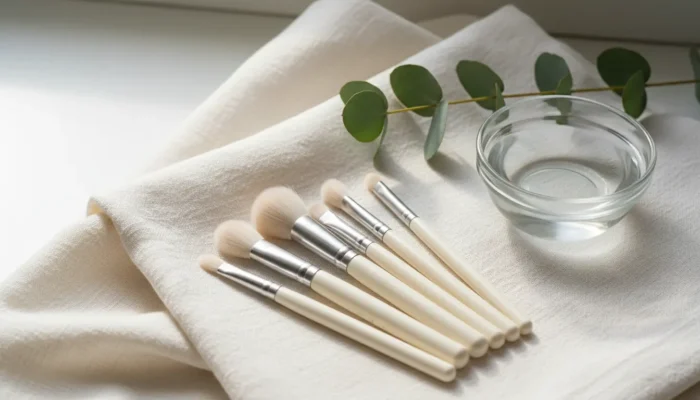
- Clean brushes weekly. Bacterial buildup is a quiet driver of breakouts and irritation.
- Patch test new products on the inner forearm or behind the ear for 48 hours.
- Apply with warm, clean fingers where possible to reduce friction.
- Remove makeup with a balm or milk cleanser, never with wipes that drag the skin.
- Avoid layering more than three actives under makeup to limit reactivity.
- Mist with thermal water mid-day to refresh without disturbing the finish.
This hypoallergenic makeup routine is not about restriction. It is about precision. Fewer, better products, applied with intention, almost always outperform a crowded vanity.
Frequently Asked Questions
1. What is the best base product for a no-makeup look on sensitive skin?
A fragrance-free skin tint or serum foundation formulated with niacinamide, hyaluronic acid, or Centella Asiatica tends to perform best. These deliver light, even coverage while actively supporting the skin barrier, which is exactly what reactive skin needs from a daily base.
2. Can sensitive skin wear makeup every day without flare-ups?
Yes, provided the formulas are mineral-based, fragrance-free, and non-comedogenic, and the skincare underneath is consistent. Daily wear becomes a problem mainly when products contain known irritants or when removal is rushed. A gentle cleanse every evening is non-negotiable.
3. How is a no-makeup look different from simply skipping makeup?
Skipping makeup leaves the skin exposed to UV, pollution, and visible imperfections. A no-makeup look uses minimal, breathable products to even tone, add subtle radiance, and protect the surface, all while looking as though nothing has been applied at all. It is the difference between bare skin and intentionally polished skin.