

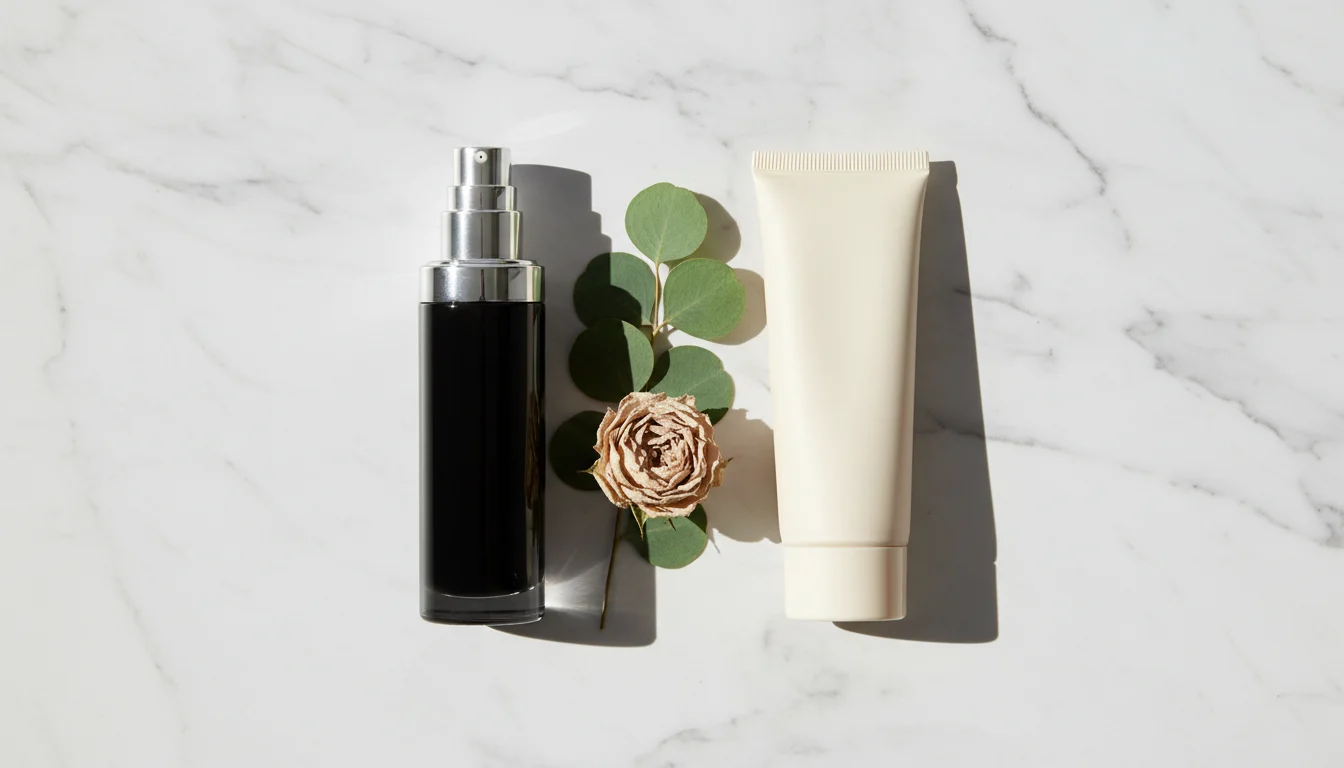
The makeup bag is open. There are two options sitting side by side — a full-coverage foundation and a lightweight tinted moisturiser. Both promise a better complexion. Both have their loyal fans. And yet, standing there in the morning light, it is genuinely hard to know which one to reach for.
This is a question that comes up constantly — and for good reason. The difference between Foundation vs Tinted Moisturiser is not just about coverage. It is about skin type, lifestyle, skin age, and what you actually want your skin to look and feel like throughout the day. Once that is clear, the choice becomes much easier.
—
What Is the Actual Difference Between Foundation vs Tinted Moisturiser?
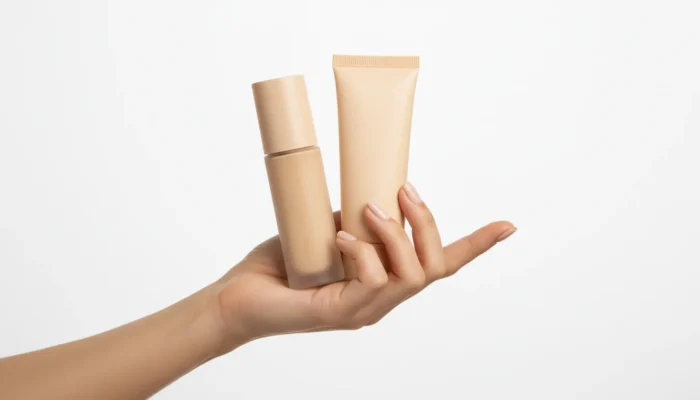
At their core, these two products serve different purposes — even if they look similar in the bottle.
Foundation
Foundation is a makeup product first. Its primary job is to even out skin tone, cover imperfections, and create a uniform base for the rest of your makeup. It typically contains higher concentrations of pigment, film-forming agents, and setting ingredients that help it stay in place throughout the day.
- Higher pigment concentration — more coverage
- Available in a wide range of finishes: matte, satin, dewy, luminous
- Longer wear time — often 8–16 hours with primer
- Requires more blending and application skill
- Can feel heavier on the skin, especially in warmer months
Tinted Moisturiser
A tinted moisturiser is a skincare-makeup hybrid. It delivers light, sheer coverage while simultaneously hydrating the skin. The pigment load is lower, the texture is lighter, and the finish is almost always natural or dewy. It is designed to enhance your skin rather than mask it.
- Lower pigment concentration — sheer to light coverage
- Hydrating base — often contains skincare ingredients
- Faster, easier application — fingers work just as well as a brush
- More breathable on the skin throughout the day
- Fewer shade options than foundation — though this is improving
The simplest way to think about it: foundation covers your skin, a tinted moisturiser improves it.
—
Foundation vs Tinted Moisturiser for Mature Skin — A Closer Look
Skin changes with age. It becomes drier, thinner, and more textured. Fine lines appear. Pores may look more prominent. And heavy, full-coverage products — while they cover imperfections — can actually settle into lines and make them more visible, not less.
This is why the conversation around foundation vs tinted moisturizer for mature skin matters so much. The wrong product choice can age the skin rather than flatter it.
What Works Best for Mature Skin
For skin in the 40s, 50s, and beyond, a tinted moisturiser vs foundation mature skin comparison almost always favours the tinted moisturiser — at least for everyday wear. Here is why:
- Tinted moisturisers sit on top of the skin rather than sinking into lines
- The hydrating base plumps the skin slightly, making fine lines less noticeable
- The natural finish looks more skin-like and less mask-like in natural light
- Lighter formulas are less likely to emphasise texture or dry patches
That said, if there are specific concerns — redness, hyperpigmentation, or uneven tone — a light-to-medium coverage foundation with a satin or luminous finish can work beautifully on mature skin. The key is avoiding anything matte or powder-heavy, which tends to emphasise dryness and texture.
When in doubt, a foundation vs skin tint approach works well for mature skin: use a skin tint daily and reserve foundation for evenings or occasions when more coverage is wanted.
—
Is Tinted Moisturiser Better Than Foundation?
Is tinted moisturizer better than foundation? The honest answer is: it depends entirely on what your skin needs.
A tinted moisturiser is better if:
- Your skin is generally even and you want a natural, no-makeup look
- You have dry or dehydrated skin that needs extra hydration throughout the day
- You prefer a quick, low-effort makeup routine
- You have mature skin that does not respond well to heavy coverage
- You are going for a fresh, skin-first aesthetic
Foundation is better if:
- You have significant redness, acne scarring, or hyperpigmentation to cover
- You need your makeup to last through a long day or a special event
- You prefer a more polished, defined makeup look
- You have oily skin that needs more control throughout the day
Many people find that the answer is not one or the other — it is both, used on different days for different occasions.
—
The Best Tinted Moisturisers Worth Knowing About
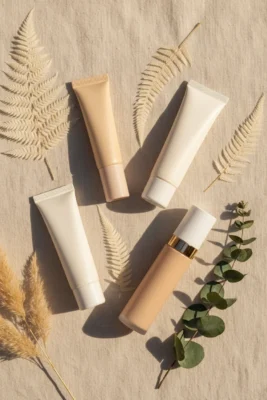
The market for tinted moisturisers has grown significantly, and the quality has improved enormously. Here are some of the most talked-about options across different price points.
Luxury Options
The NARS tinted moisturiser — often compared directly in the NARS tinted moisturiser vs foundation debate — is one of the most beloved in this category. It offers buildable, natural coverage with SPF 30, a lightweight texture, and a finish that genuinely looks like skin. The NARS foundation moisturiser range sits at a higher price point but consistently delivers.
The Laura Mercier tinted moisturiser is another cult favourite. It has been around for decades for good reason — the formula is hydrating, the coverage is flattering, and it works across a wide range of skin types. It is particularly popular for mature skin because of its skin-plumping finish.
The Clarins tinted moisturiser brings a skincare-forward approach, with plant-based ingredients and a formula that genuinely improves skin condition over time with regular use. It is a strong choice for those who want their makeup to do double duty.
Accessible Options
Not every great tinted moisturiser comes with a luxury price tag. The Garnier tinted moisturiser range offers solid, everyday options with SPF protection and a natural finish — ideal for those building a simple routine without a large budget.
The Nivea tinted moisturiser is another accessible option, particularly popular for its hydrating base and ease of use. It is a reliable everyday choice for those who want minimal fuss and a natural result.
The Dove tinted moisturiser leans heavily into the skincare side, with a formula focused on moisture and skin comfort. It is gentle, fragrance-light, and works well for sensitive or reactive skin.
What to Look for in the Best Foundation Moisturiser
When searching for the best tinted moisturiser or best foundation moisturiser, these are the qualities worth prioritising:
- SPF 30 or higher — sun protection built in is a genuine bonus
- Hydrating ingredients — hyaluronic acid, glycerin, or squalane
- A shade range that includes your undertone — warm, cool, or neutral
- A finish that suits your skin type — dewy for dry skin, satin for combination
- Minimal fragrance — especially important for sensitive skin
—
Scientifically Backed Ingredients to Look for in Both Products
Whether choosing a foundation or a tinted moisturiser, the ingredient list matters. These are the ones with genuine dermatological backing.
Hyaluronic Acid
A humectant that draws moisture to the skin’s surface and holds it there. In a tinted moisturiser, hyaluronic acid keeps the skin plump and comfortable throughout the day. It also helps the product blend more smoothly and sit more naturally on the skin.
Niacinamide
Niacinamide (Vitamin B3) regulates sebum production, strengthens the skin barrier, and reduces the appearance of pores. In a foundation or tinted moisturiser, it helps the product wear better and actively improves skin condition with daily use. It is particularly beneficial for oily or combination skin types.
Glycerin
One of the most effective and well-researched humectants in skincare. Glycerin attracts water from the environment and from deeper skin layers, keeping the surface hydrated and comfortable. It is gentle, non-comedogenic, and suitable for all skin types — making it a valuable ingredient in any base product.
Zinc Oxide (in SPF formulas)
Many tinted moisturisers include mineral SPF, with zinc oxide as the active filter. It provides broad-spectrum UV protection, is photostable, and is well-tolerated by sensitive skin. A tinted moisturiser with zinc oxide SPF is doing three jobs at once: hydrating, covering, and protecting.
Always consult with a healthcare professional before starting new treatments, particularly if you have a skin condition such as rosacea, eczema, or acne that may be affected by makeup formulations.
—
Expert Tip — And a Myth Worth Debunking
💡 Expert Tip
Apply your tinted moisturiser with clean fingers rather than a brush or sponge. The warmth of your fingertips helps the product melt into the skin more naturally, giving a more seamless, skin-like finish. Work from the centre of the face outward, and blend down the neck to avoid any visible lines.
🚫 Common Myth: “Tinted Moisturisers Are Only for Minimal Makeup Days”
A well-chosen tinted moisturiser can absolutely be the base for a full makeup look. Apply it first, let it set for a minute, then layer concealer where needed, add blush, bronzer, and eye makeup as usual. The result is a fresh, skin-forward base that does not look heavy or cakey — even with additional products layered on top. The foundation vs tint debate is not about how much makeup you wear. It is about what your base does for your skin.
—
How to Apply — Foundation vs Tinted Moisturiser
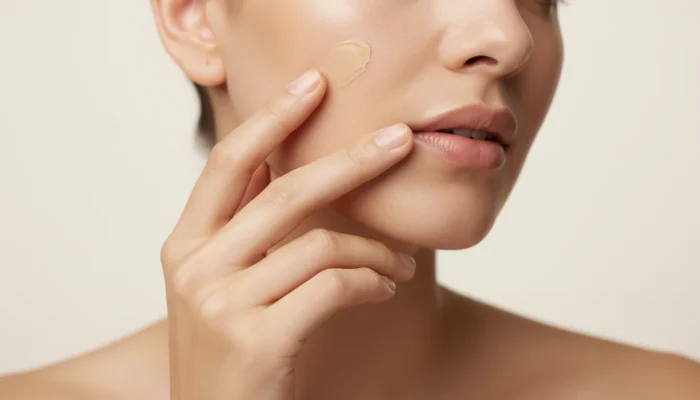
Applying Foundation
- Start with a clean, moisturised, primed face
- Apply with a damp beauty sponge or foundation brush for the most even finish
- Build coverage in thin layers rather than applying a thick layer at once
- Set with a light dusting of translucent powder if needed for longevity
Applying Tinted Moisturiser
- Apply to clean, moisturised skin — no primer needed
- Use fingers, a brush, or a sponge — all work well
- Blend quickly — the formula moves fast
- Layer concealer on top for any areas that need more coverage
- No setting powder needed — the natural finish is part of the look
—
Frequently Asked Questions
Is tinted moisturiser better than foundation for everyday wear?
For most people, yes — especially for daily use. A tinted moisturiser is lighter, faster to apply, more comfortable to wear, and gives a natural finish that suits most everyday situations. Foundation is better suited for occasions when more coverage or longer wear is needed. Many people use both — tinted moisturiser daily and foundation for evenings or events.
Which is better for mature skin — foundation or tinted moisturiser?
Tinted moisturiser is generally the better choice for mature skin. Heavy foundations can settle into fine lines and emphasise texture, while a lightweight tinted moisturiser sits on top of the skin, hydrates it, and gives a natural, flattering finish. For mature skin, look for formulas with hyaluronic acid and a luminous or satin finish — avoid anything matte or powder-heavy.
Can I use a tinted moisturiser instead of foundation and SPF?
Yes — if your tinted moisturiser contains SPF 30 or higher, it can replace both your foundation and your daily sunscreen in one step. This makes it an excellent choice for a simplified, efficient routine. Just ensure the SPF is broad spectrum and that you apply enough product to get the stated protection — about half a teaspoon for the face and neck.