

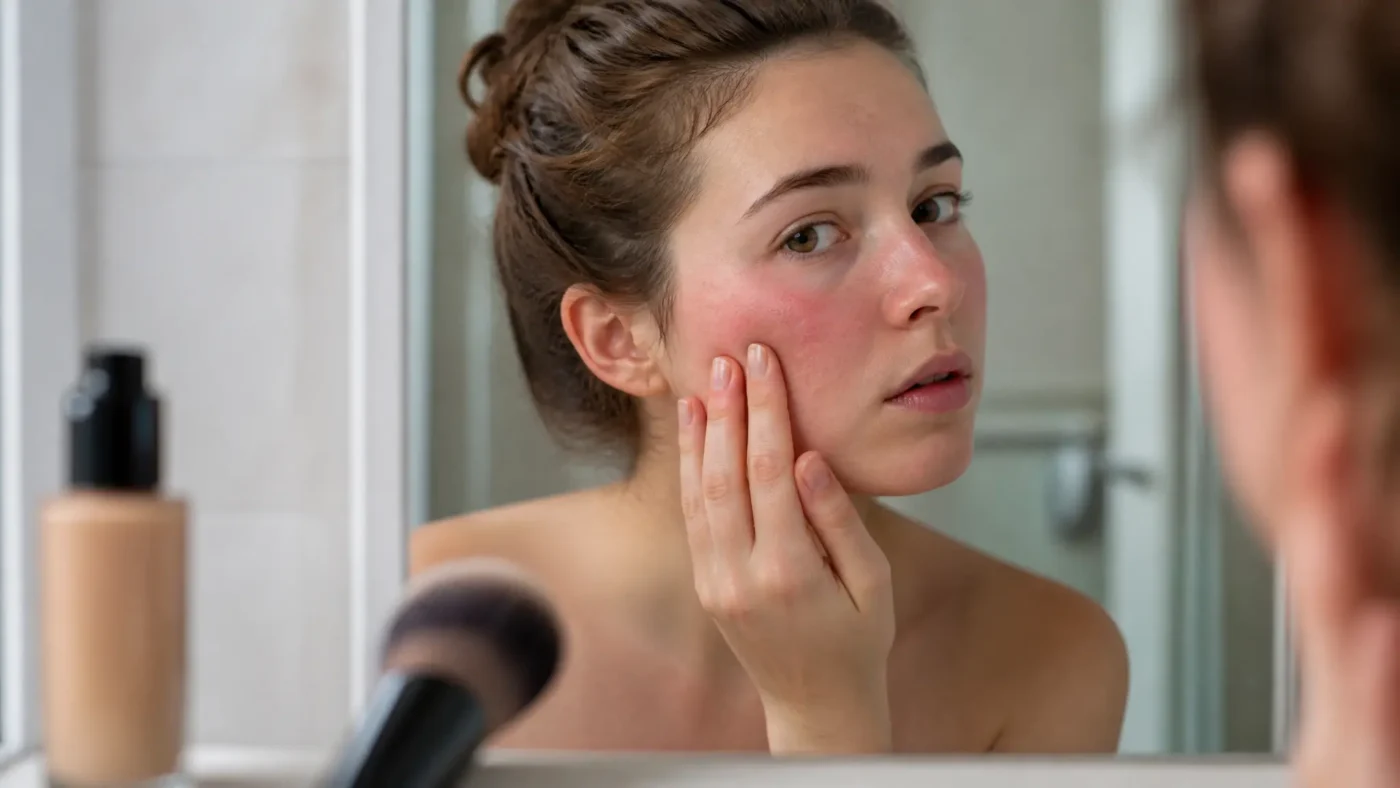
Few cosmetic issues cause as much confusion as a sudden flare-up from a long-favoured holy grail product. When a trusted formula suddenly triggers redness, itching, or swelling, most people assume the brand changed its formula or that the bottle went bad. But the true cause often lies deeper in dermal immunology. The reality of a makeup allergy skin reaction and cosmetic contact dermatitis is that immune recognition takes time, exposure, and a specific threshold of sensitization.
Irritation vs. Allergy: The Immunological Difference
Most people use “irritation” and “allergy” interchangeably. Dermatologically, they are entirely different processes with different timelines and different biology.
Irritant contact dermatitis is non-immunological. It happens when a substance directly damages keratinocytes, the structural cells of the skin barrier. It depends heavily on concentration, tends to appear within minutes or hours, and stays strictly confined to the area where the product touched the skin.
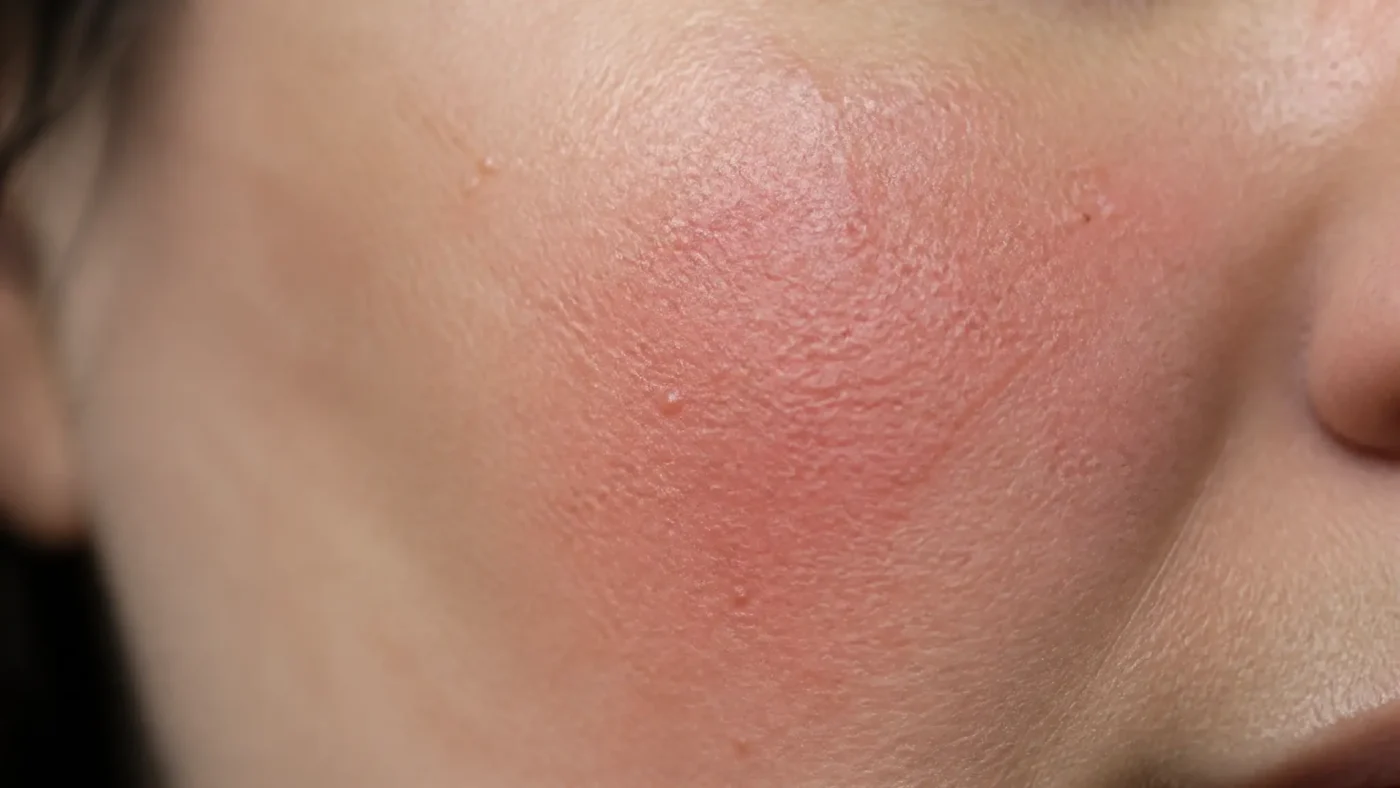
Allergic contact dermatitis is something else entirely: a cell-mediated Type IV delayed-type hypersensitivity reaction. It relies on memory T cells recognizing a specific chemical hapten they have encountered before. Reactions can take 24 to 72 hours, sometimes longer, to surface, and they can spread beyond the exact application site.
In short, irritation is barrier damage. Allergy is immune memory. Understanding which one you are dealing with changes everything about how you troubleshoot a reaction, and the broader landscape of problematic ingredients is covered in detail in Makeup Ingredients to Avoid.
The Sensitization Phase: How Immune Memory Quietly Builds
This is the part that confuses people most: why did a product behave perfectly for months, or even years, before turning on them? The answer is that sensitization is a two-step process — induction, then elicitation — and only the second step produces symptoms.
During the induction phase, low-molecular-weight chemical haptens penetrate the stratum corneum, bind to epidermal proteins, and get picked up by Langerhans cells, the skin’s resident antigen-presenting cells. Those cells migrate to nearby lymph nodes and train T lymphocytes to recognize the compound as a threat. Crucially, this entire phase produces zero visible symptoms.
The elicitation phase is what you actually notice. On a later exposure, applying the exact same product prompts the now-sensitized T cells to release pro-inflammatory cytokines, and allergic contact dermatitis follows. Your skin was not reacting “out of nowhere.” It was quietly building immunological memory in the background until it crossed a sensitization threshold.
The Usual Suspects: Fragrances, Preservatives, and Isothiazolinones
Patch-test data points repeatedly to a small set of ingredient categories responsible for the majority of cosmetic contact allergy.
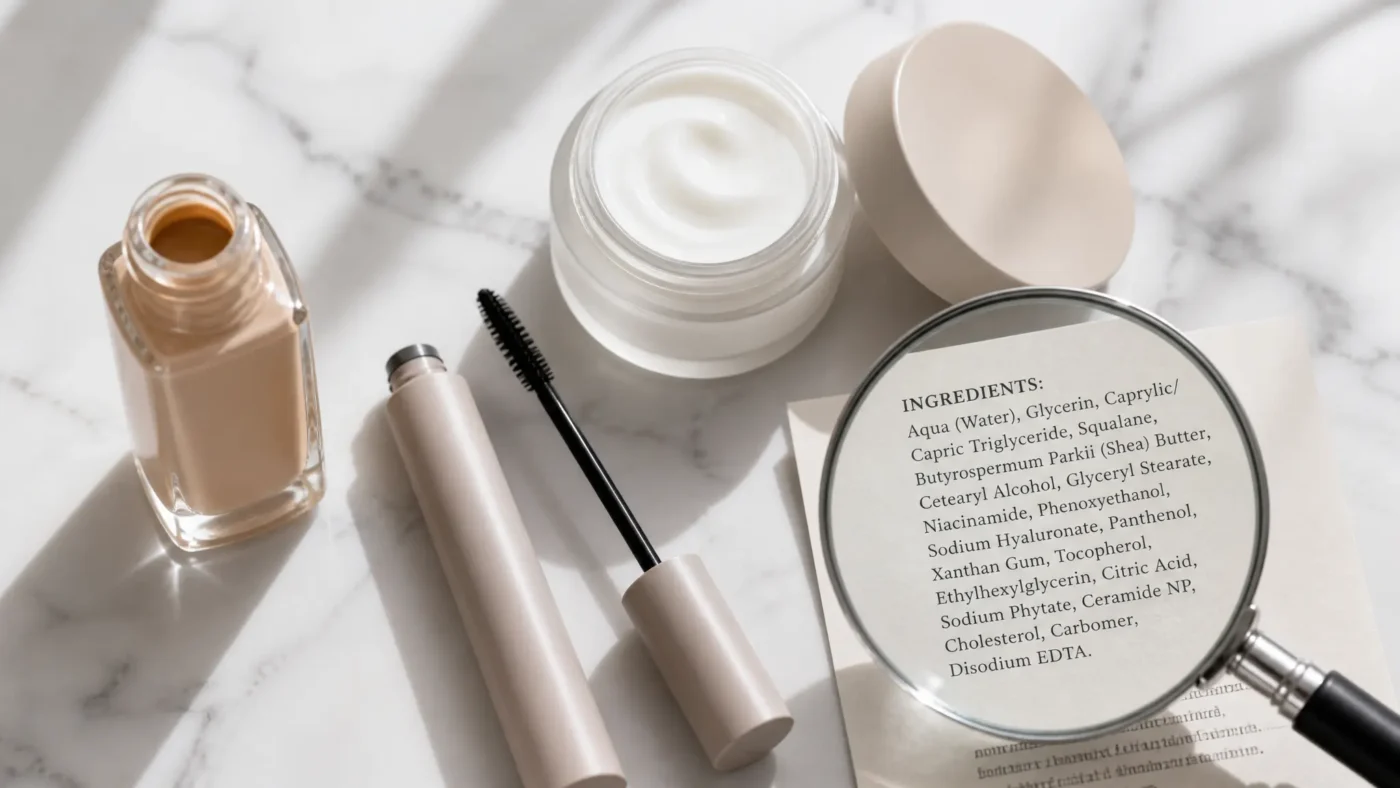
Fragrances remain among the most frequent sensitizers in cosmetics. Research suggests fragrance mix positivity affects roughly 1% to 10% of tested eczema and patch-test populations, according to a patch-test study on fragrance markers. Fragrance mixes and natural aromatic extracts oxidize on the skin, forming reactive haptens that were not present in the bottle itself.
Preservatives are essential for stopping microbial growth, but certain classes carry a high sensitization potential. Isothiazolinones, specifically Methylisothiazolinone (MI) and the combined Methylchloroisothiazolinone/MI mixture, triggered what dermatology literature describes as an epidemic of allergic contact dermatitis across Europe and beyond once they were introduced as standalone cosmetic preservatives. Evidence indicates this pattern is well documented in a study on MI and MCI/MI allergy rates and further detailed in a clinical series on MI contact allergy.
EU regulations now restrict MI in leave-on cosmetics, but exposure through rinse-off products or older formulations continues to sustain sensitization in a meaningful number of people.
Barrier Breakdown and Cross-Reactivity: What Weakens Your Tolerance
Sensitization thresholds are not fixed. Several factors can lower them, which explains why a reaction seems to arrive without warning.
Impaired barrier function, whether from over-exfoliation, harsh surfactants, weather changes, or active treatments like retinoids, allows haptens to penetrate deeper and more easily. That accelerates Langerhans cell activation and effectively shortens the road to sensitization.
Cross-reactivity adds another layer of complexity. T-cell receptors can recognize chemically similar molecules, not just the exact one that trained them. Being sensitized to a preservative or fragrance compound in one product means a brand-new product containing a structurally similar molecule can trigger an immediate allergic response, even on first use of that “new” item.
This is also where the “clean” versus “traditional” distinction breaks down. Natural botanical extracts and essential oils contain complex mixtures of terpenes that oxidize into strong sensitizers, meaning plant-based products are just as capable of inducing contact allergy as synthetic ingredients. The debate surrounding synthetic stability versus natural botanical complexity is explored further in Clean Makeup vs. Traditional Makeup.
How to Identify and Eliminate the True Trigger
Once a reaction is underway, the priority is calming the skin and narrowing down the culprit methodically, rather than guessing.
Start with immediate cessation: stop using all non-essential leave-on cosmetics. Simplify to a basic, fragrance-free, inert cleanser and a plain petrolatum or minimal moisturizer until the barrier calms down and inflammation subsides.
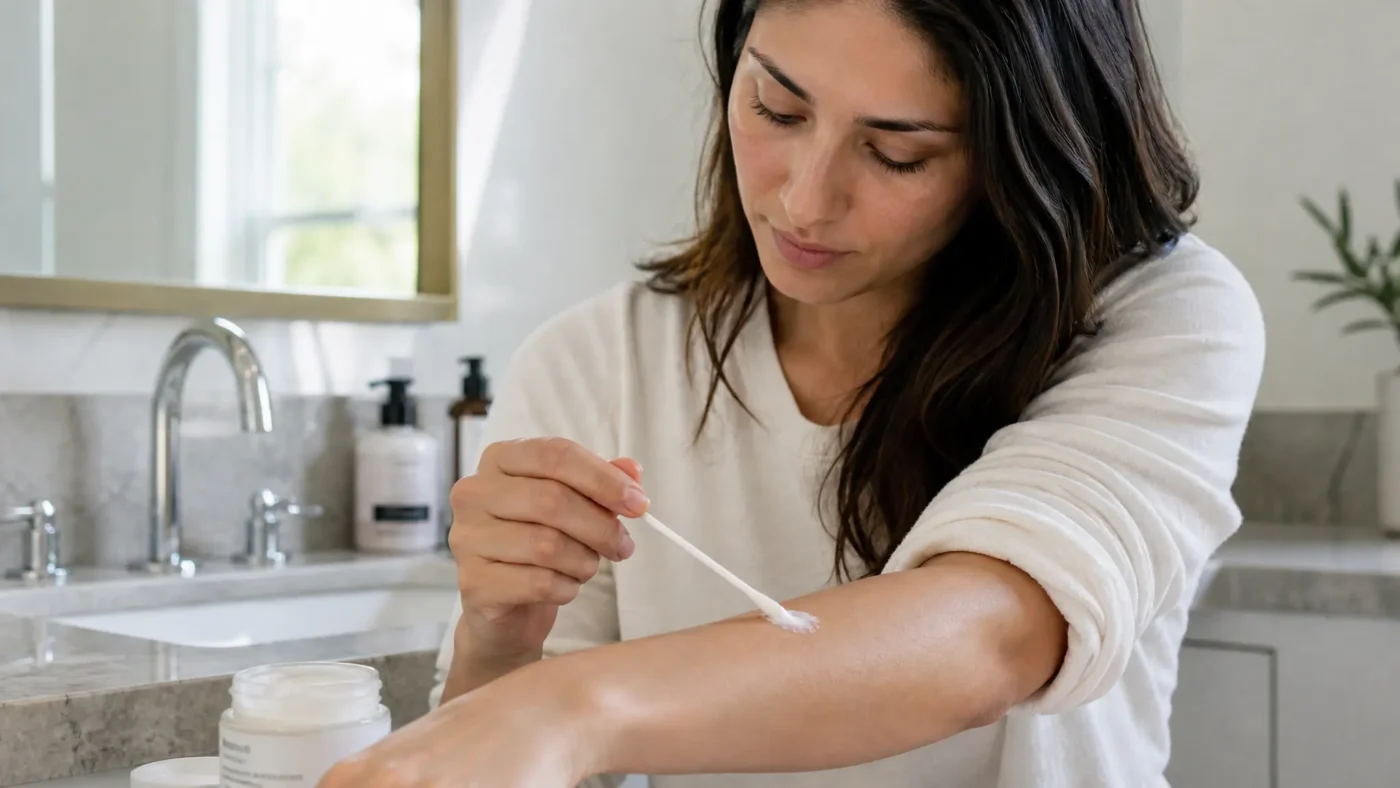
Before pursuing full clinical testing, the Repeated Open Application Test, or ROAT, is a useful home-based screening step. Apply a small amount of the suspected product to the inner forearm or side of the neck twice daily for up to seven consecutive days. If an inflammatory response develops, allergic contact dermatitis becomes highly probable.
Clinical patch testing remains the gold standard for definitive diagnosis. Unlike skin prick tests used for environmental or food allergies, which are IgE-mediated, patch testing evaluates cell-mediated Type IV allergy by placing standardized allergen chambers on the back for 48 to 96 hours, allowing dermatologists to pinpoint the exact hapten responsible.
FAQ
Why did my skin react to a makeup product I have used for years?
Because allergic contact dermatitis requires a sensitization phase. Your immune system repeatedly processed the ingredient without outward symptoms until it recruited enough sensitized T cells to reach an immunological tipping point. Once sensitized, subsequent applications trigger a visible allergic reaction.
How can I tell the difference between a makeup allergy and skin irritation?
Irritation usually causes burning or stinging within minutes to hours of application and stays strictly confined to where the product was applied. An allergic reaction typically involves intense itching, swelling, or small blisters, appears 24 to 72 hours after application, and can spread slightly beyond the original application site.
Are natural and organic makeup products less likely to cause allergies?
No. Essential oils, floral waters, and plant extracts contain dozens of complex aromatic compounds, such as linalool and limonene, that readily oxidize into potent sensitizers. Synthetic ingredients are often more refined and chemically predictable than multi-component botanical extracts.
Can a makeup allergy ever go away on its own?
Generally, no. Immunological memory established by T cells persists long-term, often indefinitely. Once fully sensitized to a specific chemical hapten, re-exposure will almost always trigger a reaction, making strict avoidance of that specific ingredient the only effective long-term solution.