

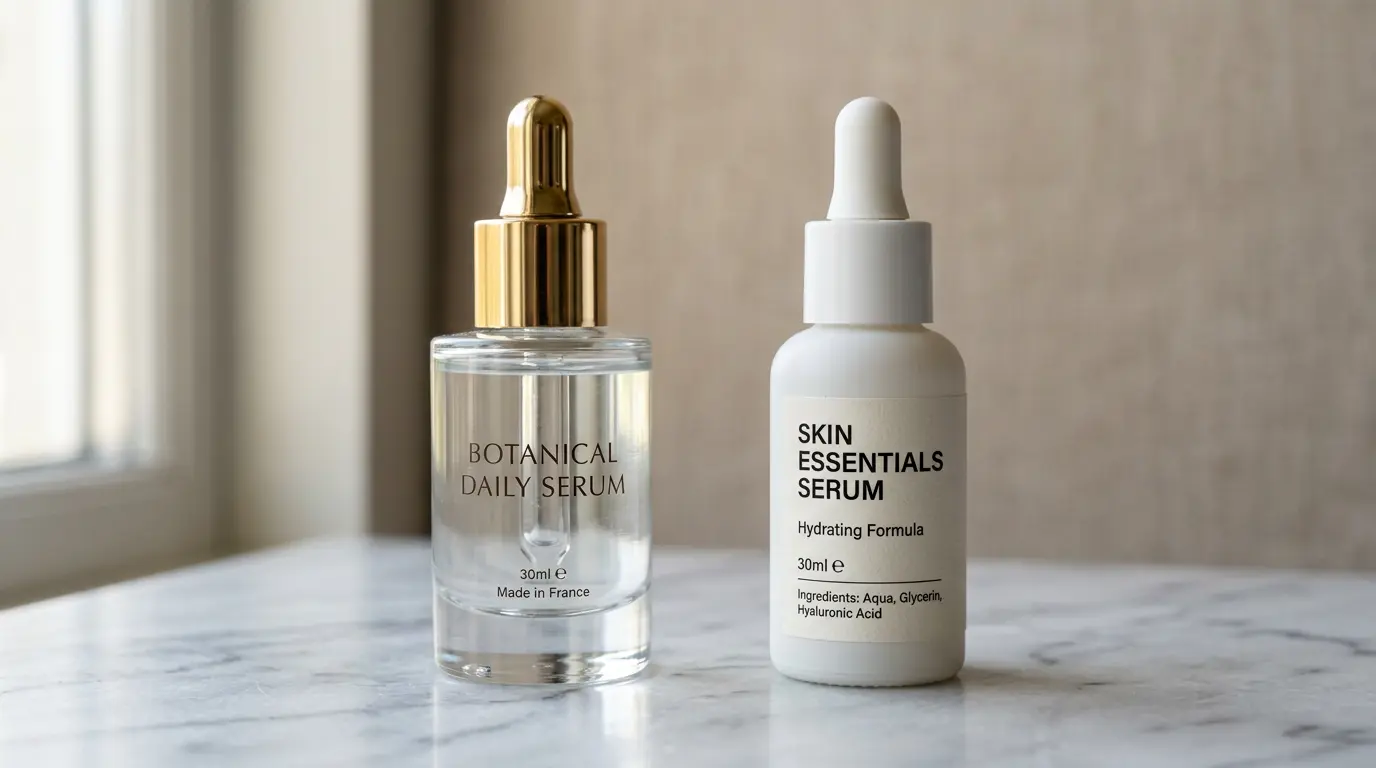
A higher price tag on a cosmetic bottle inevitably creates an expectation of superior clinical performance. However, evaluating price vs efficacy skincare claims requires dismantling the assumption that monetary cost correlates directly with biological activity on human skin. When dissecting expensive vs cheap skincare science, cosmetic chemistry reveals that active ingredient cost is often a small fraction of retail pricing. Understanding how manufacturing budgets, delivery vehicles, and active concentrations intersect helps clarify whether a luxury serum delivers measurable skin changes or merely luxurious sensory experiences.
The Cost of Active Ingredients: Raw Materials vs Retail Price
High-performance active ingredients—standard L-ascorbic acid, niacinamide, retinol—are relatively inexpensive bulk raw materials, widely accessible to mass-market and luxury manufacturers alike. Neither tier holds a monopoly on the molecules that actually change skin behavior.
Specialized, patented compounds—bio-engineered peptides, stabilized liposomal carriers, rare botanical fermentates—do carry higher raw material costs. But clinical research on active ingredient formulation and cost factors indicates these premiums rarely justify a tenfold markup on their own.
The majority of retail price inflation in prestige skincare goes toward custom heavy glass packaging, fragrance profiling, celebrity endorsement, and extensive marketing campaigns rather than formula chemistry. A product’s price tag, in other words, reflects commercial positioning far more than raw ingredient quality.
This does not mean price is meaningless. It means price is a poor proxy for potency, and the two variables need to be evaluated separately by anyone trying to make an informed purchase.
Formulation Chemistry: Where the Money Actually Goes
True cosmetic chemistry innovation focuses on active molecule stability and stratum corneum penetration, not exotic ingredient storytelling. This is the quieter, less glamorous half of the price equation.
Formulating stable L-ascorbic acid at a low pH of roughly 3.5, alongside supporting antioxidants like ferulic acid and vitamin E, requires precise chemical balancing. Research on topical vitamin C stability, pH, and skin absorption confirms this is a genuine formulation challenge—yet mass-market labs can and do replicate this efficacy at low cost once the chemistry is solved.

Advanced delivery vehicles, such as encapsulated retinoids or multi-molecular-weight hyaluronic acid complexes, enhance penetration depth and user tolerance without requiring a luxury-level price tag. Delivery science has diffused across price tiers faster than marketing narratives suggest.
Comparing ingredient performance across different price tiers and formulation philosophies is detailed in La Roche-Posay vs Niche Skincare, where pharmacy-grade formulation is weighed against boutique positioning.
Clinical Testing: Real Data vs Marketing Studies
Premium brands frequently tout clinical results, but consumers must distinguish between objective dermatological measurements—corneometer hydration readings, cutometer elasticity tests—and subjective consumer perception surveys. The two are not interchangeable, though marketing language often blurs them.
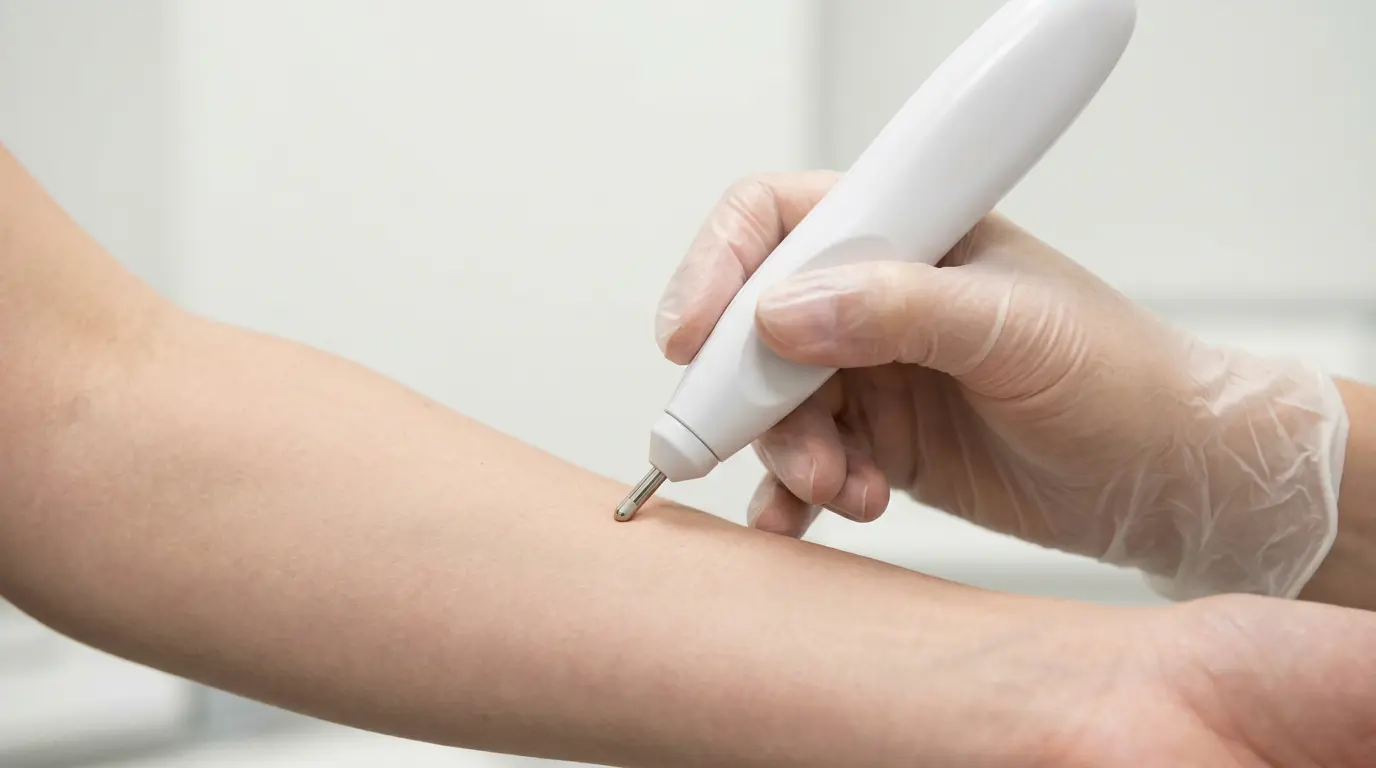
Third-party double-blind, vehicle-controlled trials are expensive to run. Some high-end brands fund them, but dermatological review of clinical trial standards and cosmetic claims notes that many brands instead rely on small sample size perception panels measuring satisfaction rather than biological change.
Evidence indicates that mass-market pharmaceutical beauty conglomerates often possess larger clinical trial datasets and R&D budgets than boutique luxury brands charging five times as much. Scale, in this instance, can outperform prestige.
Dissecting high-end luxury claims, proprietary technology, and clinical justification is examined in Noble Panacea Skincare Review, a useful case study in separating substantiated claims from aspirational ones.
The Placebo Effect and Sensory Experience in Luxury Beauty
Sensory attributes—custom fragrances, silky silicone textures, heavy magnetic packaging—profoundly influence how a consumer perceives efficacy. None of these attributes are biologically inert; they simply operate on psychology rather than the epidermis.
Consumer psychology research indicates that higher price points trigger a stronger expectation-driven placebo effect, leading users to perceive greater skin improvements from expensive formulas, according to a study on consumer price perception, expectations, and efficacy evaluation. Expectation, it turns out, is measurable.
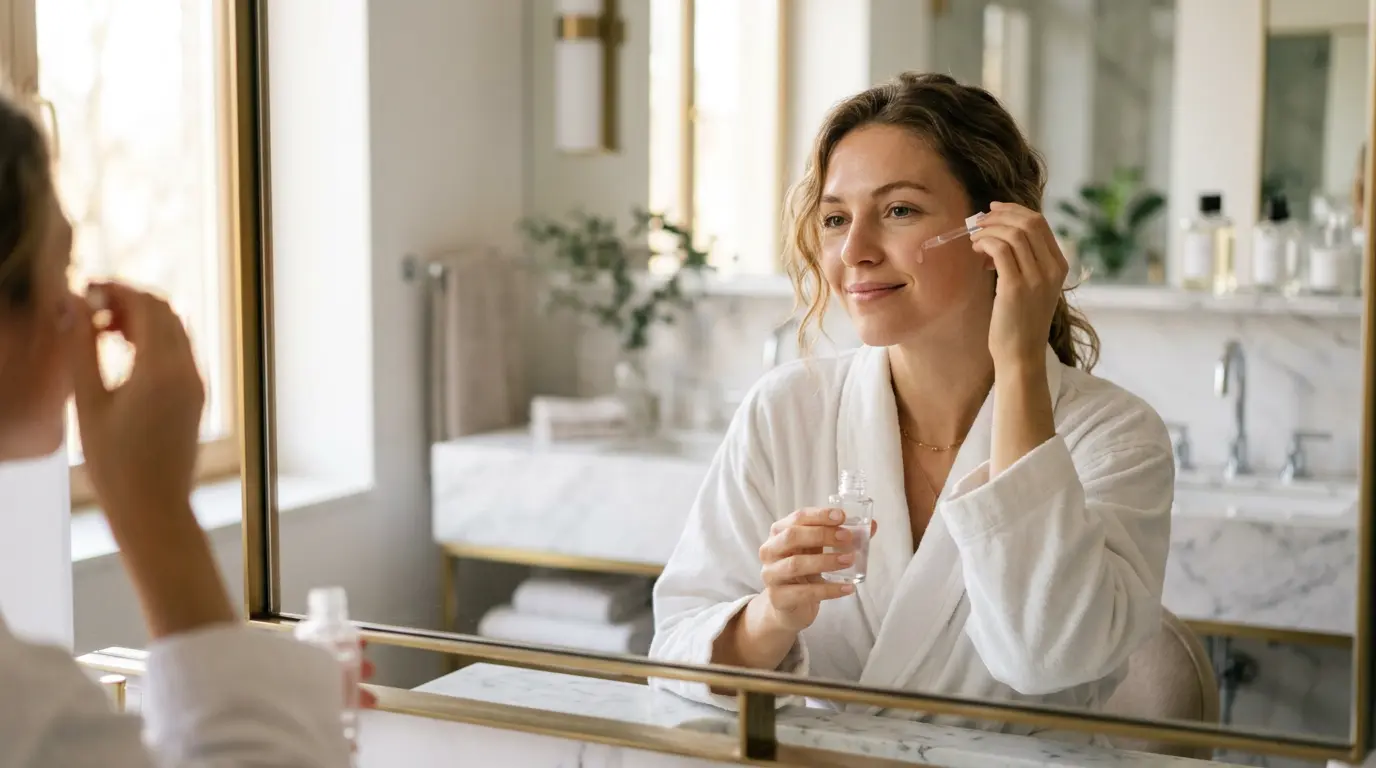
A pleasant sensory profile encourages consistent product usage, which is often the true hidden driver of skin improvement rather than any unique luxury active ingredient. Compliance, quietly, may matter more than chemistry.
Understanding how luxury positioning compares to niche formulation priorities is explored in Niche Skincare vs Luxury Skincare.
How to Smartly Allocate Your Skincare Budget
Spend on targeted active serums. Invest in well-formulated, stabilized active treatments—retinoids, vitamin C, advanced peptide complexes—where delivery technology and formulation stability directly impact results.
Save on basic functional steps. Cleansers, basic hydrating toners, and simple occlusive moisturisers perform mechanical tasks, such as surfactant cleansing and barrier support, where budget formulas work just as effectively as €150 luxury versions.
Prioritize daily sunscreen. Sunscreen efficacy is strictly regulated by SPF and UVA testing; a comfortable, affordable sunscreen worn daily outperforms an expensive luxury SPF used sparingly.
Evaluate INCI placement. Check active ingredient positions relative to base solvents to ensure you are paying for functional active concentrations rather than trace amounts placed near the end of the list.
FAQ
Does a €150 serum work 7 times better than a €20 serum?
No. Biological skin responses follow a curve of diminishing returns. While a €150 serum may offer a more refined sensory feel, superior packaging, or complex active encapsulation, its actual clinical efficacy on skin cellular turnover or hydration will rarely be 7 times greater than a scientifically formulated €20 product.
Which skincare steps are worth spending more money on?
Complex active treatments—specifically stabilized vitamin C serums, prescription or advanced encapsulated retinoids, and targeted multi-peptide formulas—are worth a moderate price investment due to the technical challenges of active stability and skin penetration.
Why are some luxury skincare products so expensive if the ingredients are cheap?
Luxury skincare pricing accounts for high overhead costs outside of formula bulk. These include custom packaging engineering, extensive marketing campaigns, retail placement margins, luxury brand positioning, and sensory fragrance formulation, rather than pure active ingredient costs.
Can cheap skincare be just as safe and effective as luxury skincare?
Yes. Products produced by established mass-market and pharmacy brands often undergo rigorous microbiological, stability, and safety testing. Because major conglomerates produce at massive scale, they can offer highly effective, clinically validated formulas at significantly lower retail prices.