

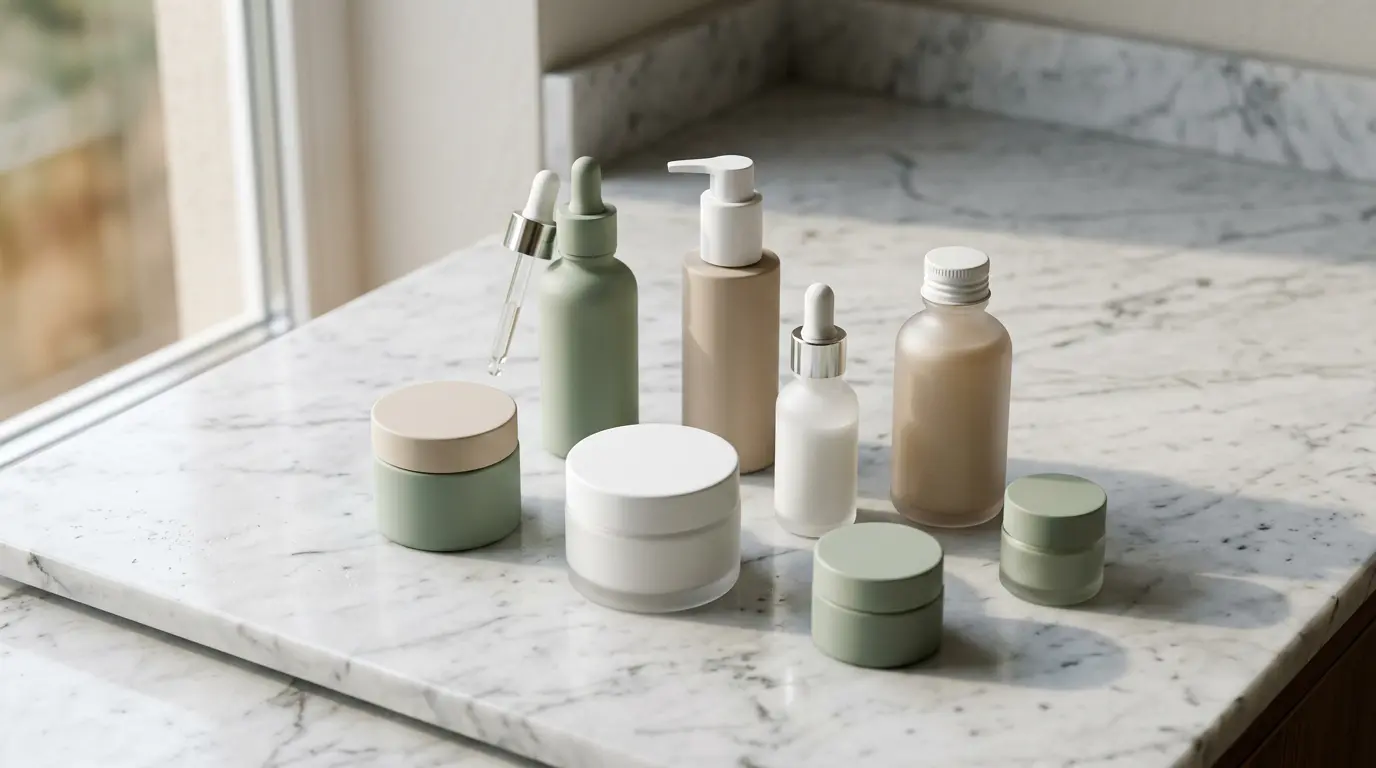
For decades, European luxury skincare was defined by signature scents and rich, aromatic botanical bouquets designed to evoke an opulent spa experience. Today, a quiet structural pivot is occurring across indie cosmetic labs as formulators intentionally eliminate both synthetic perfume and essential oils. The rise of modern fragrance-free skincare brands reflects a broader movement within fragrance sensitization niche beauty, driven by mounting clinical evidence surrounding allergic contact dermatitis and barrier disruption. Eliminating aromatic additives is no longer just a trend for compromised skin; it is fast becoming the standard for modern, high-efficacy formulation.
The Science of Fragrance Sensitization and Contact Dermatitis
Fragrance compounds sit near the top of the allergen list in cosmetic dermatology, and this applies to both synthetic fragrance chemicals and natural essential oil constituents. Dermatological evidence indicates that these volatile aromatic molecules are among the most frequent triggers of allergic contact dermatitis identified in patch-tested populations.
What makes fragrance allergy particularly deceptive is its mechanism. Sensitization is a cumulative, cell-mediated immune response: repeated low-dose exposure to volatile aromatic molecules can prime T-lymphocytes over time until an acute inflammatory threshold is breached. A product can feel perfectly tolerable for months, even years, before the same formula suddenly provokes redness, itching, or flaking.
Clinical review data on fragrance allergy and contact dermatitis epidemiology confirms that fragrance mixes are consistently among the top allergen triggers identified in European dermatology clinics. This is not a niche concern reserved for people with diagnosed sensitivities. It is a structural feature of how the skin’s immune system interacts with aromatic chemistry.
The key message for anyone parsing ingredient panels is this: fragrance-induced irritation is often invisible and cell-mediated long before it manifests as visible cutaneous inflammation. By the time redness appears, the underlying immune priming has usually been building for some time.
Essential Oils vs Synthetic Perfume: The Natural Fragrance Myth
A persistent assumption in beauty marketing holds that plant-derived scent is inherently gentler than laboratory-synthesized fragrance. Dermatological evidence does not support this distinction. Natural essential oils, drawn from sources such as lavender, citrus peel, and rose flower extracts, contain complex mixtures of volatile terpene compounds, including linalool, limonene, and geraniol.
The problem is not the terpenes themselves in their fresh, unoxidized state. It is what happens after the bottle is opened. When exposed to air and light, these natural terpenes undergo oxidation, forming reactive hydroperoxides that carry significantly higher skin sensitization potential than the original raw material. A study on essential oil oxidation and terpene hydroperoxide formation documents this shift in allergenic potential in detail.
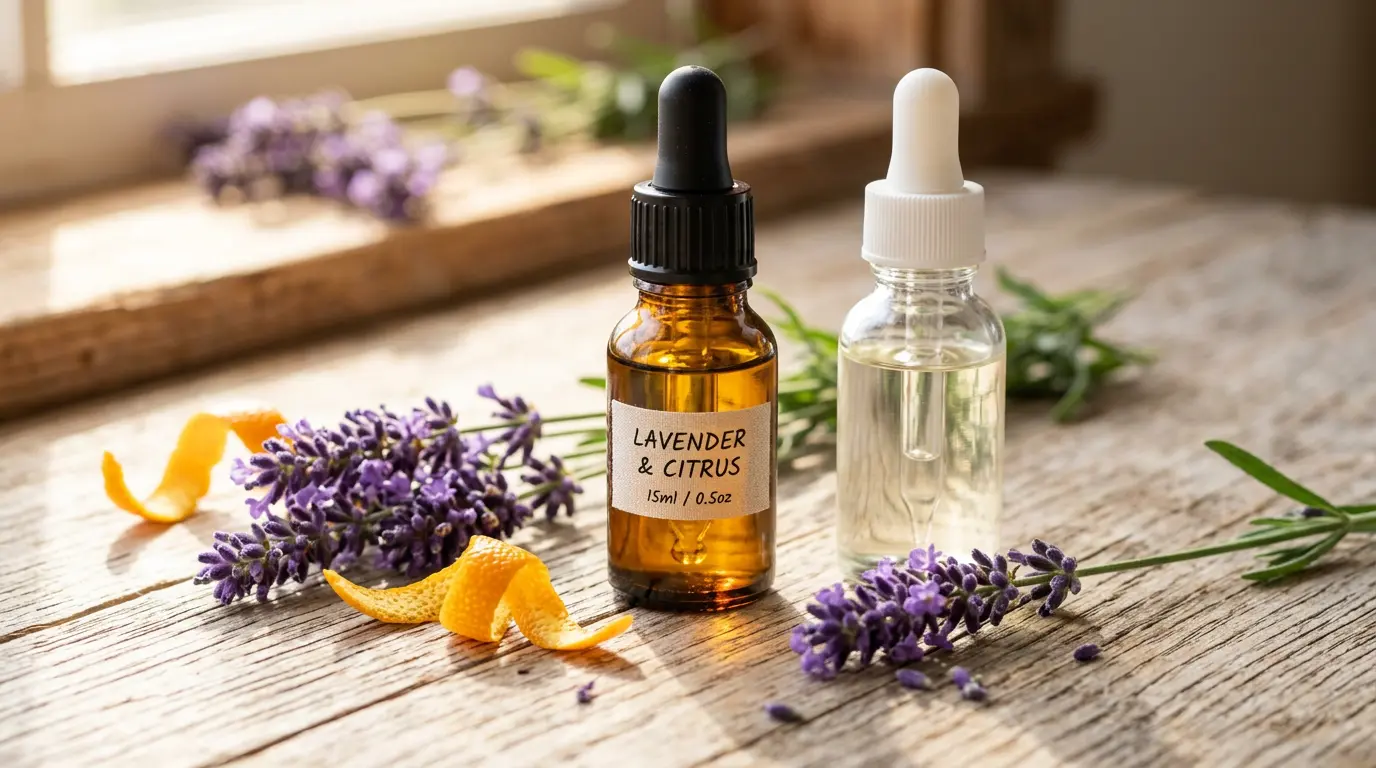
From a dermatological standpoint, immune cells react to chemical structures rather than origin stories. An oxidized natural terpene can provoke an immune response just as readily as a synthetic aromatic compound, and in some cases more readily, given how quickly hydroperoxides form once a product is opened and repeatedly exposed to ambient air.
This is precisely why formulators working with reactive, barrier-compromised skin increasingly treat “natural fragrance” as a marketing category rather than a safety category. Readers navigating this terrain in more depth will find that evaluating sensitive skin responses, botanical extracts, and barrier repair strategies is covered in Managing Sensitive Skin BioVelvet.
European Regulatory Pressures and Declared Allergens
Regulatory frameworks have played a direct role in accelerating the fragrance-free shift among European indie labels. Under Regulation (EC) No 1223/2009, brands were previously required to individually declare 26 specific fragrance allergens on the INCI label whenever present above designated threshold levels.
That list has since expanded considerably. Updated EU regulations have increased the roster of mandatory declarable fragrance allergens to over 80 individual substances, forcing brands to publish increasingly long allergen warning lists on already crowded packaging. For a niche formulator working with limited label space and a consumer base that reads ingredient panels closely, this creates a genuine design and compliance burden.
Rather than cluttering ingredient lists with potential irritant warnings that may deter cautious buyers, forward-thinking European formulators choose to remove aromatic compounds entirely. This simplifies regulatory compliance, shortens the INCI list, and removes a category of consumer anxiety altogether rather than managing it through disclosure.
The same regulatory logic underpins a broader move toward simplified, microbiome-conscious formulation. Exploring prebiotic formulation, microbiome balance, and gentle barrier care is analyzed in the Gallinée Review.
The Formulator’s Challenge: Unmasking the Raw Ingredients
Removing perfume sounds simple on paper, but it hands cosmetic chemists a much harder technical problem. Without a masking agent, formulators must expose the natural, raw biological odors of active ingredients, plant oils, and biotechnological ferments, many of which are not inherently pleasant.
Standard industrial fragrance has historically been used by manufacturers precisely to disguise unpleasant sulfur, fatty acid, or metallic notes inherent to high-performance active compounds. Peptides, certain fermented actives, and sulfur-containing antioxidants can carry distinctly unglamorous odors in their pure state, and perfume has long served as a convenient cover.

Developing stable, aesthetically pleasant unfragranced emulsions therefore requires higher ingredient purity, more selective raw material sourcing, and more advanced processing techniques than a fragranced equivalent. This is part of why fragrance-free formulation tends to concentrate among niche and indie labels with tighter quality control over sourcing, rather than mass-market lines built around cost efficiency.
The brands that succeed at this tend to treat the absence of scent as a formulation constraint that improves rigor rather than a limitation to work around. Analyzing clean, highly biocompatible formulations engineered for sensitive skin is examined in the Twelve Beauty Review.
How to Identify Truly Fragrance-Free Products
Label literacy matters more than marketing language in this category. The first distinction worth making is between “fragrance-free” and “unscented.” Unscented products often contain neutralizing masking fragrances to cover raw chemical odors, whereas genuinely fragrance-free products contain no added aromatic compounds at all.
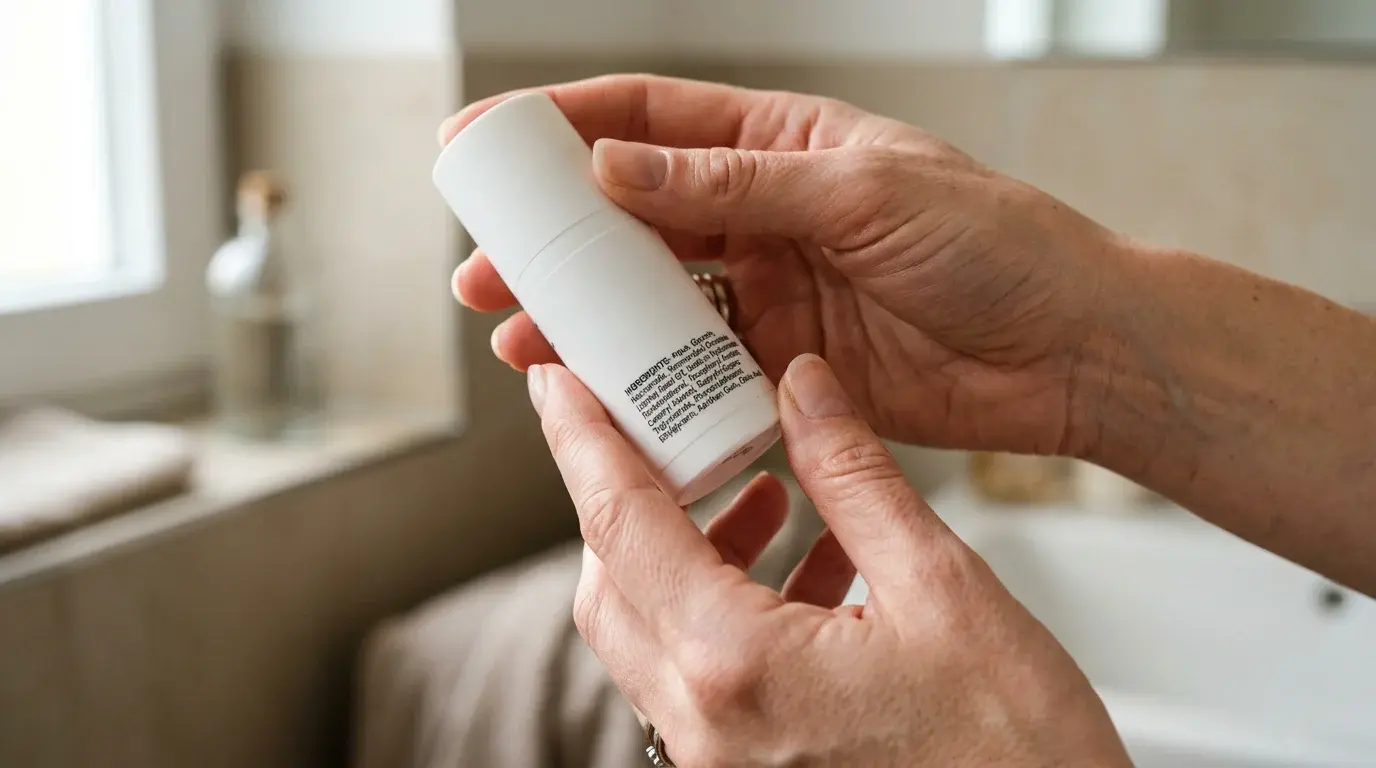
Beyond that headline claim, it is worth scrutinizing the INCI list itself for hidden essential oils, floral hydrosols, and aromatic extract names ending in oil, extract, or water that function as natural perfume in disguise. A product can market itself as free of “synthetic fragrance” while still containing several essential oils contributing sensitizing terpenes.
It also helps to watch for individual terpene isolates, such as linalool, limonene, citral, geraniol, and citronellol, listed near the end of the ingredient declaration. Their presence signals aromatic function even when the word “fragrance” never appears on the label.
For anyone who experiences frequent flushing, stinging, or reactive texture, the more useful strategy is to prioritize products designed around barrier repair, lipid replenishment, and minimal INCI lists rather than chasing a fragrance-free claim in isolation. The absence of scent is a starting point for tolerance, not a guarantee of it.
FAQ
Is “unscented” the same thing as “fragrance-free”?
No. “Fragrance-free” means no aromatic compounds, essential oils, or masking scents have been added to the formula. “Unscented” products may contain hidden masking fragrances designed to neutralize the natural odor of raw ingredients so the finished product smells neutral.
Why do natural essential oils cause skin allergy if they come from plants?
Skin immune cells respond to chemical structures, not an ingredient’s natural or synthetic origin. Essential oils contain volatile aromatic terpenes like linalool and limonene that oxidize when exposed to air, forming reactive compounds that frequently trigger allergic contact dermatitis.
Can I suddenly become allergic to a scented product I have used for years?
Yes. Allergic contact dermatitis is a cumulative immune response. Your skin can tolerate a fragrant compound over months or years until repeated exposure eventually crosses a threshold, triggering a sudden localized allergic reaction.
Are all natural plant extracts bad for sensitive skin?
No. Non-aromatic, soothing plant extracts, such as colloidal oatmeal, green tea extract, and centella asiatica, provide excellent anti-inflammatory and barrier-supporting benefits. Irritation risks primarily stem from volatile aromatic plant extracts and essential oils.