


The morning-after reflection is familiar territory: puffiness, dullness, a flush that lingers longer than the drinks did. But the real story of alcohol and skin aging unfolds far beneath that surface. As liver enzymes metabolize ethanol, a toxic intermediate compound floods into circulation and begins degrading dermal architecture at the cellular level. Understanding alcohol dehydration skin effects alongside this metabolic assault clarifies why last night’s cocktail leaves a mark that outlasts the hangover—and why occasional flushing eventually becomes structural damage.
The Acetaldehyde Cascade: How Alcohol Metabolites Attack Collagen
Ethanol itself is not the primary villain. Once ingested, it is metabolized by alcohol dehydrogenase into acetaldehyde—a highly reactive, cytotoxic compound that behaves nothing like its parent molecule. This intermediate does not simply pass through; it actively interferes with cellular machinery in tissues far from the liver, including skin.
Dermatological research suggests acetaldehyde stimulates oxidative stress within dermal fibroblasts, and this stress triggers upregulation of matrix metalloproteinases, specifically MMP-1 and MMP-9. These enzymes exist naturally to remodel tissue, but when overexpressed, they aggressively degrade type I collagen and elastin networks faster than the body can rebuild them, as detailed in clinical research on ethanol metabolism and extracellular matrix degradation.
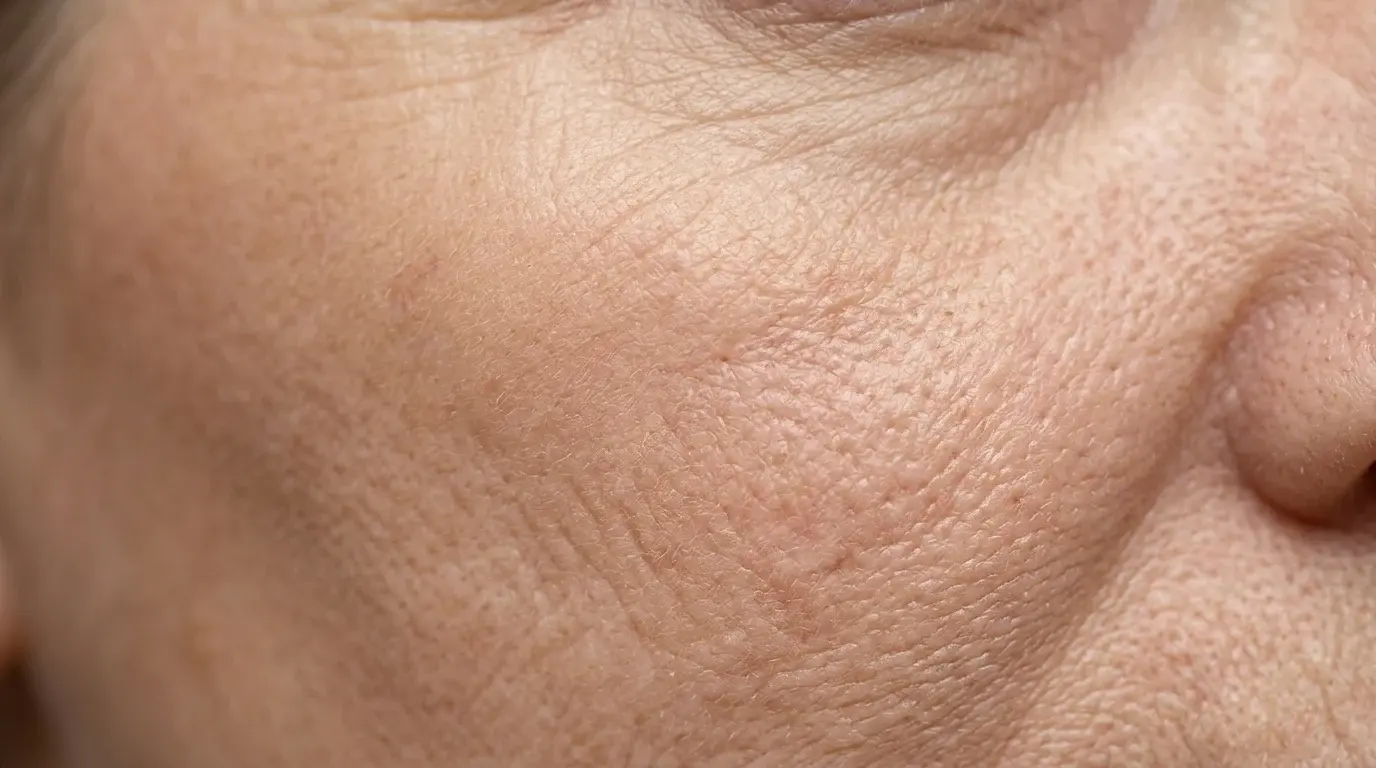
The consequence is not cosmetic in the superficial sense. By cross-linking structural proteins and impairing fibroblast function, acetaldehyde disrupts the skin’s capacity for structural renewal. Over repeated exposures, this manifests as premature sagging and a loss of facial tissue firmness that no serum can fully reverse.
Understanding how impaired moisture retention compounds structural collagen loss is detailed in Transepidermal Water Loss, where barrier dysfunction and protein degradation intersect.
Vascular Flush and Microvascular Breakdown: Rosacea, Redness, and Capillaries
The flush that appears within minutes of drinking is not simply heat rising to the surface. Acute alcohol intake triggers neurogenic vasodilation and relaxes vascular smooth muscle, producing an immediate surge in cutaneous blood flow. Evidence indicates this response involves inflammatory mediator release that amplifies the visible redness beyond what blood flow alone would explain, a mechanism outlined in clinical findings on cutaneous microvessel dilation and facial erythema.
A single flush resolves. Repeated engorgement does not resolve cleanly—it stresses capillary walls structurally. Clinical studies show that chronic, recurrent vascular dilation contributes to telangiectasia, the permanent visible spider veins that no longer depend on active drinking to appear.
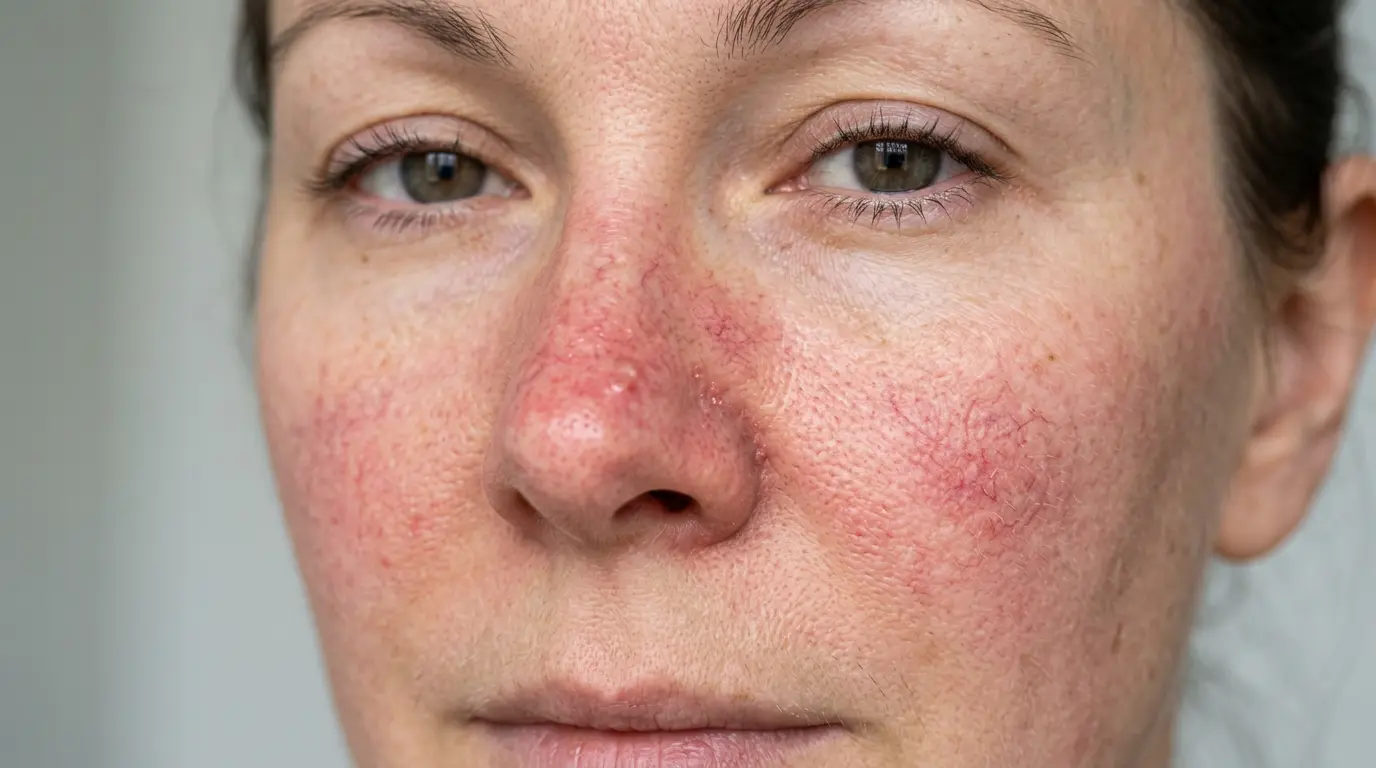
For individuals already predisposed to rosacea, alcohol functions as a potent and specific trigger. It releases pro-inflammatory neuropeptides that exacerbate papulopustular flares, turning an occasional social habit into a chronic inflammatory pattern etched into the skin.
Evaluating the mechanics of facial capillary perfusion and vascular elasticity is examined in Skin Microcirculation, which traces how repeated dilation reshapes vessel behavior over time.
The Diuretic Effect and Epidermal Barrier Breakdown: Acute vs. Chronic TEWL
Dehydration from drinking is not a folk explanation—it has a precise hormonal mechanism. Ethanol inhibits pituitary secretion of arginine vasopressin, the hormone responsible for water retention, inducing systemic diuresis and rapid fluid loss well beyond what was actually consumed as liquid.
This systemic dehydration reaches the skin directly. Reduced dermal volume and diminished stratum corneum water content elevate trans-epidermal water loss, compromising the barrier’s ability to hold moisture, according to clinical analysis on systemic dehydration and epidermal barrier impairment. This is the acute mechanism behind the tightness and dullness felt the morning after.
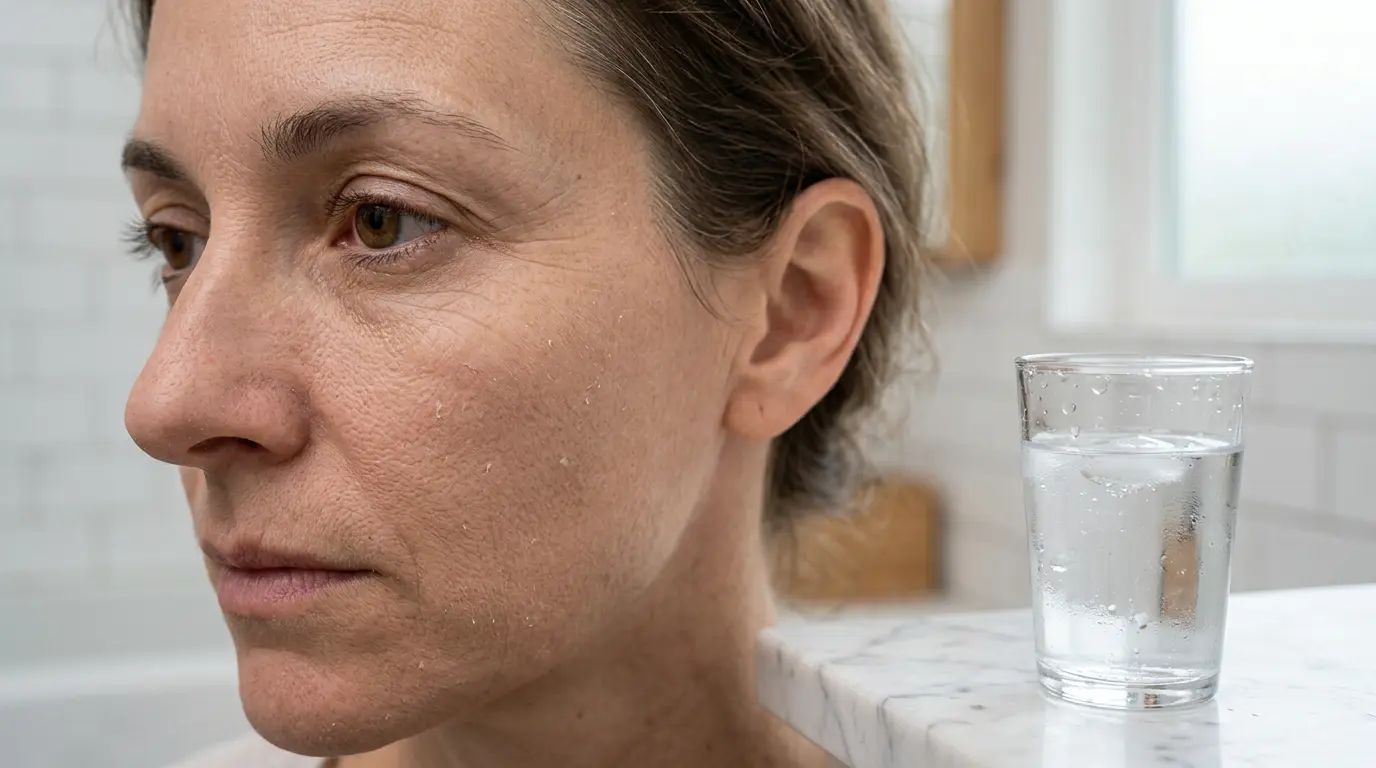
Chronic recurrence changes the equation further. Repeated barrier disruption impairs the skin’s natural ceramide production over time, leaving it increasingly reactive to environmental irritants and prone to persistent fine dehydration lines that no longer disappear with a glass of water.
Comparing systemic hydration strategies to topical moisture restoration mechanisms is explored in Hydration and Skin Health, which distinguishes what rehydrating from the inside can and cannot fix.
Spirits vs. Wine vs. Beer: Does Your Choice of Drink Change Skin Outcomes?
Drink selection shifts the details, not the underlying toxicology. Clear spirits like vodka and gin carry fewer congeners and less sugar, meaning fewer secondary chemical irritants—but the core ethanol toxicity and dehydration risk remain identical regardless of how clean the pour looks.
Red wine complicates the picture differently. It contains antioxidant compounds like resveratrol, yet its high histamine and sulfite content frequently provokes intense facial flushing and inflammatory responses, particularly in skin already prone to sensitivity or rosacea.
Sugary cocktails and beer introduce a separate liability entirely. Combining ethanol toxicity with a high glycemic load drives the formation of advanced glycation end-products, which stiffen dermal collagen through a pathway independent of, but compounding, ethanol-induced damage. In practice, the mixer may matter as much as the alcohol itself.
The Final Verdict: Can Your Skin Recover From Regular Drinking?
Occasional, moderate ethanol exposure is generally within the body’s repair capacity. Evidence indicates acute oxidative stress from a single evening can largely be resolved through normal cellular turnover, though physiological responses vary based on individual metabolic capacity, including how efficiently one’s alcohol dehydrogenase and aldehyde dehydrogenase enzymes clear acetaldehyde.
Frequency changes the calculus entirely. Repeated exposure creates cumulative structural degradation in collagen networks and microvessels that outpaces the skin’s remodeling capacity, converting a recoverable acute event into a chronic dermatological pattern.
Mitigating post-drinking cutaneous damage in the short term involves active electrolyte rehydration, topical barrier reinforcement with ceramides, and giving cellular recovery adequate time between exposures. But surface interventions have limits. Long-term preservation of dermal elasticity ultimately depends on moderating systemic alcohol intake rather than compensating for it afterward.
FAQ
Why does alcohol cause facial puffiness the morning after drinking?
Facial puffiness results from a combination of systemic dehydration and compensatory fluid retention. As alcohol dehydrates the body, tissues hold onto available water, while ethanol-induced vasodilation causes fluid to leak into surrounding facial soft tissue.
How long does it take for skin to recover after quitting alcohol?
Surface barrier hydration and reduced facial redness can improve within 7 to 14 days of abstention. Structural collagen recovery and normalized microvascular tone require several months as cellular turnover cycles replace damaged epidermal and dermal components.
Does drinking water while consuming alcohol prevent skin aging?
Drinking water helps offset acute systemic dehydration and reduces TEWL spike severity, but it does not neutralize toxic acetaldehyde production, ROS formation, or matrix metalloproteinase-induced collagen degradation.
Why does drinking alcohol cause dark circles under the eyes?
Alcohol disrupts sleep architecture, shortens REM cycles, and causes microvascular dilation. The thin, delicate skin beneath the eyes easily reveals dilated underlying blood vessels and fluid accumulation, creating dark, shadowy under-eye circles.