


You’re standing in a small, beautifully curated concept store — the kind that smells like cedar and possibility. There’s a cream on the shelf with minimal packaging, no celebrity face attached to it, no loud promises. You pick it up out of curiosity. You read the ingredient list. And something shifts. This is the moment many people describe when they first encounter BioVelvet. Not a campaign. Not an algorithm. Just a product that quietly, confidently speaks for itself.
That feeling — of discovering something real — is exactly what the world of niche skincare is built on. And for those with sensitive skin, that discovery can feel nothing short of life-changing.
What Makes Sensitive Skin So Difficult to Shop For
Sensitive skin is not a skin type in the traditional sense. It’s a condition — one that can overlap with dryness, redness, reactivity, or compromised barrier function. It flares unpredictably. It reacts to fragrance, alcohol, certain preservatives, even stress.
The mainstream beauty industry has responded with “gentle” lines that are often more marketing than science. Stripped-down formulas that do little. Heavily fragranced products labeled “natural” that still trigger reactions. For anyone who has spent years patch-testing and returning products, the frustration is deeply familiar.
This is where niche brands step in — and where BioVelvet has quietly built a loyal following.
Expert Myth Bust: Many people assume niche skincare means expensive and inaccessible. In reality, some of the best affordable skincare for sensitive skin comes from smaller, independent brands that prioritize formula integrity over advertising budgets. You’re paying for what’s inside the jar — not the billboard.
Best Niche Skincare for Sensitive Skin: Where BioVelvet Fits In
When exploring the best niche skincare brands, a pattern emerges among the ones that truly work: they are built around a specific skin concern, formulated with precision, and backed by dermatological thinking rather than trend cycles.
BioVelvet fits this profile exactly. It was developed with reactive, compromised, and sensitive skin at the center of every decision — from ingredient selection to texture to pH balance. The result is a range that feels considered rather than assembled.
If you’ve been asking yourself what is the best skincare for sensitive skin, the answer rarely lies in the most visible brands. It lies in the ones that have done the quiet, unglamorous work of understanding skin biology.
Why This Brand Stands Out
What separates BioVelvet from mass-market alternatives isn’t just the ingredient list — it’s the philosophy behind it.
Formula First, Always
BioVelvet formulas are built around barrier repair and skin resilience. Rather than layering active ingredients for maximum effect, the approach is calibrated — each component chosen for compatibility with reactive skin. There are no unnecessary fillers, no synthetic fragrance, no shortcuts.
Ethical and Transparent Production
The brand operates with a level of transparency that larger companies rarely offer. Ingredient sourcing is traceable. The production process prioritizes skin safety over shelf appeal. This matters — especially for sensitive skin sufferers who have learned, often the hard way, that what’s left out of a formula is just as important as what’s included.
A Different Kind of Luxury
Among the best niche skin scents and textures in the category, BioVelvet occupies a specific space: understated, skin-like, and deeply functional. The sensory experience is intentional — calming rather than stimulating, which matters when your skin is already in a reactive state.
—
BioVelvet Recovery Cream: A Closer Look
The BioVelvet recovery cream is the product most frequently mentioned in BioVelvet reviews — and for good reason. It addresses the core needs of compromised skin: hydration, barrier support, and inflammation reduction.
The texture is rich without being occlusive. It absorbs without leaving residue. For skin that has been over-exfoliated, exposed to harsh weather, or simply exhausted from reacting to everything, it functions as a reset.
BioVelvet cream users consistently describe a reduction in redness within days, improved texture over weeks, and — perhaps most tellingly — the ability to reintroduce other products into their routine that previously caused irritation. A repaired barrier changes everything.
Always consult with a healthcare professional before starting new treatments, especially if you have a diagnosed skin condition such as rosacea, eczema, or perioral dermatitis.
Scientifically Backed Ingredients
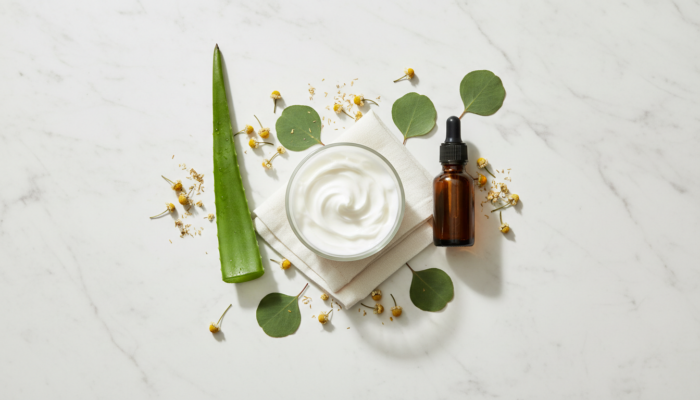
Understanding what’s inside BioVelvet products helps explain why they perform the way they do. Here are the key actives and what dermatology tells us about them:
Ceramides
Ceramides are lipid molecules that make up approximately 50% of the skin’s barrier. In sensitive and compromised skin, ceramide levels are often depleted — leading to transepidermal water loss (TEWL) and increased reactivity. Topical ceramides help restore the barrier’s structural integrity, reducing sensitivity over time.
Panthenol (Pro-Vitamin B5)
Panthenol is a humectant and skin-conditioning agent with well-documented anti-inflammatory properties. It supports wound healing, reduces irritation, and improves skin hydration. It’s one of the most well-tolerated ingredients across all skin types — including the most reactive.
Niacinamide
At lower concentrations (2–5%), niacinamide strengthens the skin barrier, reduces redness, and regulates sebum production without causing irritation. It’s one of the few multitasking ingredients that genuinely suits sensitive skin — and BioVelvet uses it thoughtfully, not aggressively.
Allantoin
Derived from the comfrey plant, allantoin is a keratolytic and soothing agent. It promotes cell regeneration, softens skin texture, and calms irritation. It’s particularly effective in recovery formulas designed for post-reaction or post-procedure skin.
Hyaluronic Acid (Low Molecular Weight)
Low molecular weight hyaluronic acid penetrates deeper into the epidermis than its high molecular weight counterpart, delivering hydration where the skin needs it most. For dehydrated, sensitive skin, this distinction matters significantly.
—
Who Is BioVelvet For?
BioVelvet is not a brand that tries to be everything to everyone. It’s built for a specific person — and that specificity is a strength.
It’s for the person who has tried everything and reacted to most of it. For the one who reads ingredient lists before anything else. For the minimalist who wants fewer products that actually work, rather than a ten-step routine that overwhelms already-stressed skin.
It’s also, increasingly, for the skincare enthusiast who has moved beyond the mainstream — who has discovered that the best niche skincare brands offer something that mass-market lines simply cannot: genuine formulation integrity.
How to Introduce BioVelvet Into Your Routine
For sensitive skin, introducing any new product requires patience. Here’s a simple approach:
- Patch test first. Apply a small amount to the inner arm or behind the ear for 48 hours before full application.
- Start with one product. The BioVelvet recovery cream is the ideal entry point — it’s the most universally tolerated and the most immediately impactful.
- Simplify your routine. When repairing a compromised barrier, less is more. Cleanser, recovery cream, SPF. That’s often enough.
- Give it time. Barrier repair is not instant. Expect to see meaningful results after 4–6 weeks of consistent use.
- Reintroduce actives slowly. Once the barrier is stronger, you can begin layering in other products — but do it one at a time.
—
Why BioVelvet Is a Must-Try for Anyone With Reactive Skin
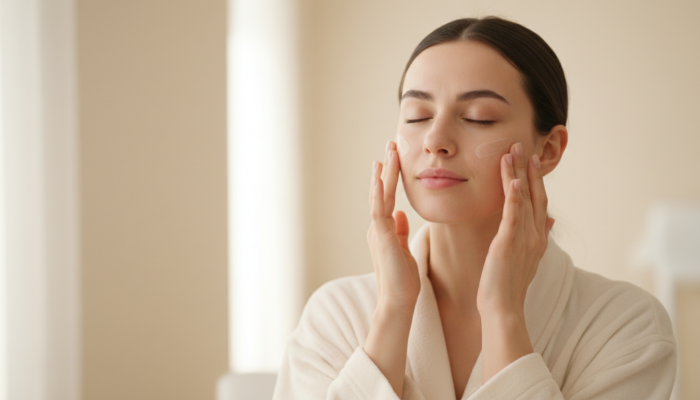
In a market saturated with promises, BioVelvet earns its reputation through results. The BioVelvet reviews that circulate in skincare communities — the kind written by people who have tried dozens of products before — share a consistent thread: this is the one that finally worked.
It’s not dramatic. It doesn’t promise overnight miracles. What it offers is something more valuable: a formula that respects the skin’s biology, supports its natural function, and doesn’t ask it to do more than it’s capable of.
For anyone navigating the overwhelming landscape of sensitive skin care, that kind of reliability is rare. And in niche skincare, rare is exactly the point.
—
Where to Find It
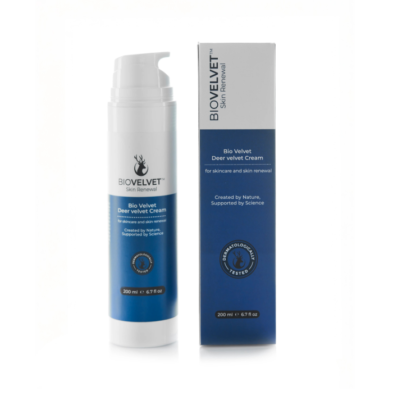
BioVelvet is available through select retailers and directly via their official store. For the best experience — and to ensure you’re receiving authentic product — purchasing directly from the brand is always recommended.
You can explore the full BioVelvet range here: Shop BioVelvet
Buying directly from the brand also means access to the most current formulations, better customer support, and — in many cases — exclusive bundles or introductory offers not available through third-party retailers.
—
FAQ: Best Niche Skincare for Sensitive Skin
Is BioVelvet suitable for all sensitive skin types, including rosacea-prone skin?
BioVelvet is formulated without common irritants such as synthetic fragrance, alcohol, and harsh preservatives, making it well-suited for rosacea-prone and reactive skin. However, individual responses vary — always patch test first and consult a dermatologist if you have a diagnosed condition.
What makes niche skincare better for sensitive skin than drugstore options?
Niche brands typically invest more in formulation quality and ingredient sourcing than in marketing. This often results in cleaner, more targeted formulas with fewer unnecessary additives — which is precisely what sensitive skin needs.
How long does it take to see results with BioVelvet recovery cream?
Most users report visible improvements in redness and texture within 2–4 weeks. Full barrier repair and long-term resilience typically develop over 6–8 weeks of consistent use.
Pingback: The Anti-Aging Edit: Niche Ingredients That Actually Work - Denyva