

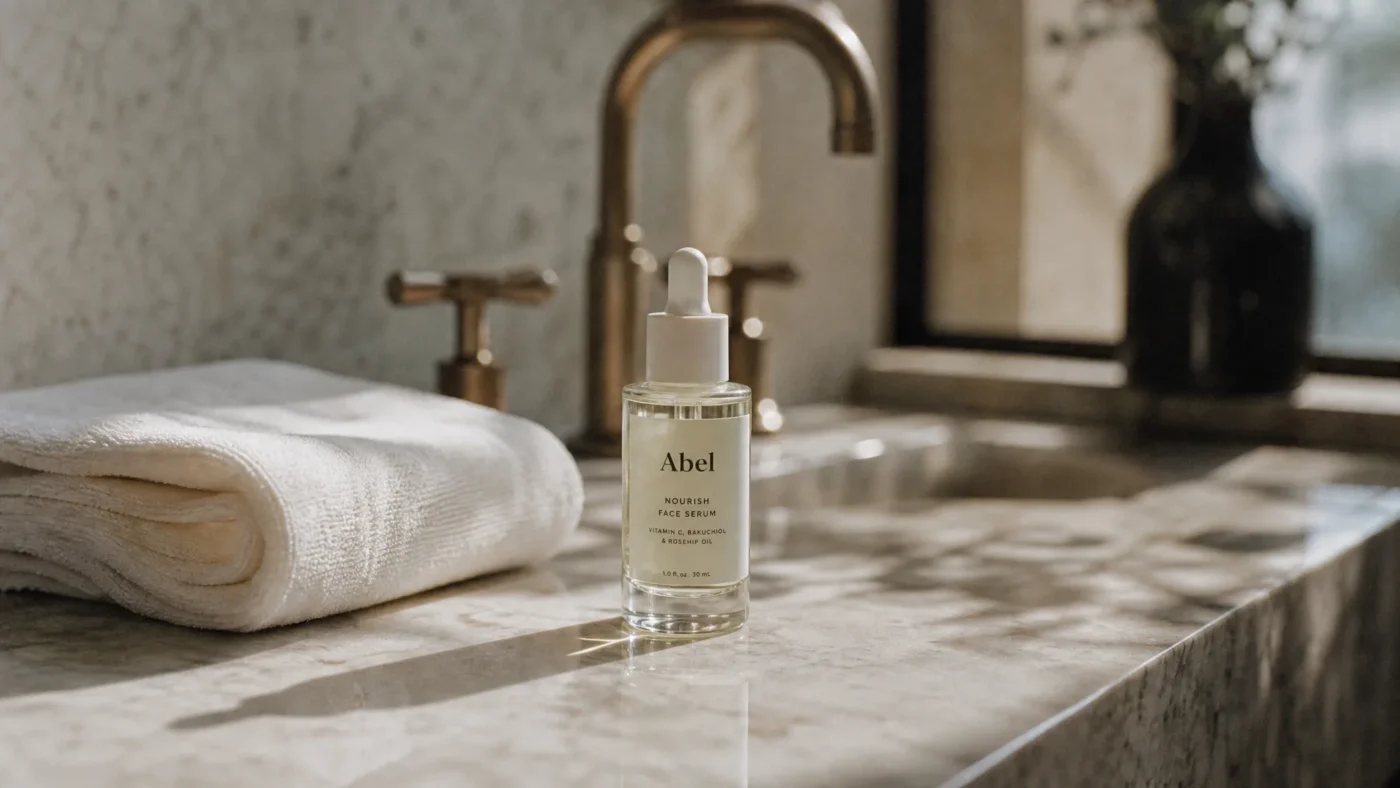
You wake up, look in the mirror, and your skin is not doing what you paid for. It’s tight, a little raw, and somehow more irritated than it was before you started all those serums. Sound familiar? The problem usually isn’t the products — it’s the pace. Using too many actives too often, without any breathing room, pushes skin past what it can actually handle. That’s the whole idea behind a skin cycling routine: a structured schedule that alternates active ingredient nights with intentional recovery nights. It sounds almost too simple. That’s because it kind of is, and that’s the point.
The Dermatology Science Behind Skin Cycling
Here’s the thing about expensive skincare: even the best formulas stop delivering when your skin barrier is compromised. Products that should be working just… don’t. If you’ve ever wondered why your serum isn’t doing much, a damaged barrier is often the answer. A stressed skin surface can’t absorb or respond to actives the way it’s supposed to.
The dermatologist skin cycling method isn’t a revolutionary new discovery born on TikTok. As a report by Dermatology Times on social media beauty trends makes clear, skin cycling is really just a catchy name for practices dermatologists have recommended for years: introduce retinoids slowly, don’t over-exfoliate, and give your skin time to recover. The concept went viral. The science behind it had been sitting in dermatology textbooks for decades.
And that science holds up. According to a clinical study published in PubMed Central on skin barrier tolerance and active ingredient use, the condition of the stratum corneum — the outermost layer of skin — directly determines how well your skin tolerates repeated active ingredient exposure. Push it too hard with retinoids, AHAs, and BHAs stacked night after night, and you get dryness, redness, and increased sensitivity. Recovery periods aren’t a nice-to-have. They’re what makes the whole thing work.
In plain terms: results come from what your skin can sustain over time, not from what you throw at it on any given night. Always consult with a healthcare professional before starting new treatments, especially if you’re using prescription-strength actives or managing a diagnosed skin condition.
Why Retinol Needs Recovery Time: The Science Behind Skin Cycling
Retinol is genuinely one of the most effective ingredients in over-the-counter skincare — for cell turnover, collagen support, and keeping skin looking like itself for longer. But it’s also the ingredient most likely to send people’s skin into full protest mode, especially in the first few weeks. There’s actually a name for that adjustment phase: dermatologists call it the retinisation period, and it comes with flaking, tightness, and some redness as skin acclimates. The mistake most people make is interpreting that irritation as a sign to push harder. It isn’t.
For sensitive skin especially, the approach needs to be slower and gentler. Guidance from the London Allergy Clinic on retinol use for sensitive skin describes a buffering technique called the “sandwich method” — you apply a lightweight moisturiser first, then your retinol, then seal with another layer of moisturiser on top. This slows the rate of absorption and cuts down on transepidermal water loss, making retinol noticeably more tolerable during those early tolerance-building weeks.
Within a skin cycling framework, retinol gets one dedicated night per rotation. That’s enough to keep it active and effective, while keeping cumulative irritation low. And if traditional retinol still feels like too much, there are genuinely good reasons to look at gentler retinol alternatives like retinaldehyde or bakuchiol — both can slot into the same cycle night with far less barrier disruption.
The longer view matters here too. Consistent, healthy cell turnover over months and years is one of the key contributors to skin that holds up well over time. But that only happens when the barrier stays intact. You can’t rush a process that depends on stability.
The Classic 4-Night Schedule
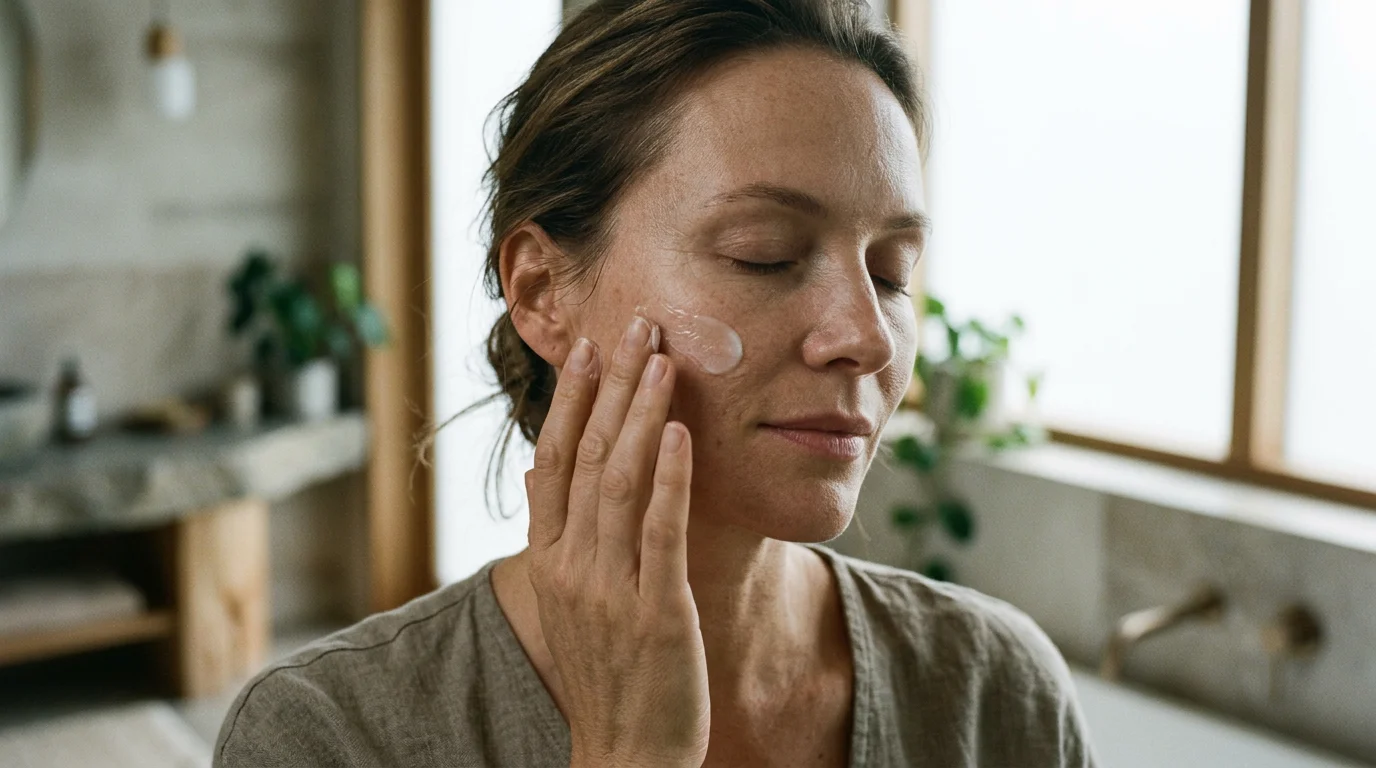
The standard skin cycling protocol runs on a four-night loop. Before you add any cycling structure, though, it’s worth making sure the basics are already in place. A gentle cleanser, a non-stripping moisturiser, and SPF every morning are non-negotiables. If you’re still figuring those out, getting your core morning and evening routine right first will make the cycling approach significantly more effective — and less confusing.
- Night 1 — Exfoliation Night: After cleansing, apply a single chemical exfoliant. An AHA (like glycolic or lactic acid) for surface texture and radiance, or a BHA (like salicylic acid) if congestion or blemishes are your main concern. Keep it to one exfoliant, follow with a simple fragrance-free moisturiser, and resist the urge to layer anything else on top.
- Night 2 — Retinoid Night: This is your retinol or retinoid night. Use the sandwich method if you’re in early tolerance-building mode. Skip the exfoliants and vitamin C — they don’t need to be here. A fragrance-free moisturiser to finish is all that’s needed.
- Night 3 — First Recovery Night: No actives at all. This night is entirely about replenishing — a ceramide-rich moisturiser, a niacinamide serum if your skin tolerates it, and a slightly occlusive layer if you’re feeling dry. Your skin is rebuilding. Let it do its thing.
- Night 4 — Second Recovery Night: Same as Night 3. Two recovery nights back-to-back keeps irritation low and makes sure the barrier is genuinely reinforced before the next exfoliation night. Think of it as the deposit that makes Nights 1 and 2 actually pay off.
Some people with more reactive skin extend this to five or six nights by adding an extra recovery night. There’s no clinical reason it has to be exactly four nights — that’s the practical baseline, not a fixed rule.
🌿 Expert Tip — Myth Debunked “If it’s not tingling, it’s not working.” This one needs to go. Tingling, stinging, and peeling aren’t signs of an ingredient doing its job — they’re signs of irritation. A compromised skin barrier doesn’t absorb actives better; it actually absorbs them less efficiently, while reacting more to everything. The ingredients doing the most for your skin are usually the ones you don’t feel at all. If something burns, that’s not efficacy. That’s damage.
Scientifically Backed Ingredients for Recovery Nights
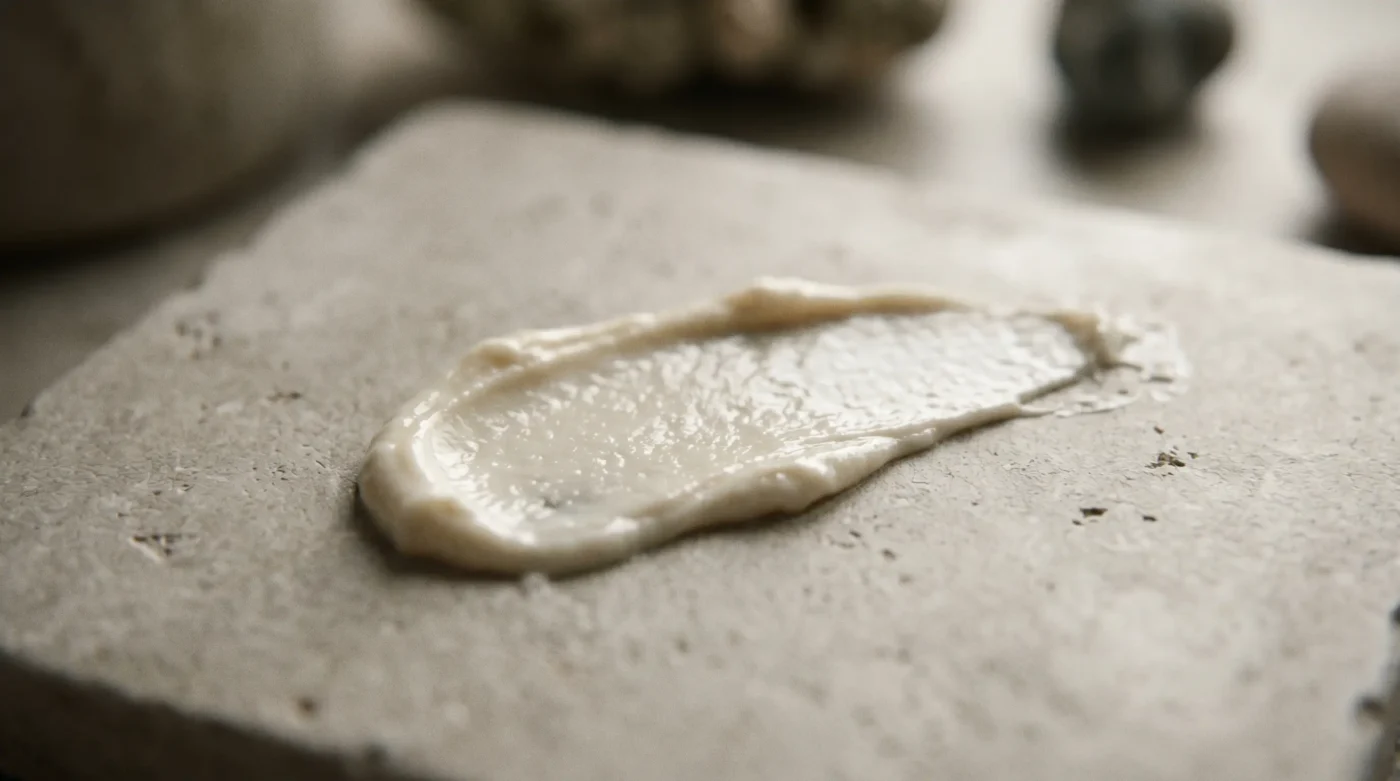
Recovery nights aren’t passive. They’re arguably where the most important skin work happens — this is when the barrier actively repairs itself, and the ingredients you choose either support that process or get in its way. Three stand out for being genuinely well-evidenced.
Niacinamide (Vitamin B3) is one of the most studied barrier-support ingredients available without a prescription. It stimulates ceramide and free fatty acid synthesis in the epidermis, directly reinforcing the lipid matrix that keeps skin cells held together. It also reduces transepidermal water loss and calms inflammation — exactly what you want on the night after an exfoliant or retinol.
Hyaluronic Acid is a humectant that draws moisture into the stratum corneum. Applied to slightly damp skin, it noticeably improves hydration levels. It doesn’t structurally repair the barrier on its own, but it creates the hydrated environment where barrier repair happens more efficiently. Think of it as the supporting cast, not the lead.
Ceramides are the structural backbone of a healthy skin barrier — they make up roughly 50% of the skin’s lipid content. They’re also typically the first thing depleted by heavy exfoliant and retinoid use. Rebuilding your skin’s disrupted lipid matrix with ceramide-rich moisturisers on recovery nights isn’t optional; it’s the mechanism that makes cycling effective in the first place.
To give your barrier the exact support it needs on recovery nights, explore Quietdose for gentle, lipid-replenishing formulas designed to soothe and restore your skin.
And it’s not just about dryness. Repeated over-exfoliation affects the microbiome at the skin’s surface too — the bacterial ecosystem that quietly protects skin from environmental stressors. Understanding how the skin microbiome works puts the case for recovery nights into an even broader context.
For some people, particularly if the barrier was already quite disrupted before starting a cycle, recovery nights alone aren’t enough of a reset. That’s where the idea of skin fasting comes in — stripping back to absolute basics for a period of time before reintroducing actives. It’s the more intensive end of the same philosophy.
Frequently Asked Questions
Can beginners start a skin cycling routine?
Yes, and honestly, beginners are often better positioned to benefit from it than people who’ve already overdone it. Starting with a low-strength retinol and a mild AHA, paired with two full recovery nights, is a much more sensible introduction to actives than using everything at once and hoping for the best. Build the rhythm first, then gradually increase potency as your skin adapts — and that’s completely normal to take slowly.
How long does it take to see skin cycling benefits?
Don’t stress if you don’t see a difference after two weeks. Barrier improvements — less tightness, fewer reactive flare-ups — tend to show up within two to three cycles. Structural changes from retinol, like improved texture and tone, realistically take three to six months. That timeline isn’t a flaw in the method; it’s just how skin biology works. Skin cycling benefits accumulate slowly, and that’s the whole idea.
Can I still use Vitamin C during the day?
Absolutely — and you should. Vitamin C is a morning ingredient. It works alongside SPF to address oxidative stress from UV exposure and pollution, and it doesn’t interfere with your cycling schedule at all. Skin cycling governs your evening routine. Your morning routine — antioxidants, moisturiser, sunscreen — runs alongside it and doesn’t need to change.