


You’re standing in the bathroom at 7 a.m., running late, staring at a shelf crowded with bottles you bought with the best intentions. Toner. Serum. Moisturiser. Eye cream. You’re not sure what goes first, what actually works, or whether any of it is even right for your skin. Sound familiar? You’re not alone. Starting a skincare routine can feel overwhelming — but it really doesn’t have to be.
I’ve worked with hundreds of women who felt exactly this way. And every single time, we started with the same thing: simplicity. Because the truth is, a consistent, well-ordered basic skincare routine will always outperform a complicated one you can’t stick to.
This guide is here to walk you through everything — gently, clearly, and without the jargon. Let’s begin.
Why a Skincare Routine Actually Matters
Your skin is your body’s largest organ. It protects you from environmental stressors, regulates temperature, and acts as a barrier against bacteria and pollutants. When we neglect it — or overwhelm it with the wrong products — it shows. Dryness, breakouts, dullness, sensitivity. These are often signs that your skin is asking for a little more care.
A good skincare routine isn’t about vanity. It’s about maintenance. Think of it like brushing your teeth — you do it every day not because something is wrong, but because prevention matters. The earlier you build these habits, the better your skin will respond over time.
And here’s the reassuring part: you don’t need twenty products. You need the right ones, in the right order.
Understanding Your Skin Type First
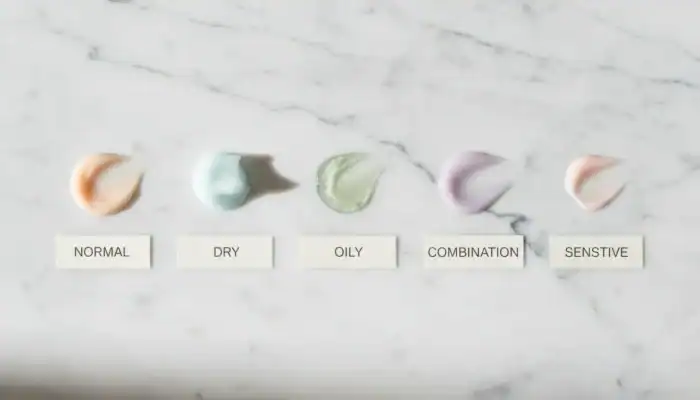
Before you buy a single product, you need to understand your skin. This is the step most beginners skip — and it’s the one that matters most.
The Five Main Skin Types
- Normal: Balanced, not too oily or dry. Small pores, few imperfections.
- Dry: Tight feeling, flaky patches, dull complexion. Needs rich hydration.
- Oily: Shiny, enlarged pores, prone to breakouts. Needs lightweight, non-comedogenic products.
- Combination: Oily T-zone (forehead, nose, chin), dry or normal cheeks. Needs balance.
- Sensitive: Easily irritated, redness, reacts to many ingredients. Needs gentle, fragrance-free formulas.
A simple way to identify your type: wash your face with a gentle cleanser, pat dry, and wait 30 minutes without applying anything. Then observe. If your skin feels tight — it’s dry. If it’s shiny all over — oily. A mix of both? Combination. Comfortable and balanced? Normal.
💡 Expert Tip: Your skin type can change with seasons, hormones, age, and stress. What worked for you at 25 may not work at 35. Check in with your skin regularly — it’s always communicating with you. If you’re unsure, a consultation with a dermatologist or holistic skincare professional can save you years of trial and error.
The Best Skincare Routine: Building Your Foundation
The best skincare routine is one you’ll actually do. Every day. Consistently. That means it needs to be realistic for your lifestyle, budget, and skin needs.
Here’s the golden rule: start with the basics, then layer in extras once your skin has adjusted. Introducing too many new products at once makes it impossible to know what’s helping — or what’s causing a reaction.
The Core Products Every Beginner Needs
- A gentle cleanser
- A moisturiser suited to your skin type
- A broad-spectrum SPF (non-negotiable)
That’s it. Three products. That’s your simple skincare routine — and it’s more powerful than you might think.
Skincare Routine Order: What Goes On When
One of the most common questions I hear is: “Does the order really matter?” Yes — it absolutely does. Products applied in the wrong sequence can block absorption, reduce effectiveness, or even cause irritation.
The general rule is: thinnest to thickest. Water-based products go before oil-based ones. Active ingredients go before moisturisers. SPF always goes last in the morning.
Morning Skincare Routine

Your morning skincare routine is about protection. You’re preparing your skin to face the day — pollution, UV rays, stress, and everything in between.
- Cleanser — A gentle, hydrating cleanser to remove overnight oils and any residue.
- Toner (optional) — Balances skin’s pH and preps it for the next steps. Look for alcohol-free formulas.
- Serum — Target your specific concern: vitamin C for brightness, niacinamide for pores and oil control.
- Moisturiser — Locks in hydration and creates a smooth base for SPF.
- SPF 30 or higher — The single most important anti-ageing step you can take. Every. Single. Day.
Nighttime Skincare Routine

Your nighttime skincare routine is about repair. While you sleep, your skin goes into regeneration mode — cell turnover increases, and it’s far more receptive to active ingredients.
- Makeup Remover / Cleansing Oil — Dissolves makeup, SPF, and pollution.
- Cleanser — The second cleanse removes any remaining residue. This is the “double cleanse” method.
- Toner (optional) — Or use an exfoliating toner (AHA/BHA) 2–3 times per week.
- Treatment Serum — Retinol, peptides, or hyaluronic acid work beautifully at night.
- Eye Cream (optional) — The skin around the eyes is thinner and needs targeted care.
- Moisturiser or Night Cream — Richer than your daytime formula. Let your skin drink it in overnight.
⚠️ Always consult with a healthcare professional before starting new treatments, especially if you have a skin condition such as rosacea, eczema, or acne. Some active ingredients can worsen certain conditions if used incorrectly.
The Ordinary Skincare Routine: A Budget-Friendly Starting Point
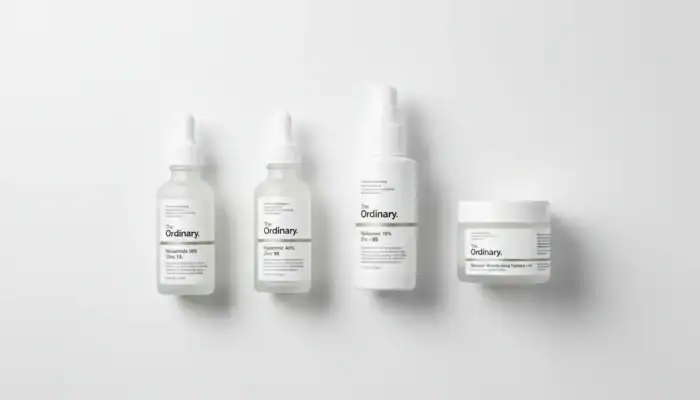
If you’ve been researching skincare online, you’ve almost certainly come across The Ordinary. The Ordinary skincare routine is built around single-ingredient formulas at accessible price points, making it easy to understand exactly what you’re putting on your skin.
A simple starter routine using The Ordinary might look like this:
- Morning: Squalane Cleanser → Hyaluronic Acid 2% + B5 → Natural Moisturising Factors → SPF
- Evening: Squalane Cleanser → Niacinamide 10% + Zinc 1% → Retinol 0.2% in Squalane (2–3x per week) → Natural Moisturising Factors
Start slowly. Introduce one new product at a time, waiting at least a week before adding the next. Your skin needs time to adjust — and so do you.
🚫 Common Myth Debunked: “More expensive products always work better.” Not true. Efficacy comes from ingredients and formulation — not price tags. A £6 niacinamide serum can outperform a £90 luxury serum if it contains the right concentration of the right ingredient. Focus on what’s in the bottle, not what’s on the label.
Scientifically Backed Ingredients: What Actually Works
The skincare industry is full of beautiful marketing language. But as a holistic cosmetologist, I always come back to the science. Here are the ingredients with the strongest dermatological evidence behind them.
Hyaluronic Acid
A humectant that draws moisture from the environment into the skin. It can hold up to 1,000x its weight in water, plumping and hydrating without clogging pores. Suitable for all skin types.
Niacinamide (Vitamin B3)
Regulates sebum production, minimises the appearance of pores, reduces hyperpigmentation, and strengthens the skin barrier. Its anti-inflammatory properties make it ideal for sensitive and acne-prone skin.
Retinol (Vitamin A)
Stimulates collagen synthesis and accelerates cell turnover. Clinically proven to reduce fine lines, improve texture, and fade dark spots. Start low (0.1–0.2%) and build up slowly.
Vitamin C (L-Ascorbic Acid)
A powerful antioxidant that neutralises free radicals, brightens skin tone, and boosts collagen production. Most effective at concentrations of 10–20%.
AHAs (Glycolic Acid, Lactic Acid)
Chemical exfoliants that dissolve the bonds between dead skin cells, revealing smoother, brighter skin. Lactic acid is gentler and more hydrating — ideal for beginners.
Ceramides
Lipids naturally found in the skin barrier. Topical ceramides replenish and reinforce the barrier, reducing water loss and protecting against irritants. Perfect for dry and sensitive skin.
Peptides
Short chains of amino acids that signal the skin to produce more collagen. Gentle, well-tolerated, and effective for firming and smoothing over time.
⚠️ A note on combining actives: Not all ingredients play well together. Retinol and AHAs can cause irritation when used on the same night. When in doubt, keep it simple — and always patch test new products.
Common Mistakes Beginners Make (And How to Avoid Them)
- Skipping SPF: UV damage is the number one cause of premature ageing. No serum or cream can undo what the sun does without protection.
- Over-exfoliating: More is not better. Twice a week is plenty for most people.
- Changing products too quickly: Give each new product at least 4–6 weeks before judging its effectiveness.
- Using too many actives at once: Build slowly. Your skin barrier will thank you.
- Ignoring the neck and décolletage: These areas age just as quickly as the face — extend your routine downward.
Holistic Skincare: The Bigger Picture

Products matter. But they’re only part of the story. Skin health is a reflection of overall health. What you eat, how you sleep, how you manage stress — all of it shows up on your face.
Lifestyle Habits That Support Your Routine
- Hydration: Drink enough water. Dehydrated skin looks dull regardless of how many serums you apply.
- Sleep: Your skin repairs itself at night. Aim for 7–9 hours. “Beauty sleep” is not a myth.
- Nutrition: Antioxidant-rich foods (berries, leafy greens, nuts) support skin from the inside out.
- Stress management: Cortisol triggers inflammation and can worsen acne, eczema, and rosacea. Mindfulness and rest are part of your skincare routine too.
- Clean pillowcases: Change them at least once a week — they collect oil, bacteria, and product residue.
Frequently Asked Questions (FAQ)
How long does it take to see results from a skincare routine?
It depends on the concern. Hydration improvements can be visible within days. For hyperpigmentation, acne, or fine lines, expect 6–12 weeks of consistent use. Skin cell turnover takes approximately 28 days — patience is essential.
Can I use the same skincare routine morning and night?
You can use many of the same products, but the goals differ. Morning is about protection (SPF is essential). Night is about repair (retinol works best here). Never apply retinol in the morning — it degrades in sunlight and increases photosensitivity.
Do I really need a separate eye cream?
Not necessarily as a beginner. A gentle, fragrance-free moisturiser applied carefully works just as well. Eye creams become more relevant once you introduce stronger actives like retinol that may be too harsh for the delicate eye area.
This article is for informational purposes only and does not constitute medical advice. Always consult with a qualified healthcare or skincare professional for personalised guidance.