

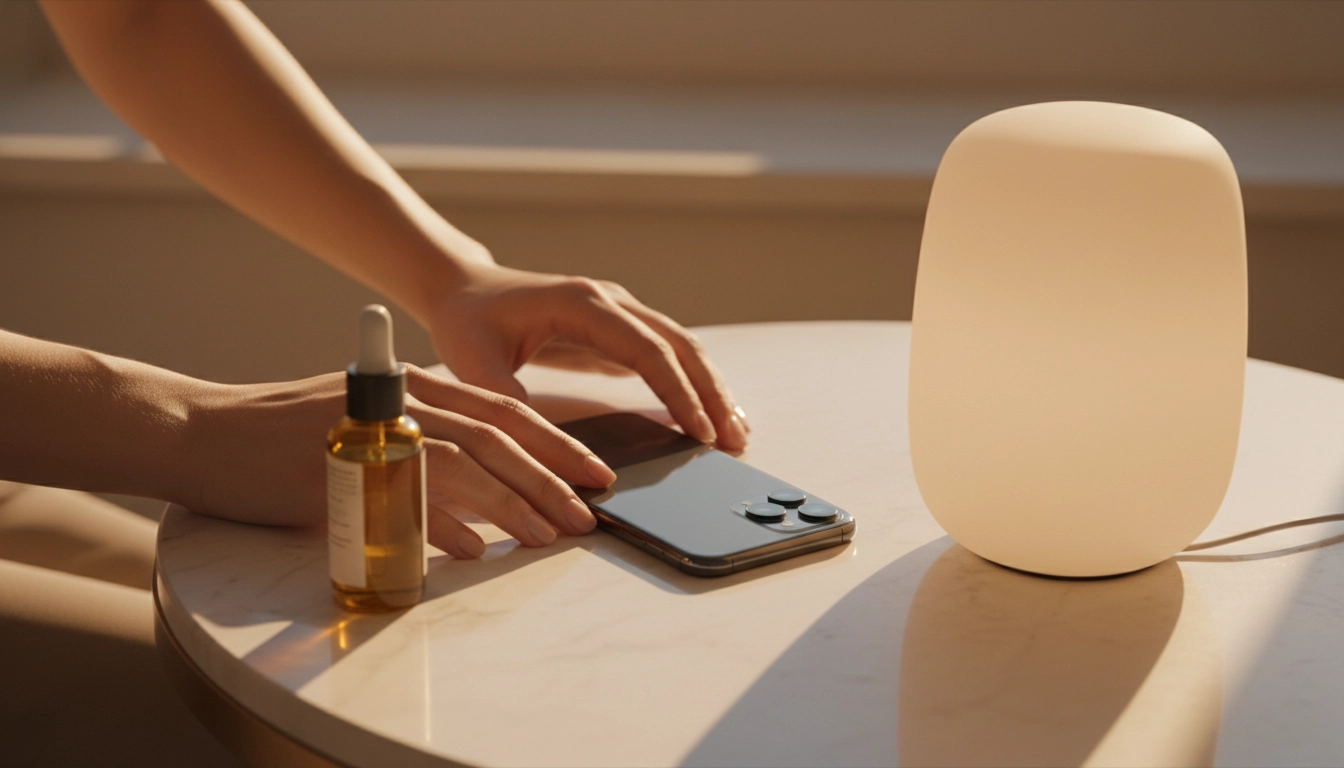
The phone goes face-down on the table. The lights dim. A lightweight serum touches tired skin at the end of a long day. For a moment, everything becomes quieter.
That feeling — the sense of relief when the noise finally stops — is becoming increasingly important in modern skincare. Because the connection between overstimulation and skin health is no longer just a wellness conversation. Dermatologists, neuroscientists, and psychodermatology researchers are paying closer attention to how chronic stress affects the skin barrier, inflammation, and long-term skin resilience.
Many people notice the pattern without fully understanding it. Their skin becomes more reactive during stressful periods. Redness appears suddenly. Breakouts become more frequent. Products that once worked perfectly start causing irritation.
This is not random. The nervous system and the skin are deeply connected.
The Brain-Skin Connection

The skin and the nervous system develop from the same embryonic tissue — the ectoderm. Even in adulthood, they remain closely linked through hormones, neurotransmitters, and inflammatory pathways. This relationship is the foundation of psychodermatology, a growing field studying how stress and emotional health influence the skin.
When the body experiences chronic overstimulation — constant notifications, poor sleep, screen exposure, work stress, noise, or emotional pressure — the stress response system becomes overactive. Cortisol levels rise. Inflammatory signals increase. The skin barrier weakens.
One of the key players is Substance P, a neuropeptide released during stress. Research shows it can increase inflammation, trigger redness, and worsen acne and sensitivity. At the same time, elevated cortisol disrupts the skin barrier, increases transepidermal water loss (TEWL), and slows repair processes.
The result is skin that feels reactive, dehydrated, and constantly overwhelmed.
In many cases, the breakout is not the root problem. It is simply the visible signal that the body is under pressure.
Why Simpler Skincare Often Works Better
Modern skincare routines have become increasingly complicated. Layering acids, retinoids, peptides, exfoliants, and multiple active serums may look impressive online, but overstimulated skin often responds better to less.
For sensitive or stressed skin, simplicity is not laziness. It is strategy.
Brands such as DAY+ and Noble Panacea represent a more minimal approach to formulation — fewer ingredients, carefully selected actives, and barrier-conscious textures designed to support the skin without overwhelming it.
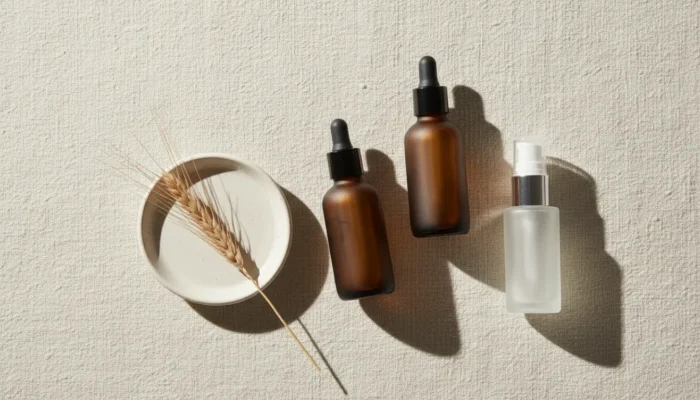
The goal is not to force the skin into rapid transformation. The goal is to create conditions where the skin can function normally again.
For many people, this shift alone improves redness, dehydration, and sensitivity more than adding another active ingredient ever could.
Scientifically Backed Ingredients for Stress-Affected Skin
Certain ingredients have strong clinical support for helping the skin recover from chronic stress and overstimulation.
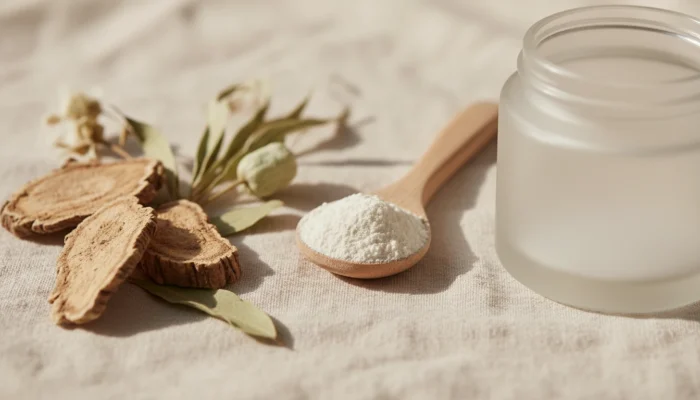
Magnesium Bisglycinate
Magnesium plays a role in hundreds of enzymatic processes within the body, including nervous system regulation and sleep quality. Chronic stress is associated with lower magnesium levels, which may contribute to fatigue, anxiety, and increased inflammation.
The bisglycinate form is highly bioavailable and gentle on digestion. Better sleep and lower stress levels often translate into calmer, more stable skin over time.
Ceramides
Ceramides are essential lipids naturally found in the skin barrier. Stress and inflammation can reduce ceramide levels, leading to dryness, irritation, and increased sensitivity.
Barrier-focused moisturisers containing ceramides help restore the skin’s protective structure and reduce water loss.
Peptides
Peptides are amino acid chains that support skin repair and collagen production. Unlike aggressive exfoliating ingredients, peptides work gently and are generally well tolerated by reactive skin types.
They are particularly useful when the skin feels thin, tired, or slow to recover.
Adaptogens (Ashwagandha)
Ashwagandha, particularly the KSM-66 form, has been studied for its effects on cortisol regulation and stress resilience. Lower stress levels can indirectly support healthier skin by reducing inflammatory activity within the body.
Always consult with a healthcare professional before starting new supplements or treatments, especially if you have existing medical conditions.
The Myth of “More Products = Better Skin”
One of the biggest skincare misconceptions is that more products automatically create better results.
In reality, overstimulated skin often struggles with excessive routines. Every additional active ingredient introduces another variable — another texture, another pH level, another potential irritation trigger.
For sensitive skin, over-layering can become a form of chronic stress.
Many dermatologists now recommend focusing on a smaller number of well-formulated products instead of constantly switching routines or chasing trends.
A gentle cleanser, a barrier-supporting moisturiser, targeted treatment products, and daily SPF are often enough.
Daily Habits That Help Calm the Skin

Skincare products matter, but daily habits influence the skin just as much.
- Reduce screen exposure before bed: Poor sleep increases cortisol and weakens overnight skin repair.
- Keep routines simple: Reactive skin often improves when unnecessary products are removed.
- Use gentle application techniques: Rubbing and over-exfoliating can worsen inflammation.
- Prioritise rest: Skin repair peaks during deep sleep.
- Create quiet moments during the day: Chronic stress affects the skin barrier more than many people realise.
Sometimes the most effective skincare change is not adding another serum. It is reducing the overall level of stress the body is carrying.
The Quiet Glow
Healthy skin is not always the result of a complicated routine. Often, it reflects something deeper: rest, consistency, barrier support, and a nervous system that finally has space to recover.
The skin responds to how we live. To stress. To sleep. To overstimulation. To recovery.
And sometimes, the best thing we can do for it is simply make life a little quieter.
Frequently Asked Questions
Can stress really affect the skin?
Yes. Chronic stress increases cortisol and inflammatory activity, both of which can weaken the skin barrier, worsen acne, increase redness, and slow healing.
How long does stressed skin take to recover?
Barrier recovery often begins within a few weeks of consistent care, better sleep, reduced irritation, and lower stress levels. More significant improvements may take several months.
Is a simpler skincare routine better for sensitive skin?
In many cases, yes. Overusing active ingredients can damage the barrier and increase irritation. A simple, consistent routine is often more effective long term.