


It happens quietly. One morning, after weeks of trying yet another “gentle” formula from a well-known brand, something feels different. The redness that usually greets you in the mirror is softer. The tightness is gone. Your skin feels — for the first time in a long time — like it can breathe. That moment of unexpected calm is what many people describe when they first experience a product that was genuinely made with their skin in mind. Managing sensitive skin is not about finding a miracle. It is about finding the right match.
And that match, more often than not, comes from outside the mainstream.
—
What Sensitive Skin Is Really Telling You
Sensitive skin is not a flaw. It is a signal. When skin reacts — to weather, to products, to stress — it is communicating that something in its environment is not working. The barrier is compromised. The immune response is heightened. The skin is asking for less, not more.
Dealing with sensitive skin means learning to listen to those signals rather than override them. It means stepping back from aggressive routines, fragrance-heavy formulas, and the constant cycle of trying new things in search of a quick fix.
The skin barrier — a delicate structure of lipids, proteins, and moisture — is the foundation of everything. When it is intact, skin is resilient. When it is damaged, everything becomes a potential irritant. Understanding this is the first step toward genuinely calming sensitive skin.
—
Why Mainstream Products Often Make Things Worse
Walk into any pharmacy or department store and you will find entire shelves dedicated to “sensitive skin.” The packaging is soft. The language is reassuring. But look closer at the ingredient lists and a different story emerges.
Synthetic fragrance — one of the most common skin sensitisers — appears in products marketed specifically for reactive skin. Alcohol, harsh preservatives, and unnecessary fillers follow. The formula is built around shelf life and sensory appeal, not skin biology.
This is the gap that niche skincare fills. Smaller brands, built around a specific skin concern, have the freedom — and often the motivation — to formulate differently. They are not constrained by mass production requirements or the need to appeal to every skin type simultaneously.
Expert Myth Bust: Many people believe that “fragrance-free” and “unscented” mean the same thing. They do not. “Unscented” products often contain masking fragrances to neutralise the smell of other ingredients — which can still trigger reactions in sensitive skin. Always look for “fragrance-free” on the label.
—
Managing Sensitive Skin: A Holistic Perspective
Skincare products are only part of the picture. Managing sensitivity requires a broader view — one that considers lifestyle, environment, and internal health alongside topical care.
Sleep and Skin Recovery

Skin repairs itself during sleep. Cortisol levels drop, cell turnover increases, and the barrier works to restore itself. Chronic sleep deprivation elevates inflammation markers — which directly worsens skin sensitivity. Prioritising rest is not indulgent. It is biological necessity.
Stress and the Skin-Brain Connection

The gut-skin-brain axis is well documented in dermatological research. Stress triggers the release of neuropeptides that increase skin inflammation and barrier permeability. For those dealing with sensitive skin, stress management is as important as any topical treatment.
Diet and Inflammation

Highly processed foods, refined sugar, and alcohol are known to increase systemic inflammation — which manifests in the skin as redness, reactivity, and delayed healing. An anti-inflammatory diet rich in omega-3 fatty acids, antioxidants, and hydration supports skin resilience from the inside out.
Always consult with a healthcare professional before starting new treatments, particularly if your skin sensitivity is linked to a diagnosed condition such as eczema, rosacea, or contact dermatitis.
—
How to Calm Sensitive Skin: The Principles That Actually Work
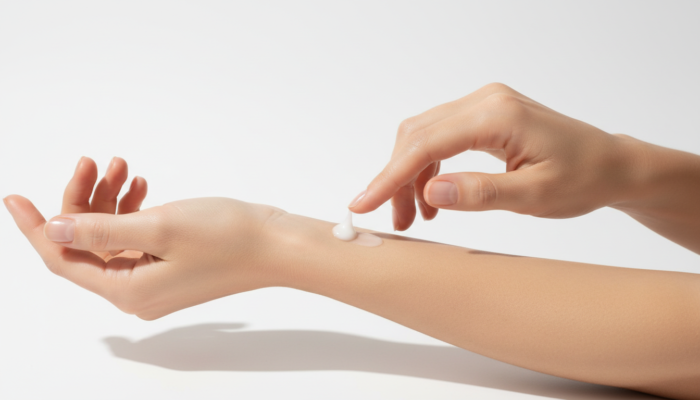
Before reaching for a new product, it helps to understand the principles behind calming reactive skin. These are not trends. They are grounded in how skin actually functions.
- Simplify. Fewer products mean fewer potential irritants. A three-step routine — cleanse, treat, protect — is often more effective than ten steps for sensitive skin.
- Prioritise barrier repair. Look for ingredients that restore lipid structure: ceramides, fatty acids, cholesterol. These are the building blocks of a healthy barrier.
- Avoid known irritants. Synthetic fragrance, alcohol denat, essential oils in high concentrations, and certain preservatives are common triggers. Learn your personal sensitivities.
- Introduce slowly. One new product at a time, patch tested first. Give each product at least four weeks before assessing results.
- Protect daily. UV exposure degrades the skin barrier and worsens sensitivity. SPF is non-negotiable — even in winter, even indoors near windows.
—
How to Reduce Sensitive Skin Reactivity Over Time
The goal is not just to manage flare-ups — it is to build resilience. How to reduce sensitive skin reactivity is a question of consistency, not intensity.
Barrier repair takes time. Studies suggest that meaningful improvement in barrier function requires a minimum of four to six weeks of consistent, appropriate care. There are no shortcuts. But the results — skin that reacts less, recovers faster, and feels genuinely comfortable — are worth the patience.
This is where BioVelvet enters the conversation. Not as a quick fix, but as a long-term partner in skin recovery.
—
BioVelvet: A Niche Solution Built for Sensitive Skin
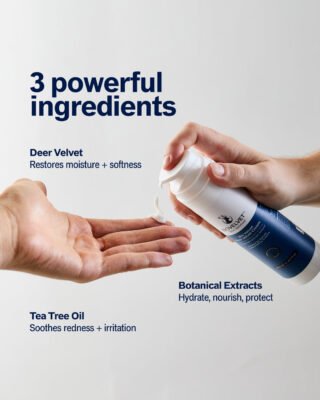
When asking how can I take care of my sensitive skin in a way that actually lasts, the answer rarely comes from the most visible brands. It comes from the ones that have done the quiet, careful work of understanding skin at a biological level.
BioVelvet was developed with exactly this in mind. The formulas are built around barrier support, inflammation reduction, and long-term skin resilience — not immediate sensory gratification. The textures are skin-like. The ingredient lists are intentional. Nothing is included without purpose.
For those who have spent years dealing with sensitive skin and cycling through products that promise much and deliver little, BioVelvet represents something different: a formula that respects the skin’s biology rather than working against it.
—
Why This Brand Stands Out
In a market full of brands claiming to be “gentle” and “clean,” what actually separates BioVelvet from the rest?
Science-Led Formulation
BioVelvet’s approach is rooted in dermatological science rather than marketing trends. Each formula is developed with a specific skin function in mind — barrier repair, inflammation reduction, hydration restoration. The result is a range that performs consistently rather than impressively on first use and then fades.
Ingredient Integrity
The brand operates with a level of transparency that larger companies rarely offer. No synthetic fragrance. No unnecessary fillers. No ingredients included for texture or shelf appeal at the expense of skin safety. What is in the formula is there because it works.
Dermatologically Tested
BioVelvet products are dermatologically tested — a standard that matters significantly when formulating for reactive skin. This is not a marketing claim. It is a commitment to safety and efficacy that underpins every product in the range.
A Philosophy of Restraint
Perhaps most importantly, BioVelvet is built on the philosophy that less is more. In an industry that profits from complexity, a brand that advocates for simplicity and skin respect stands apart. This is not minimalism for aesthetic reasons. It is minimalism because it is what sensitive skin actually needs.
—
Scientifically Backed Ingredients
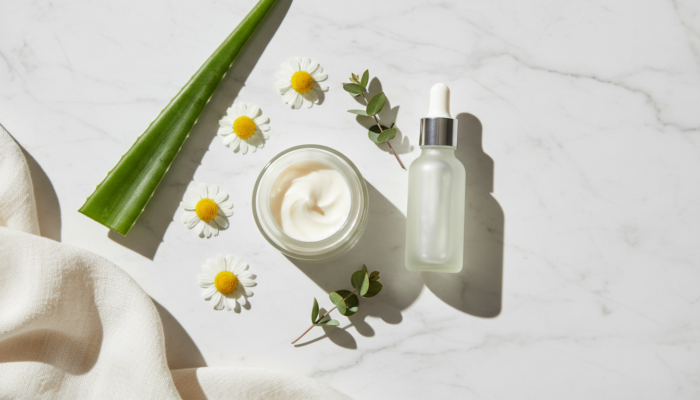
Understanding the key actives in BioVelvet formulas helps explain why they work for managing sensitivity where other products fail.
Deer Velvet Extract
The hero ingredient in BioVelvet’s range. Deer velvet is rich in growth factors, collagen precursors, and anti-inflammatory compounds. Research suggests it supports cellular regeneration and reduces inflammatory markers in skin tissue — making it particularly relevant for compromised and reactive skin. It is a rare ingredient in mainstream skincare, which is precisely why it belongs in the niche category.
Ceramides
Ceramides are lipid molecules that form the structural foundation of the skin barrier. In sensitive and reactive skin, ceramide levels are frequently depleted — leading to increased transepidermal water loss and heightened reactivity. Topical ceramide supplementation has been shown in multiple clinical studies to restore barrier integrity and reduce sensitivity over time.
Panthenol (Pro-Vitamin B5)
Panthenol is one of the most well-tolerated and well-researched ingredients in dermatology. It functions as a humectant, drawing moisture into the skin, while also demonstrating anti-inflammatory and wound-healing properties. It is gentle enough for the most reactive skin types and effective enough to make a measurable difference.
Allantoin
Derived from the comfrey plant, allantoin promotes cell regeneration, softens skin texture, and calms irritation. It is particularly effective in recovery formulas — supporting the skin’s natural healing process without causing additional stress to an already reactive barrier.
Niacinamide
At concentrations of 2–5%, niacinamide strengthens the skin barrier, reduces redness, and regulates sebum without irritation. It is one of the few multitasking actives that genuinely suits sensitive skin — and when used at the right concentration, it delivers consistent, measurable results.
—
Building a Sensitive Skin Routine Around BioVelvet
For those new to niche skincare or rebuilding a routine after a reaction, simplicity is the starting point.
- Morning: Gentle cleanser → BioVelvet recovery cream → mineral SPF
- Evening: Gentle cleanser → BioVelvet recovery cream (slightly more generous application)
- Weekly: A calming mask or facial oil if skin tolerates it — introduced slowly, one at a time
This is not a routine designed to impress. It is designed to work. And for skin that has been through the cycle of reactions and recovery, that distinction matters enormously.
—
Where to Find It
BioVelvet is available through select retailers and directly via the brand’s official store. For the best experience — and to ensure you are receiving authentic, freshly formulated product — purchasing directly from the brand is always the recommended route.
Buying direct also means access to the most current formulations, dedicated customer support, and exclusive offers not always available through third-party platforms.
Explore the full BioVelvet range here: Shop BioVelvet
—
FAQ: Managing Sensitive Skin
How can I take care of my sensitive skin on a daily basis?
Keep your routine simple and consistent. Use a gentle, fragrance-free cleanser, a barrier-supporting moisturiser, and daily SPF. Avoid introducing multiple new products at once, and patch test everything before full application.
How long does it take to see results when managing sensitive skin with niche products?
Meaningful barrier repair typically takes four to six weeks of consistent use. Immediate comfort improvements — reduced tightness, less redness — are often noticeable within the first one to two weeks with the right formula.
Is BioVelvet suitable for skin conditions like eczema or rosacea?
BioVelvet is formulated without common irritants and is dermatologically tested, making it well-suited for reactive and condition-prone skin. However, always consult a dermatologist before introducing new products if you have a diagnosed skin condition.