


It’s 9 p.m. on a Tuesday. The laundry isn’t folded, the inbox still glows, and somewhere between the third cup of coffee and the forgotten lunch, a glance in the bathroom mirror reveals a face that looks softer in all the wrong places. Cheeks fuller. Jawline blurred. Eyes puffy in a way that no amount of cold spoons seems to fix. For many women, this moment feels strangely familiar — and lately, social media has a name for it: cortisol face.
The phrase has exploded across TikTok, where short clips promise that puffy cheeks and a rounded jaw can be “reversed” by quitting coffee, doing lymphatic drainage, or following a 14-day stress detox. The truth is more nuanced, and far more interesting. Cortisol face is real — but not in the dramatic, overnight way the algorithm suggests.
What Cortisol Face Actually Means
Cortisol is the body’s main stress hormone, produced by the adrenal glands. In healthy amounts, it helps regulate energy, blood sugar, and the sleep-wake cycle. The problem begins when stress becomes chronic. Deadlines, poor sleep, emotional overload, over-exercising, under-eating — all of it keeps cortisol elevated for far longer than nature intended.
When that happens, the skin and the face can change. Not overnight, and not in a single, dramatic shift. But slowly, subtly, in ways that feel hard to explain.
The Visible Signs
- Persistent puffiness around the cheeks and under the eyes
- A softer, less defined jawline
- Dull, tired-looking skin that doesn’t respond to usual products
- Flare-ups of acne, rosacea, or sensitivity
- Slower healing and a compromised skin barrier
These signs are real reflections of what’s happening internally. The conversation between stress and skin is constant, and the face is often the first place it shows up.
Why TikTok Gets Cortisol Face Half Right
Viral videos tend to flatten complex biology into before-and-after clips. The popular narrative suggests that any puffy face equals high cortisol, and that a few lifestyle hacks will sculpt it away within days. That’s where the misunderstanding begins.
True clinical hypercortisolism, known as Cushing’s syndrome, is a medical condition with very specific features and requires diagnosis by a doctor. What most people experience is something gentler but still meaningful: a cortisol imbalance caused by modern life. Not a disease, but a pattern. And that pattern leaves fingerprints on the skin.
Myth vs. Reality: A common myth circulating online is that cutting caffeine for one week will “drain” cortisol face. In reality, the changes that show up on the skin are the result of weeks or months of nervous system overload — and they respond to consistent care, not crash protocols. Calming the system takes time, and that’s not a flaw. It’s how the body protects itself.
The Link Between Stress and Skin
The skin is not separate from the rest of the body. It’s an organ deeply wired into the nervous and endocrine systems. When cortisol stays elevated, several things happen at once.
Blood vessels dilate and contract irregularly, which contributes to redness and inflammation face patterns. Lymphatic flow slows, allowing fluid to pool in the cheeks and under the eyes. Collagen production drops, because the body prioritizes survival over repair. The skin barrier weakens, letting moisture escape and irritants in.
This is why someone can use the same skincare routine for years and suddenly feel it “stops working” during a stressful season. The products didn’t change. The internal environment did. For more on this, the article on why your serum may not be working explores this shift in beautiful detail.
The Nervous System Connection
Nervous system wellness is one of the most overlooked pillars of skincare. The vagus nerve, which runs from the brainstem down through the face and chest, plays a central role in calming the body. When it’s stimulated through slow breathing, gentle movement, or simply rest, cortisol drops naturally.

Small daily practices matter more than dramatic interventions:
- Five minutes of slow, nasal breathing before bed
- A warm cloth pressed gently over the face for one minute
- Walking outside without a phone for ten minutes
- Eating meals slowly, seated, without screens
- A consistent sleep window, even on weekends
None of these are glamorous. All of them speak directly to the nervous system, and the skin listens.
Skin Fasting and the Cortisol Face Connection
Skin fasting — the practice of temporarily simplifying a routine — has become popular as a response to overwhelmed, reactive skin. The logic is sound when done with intention. Stressed skin often doesn’t need more actives. It needs less interference.
A heavy routine layered with retinoids, acids, and strong vitamin C during a high-stress phase can quietly worsen inflammation. The barrier, already weakened by elevated cortisol, struggles to keep up. Stripping back to gentle cleansing, hydration, and protection allows the skin to recalibrate.
This doesn’t mean abandoning skincare. It means listening. A minimalist skincare approach during stressful seasons often does more than a ten-step regimen ever could.
What Skin Fasting Is Not
Skin fasting is not skipping sunscreen. It’s not avoiding moisturizer because the skin feels oily. It’s not a punishment or a detox. It’s a pause — a chance to let the skin’s own intelligence come forward without distraction.
Scientifically Backed Ingredients That Support Stressed Skin
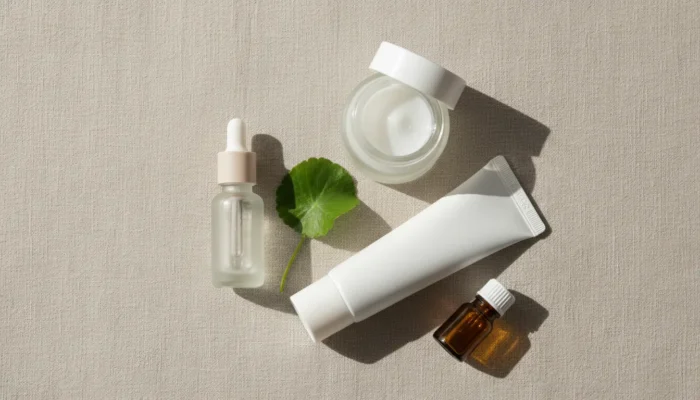
When the skin is recovering from a cortisol-heavy season, ingredient choice matters more than ever. The goal is to calm, strengthen, and hydrate — not to push, exfoliate, or strip.
Niacinamide
Niacinamide, a form of vitamin B3, is one of the most well-studied ingredients in dermatology. It strengthens the skin barrier by supporting ceramide production, reduces redness, and regulates oil flow. For skin showing puffiness skincare concerns and uneven tone, niacinamide offers gentle, consistent support. A deeper look at how it compares to other antioxidants can be found in this guide on niacinamide or vitamin C.
Hyaluronic Acid
Hyaluronic acid holds up to a thousand times its weight in water, drawing moisture into the skin. When cortisol disrupts the barrier, water loss accelerates. Hyaluronic acid helps restore that hydration without weighing the skin down or triggering reactivity.
Panthenol (Vitamin B5)
Panthenol soothes irritation and supports the skin’s natural healing process. It’s particularly useful when the face feels tight, flushed, or reactive after stressful weeks.
Centella Asiatica
Often called cica, centella asiatica calms inflammation face flare-ups and supports collagen synthesis. It’s gentle enough for sensitive skin and pairs beautifully with other calming actives.
Ceramides
Ceramides are lipids that make up a significant portion of the skin barrier. Replenishing them topically helps lock in moisture and shield the skin from environmental stress, which is essential when internal stress is already high.
To give your skin the relief it needs during stressful times, check out Quietdose for gentle, soothing products that protect your barrier and bring your skin back to a healthy balance.
Magnesium and Adaptogens (Topical and Internal)
Topical magnesium can ease tension in the facial muscles, while adaptogenic ingredients like ashwagandha and rhodiola, taken internally under guidance, may help the body adapt to stress. Always consult with a healthcare professional before starting new treatments.
A Gentle Daily Approach
Rebuilding skin during stressful seasons isn’t about adding more. It’s about choosing less, but better. A calm morning ritual sets the tone for the entire day, and a slow evening routine signals safety to the nervous system.
For mornings, a soft cleanse, a hydrating serum, a barrier-supporting moisturizer, and SPF is often enough. The morning skincare routine guide offers a thoughtful starting point. Evenings can be even simpler — a gentle cleanse, hydration, and a nourishing cream are usually all the skin needs to repair overnight.
Expert Tip
When the skin feels reactive, swollen, or unfamiliar, the first instinct is often to do more. The more effective response is usually the opposite. Pause the actives for two weeks. Focus on hydration, barrier care, and sleep. Watch what the skin tells you. Most cortisol-related changes soften considerably once the nervous system feels safe again.
Lifestyle Habits That Truly Move the Needle

Skincare can only do so much when the internal environment is in overdrive. The most meaningful changes in cortisol face often come from outside the bathroom cabinet.
- Sleep: Seven to nine hours, with a consistent bedtime, is non-negotiable for cortisol regulation.
- Movement: Walking, yoga, and strength training support hormonal balance. Excessive cardio can sometimes raise cortisol further.
- Nutrition: Steady blood sugar through protein-rich meals and healthy fats helps prevent cortisol spikes.
- Hydration: Mineral-rich water supports lymphatic flow and reduces facial puffiness.
- Boundaries: Saying no to one thing per week can do more for the skin than any new serum.
When to Seek Professional Guidance
Most cortisol face symptoms ease with rest, gentle care, and time. But persistent puffiness, rapid weight changes, severe acne, or unusual fatigue deserve a closer look. A healthcare provider can run proper tests and rule out underlying conditions. Skincare supports the journey, but it doesn’t replace medical care.
The Bigger Picture
Cortisol face is a quiet invitation. It asks for slower mornings, deeper breaths, and a more honest conversation with the body. It reminds us that beauty isn’t built in panic, and that the skin is always reflecting something larger than itself.
The trend will fade, as trends do. What remains is the steady, gentle work of caring for skin from the inside out — through nourishing food, restorative sleep, calm rituals, and ingredients that truly support healing rather than push it.
Frequently Asked Questions
1. How long does it take for cortisol face to go away?
It depends on how long stress has been elevated. With consistent rest, gentle skincare, and lifestyle adjustments, visible improvements often appear within two to six weeks. Deeper changes may take a few months.
2. Can skincare alone fix cortisol face?
Skincare can soothe symptoms like redness, puffiness, and barrier damage, but it cannot fully address the internal cause. Lasting results come from combining calming skincare with sleep, nutrition, and nervous system care.
3. Is cortisol face the same as weight gain in the face?
Not exactly. Cortisol face is often a mix of fluid retention, inflammation, and subtle fat redistribution. True clinical cases require medical diagnosis, while everyday stress-related puffiness usually responds to lifestyle changes.
Pingback: Hormonal Acne After 30: Why Your Skincare Routine Is Not the Real Problem - Denyva