

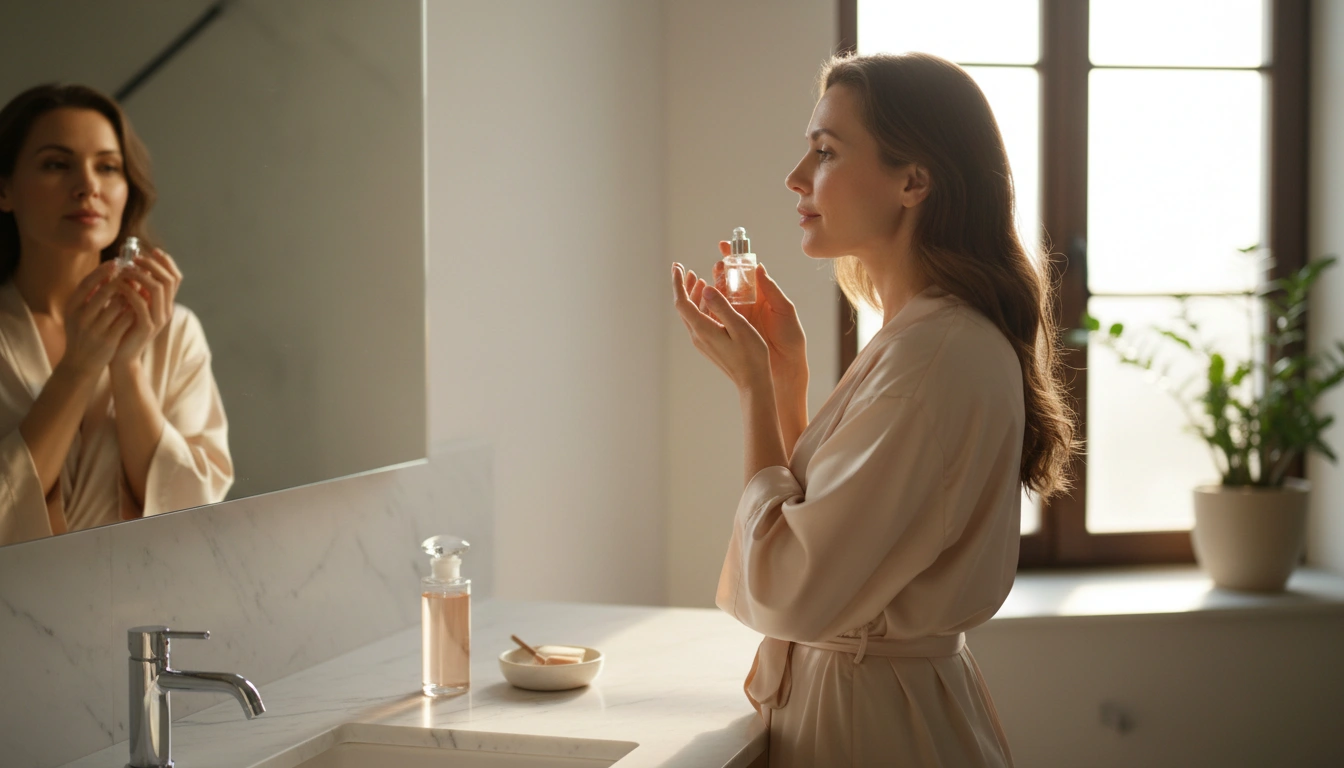
It’s 7:48 AM. The mirror is unforgiving, the coffee is lukewarm, and there’s a small red patch blooming on the left cheek that wasn’t there yesterday. A deadline looms. A child needs a lunchbox. The foundation goes on, but the skin underneath feels tight, reactive, almost prickly — as if it knows the day ahead before the day has even begun. This quiet moment, repeated in bathrooms across the world, is exactly where Neurocosmetic Makeup steps in. Not to mask the redness. Not to scold the skin. But to gently whisper to it that everything is going to be okay.
Beauty has spent decades focused on what the eye can see. Coverage, contour, correction. Yet skin is far more than a canvas — it is a sensory organ, deeply wired into the nervous system. When stress rises, skin listens. When the mind softens, skin softens too. Neurocosmetic Makeup honours this conversation between brain and complexion, and it’s quickly becoming one of the most meaningful shifts modern beauty has seen.
What Is Neurocosmetic Makeup?
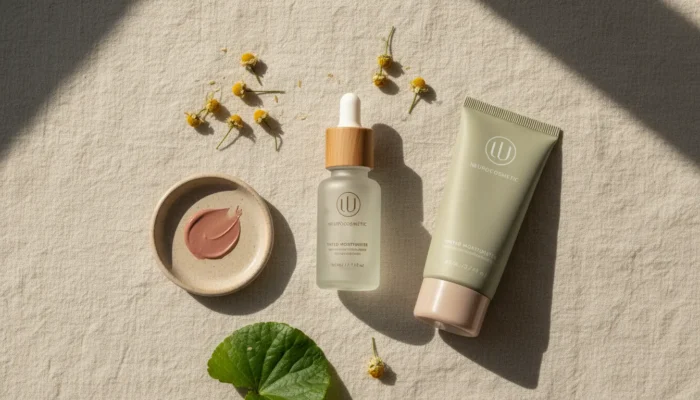
Neurocosmetic Makeup blends colour cosmetics with active ingredients that interact with the skin’s neuro-sensory receptors. Think of it as makeup that does two jobs at once — it perfects the look of the skin while signalling calm to the nerve endings just beneath the surface.
The neurocosmetics trend grew out of a simple observation in dermatology: skin and brain share the same embryonic origin. They speak the same biochemical language. So when a product can soothe a nerve ending, it can also soften redness, ease tension, and reduce that flushed, reactive feeling so many people know too well.
Why This Approach Feels Different
- It addresses the feeling of skin, not only the appearance.
- It works with the skin barrier rather than against it.
- It supports the skin stress response during demanding days.
- It blends beautifully into emotional beauty rituals — slow, mindful, restorative.
The Skin Stress Response — And Why It Matters
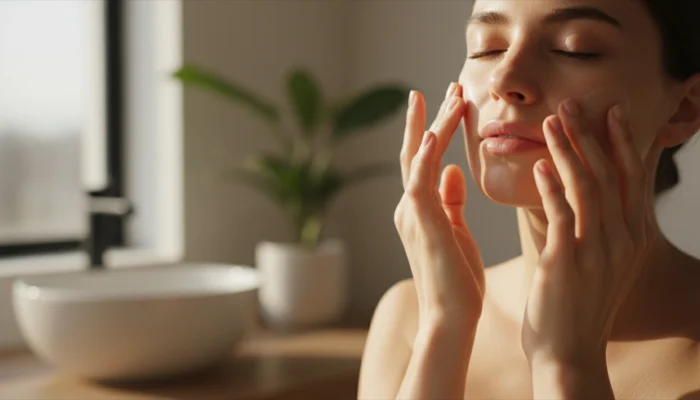
When the body is under pressure, cortisol rises. Blood vessels dilate. The skin barrier weakens. Tiny inflammatory signals fire off, and suddenly the complexion looks dull, blotchy, or unusually sensitive. This is the skin stress response in motion, and it explains why a bad week often shows up on the face before anywhere else.
Traditional makeup may cover the visible signs, but it rarely calms the underlying reaction. Calming beauty products formulated with neurocosmetic actives do both. They blur imperfections while sending soothing messages to the nervous system through the skin’s surface.
For anyone navigating reactive or easily irritated skin, pairing these formulas with thoughtful product choices makes a noticeable difference. A gentle base, for example, can set the tone for the entire day — something explored further in this guide to makeup for sensitive skin.
Sensory Friendly Makeup: A Quiet Revolution
Sensory friendly makeup is one of the most beautiful outcomes of the neurocosmetic movement. These formulas consider texture, scent, weight, and even sound of application. Nothing sticky. Nothing heavily perfumed. Nothing that feels like armour on the skin.
For those with sensory sensitivities, perimenopausal skin, rosacea, or simply tired skin that has had enough — this category feels like a deep exhale. Light creams that melt in. Whisper-soft powders. Tints that feel like nothing at all.
Signs a Product Belongs in This Category
- Fragrance-free or scented only with calming botanicals
- Buttery, weightless textures that don’t drag the skin
- Neutral pH and barrier-friendly formulation
- Ingredients that target nerve-soothing pathways
- Packaging designed for ease — soft pumps, smooth applicators
Scientifically Backed Ingredients
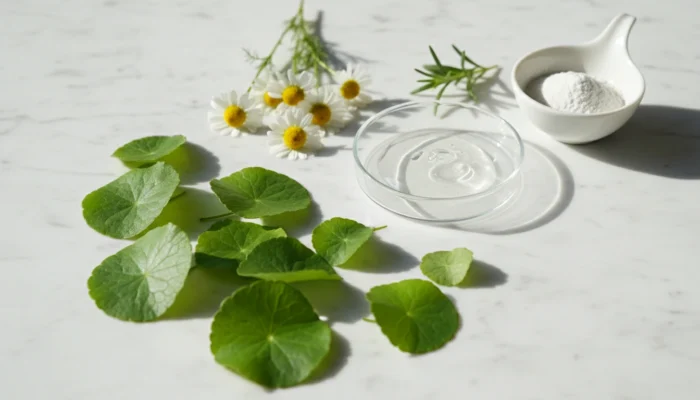
The heart of Neurocosmetic Makeup lies in its ingredient list. These are not trendy additions — they are well-researched compounds with measurable effects on skin biology and sensory comfort.
Niacinamide (Vitamin B3)
A quiet powerhouse. Niacinamide strengthens the skin barrier, reduces redness, and regulates sebum. Dermatology research consistently shows it calms inflammatory markers and supports ceramide production, which is essential for skin that overreacts to the smallest trigger.
Hyaluronic Acid
Beyond hydration, hyaluronic acid creates a cushion of moisture that helps nerve endings feel less exposed. Well-hydrated skin is less reactive skin — a principle every holistic approach respects.
Bisabolol
Derived from chamomile, bisabolol soothes irritation and supports the skin’s own anti-inflammatory pathways. It’s a favourite in formulas aimed at reactive, flushed complexions.
Acetyl Tetrapeptide-15
A neuropeptide specifically developed to reduce skin sensitivity. It works by modulating the activity of sensory neurons, making the skin less likely to perceive everyday stimuli as irritation.
Centella Asiatica (Cica)
Rich in madecassoside and asiaticoside, this botanical helps repair the barrier, calm redness, and support healing. It is a true ally for stressed skin.
Beta-Endorphin Mimetics
Some advanced neurocosmetic formulas include actives that mimic the skin’s natural feel-good molecules, helping to ease that tight, uncomfortable sensation associated with stress flare-ups.
Always consult with a healthcare professional before starting new treatments, especially when dealing with chronic skin conditions or sensitivities.
Emotional Beauty Rituals: Slowing Down the Routine

Makeup application can be hurried, even anxious. Yet emotional beauty rituals turn those few minutes into something restorative. A warm cleanse. A slow press of serum. A tinted moisturiser applied with fingertips rather than a brush. These small choices regulate the nervous system through touch and intention.
Pairing neurocosmetic formulas with a minimalist routine amplifies their effect. There’s wisdom in keeping the morning lineup short and meaningful, something captured beautifully in this take on the best minimalist makeup approach.
A Simple Calming Ritual
- Three deep breaths before reaching for any product
- A gentle cleanser pressed in, not rubbed
- Hydrating mist, allowed to settle
- A neurocosmetic tint or serum-foundation, applied with warm hands
- A soft cream blush for a flush of life
- One final breath — then out into the day
Expert Tip and a Common Myth, Debunked
Expert Tip
When skin feels reactive, less is always more. Layering too many actives — even calming ones — can overwhelm the barrier. Choose two or three neurocosmetic products and let them do their work consistently for at least four weeks before adding anything new.
Myth: “Makeup Always Makes Sensitive Skin Worse”
This is one of the most persistent misconceptions in beauty. The truth is that modern formulations, particularly those rooted in neurocosmetic science, can actively support sensitive skin throughout the day. The issue has never been makeup itself — it has been the wrong formulas. Switching to barrier-friendly, sensory-aware options often improves skin rather than harming it. A good example is the rise of serum-infused foundations, which blur the line between skincare and makeup.
How to Choose Neurocosmetic Makeup That Truly Suits the Skin
Not every product labelled “calming” lives up to its promise. Reading a label with a curious eye helps. Looking for clinical backing matters. And tuning into how skin feels — not only how it looks — is perhaps the most important guide of all.
Quick Checklist Before Buying
- Does the ingredient list include recognised soothing actives?
- Is the texture suited to the skin’s current state — dehydrated, oily, reactive?
- Is the fragrance minimal or absent?
- Does the brand share clinical or dermatological testing?
- Does the product feel pleasant, almost comforting, on the skin?
The Bigger Picture: Beauty That Listens
Neurocosmetic Makeup represents something tender — a beauty industry beginning to listen. Listening to skin. Listening to nervous systems stretched thin. Listening to the quiet plea for products that do less harm and offer more comfort.
This shift is not about throwing away beloved routines. It’s about refining them. Choosing formulas that respect the skin’s intelligence. Honouring the link between mood and complexion. Treating the morning routine as a small, sacred pause rather than another item on a long list.
The skin always knows. It remembers the late nights, the deadlines, the joys, the tears. Neurocosmetic Makeup simply offers it a softer place to land.
Frequently Asked Questions
1. Is Neurocosmetic Makeup suitable for all skin types?
Yes, most formulas are designed to be gentle and barrier-supportive, making them suitable for sensitive, mature, oily, or combination skin. Patch testing is still recommended for very reactive complexions.
2. Can Neurocosmetic Makeup replace skincare?
It complements skincare rather than replacing it. Think of it as a bridge — makeup that contributes to skin health throughout the day while still delivering colour and finish.
3. How quickly do calming beauty products show results?
Some soothing effects are felt immediately, especially reduced tightness and visible redness. Deeper barrier improvements typically appear within four to eight weeks of consistent use.