


Intermittent fasting and prolonged caloric restriction have surged from clinical metabolic research into mainstream anti-aging discourse. However, evaluating the genuine connection between fasting and skin health requires distinguishing intracellular cleanup processes from superficial wellness trends. While metabolic fasting induces systemic physiological shifts, its direct impact on cutaneous biology hinges on lysosomal degradation pathways. Understanding how autophagy cellular repair skin processes operate—and where nutrient deprivation ceases to be beneficial—clarifies whether dietary fasting truly restores dermal integrity or simply alters systemic metabolic signaling.
The Science of Autophagy: Yoshinori Ohsumi’s Nobel-Winning Discovery
Autophagy is an evolutionarily conserved lysosomal degradation pathway. Cells use it to clear damaged proteins, dysfunctional organelles, and accumulated cellular debris that would otherwise impair normal function. The process is not exotic; it runs constantly, at varying intensity, in nearly every tissue type.
Nobel laureate Yoshinori Ohsumi elucidated the essential genes and molecular mechanisms controlling autophagic vacuole formation and lysosomal fusion, work that reframed autophagy from a vague housekeeping concept into a mapped, gene-driven pathway. PubMed’s analysis of Ohsumi’s foundational research on autophagic pathways and cellular homeostasis remains a reference point for how this recycling system is studied today.
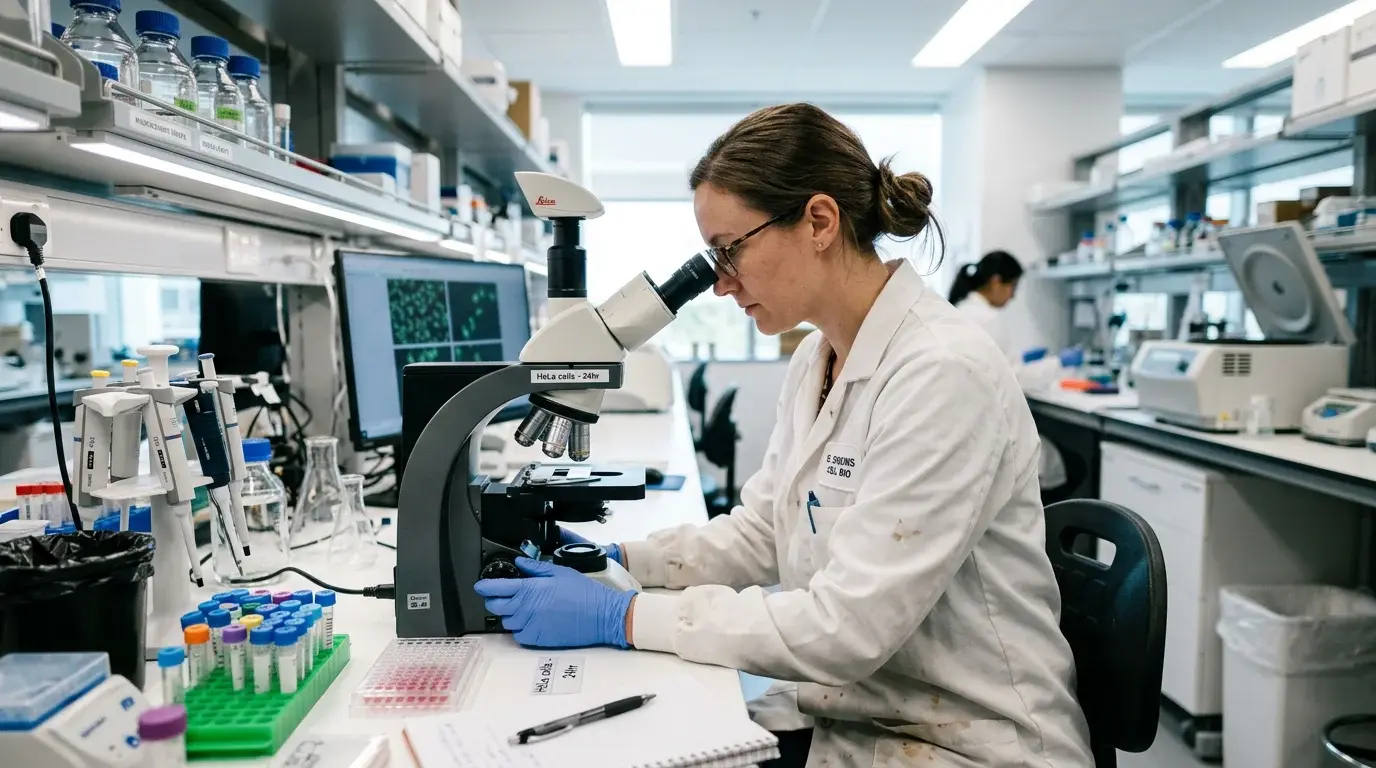
In dermal tissue, baseline autophagy maintains keratinocyte differentiation and protects dermal fibroblasts against the accumulation of cytotoxic protein aggregates. This is a continuous, low-level process rather than something that switches on only during extreme deprivation. Fasting does not invent autophagy in the skin; it modulates the rate at which an already-running system operates.
Differentiating dietary cellular fasting from topical cosmetic rest protocols is explored in Skin Fasting, a useful distinction before assuming every “fasting” claim in skincare marketing refers to the same biology.
Nutrient Sensing Pathways: mTOR Suppression and AMPK Activation
The cellular decision to prioritize growth or repair is governed largely by two opposing sensors. Nutrient deprivation suppresses the mechanistic target of rapamycin (mTORC1), a master regulator of cell growth, thereby initiating autophagic machinery. When mTORC1 activity drops, the cell shifts away from building new proteins and toward breaking down and recycling existing ones.
Concurrently, rising intracellular AMP levels activate 5′-AMP-activated protein kinase (AMPK), signaling energy scarcity and promoting cellular maintenance over proliferation. AMPK and mTORC1 function as a kind of switchboard: one pushes toward conservation and cleanup, the other toward expansion and synthesis. PMC’s study on mTOR inhibition, AMPK activation, and cutaneous tissue regeneration outlines how this signaling axis extends into skin tissue specifically, not just systemic metabolism.

Downregulation of mTORC1 reduces cellular protein synthesis while accelerating the degradation of damaged collagen fragments and impaired mitochondria within dermal cells. This is the mechanistic core of what biohacking marketing tends to flatten into “fasting clears out old cells.” The reality is narrower and more procedural: a shift in synthesis-versus-degradation balance, not a wholesale renewal event.
Understanding how glucose fluctuations accelerate collagen cross-linking and skin aging is detailed in Blood Sugar Spikes and Skin Aging, which contextualizes why glycemic stability, not fasting alone, is doing much of the structural work here.
Metabolic Cleansing vs. Dermal Reality: What Fasting Changes (and What It Doesn’t)
Fasting lowers circulating blood glucose and insulin levels, directly reducing the formation of advanced glycation end-products that stiffen dermal collagen fibers. JAAD Reviews’ clinical analysis on metabolic modulation, dermal barrier physiology, and glycemic control supports this connection between blood sugar regulation and collagen structural integrity.
Caloric restriction suppresses systemic pro-inflammatory cytokines, which can alleviate low-grade cutaneous inflammation and support stratum corneum recovery. For someone with diet-driven inflammatory patterns, this is a plausible and evidence-grounded benefit rather than a speculative one.
However, fasting cannot reverse structural photodamage or replace structural lipid losses caused by intrinsic biological aging or severe environmental exposure. Solar elastosis, established wrinkling, and years of UV-driven collagen fragmentation are structural problems. No amount of caloric timing manipulates them back into place—this is precisely where wellness marketing overreaches.
Evaluating systemic metabolic habits within broader cellular longevity frameworks is examined in Healthy Aging, which situates fasting as one input among several, not a singular fix.
Who Should (and Shouldn’t) Fast for Skin Benefits?
Not every skin profile responds to caloric restriction the same way, and dermatological research suggests candidacy matters as much as protocol design.
- Ideal candidates: individuals with metabolic dysregulation, mild inflammatory skin tendencies, or elevated glycation markers seeking systemic anti-inflammatory benefits.
- Less ideal candidates: individuals with compromised skin barriers, chronic dry skin, active eczema, or nutritional deficiencies requiring steady lipid and amino acid supply.
- Practical considerations: individuals who undertake fasting should ensure adequate hydration and micronutrient intake to prevent skin dehydration or systemic stress responses.
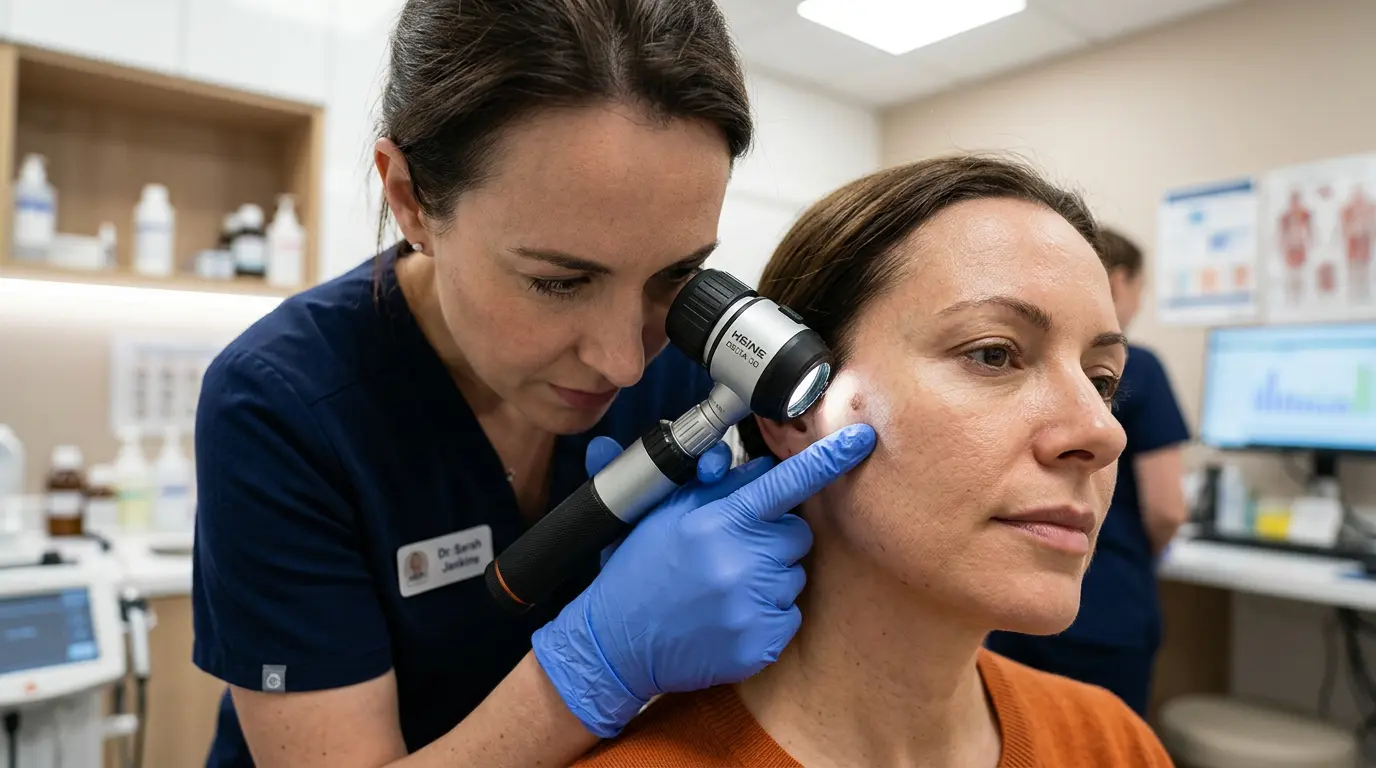
The barrier-compromised group deserves particular attention. Skin repair depends on a steady supply of amino acids and essential fatty acids; removing that supply on a chronic, poorly managed basis can work against the very repair processes fasting is meant to support.
The Final Verdict: Is Dietary Fasting a Legitimate Anti-Aging Tool?
Fasting provides real cellular benefits by activating AMPK, downregulating mTORC1, and enhancing autophagic removal of intracellular debris in dermal tissue. These are measurable, mechanistically sound processes, not wellness-industry invention.
However, fasting is not a standalone cure for structural skin aging and must be treated as a supportive metabolic tool rather than a replacement for proper sun protection and barrier care. Physiological evidence indicates that its strongest contributions are systemic—glycemic control, inflammation modulation—rather than a direct cosmetic transformation visible within days.
When practiced safely, intermittent caloric restriction offers a valid pathway to reduce systemic inflammatory signaling and support long-term dermal homeostasis. That is a legitimate claim. It is also a considerably more modest one than most anti-aging fasting content implies.
FAQ
How many hours of fasting are required to trigger autophagy in the skin?
Systemic autophagy typically begins after 12 to 16 hours of continuous caloric restriction, reaching higher activity levels around 24 to 48 hours. However, exact cellular timing in human skin tissue varies based on metabolic rate, baseline glycogen stores, and activity levels.
Can fasting make skin look dry or dull?
Yes. Extended fasting without proper electrolyte and fluid intake can cause systemic dehydration, which leads to temporary transepidermal water loss and a dull appearance. Maintaining adequate hydration is critical during fasting periods to protect barrier function.
Does intermittent fasting help with acne?
Intermittent fasting can reduce circulating insulin and insulin-like growth factor 1 (IGF-1) levels, which decreases sebum production and systemic inflammation. While this may help manage acne flares in some individuals, fasting is not a direct substitute for medical acne treatments.
Is “skin fasting” (stopping skincare products) the same as dietary fasting?
No. Dietary fasting involves abstaining from food to induce metabolic shifts like autophagy and mTOR suppression. “Skin fasting” refers to eliminating cosmetic products to let the stratum corneum reset, which operates on external barrier mechanics rather than intracellular recycling pathways.