

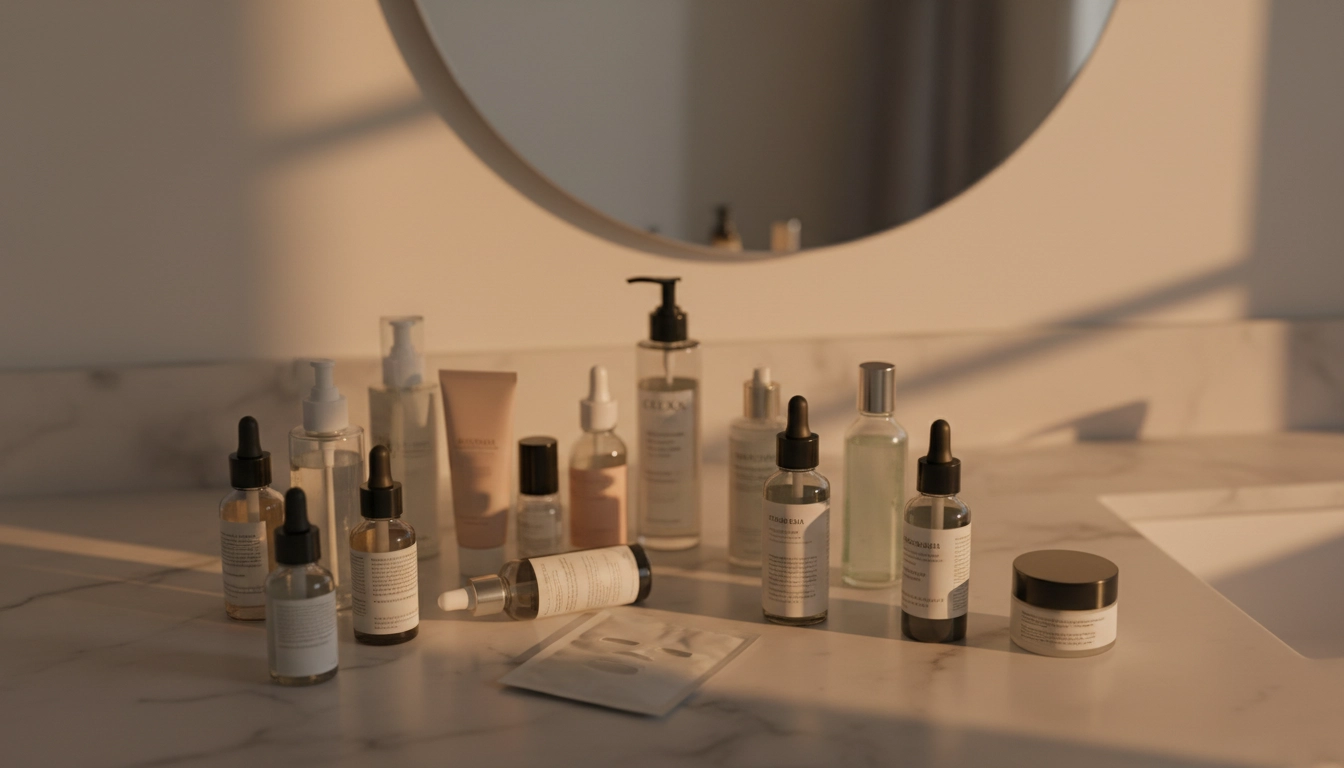
It’s Sunday evening. The bathroom counter looks like a small pharmacy — three serums half-used, a jar of cream from that viral TikTok video, an exfoliating toner bought on impulse, and a sheet mask gifted by a friend who swore it changed her life. Yet the face in the mirror looks tired, slightly irritated, and somehow less radiant than it did six months ago, before all of this began. This scene plays out in countless bathrooms around the world, and it reveals a quiet truth the beauty industry rarely whispers: skincare consistency matters far more than the price tag on any bottle.
The skin is not impressed by luxury. It responds to rhythm, patience, and the same gentle gestures repeated day after day. And sometimes, paradoxically, it responds best when given a little less.
The Quiet Revolution of Skin Fasting
Skin fasting is exactly what it sounds like — giving the skin a break. A pause from the parade of actives, acids, and ten-step routines. The idea, originally popularized in Japan, invites the skin to recalibrate and remember its own natural intelligence.
This doesn’t mean abandoning care altogether. It means stripping back to essentials — a gentle cleanser, a simple moisturizer, sunscreen — and allowing the skin’s barrier to rebuild without interference. For many women who have been layering product upon product, the results can feel almost startling. Redness softens. Texture smooths. That tight, reactive feeling fades.
Skin fasting works because the skin is a living organ with its own microbiome, its own oils, its own healing rhythm. When it is constantly interrupted by new ingredients, it never settles into balance. Less interference often means more harmony.
Signs Your Skin May Need a Fast
- Persistent redness or stinging after applying products
- Breakouts in unusual places, especially around the cheeks or jaw
- A dull, congested look despite using “brightening” formulas
- Tightness or flaking that wasn’t there before
- Skin that feels reactive to almost everything
These are gentle signals. The skin is asking for space, not another product.
Why Skincare Consistency Outperforms Luxury
There is a romance to a luxury skincare routine — the weight of a beautiful glass jar, the scent of rose absolute, the ritual of it all. And there is real value in pleasure and intention. But the skin itself does not read price tags. It reads repetition.
A modest moisturizer used every night for six months will almost always outperform a €300 cream used sporadically when motivation strikes. This is because skin cells operate on a biological calendar, not a marketing one.
The Skin Results Timeline
Understanding the skin results timeline brings tremendous relief. So much frustration comes from expecting overnight change from a process that is, by nature, slow.
- 2–4 weeks: Hydration improves, surface texture begins to soften
- 4–8 weeks: The skin barrier strengthens, redness calms
- 8–12 weeks: Tone evens out, fine lines may appear softer
- 3–6 months: Pigmentation lightens, collagen production responds to active ingredients
- 6+ months: Deep, lasting changes in firmness and resilience
This is why skincare habits matter more than skincare splurges. The same product, used faithfully, becomes more powerful with time — not less.
Building Slow Beauty Habits That Actually Work
Slow beauty habits are a quiet rebellion against the rush of trends. They invite a softer pace, where the goal isn’t perfection by Friday but health by next season.
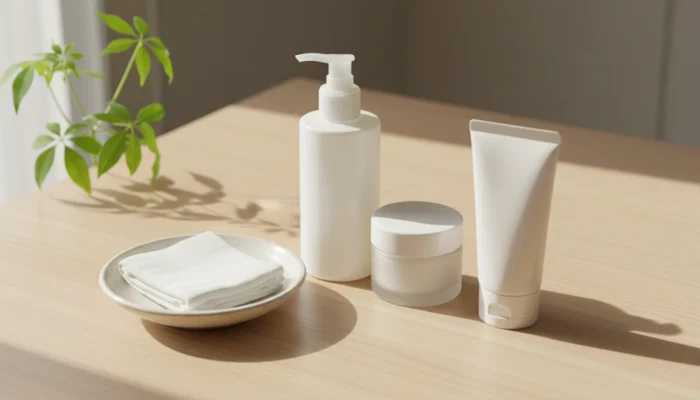
The foundation of a healthy skin routine is almost embarrassingly simple. Cleanse gently. Hydrate well. Protect from the sun. Repeat. Everything else is a thoughtful addition, not a requirement. For those just beginning, a beginner’s guide to a skincare routine can be a grounding place to start.
The Three-Pillar Approach
- Morning: Cleanse, hydrate, protect with SPF
- Evening: Cleanse, treat (if needed), nourish
- Weekly: One gentle exfoliation or mask, never more
That’s the entire framework. Within it, products can shift with the seasons, with life stages, with hormonal changes. But the structure stays. A simple minimalist skincare routine often delivers more visible results than the most elaborate regimen, simply because it can actually be maintained.
Scientifically Backed Ingredients That Reward Patience
When the skin is ready for actives — and not every skin is, every day — choosing ingredients with real dermatological evidence makes all the difference. These are the ingredients that have stood the test of clinical research, not just marketing campaigns.
Niacinamide
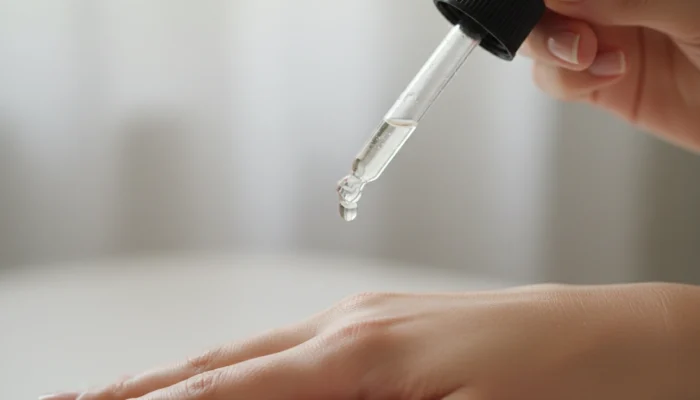
A form of vitamin B3, niacinamide is one of the most studied ingredients in modern dermatology. It strengthens the skin barrier, regulates sebum production, and visibly reduces redness and uneven tone. Most skin types tolerate it beautifully at concentrations between 2% and 5%.
Hyaluronic Acid
This molecule holds up to 1,000 times its weight in water. When applied to slightly damp skin, it draws moisture into the upper layers, plumping fine lines and restoring softness. It works for nearly every skin type, including sensitive and acne-prone.
Vitamin C (L-Ascorbic Acid)
A powerful antioxidant that brightens, supports collagen synthesis, and helps neutralize environmental damage. It pairs beautifully with sunscreen during the day. For those weighing options, the comparison between niacinamide and vitamin C is worth understanding, as both serve different but complementary roles.
Retinoids
The gold standard for cell turnover and long-term skin renewal. Retinoids require patience — visible results often take 12 weeks or more — but the evidence behind them is substantial. They should be introduced slowly and always paired with SPF.
Ceramides
These lipids are naturally present in the skin barrier. Replenishing them through skincare helps the skin retain moisture and stay resilient against irritation—especially valuable during colder months or for sensitive skin types.
To support your skin through seasonal shifts, explore Quietdose for gentle, barrier-focused care designed to keep your skin deeply hydrated and comfortable.
Always consult with a healthcare professional before starting new treatments, particularly when introducing retinoids, acids, or prescription-strength formulas.
Expert Tip and a Common Myth Debunked
The Expert Tip
Introduce only one new product every three to four weeks. This gives the skin time to adjust and makes it possible to identify what is actually working — and what might be causing irritation. Most negative reactions happen when too many new ingredients enter the routine at once.
The Myth: “If a Little Is Good, More Must Be Better”
This is perhaps the most damaging belief in modern skincare. Using vitamin C three times a day will not brighten skin faster — it may inflame it. Applying retinol every night from the start often leads to a compromised barrier, not smoother skin. The skin responds to appropriate amounts, applied consistently, over time. More is not faster. More is usually slower, because the skin spends its energy recovering rather than improving.
The Emotional Side of Skincare Consistency
There is something deeply tender about caring for the same face every morning and every night. Skincare consistency is not just a biological strategy — it is an emotional practice. It is choosing to show up for oneself even on the tired days, even when nothing seems to be changing, even when the mirror feels unkind.
Many women abandon products just before they begin to work. The four-week mark is notoriously difficult. The skin is in transition, sometimes looking worse before it looks better, and the temptation to throw everything out and start fresh is enormous. This is precisely the moment to stay.
For those navigating reactive or sensitive skin during this stage, gentle approaches like those explored in managing sensitive skin can offer steadiness without overwhelming the barrier.
When Consistency Means Changing Course
Consistency does not mean rigidity. The skin shifts with the seasons, with stress, with sleep, with hormones. A healthy skin routine accounts for this. Heavier creams in winter. Lighter textures in summer. More hydration during travel. Less exfoliation during illness.
The constancy lies in the commitment to care, not in the exact contents of the routine. This is the difference between rigid discipline and living attentiveness.
Signs a Product Truly Isn’t Working
- Persistent stinging or burning beyond the first few uses
- New breakouts that worsen over four to six weeks
- Increased dryness or flaking that doesn’t resolve
- A dull, gray cast to the skin
- No visible change after three full months of consistent use
If a serum has been used faithfully for months without any shift, it may simply not be the right fit. Insights from articles like why a serum isn’t working can help identify whether the issue is the product, the routine, or the expectation.
The Quiet Luxury of Doing Less

There is a particular kind of beauty in restraint. A face cared for gently, with a few well-chosen products used faithfully, often glows in a way that no ten-step routine can match. This is the quiet luxury the industry rarely sells — because it cannot be bottled and sold.
Skincare consistency, paired with occasional skin fasting, builds something more valuable than any single product. It builds trust between a person and her own skin. It builds the kind of resilience that survives bad weeks, stressful seasons, and the inevitable passing of time. And it costs almost nothing — only patience, attention, and the willingness to believe that slow is not the same as ineffective.
The skin remembers every gentle gesture. It remembers every harsh one too. The accumulation of small, kind choices, repeated across months and years, is what creates the kind of skin that looks cared for from the inside out.
Frequently Asked Questions
How long should a skin fast last?
Most skin benefits from a fast of three to seven days, using only a gentle cleanser, basic moisturizer, and sunscreen. Longer fasts of two to four weeks can be helpful for very reactive or over-exfoliated skin, but a healthcare professional should guide longer pauses, especially when prescription products are involved.
Can skincare consistency really replace expensive products?
In most cases, yes. A modest, well-formulated routine used daily for months will outperform luxury products used inconsistently. The skin responds to repetition and patience far more than to ingredient prestige or price. Consistency is the active ingredient that no brand can package.
How do I know if my routine is actually working?
Give any new routine at least 8 to 12 weeks before evaluating results. Take a clean, unfiltered photo at the start and compare monthly. Look for improvements in barrier strength, hydration, and overall calmness rather than dramatic overnight changes. Real progress is usually gradual and most visible in retrospect.
Pingback: Fasting and Skin Health: What Autophagy Actually Means for Cellular Repair - Denyva