


It’s 1:47 a.m. The phone screen glows softly on the nightstand. Another night of tossing, scrolling, calculating how many hours of sleep are still possible if sleep arrives right now. The next morning, the mirror tells the story — dull skin, puffy eyes, a jawline holding tension that no serum seems to soften. This quiet exhaustion is something so many women carry, often without realising that one small mineral might be at the heart of it all.
Magnesium for better sleep and skin is one of those gentle, overlooked answers in modern wellness. It doesn’t shout. It doesn’t trend like collagen powders or vitamin C serums. Yet its influence on rest, hormones, and skin repair runs deep — and most women are running low on it without even knowing.
Why Magnesium Quietly Slips Away
Magnesium is involved in more than 300 enzymatic processes in the body. It calms the nervous system, regulates cortisol, supports muscle relaxation, and helps the skin repair itself overnight. The problem? Modern living drains it faster than most diets can replenish.
Stress, caffeine, alcohol, processed foods, and even intense workouts pull magnesium from the body. Soil depletion means that the leafy greens and nuts of today contain less of it than they did decades ago. Add hormonal fluctuations, and the picture becomes clear — magnesium deficiency skin health concerns are quietly affecting women everywhere.
Subtle Signs Worth Noticing
- Trouble falling or staying asleep
- Tense shoulders and clenched jaw
- Dull, tired-looking complexion
- Increased sensitivity or redness
- Restless legs or muscle twitches
- Heightened anxiety or irritability
These signals often whisper before they shout. And when they do, the body is usually asking for support — not another harsh product.
The Connection Between Stress, Cortisol and Skin
Stress and magnesium deficiency tend to travel together. When cortisol rises, magnesium levels fall. When magnesium falls, cortisol climbs even higher. It’s a cycle that wears down the nervous system and the skin barrier at the same time.
Elevated cortisol breaks down collagen, weakens the skin’s protective barrier, and amplifies inflammation. This is where the link between magnesium and cortisol becomes essential. Replenishing magnesium helps soften the stress response, which gives the skin space to recover. If this resonates, the deeper relationship between stress and collagen loss is worth exploring — it explains so much about why skin changes during demanding seasons of life.
Why Overstimulation Plays a Role
Constant notifications, blue light, and emotional load keep the nervous system in a low-grade fight-or-flight mode. The result is poor sleep, increased breakouts, and a tired complexion. Understanding how overstimulation affects skin health often becomes the missing piece in a skincare routine that “should be working” but isn’t.
Magnesium for Better Sleep and Skin: How It Actually Works
Sleep is when the skin does its most important work. Cellular turnover speeds up. Collagen synthesis peaks. The skin barrier rebuilds itself. Without deep, restorative sleep, none of these processes reach their full potential — no matter how expensive the night cream.
Magnesium supports the production of melatonin and activates GABA, the neurotransmitter responsible for calming the brain. It relaxes muscles, slows the heart rate, and signals to the body that it’s safe to rest. This is why magnesium glycinate beauty sleep has become such a quietly beloved ritual among women who care about both wellness and complexion.
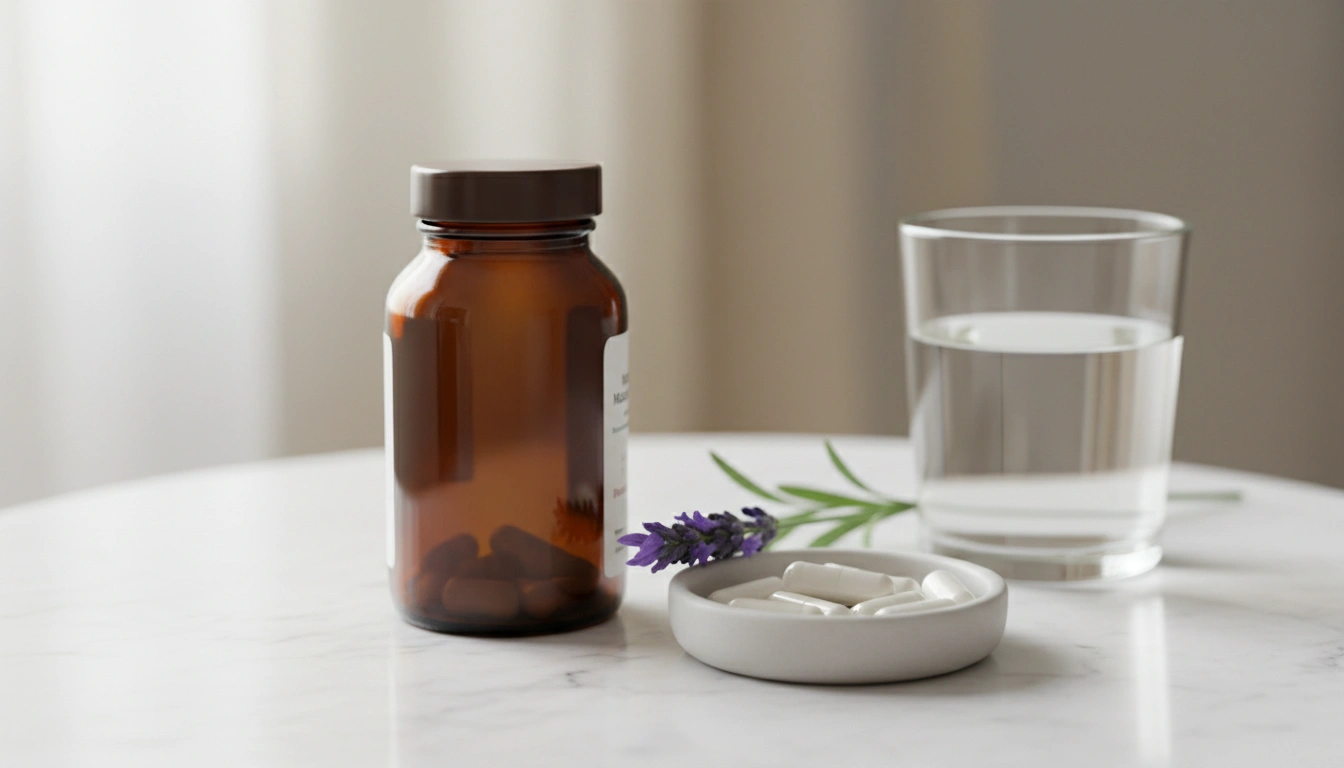
Which Form of Magnesium Matters
- Magnesium glycinate — gentle on digestion, calming, ideal for sleep and skin
- Magnesium citrate — supportive for digestion, mild laxative effect
- Magnesium malate — helpful for fatigue and muscle soreness
- Magnesium threonate — known for cognitive and mood support
- Topical magnesium (oil or flakes) — wonderful in evening baths to ease tension
For beauty sleep specifically, glycinate tends to be the softest, most effective choice. Always consult with a healthcare professional before starting new treatments.
Minerals for Skin Repair Overnight
Magnesium rarely works alone. The skin’s overnight repair process relies on a quiet team of minerals working together while the body rests. Think of it as the inner skincare routine — the one no serum can replace.
- Zinc — supports wound healing and reduces breakouts
- Selenium — protects against oxidative stress
- Silica — helps maintain collagen structure
- Copper — encourages elastin and collagen production
- Magnesium — calms inflammation and supports cellular renewal
When these minerals for skin repair overnight are in balance, the skin wakes up looking rested, calm, and naturally luminous. This kind of slow, internal nourishment aligns beautifully with the slow beauty movement — a philosophy of caring for skin from the inside out, without rushing or forcing results.
Scientifically Backed Ingredients That Pair Beautifully with Magnesium
While magnesium works internally, certain topical ingredients support the same goals from the outside. Together, they create a quiet synergy that calms, repairs, and strengthens the skin.
Niacinamide
A form of vitamin B3, niacinamide reinforces the skin barrier, reduces redness, and regulates sebum. Dermatology research consistently shows its ability to improve uneven tone and minimise the appearance of pores. It pairs especially well with magnesium because both calm inflammation at the cellular level.
Hyaluronic Acid
Known for its ability to hold up to 1,000 times its weight in water, hyaluronic acid plumps and hydrates the skin overnight. Well-rested, magnesium-supported skin holds onto this hydration more efficiently.
Ceramides
These lipids are the mortar between skin cells. They protect against moisture loss and environmental stress — essential for anyone working on skin barrier repair after a period of stress or sensitivity.
Peptides
Signal molecules that encourage collagen and elastin production. When combined with restorative sleep, peptides perform at their best.
Panthenol (Vitamin B5)
Deeply soothing and hydrating, panthenol calms reactive skin and supports healing — a beautiful companion during stressful seasons.
Magnesium Supplements and Women’s Wellness
Magnesium supplements women wellness conversations often centre on energy, mood, and hormonal balance. And rightly so. Magnesium plays a role in PMS relief, perimenopausal sleep disturbances, and the body’s ability to manage emotional load.
For skin, this matters because hormones and stress are two of the biggest disruptors of complexion. When magnesium levels rise, sleep deepens, cortisol softens, and the skin begins to show it. The glow that follows isn’t from a highlighter — it’s from a nervous system finally allowed to rest. This is the heart of true wellness and skin health.
Expert Tip & Myth Debunking
Expert tip: Take magnesium glycinate about 30–60 minutes before bed, paired with a screen-free wind-down ritual. The combination magnifies its calming effect on both mind and skin.
Common myth: “If I eat a balanced diet, I get enough magnesium.” In reality, modern soil, stress, and lifestyle habits make true magnesium sufficiency rare — even with a clean, whole-food diet. Testing and gentle supplementation often tell a more accurate story.
Building a Calm Evening Ritual

Magnesium works best within a slower evening rhythm. A racing nervous system at 10 p.m. won’t absorb the benefits as deeply as one that’s been gently guided toward rest. Small rituals make all the difference.
- Dim the lights an hour before bed
- Limit screens or use blue light filters — and consider protecting skin in the age of blue light
- Sip warm magnesium-rich tea or take a glycinate supplement
- Apply a barrier-supporting night cream with niacinamide or ceramides
- Try a warm bath with magnesium flakes once or twice a week
- Breathe slowly for two minutes before sleep
These rituals echo the philosophy behind restoring your skin’s resilience after stress — slow, intentional, deeply nourishing.
When the Skin Begins to Soften
The shift is rarely dramatic at first. A slightly deeper sleep. A quieter mind. A jawline that isn’t clenched by morning. Then, gradually, the skin starts to look more even, more rested, more itself. Less reactive. Less tired. More like the version that feels aligned with how a woman wants to feel in her own skin.
This kind of beauty isn’t loud. It’s the same energy behind quiet luxury makeup and the choice of clean ingredients — refined, considered, and deeply personal.
Frequently Asked Questions
1. How long does it take to see skin benefits from magnesium?
Most women notice improved sleep within one to two weeks, while skin-related changes — calmer tone, less puffiness, a softer complexion — typically appear after four to eight weeks of consistent use.
2. Can magnesium replace a skincare routine?
No, but it strengthens everything a routine is trying to achieve. Magnesium supports the internal environment where serums, moisturisers, and barrier creams perform at their best.
3. Is it safe to take magnesium every night?
For most healthy adults, nightly magnesium glycinate is well tolerated. However, dosage and form should be guided by a qualified practitioner, especially for those with kidney concerns or on medications.