

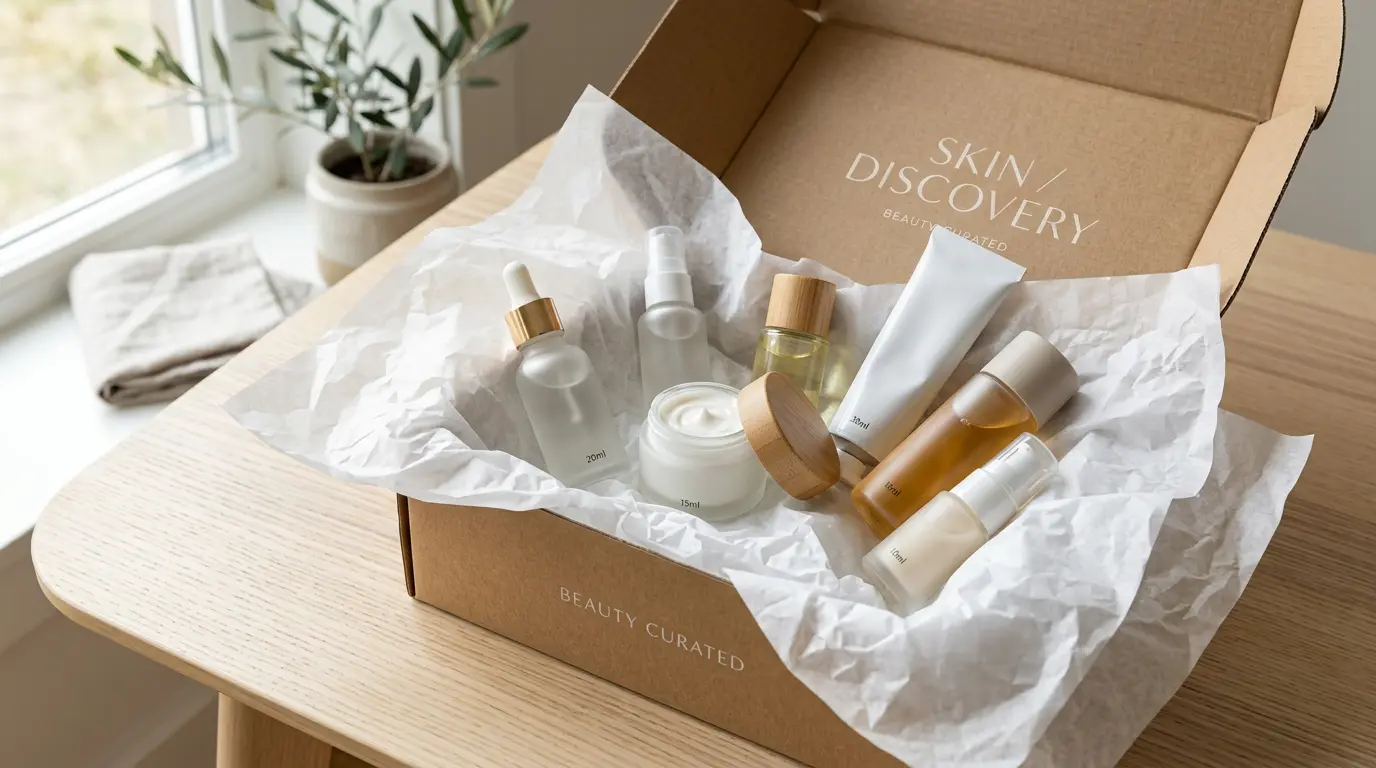
The unboxing experience has become a fixture of social media, promising a curated edit of premium products delivered to your door each month. But evaluating skincare subscription boxes requires looking past the ritual of the delivery itself and into the psychology driving it. The niche beauty discovery model markets itself as a cost-effective way to test emerging brands, yet introducing several new formulas every month frequently causes product overload, barrier irritation, and quiet subscription fatigue. Understanding how these curation models actually operate reveals whether monthly sampling serves your skin, or simply keeps you inside a consumer cycle.
The Psychology of Unboxing: Anticipation, Dopamine, and Discovery
Subscription models are built on variable reward structures. The anticipation of not knowing exactly what will arrive triggers a dopamine response during unboxing, independent of whether any of the products are actually suited to your skin type.
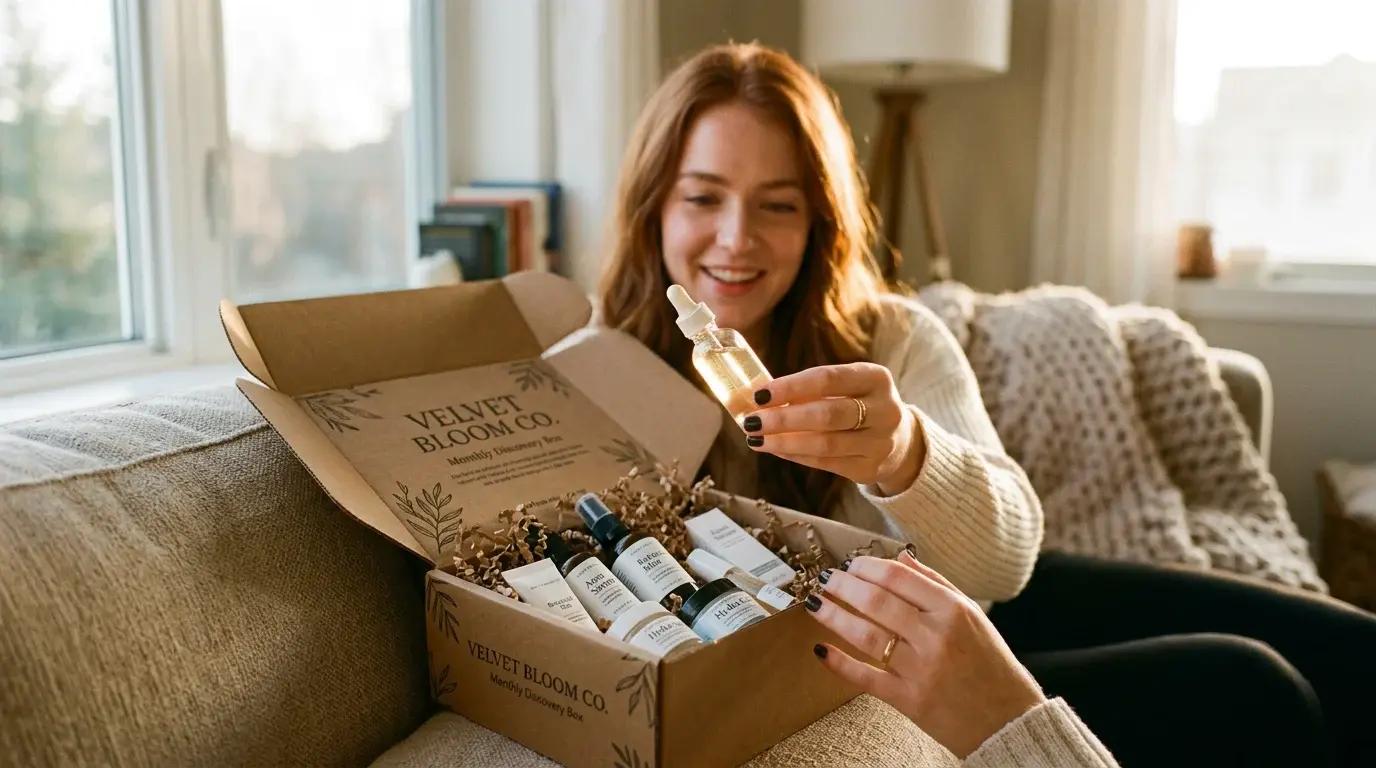
Consumer research on choice psychology and novelty-seeking behavior points to what is often called the “surprisal effect”—the pleasure of the unexpected. This mechanic shifts attention away from whether a routine works over time and toward the short-term thrill of acquiring something new.
Brands lean into this by emphasizing “high retail value” language on box inserts. That framing often obscures a simpler truth: you are paying, in aggregate, for products you would likely never choose to buy individually at full price.
Strip away the packaging theatre and what remains is a retail dopamine cycle, not a response to any dermatological need. The box satisfies curiosity. It rarely addresses skin.
The Dermatological Dilemma: Rapid Product Switching and Barrier Health
Dermatological consensus is fairly consistent on this point: judging whether an active ingredient actually works—retinoid-driven cell turnover, pigment inhibition from a brightening acid—requires four to twelve weeks of continuous, uninterrupted use. A single month is rarely enough.
Subscription boxes work against that timeline by design. Rotating through several deluxe samples every cycle prevents the skin from adapting to any one active, and clinical analysis of skin barrier function and cosmetic contact dermatitis notes that this kind of frequent formula-switching raises the likelihood of contact irritation and disruption to the stratum corneum.
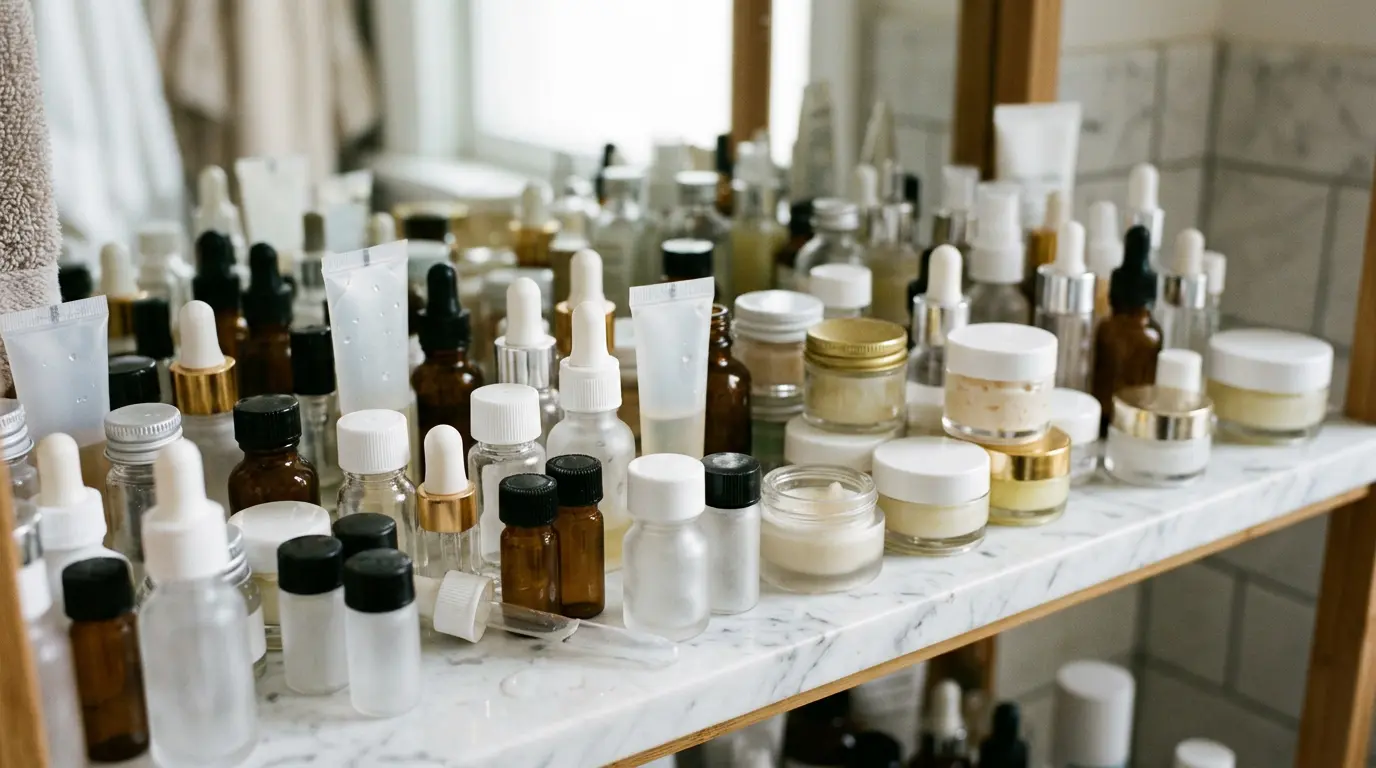
There is also a practical volume problem. Sample sizes, typically 5ml to 15ml, are often used up before any meaningful result could reasonably appear. The consumer is left in a permanent state of initial patch-testing, never quite reaching the point where a product’s real effect—or lack of one—becomes visible.
For readers trying to separate genuinely well-formulated indie brands from those simply riding sampling trends, exploring how curated selections navigate formulation quality versus marketing noise is detailed in Good Niche Skincare Brands.
The Business Model: How Brands Use Subscription Boxes to Clear Inventory
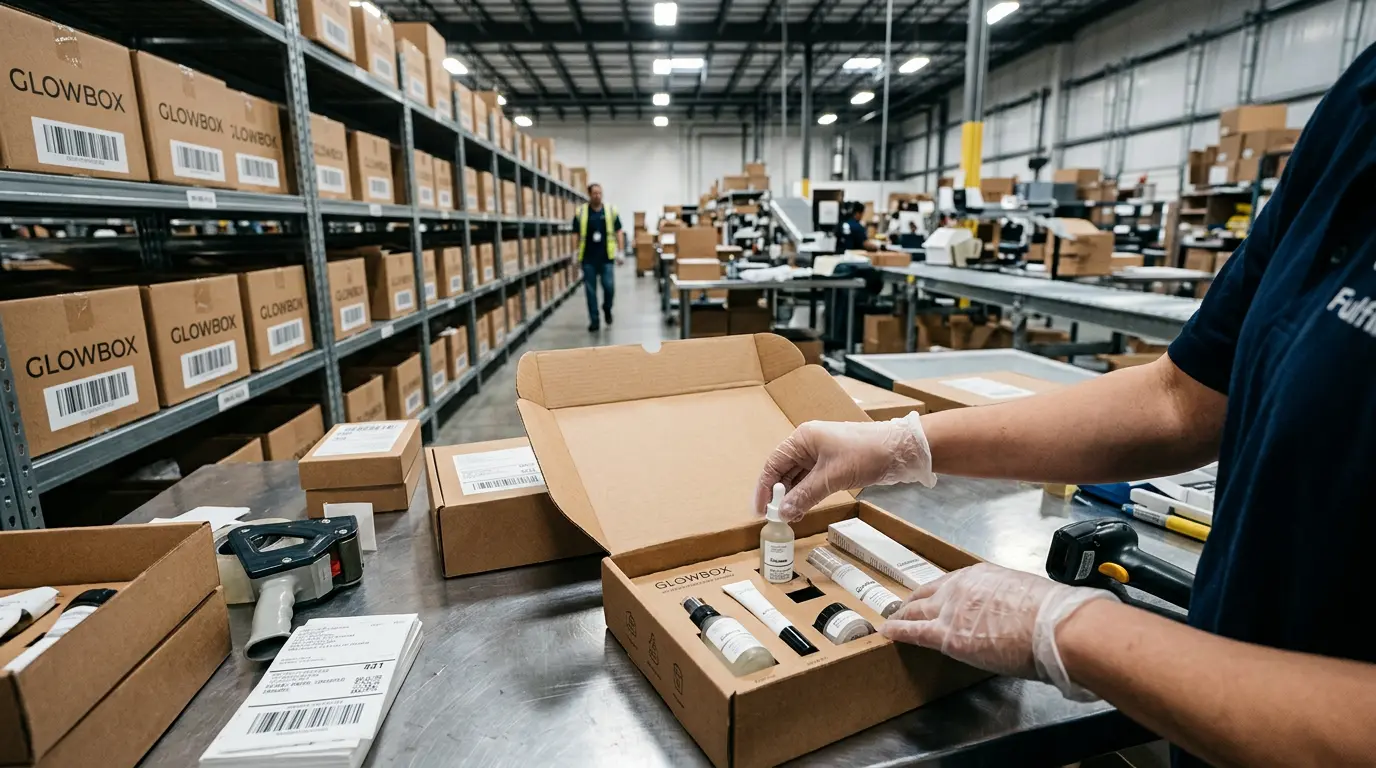
Subscription platforms are not neutral curators. They partner with brands looking for fast trial generation, and that arrangement frequently involves overstock batches, near-expiry inventory, or promotional sizes created specifically for this channel.
Broader retail supply chain and promotional sampling research outlines how sampling programs function as an efficient distribution mechanism for excess or slower-moving stock, not necessarily as a showcase of a brand’s best-performing products.
For smaller, indie brands, offering deeply discounted sample volumes is essentially a loss-leader marketing expense. The goal is not the box sale itself, but the higher-margin full-size purchase that hopefully follows.
The financial architecture underneath all of this depends on subscriber inertia—people who forget to pause or cancel, even as unopened product piles up in a drawer. Comparing how these indie brand economics differ from established luxury retail pricing structures is covered in Niche Skincare vs Luxury Skincare.
When Subscription Boxes Actually Make Sense
None of this means the model is worthless. Category-specific boxes—say, one built entirely around seasonal sunscreens or gentle hydrating cleansers—allow for practical testing inside a narrow, lower-risk product category, rather than a scattershot mix of actives.
One-off discovery sets, purchased individually rather than as a recurring subscription, offer a way to experiment without locking into an ongoing financial commitment. This also removes the inertia problem entirely, since there is nothing left to forget to cancel.
Discovery models can also be genuinely useful for accessing small-batch international formulations—East Asian or European brands, for example—that have no local retail footprint. In that narrow case, the box functions as an actual distribution solution rather than a novelty mechanism.
A Rational Framework for Evaluating Skincare Discovery
Before signing up for anything recurring, it’s worth auditing what you already own. Count your unused sample bottles and get an honest sense of your current product turnover rate—most people underestimate how much is sitting unused.
A one-in, one-out rule helps control the chaos: introduce new samples individually, and give each one at least three weeks of observation before adding a second. This is slower than the subscription model wants you to move, which is precisely the point.
Where possible, choose customizable or seasonal boxes—ones that let you pause deliveries, restrict categories, or opt out of heavily fragranced items. And judge a subscription’s success not by the number of boxes received, but by how many of those samples earned a permanent, full-size spot in your routine.
FAQ
Are skincare subscription boxes bad for sensitive skin?
They can be risky. Introducing multiple new formulas, essential oils, or active ingredients every month increases the likelihood of barrier compromise and allergic contact dermatitis, especially for individuals prone to rosacea, eczema, or reactivity.
Do sample-size skincare products contain the same formulas as full-size versions?
Generally yes, though packaging differences can impact active stability. Volatile actives like Vitamin C or retinol stored in clear, non-airless sample bottles may degrade faster than when housed in protective, full-size packaging.
How long should I test a skincare sample before deciding if it works?
While a sample can tell you if a product causes immediate redness or textural separation, evaluating true anti-aging, firming, or hyperpigmentation results requires at least 4 to 8 weeks of consistent daily use with a full-sized product.
How can I avoid accumulating unused skincare samples?
Set a strict rule to only open one sample at a time within a specific routine step. Store unopened samples in a dark, cool place and consider donating unneeded, sealed sample items to local shelters before they exceed their expiration dates.