

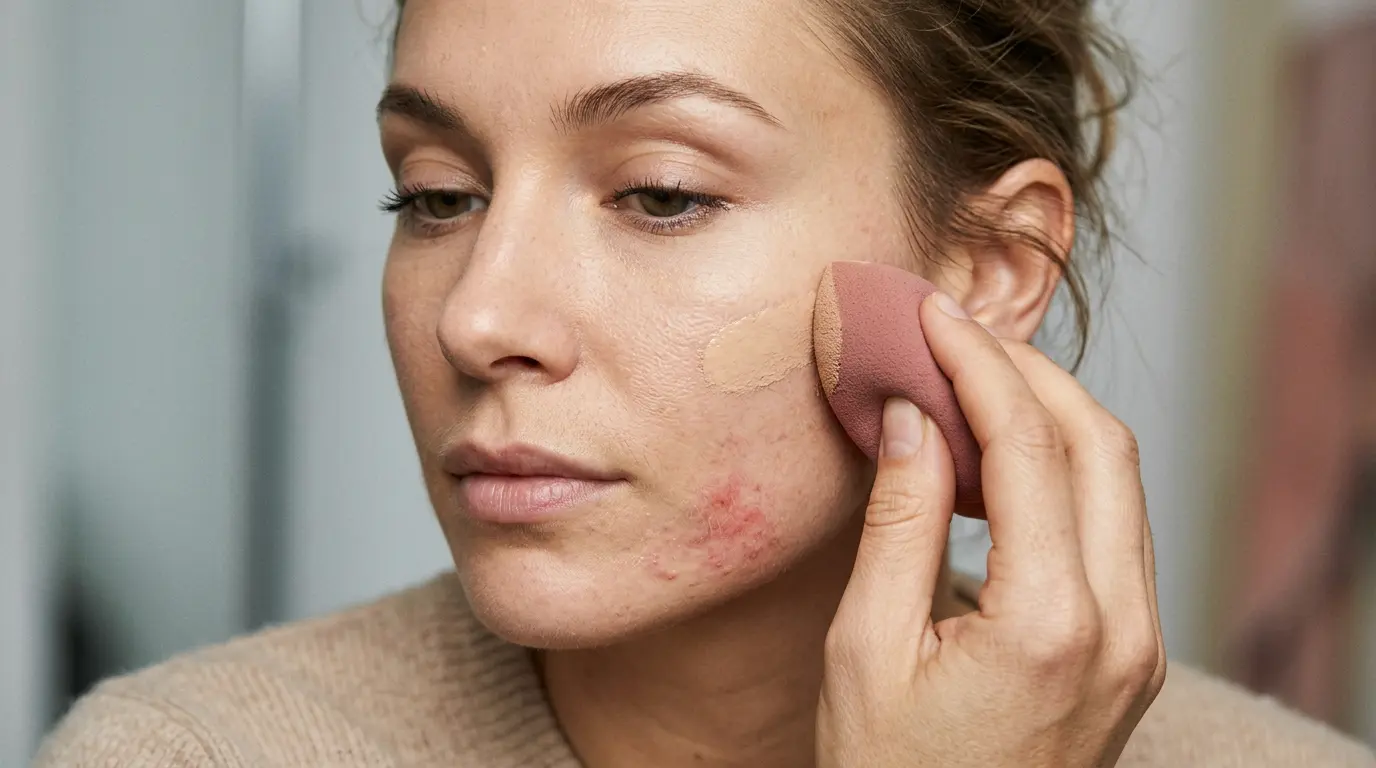
A subtle floral whiff from a luxury foundation or a fresh, citrusy aroma from a “clean” tinted moisturizer may seem like an elevated sensory touch, but behind the pleasant scent lies a frequent culprit of cosmetic distress. Many consumers assume that “natural,” “clean,” or botanical fragrances are inherently safer than synthetic perfumes. The reality of fragrance in makeup irritation and fragrance sensitization skin is that the human immune system makes zero distinction between a synthetic aromatic molecule and a plant-derived terpene once oxidation occurs on the skin barrier. The label may say “clean.” Your skin barrier disagrees.
The Illusion of “Clean” Fragrance Marketing
“Clean scent,” “naturally fragranced,” and “phthalate-free perfume” are phrases that sound reassuring. They also happen to carry no standardized legal or dermatological definition. A brand can print any of them on a bottle without submitting to a formal, agreed-upon threshold of safety.
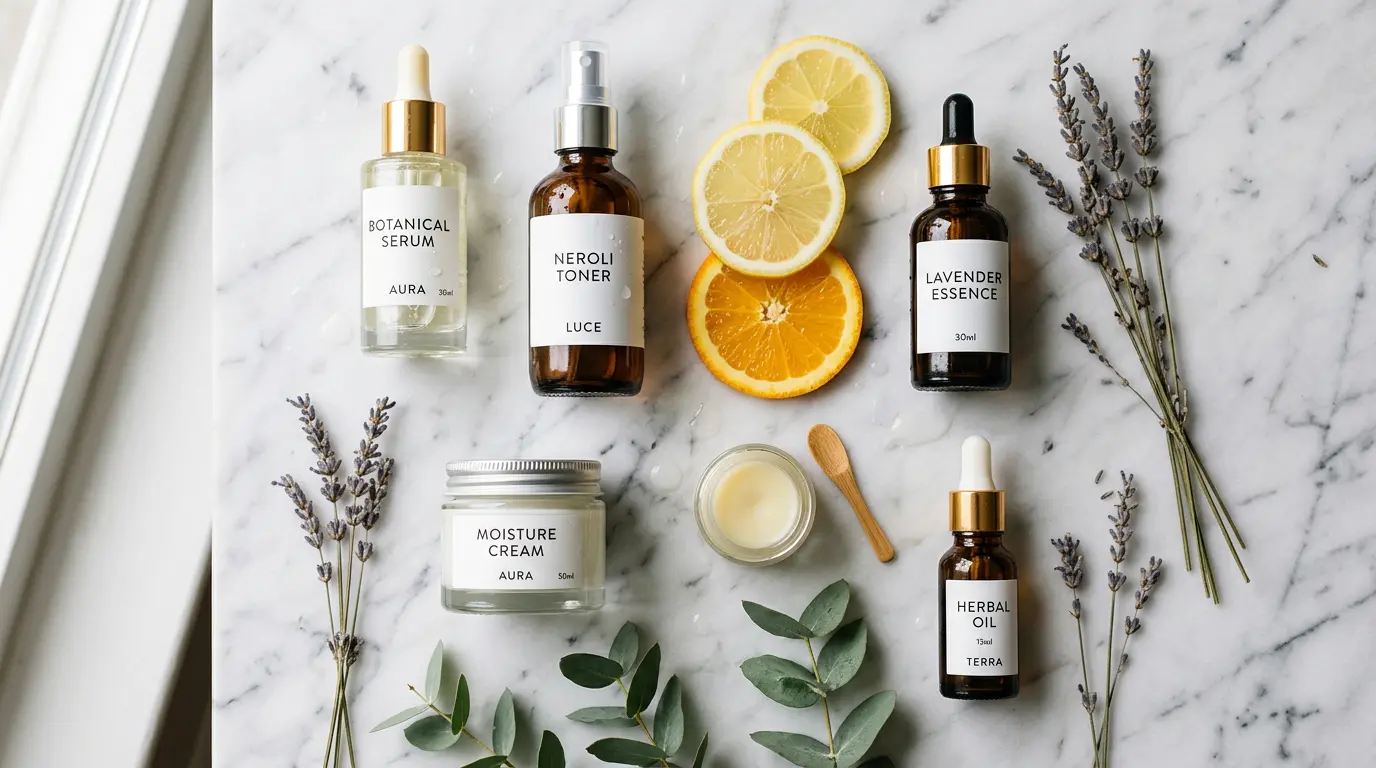
To maintain that clean image while still delivering a pleasant sensory experience, many brands swap synthetic parfum for botanical extracts, aromatic hydrosols, or essential oils. The scent still hits your nose. The chemistry behind it has simply changed disguise.
This is where the marketing narrative breaks down under scrutiny. Essential oils are not single, isolated compounds—they are volatile organic mixtures containing dozens, sometimes hundreds, of distinct chemical constituents. That complexity makes them structurally messier and, in many cases, more reactive than a single synthetic fragrance molecule engineered for stability.
The key message worth remembering here: “natural” is a description of origin, not a guarantee of tolerance. Sensitive skin does not read ingredient philosophy. It reacts to chemistry.
Oxidation and the Hydroperoxide Problem: How Linalool and Limonene Become Sensitizers
Two names show up constantly in cosmetic fragrance profiles: linalool and limonene. Both are monoterpenes, and both are among the most widespread aromatic constituents found in botanicals, citrus peels, and finished cosmetic scents alike.
In their pure, freshly manufactured state, linalool and limonene are considered weak primary allergens. Left alone, they would cause relatively little trouble. The problem begins the moment they meet air.
Upon exposure to oxygen, light, and ambient air, these compounds oxidize into hydroperoxides. Research examining linalool hydroperoxide formation and sensitization rates has documented how this oxidative transformation shifts a mild molecule into something far more provocative.
Hydroperoxides are potent haptens. They bind readily to skin proteins, and that binding is what triggers cell-mediated immune activation and, eventually, contact allergy. A clinical series examining oxidized limonene and contact allergy in dermatitis patients reinforces this same mechanism from the limonene side of the equation.
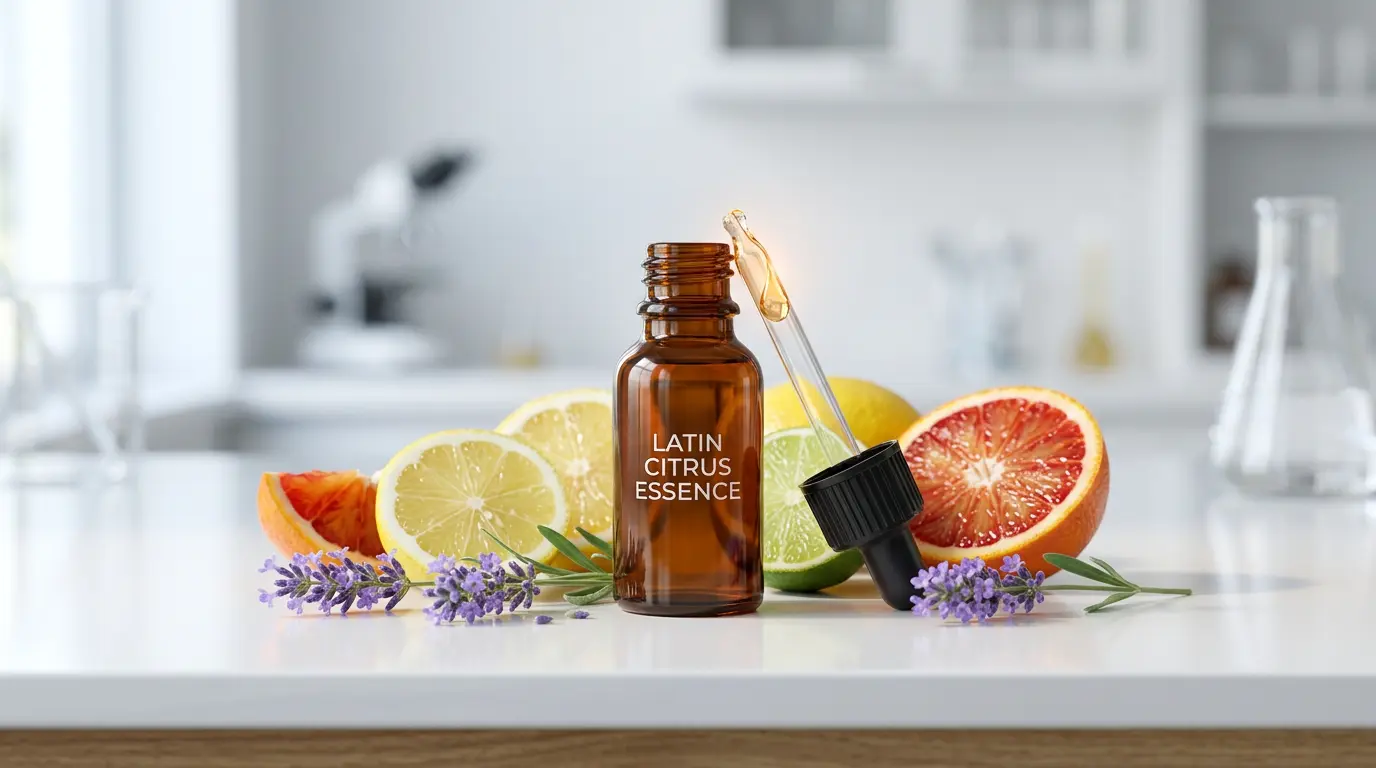
Because makeup containers are opened and closed repeatedly—every application introduces a fresh pulse of air into the formula—terpene oxidation is not a rare accident. It is an almost inevitable chemical process built into how these products are used day after day. The broader distinction between what “natural” claims actually promise and what the chemistry delivers is explored further in Clean Makeup vs. Traditional Makeup.
The key message: air exposure is the quiet mechanism that turns mild botanical aromatics into aggressive allergens, regardless of how the product markets itself.
Fragrance-Free vs. Unscented: What INCI Labels Aren’t Telling You
Two words, one letter apart in meaning, and consumers routinely treat them as synonyms: “unscented” and “fragrance-free.” They are not the same claim.
“Unscented” simply means the finished product does not have a noticeable smell to the average user. It says nothing about what was added to achieve that result. Many unscented formulas contain masking fragrances—compounds, synthetic or botanical, added specifically to neutralize the raw, often unpleasant odor of fatty acids or active ingredients.
“Fragrance-free,” by contrast, is a stricter claim. It indicates that no ingredient was added for the purpose of imparting or masking a scent at all. That distinction matters enormously to anyone managing reactive skin.
A review of cosmetic fragrance allergens and labeling regulations highlights how masking fragrances and essential oil fractions—geraniol, eugenol, citronellol among them—can still provoke low-grade inflammation even in products marketed as unperfumed. The skin does not check the marketing copy before it reacts.
Learning to decode a full ingredient list, rather than trusting a front-of-label claim, is the real skill here. That process of deciphering confusing ingredient lists and spotting potential irritants before purchase is covered in more depth in Clean Ingredients.
Cumulative Exposure and Facial Barrier Vulnerability
Fragrance in skincare and fragrance in makeup are not equivalent risks, even when the same aromatic compound is involved. Makeup sits on the face for eight to sixteen hours at a stretch, which creates a far longer window of contact between volatile hydroperoxides and the skin than a rinse-off or brief leave-on skincare step typically allows.
The facial skin barrier compounds this problem. Around the eyes, cheeks, and mouth, skin is noticeably thinner and more permeable than skin on the arms or legs. That thinness lowers the threshold at which barrier disruption begins, meaning the same hydroperoxide load that might pass unnoticed elsewhere on the body can provoke a visible response on the face.
Layering compounds the risk further. A perfumed primer, a scented foundation, and a fragranced setting powder applied in sequence do not simply stack their individual scent profiles—they stack their individual volatile hapten loads. Evidence indicates that this kind of cumulative exposure, repeated daily, raises the likelihood of eventual sensitization even in skin that tolerated each product in isolation for a while.
This is the piece that “clean scent” marketing rarely accounts for: it is not just what is in one bottle, it is what accumulates across an entire routine.
A Practical Guide for Fragrance-Sensitive Skin
None of this means abandoning makeup altogether. It means reading labels with more precision and making a few deliberate substitutions where it counts most.
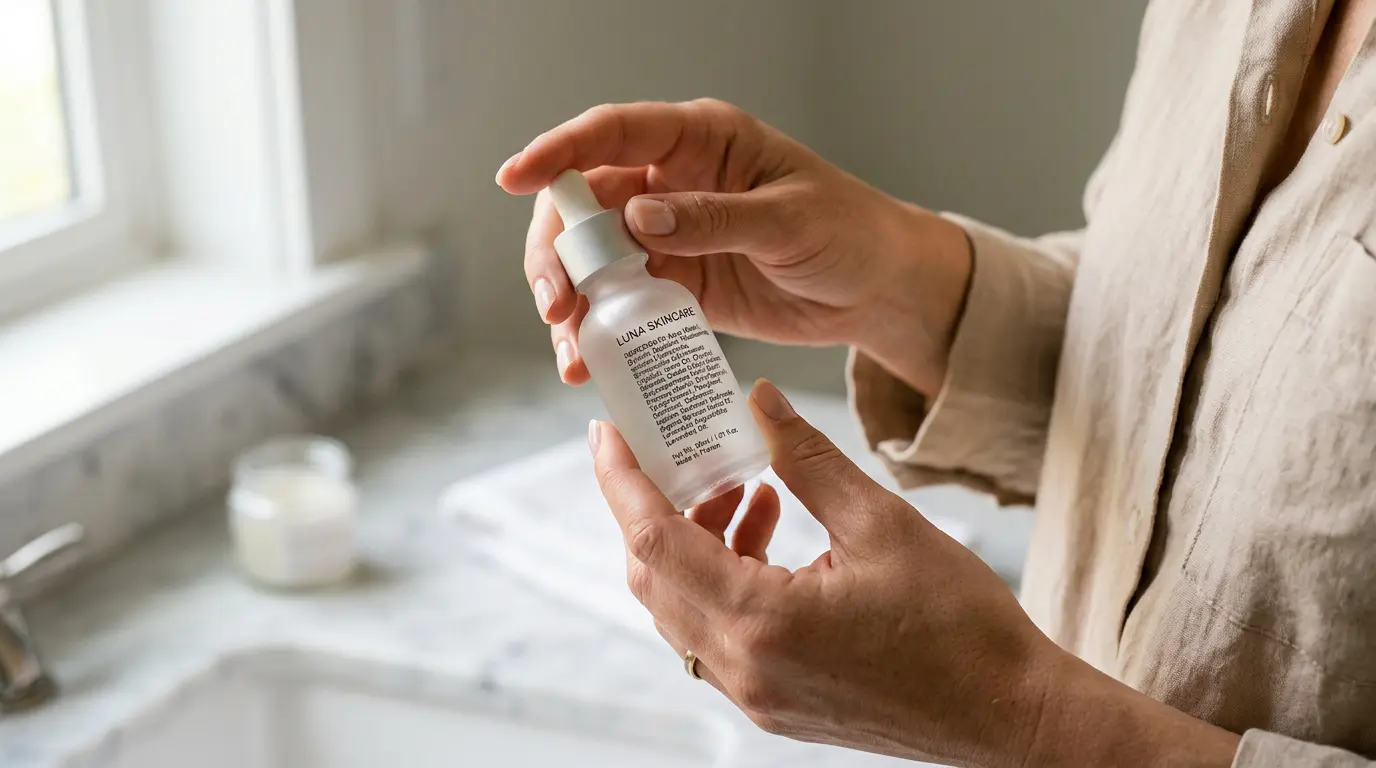
Start with the ingredient list itself. Regulatory frameworks in the EU require disclosure of 26 specific fragrance allergens when present above certain concentrations, and scanning for names like linalool, limonene, citral, geraniol, and farnesol near the bottom of an INCI list gives a reasonably quick read on exposure risk.
For leave-on base products—foundation, concealer, anything designed to stay on skin for hours—opt strictly for items explicitly labeled “fragrance-free” rather than “unscented” or “clean scented.” The distinction outlined earlier is not a technicality; it is the difference between an added irritant and its absence.
If irritation is already a suspected issue, a structured elimination approach helps clarify the picture. Removing all fragranced cosmetic steps for two to four weeks, or conducting a formal patch test, gives a reasonably clear signal as to whether sub-clinical redness or flaking resolves once fragrance exposure stops.
FAQ
Why does “clean” or natural fragrance still cause skin irritation?
Natural fragrances are derived from plant extracts and essential oils, which contain complex mixtures of volatile terpenes like linalool and limonene. When these natural compounds are exposed to air, they oxidize into hydroperoxides, which are potent chemical haptens capable of triggering immune sensitization and contact dermatitis regardless of their plant origin.
What is the difference between “fragrance-free” and “unscented”?
“Fragrance-free” means no fragrance chemicals or essential oils were added to create or mask a scent. “Unscented” means the product was formulated without a noticeable smell, but it may contain masking fragrances or neutralizers to hide the natural odor of raw industrial ingredients.
Can I develop a fragrance allergy if I have used scented makeup for years without issue?
Yes. Fragrance allergy develops through a process called sensitization. Your immune system can silently process aromatic hydroperoxides over months or years until T cells reach a critical sensitization threshold, after which subsequent exposures trigger visible redness, itching, or swelling.
Which fragrance ingredients are most likely to irritate sensitive facial skin?
The most common culprits are oxidized monoterpenes like linalool and limonene, as well as essential oils (such as lavender, citrus, and peppermint extracts) and isolated fragrance compounds like geraniol, eugenol, and cinnamal.