

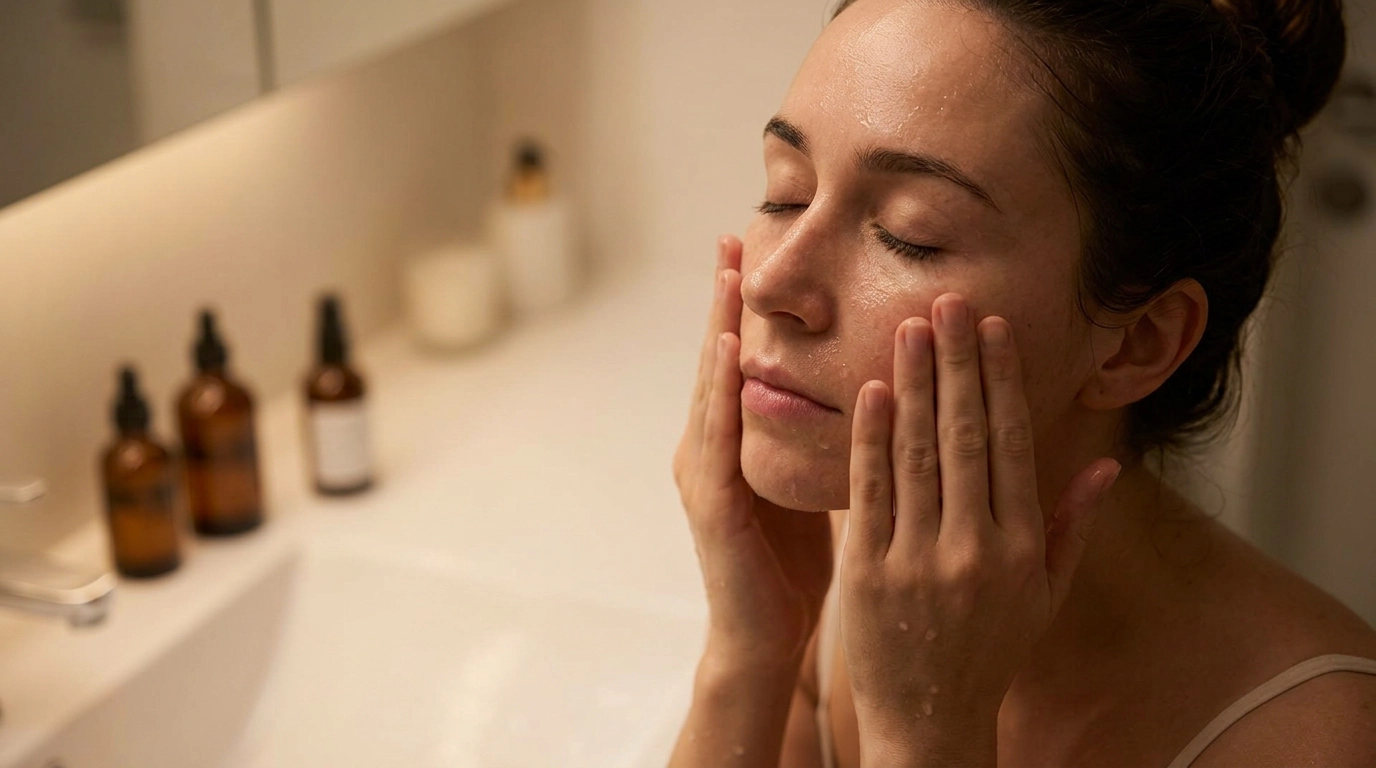
The day is finally done. You catch your reflection in the bathroom mirror, and the fatigue is visible. Your skin looks dull, maybe a little tight from hours in an air-conditioned office or exposure to the elements. There’s a layer of pollution, makeup, and sweat that just feels heavy. Washing it all away isn’t just about cleanliness; it’s the essential first step in a vital Night Skincare Routine that transitions your skin from defense to repair.
While you sleep, your body isn’t just resting; it’s incredibly active, and your skin is no exception. This nighttime window is when the most profound healing occurs. Understanding this process allows for a more intentional approach to your evening skincare ritual, moving beyond simple product application to a supportive practice that aligns with your body’s natural rhythms.
This isn’t about chasing miracles or falling for marketing hype. It’s about respecting the biological needs of your skin. A consistent PM skincare routine provides the necessary tools for optimal recovery, ensuring you wake up with a complexion that feels refreshed and resilient.
The Science of Sleep and Your Skin

Your skin operates on a 24-hour cycle, heavily influenced by your body’s internal clock, or circadian rhythm. During the day, skin is in protective mode, fighting off UV rays, pollution, and other environmental stressors. As the sun goes down, its focus shifts dramatically.
This shift triggers the nighttime skin recovery process. Melatonin levels rise, not just making you sleepy, but also acting as a powerful antioxidant within the skin, countering daytime damage. Growth hormone production increases, stimulating cellular repair and protein synthesis, including collagen.
Furthermore, the skin renewal cycle accelerates. New skin cells are produced more rapidly, and older cells are shed. This heightened activity makes the skin more permeable and receptive to active ingredients, making your nighttime skincare routine the ideal time for targeted treatments.
However, this increased activity comes with a downside. Transepidermal water loss (TEWL) – the process of moisture evaporating from the skin’s surface – significantly increases at night. This can lead to dehydration and a compromised skin barrier if not properly addressed with overnight hydration strategies.
Essential Steps for an Effective Evening Skincare Ritual
A supportive evening skincare routine doesn’t need to be overly complicated, but it does need to be consistent and thorough. The goal is to cleanse gently, treat effectively, and hydrate deeply.
Step 1: The Double Cleanse
Removing the day’s accumulation is paramount. A single wash often isn’t enough to break down sunscreen, makeup, and sebum. Start with an oil-based cleanser or micellar water to dissolve these impurities without stripping the skin. Follow with a gentle, water-based cleanser to remove any remaining residue and deeply clean the pores.
Step 2: Tone and Hydrate
After cleansing, a hydrating toner or essence can help balance the skin’s pH and provide an initial layer of moisture. Look for ingredients like rosewater, glycerin, or aloe vera. This step prepares the skin to better absorb subsequent products.
Step 3: Targeted Treatment (Serums)
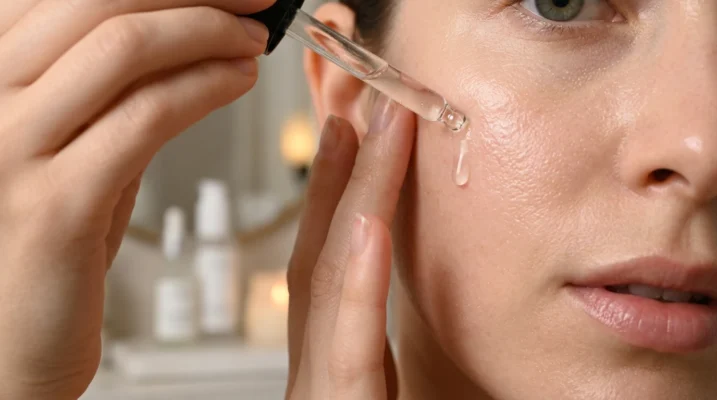
This is where you address specific concerns. Serums are concentrated formulations designed to penetrate deeply. Whether you’re focused on anti-aging, brightening, or calming inflammation, this is the time to apply those potent actives. If you’re new to this, a beginner’s guide to a skincare routine can help you navigate the options.
Step 4: Moisturize and Seal
The final, crucial step is application of a nourishing night cream or facial oil. This locks in the hydration from previous steps and creates a protective barrier to minimize overnight moisture loss. For those with dry or mature skin, incorporating anti-aging skincare strategies often involves richer creams or facial oils for night.
Scientifically Backed Ingredients for Nighttime Repair
Choosing the right ingredients is key to maximizing the overnight repair process. Look for components that support cellular turnover, strengthen the skin barrier, and provide deep hydration.
Retinoids (Retinol)
Often considered the gold standard for anti-aging, retinol at night is highly effective. Retinoids, derivatives of Vitamin A, work by accelerating cell turnover and stimulating collagen production. This helps reduce the appearance of fine lines, wrinkles, and hyperpigmentation. Because they can increase sun sensitivity, they are strictly for nighttime use.
Hyaluronic Acid
This powerful humectant can hold up to 1000 times its weight in water. It draws moisture into the skin, providing essential overnight hydration and plumping the complexion. It’s suitable for all skin types and works well in serums and moisturizers.
Ceramides
Ceramides are lipid molecules found naturally in the skin’s barrier, essential for maintaining moisture and shielding against environmental irritants. Topical ceramides help replenish these natural lipid levels, directly supporting barrier repair and reducing transepidermal water loss (TEWL).
If you’re looking to strengthen your barrier and keep your skin hydrated and calm, explore Quietdose for gentle care designed to restore your skin’s natural balance.
Niacinamide (Vitamin B3)
This versatile ingredient offers multiple benefits. It helps strengthen the skin barrier, reduces redness and inflammation, minimizes the appearance of pores, and regulates oil production. It’s generally well-tolerated, even by those managing sensitive skin.
Peptides
Peptides are short chains of amino acids that serve as building blocks for proteins like collagen and elastin. Topical peptides can signal the skin to produce more collagen, improving firmness and elasticity over time.
Nourishing Your Skin: Night Creams vs. Facial Oils
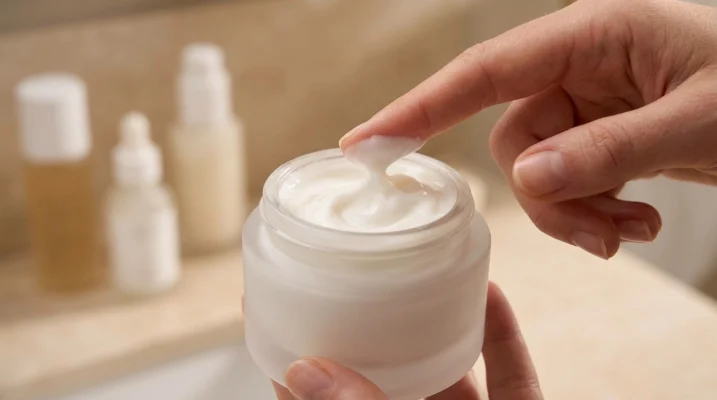
The choice between a best night cream and an overnight face oil often depends on skin type and personal preference. Both serve the vital function of moisturizing and sealing, but they do so in slightly different ways.
Night creams are typically emulsions of water and oil, often enriched with active ingredients like peptides, ceramides, and vitamins. They provide both hydration (water) and occlusion (oil) and are generally suitable for most skin types, with richer formulations available for drier skin.
Facial oils for night, on the other hand, are purely oil-based. They are excellent occlusives, meaning they excel at locking in moisture and preventing TEWL. They are particularly beneficial as skincare oils for dry skin or as a final layer over a moisturizer for extra protection. Many plant-based oils also offer antioxidant and anti-inflammatory benefits.
For some, a minimalist skincare routine might involve just a cleanser and a well-chosen night cream or oil. The key is finding what works for your skin’s unique needs.
Supporting Your Skin Beyond Products
While a consistent nighttime skincare routine is essential, true skin health is holistic. Several lifestyle factors significantly impact your skin’s ability to repair itself overnight.
- Prioritize Sleep: Aim for 7-9 hours of quality sleep per night. Chronic sleep deprivation elevates cortisol levels, which can break down collagen and inflame the skin.
- Manage Stress: High stress levels can exacerbate skin conditions like acne, eczema, and psoriasis. Incorporate stress-reducing practices like meditation, deep breathing, or yoga.
- Stay Hydrated: Drink plenty of water throughout the day to support overall hydration, which reflects in your skin.
- Maintain a Balanced Diet: Consume foods rich in antioxidants, vitamins, and healthy fats to provide your skin with the nutrients it needs for repair and regeneration.
- Change Pillowcases Regularly: Pillowcases can harbor bacteria, oil, and dirt, which can contribute to breakouts. Change them at least once a week.
Always consult with a healthcare professional before starting new treatments.
Myth Debunking: Do You Really Need a Separate Night Cream?
A common question is whether a dedicated night cream is necessary, or if a day moisturizer will suffice. While you *can* use a basic moisturizer day and night, night creams are often formulated differently to address the skin’s specific nighttime needs.
Day creams typically focus on protection, often containing SPF and antioxidants to fight environmental damage. They are usually lighter in texture to wear well under makeup.
Night creams, conversely, are generally richer and more occlusive to counter increased TEWL. They often contain higher concentrations of active ingredients like retinol or peptides, which are best suited for nighttime repair and may be too potent or sun-sensitizing for daytime use. So, while not strictly mandatory, a dedicated night cream can offer targeted support for optimal overnight skin repair.
Conclusion
Your skin’s nighttime activity is a powerful, natural process of renewal. By establishing a thoughtful and consistent Night Skincare Routine, you aren’t just applying products; you are actively supporting your skin’s inherent ability to heal, regenerate, and protect itself. This practice, rooted in understanding your skin’s biological rhythms, is a fundamental aspect of self-care that yields visible, lasting results. Embrace this evening ritual as an opportunity to nourish your skin and wake up to a complexion that truly reflects vitality and health.
Frequently Asked Questions (FAQ)
What is the best night skincare routine?
The best routine involves thorough double cleansing, applying targeted treatments like serums (e.g., with retinol or hyaluronic acid), and sealing it all in with a nourishing night cream or facial oil to prevent moisture loss.
Why is a nighttime skincare routine important?
At night, skin cell regeneration peaks, and the skin is more receptive to active ingredients. However, moisture loss also increases. A dedicated routine supports this repair process while providing essential hydration.
Can I use the same moisturizer for day and night?
While possible, night creams are often richer and contain repair-focused ingredients like retinol that are unsuitable for day use. Day creams typically contain SPF and are lighter, focusing on protection.
Pingback: Makeup SPF: Why Your Foundation Cannot Replace Sunscreen - Denyva