

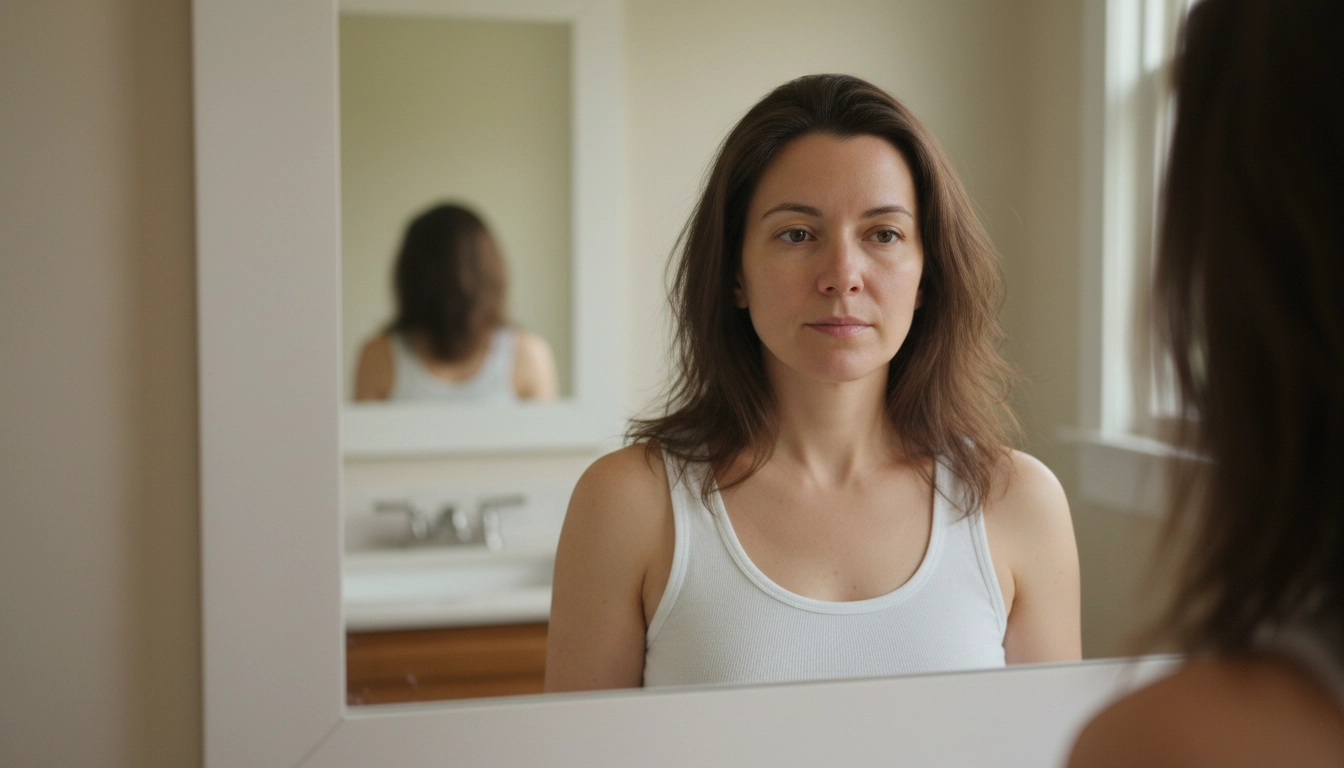
It’s 7:14 a.m. The mirror is honest in a way no one asked for. The under-eyes look bruised, the jawline feels puffy, and that small patch near the nose — usually calm — is suddenly pink and reactive. Last night was four hours of sleep, maybe five. A late deadline, a restless mind, a phone that wouldn’t stop glowing. And now the face is paying the invoice.
Most women have lived some version of this morning. It’s tempting to blame the lighting or the concealer. But the real story is happening underneath the skin, in the quiet hours when the body was supposed to be repairing itself and wasn’t given the chance. Understanding the link between sleep deprivation and skin health isn’t about chasing perfection — it’s about recognising what the skin is actually trying to say.
What Happens to Skin During a Normal Night of Sleep
Sleep is not passive for the skin. It’s one of the busiest shifts of the day. While the mind drifts, the body raises growth hormone, lowers cortisol, and increases blood flow to the skin’s surface. Cells divide faster. Damage from UV, pollution, and friction gets reviewed and repaired.
The skin barrier — that thin outer layer that holds water in and irritants out — does most of its rebuilding between roughly 11 p.m. and 4 a.m. Collagen production also peaks during deeper sleep stages. In short, the overnight hours are when the skin catches up with the day.
When that window is cut short, the catch-up doesn’t happen. The work gets postponed, and the face shows the backlog.

The Repair Window in Simple Terms
- Cell turnover — old surface cells are shed and replaced more efficiently during sleep.
- Barrier repair — lipids and proteins are restored, helping skin hold moisture.
- Reduced inflammation — cortisol drops, calming redness and reactivity.
- Microcirculation — blood flow increases, delivering oxygen and nutrients to skin cells.
Does Lack of Sleep Affect Skin? The Honest Answer
Yes — and faster than most people expect. Studies on women who sleep fewer than six hours a night consistently show measurable changes in skin: slower barrier recovery, more visible fine lines, uneven tone, and increased water loss through the surface of the skin. One poor night can dull the complexion. A pattern of poor nights starts to shape it.
So when someone asks, does lack of sleep affect skin, the answer isn’t subtle. The effects are biological, not cosmetic. They begin in the nervous system and end at the surface.
Can Lack of Sleep Cause Skin Problems?
It can — and it often makes existing ones louder. Can lack of sleep cause skin problems like breakouts, dullness, or sensitivity? Yes, especially when poor sleep becomes the norm rather than the exception. Sleep loss raises cortisol, which increases oil production and weakens the barrier. A weakened barrier lets irritants in more easily, which feeds redness and breakouts.
This is also where overstimulation and skin health overlap. Late-night scrolling, bright screens, and a nervous system that won’t power down all delay the same repair window the skin needs.
The Cortisol Problem: Sleep Deprivation and Health Issues That Show on the Face
Cortisol is the body’s main stress hormone. It’s supposed to rise in the morning and fall at night. Sleep deprivation flips that rhythm. Cortisol stays elevated when it should be low, and the skin reads that signal as ongoing stress.
High cortisol does several things at once:
- Breaks down collagen and elastin faster than the body rebuilds them.
- Increases sebum, which can clog pores and trigger breakouts.
- Weakens the skin barrier, leading to dryness and sensitivity.
- Raises baseline inflammation, making redness more persistent.
This is why sleep deprivation and health issues rarely stay contained. Poor sleep affects mood, digestion, immunity — and the skin is simply the most visible report card. For a deeper look at the hormonal side, the article on stress and collagen loss covers the long-term picture.
Sleep Deprivation and Physical Health: Why the Whole Body Matters
The skin isn’t separate from the rest of the body. Sleep deprivation and physical health are tied together through the immune system, circulation, and hormone balance. Poor sleep slows wound healing, reduces lymphatic drainage (hello, morning puffiness), and lowers the skin’s tolerance for active ingredients. A retinol that felt fine last month suddenly stings. That’s not the product changing — it’s the skin’s threshold dropping.
Sleep Deprivation Skin Damage: What It Actually Looks Like
The visible signs of sleep deprivation skin damage tend to follow a pattern. They aren’t dramatic at first, which is part of why they’re easy to dismiss.
- Dull, grey-toned complexion from reduced microcirculation.
- Darker under-eye shadows caused by sluggish blood flow and fluid pooling.
- Puffiness around the eyes and along the jawline.
- Drier patches, especially on the cheeks and around the mouth.
- More visible fine lines, particularly around the eyes.
- Slower recovery from breakouts or irritation.
Over time, these sleep deprivation skin effects compound. The skin doesn’t just look tired the next morning — it begins to age in a slightly accelerated way, because the repair side of the equation keeps getting interrupted.
Sleep Deprivation Skin Inflammation: The Quiet Driver
Sleep deprivation skin inflammation is the part most people overlook. Inflammation isn’t always red and obvious. It can be low-grade and steady — the kind that keeps skin feeling sensitive, slightly warm, or reactive to products it used to tolerate. Poor sleep keeps inflammatory markers elevated, and elevated inflammation is one of the main drivers behind premature ageing, melasma flare-ups, and rosacea episodes.
Scientifically Backed Ingredients That Support Tired Skin
No serum replaces sleep. But certain ingredients can genuinely support the skin while it’s catching up — by reinforcing the barrier, lowering inflammation, and improving circulation. Always consult with a healthcare professional before starting new treatments, especially if the skin is reactive or already in treatment for another condition.
Niacinamide
A form of vitamin B3 that helps strengthen the skin barrier by supporting ceramide production. It also calms redness and reduces the look of uneven tone. Useful in the morning after a short night, when the skin feels both dry and reactive.
Hyaluronic Acid
A humectant that holds water in the upper layers of the skin. Poor sleep increases transepidermal water loss, so the skin literally dehydrates overnight. Hyaluronic acid helps replace what was lost, softening fine lines that look more pronounced after little sleep.
Peptides
Short chains of amino acids that signal the skin to produce more collagen and support repair. They work slowly but steadily, which suits skin that’s recovering from chronic sleep debt.
Vitamin C
An antioxidant that neutralises free radicals and brightens a dull complexion. It also supports collagen synthesis, which is helpful when cortisol has been quietly chipping away at it.
Caffeine (Topical)
Constricts small blood vessels temporarily, which can reduce the look of puffiness and dark circles under the eyes. It’s a short-term help, not a fix — but a useful one on mornings after.
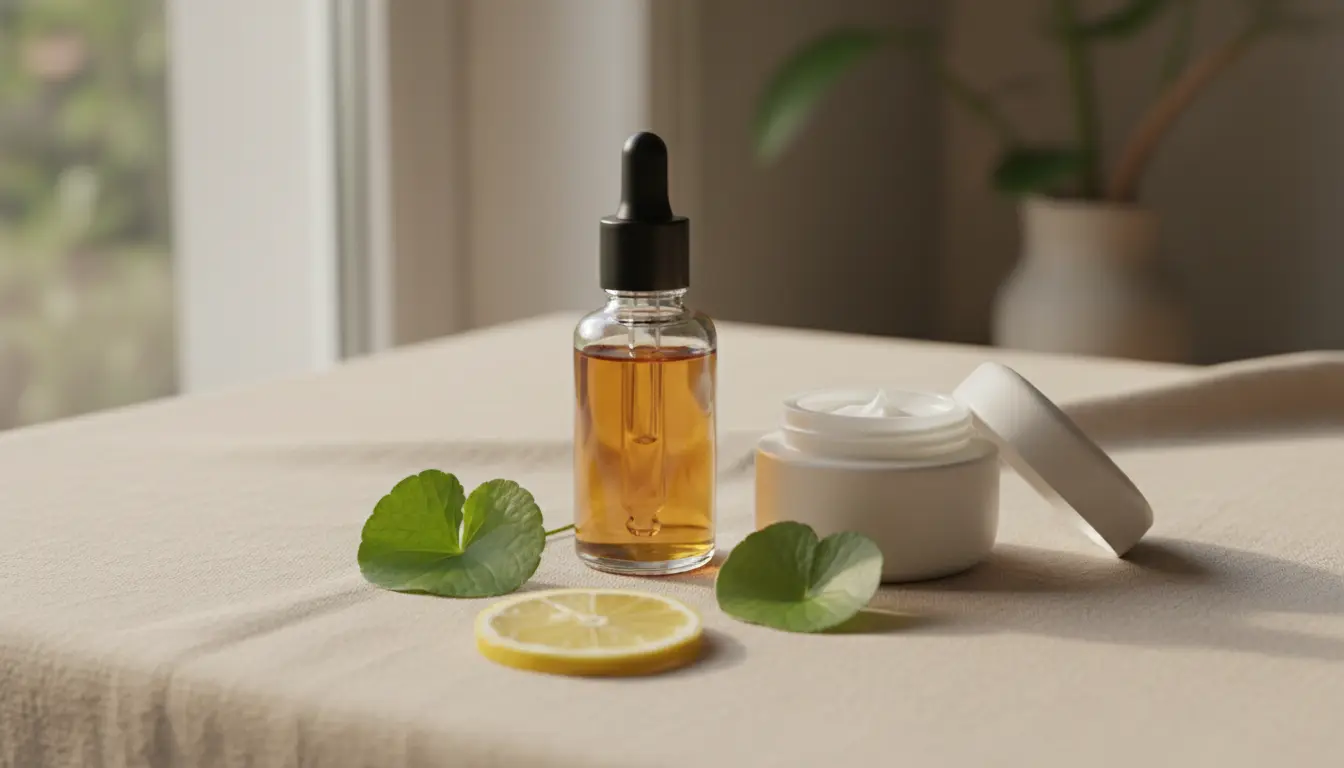
Centella Asiatica and Panthenol
Both calm inflammation and support barrier recovery. Centella has a long history in dermatology for soothing reactive skin, and panthenol (provitamin B5) helps the skin retain moisture while it heals.
For a fuller view of how to rebuild after a stressful stretch, the guide on skin barrier repair pairs well with this list, along with the article on restoring your skin’s resilience after stress.
Expert Tip and a Common Myth, Debunked
Expert Tip
Dermatologists often suggest a simple rule on low-sleep mornings: simplify, don’t compensate. Skip the actives (retinol, strong acids), keep the routine to a gentle cleanser, a hydrating serum with hyaluronic acid, a barrier-supporting moisturiser with niacinamide or ceramides, and SPF. Tired skin is reactive skin. Less is genuinely more.
Myth: “I’ll Catch Up on Sleep This Weekend and the Skin Will Reset”
Not quite. One long lie-in helps mood and energy, but the skin’s repair processes work on a nightly rhythm, not a weekly one. Two good nights don’t fully undo five short ones. Consistency matters more than catch-up. Even shifting bedtime earlier by 30 minutes, repeated across a week, makes a more visible difference than a single 10-hour weekend.
Small Habits That Protect Skin While Sleep Catches Up
Sleep itself is the main lever. But around it, a few habits soften the impact of the nights that aren’t long enough.

- Dim screens at least 30 minutes before bed — relevant for circadian rhythm and for protecting skin in the age of blue light.
- Keep the bedroom cool and slightly humid; dry air worsens overnight water loss.
- Sleep on a clean pillowcase, ideally changed twice a week.
- Drink water earlier in the day rather than right before bed, to reduce morning puffiness.
- Choose calming evening rituals over stimulating ones — part of the wider slow beauty movement and the broader connection between wellness and skin health.
On the Morning After
For the visible aftermath of sleep deprivation skin, the gentlest makeup approach tends to work best. A hydrating base, light coverage where needed, and a focus on skin-like finish rather than full coverage. The articles on foundation vs tinted moisturiser, choosing the right concealer, and quiet luxury makeup all lean into this kind of low-effort, high-comfort approach. Pairing that with clean ingredients keeps the skin from being further taxed on a day it’s already tired.
Frequently Asked Questions
1. How many nights of poor sleep does it take to see changes in the skin?
Visible changes — dullness, puffiness, darker under-eyes — can appear after a single night under six hours. Deeper changes like slower barrier recovery and more sensitivity tend to show up after roughly a week of consistently short sleep.
2. Can skincare really make up for poor sleep?
Not fully. Skincare can support the barrier, calm inflammation, and improve hydration, which softens the visible effects. But the repair processes that happen during deep sleep — collagen production, cell turnover, cortisol regulation — can’t be replicated by a product.
3. Is it better to skip skincare on nights when sleep will be very short?
No. A short, gentle routine is more helpful than skipping. At minimum, a mild cleanse to remove the day, a hydrating layer, and a barrier-supporting moisturiser. Heavy actives can be paused, but basic care still gives the skin something to work with during the few hours it does get.