


It often starts on an ordinary Tuesday. A full inbox, a child who refuses breakfast, a meeting that runs long. By evening, the mirror shows something familiar: a flushed jawline, a dull tone, maybe a small breakout near the chin that wasn’t there yesterday. The skin, it seems, has been listening to the whole day.
This is where the conversation about the vagus nerve and skin health becomes useful. Calmness is not a personality trait or a mindset to summon on demand. It is a physiological state, regulated by a specific nerve that quietly governs how the body recovers, digests, breathes, and yes, how the skin behaves. Understanding this changes how we think about skincare entirely.
What Does the Vagus Nerve Do?
The Vagus Nerve is the longest cranial nerve in the body. It runs from the brainstem, down through the neck, and branches out into the heart, lungs, gut, and other organs. So where is the vagus nerve located? It begins at the base of the skull and travels along both sides of the neck before reaching deep into the torso.
So what does the vagus nerve do? In simple terms, it acts as the main communication line of the parasympathetic nervous system — the part responsible for rest, digestion, and repair. When it is active, the heart rate slows, breathing deepens, inflammation eases, and the body shifts into recovery mode.
When it is underactive, the opposite happens. The body stays alert. Cortisol rises. Blood flow prioritises muscles over skin. Repair processes slow down.
How the Vagus Nerve Influences the Skin
The link between vagus nerve and skin isn’t poetic — it’s mechanical. Chronic stress keeps the sympathetic nervous system dominant, which affects the skin in measurable ways:
- Reduced microcirculation: less oxygen and fewer nutrients reach the skin’s surface, leaving it dull or sallow.
- Impaired barrier function: the skin loses water faster and becomes reactive to products that previously felt fine.
- Higher inflammation: conditions like rosacea, eczema, and acne tend to flare.
- Slower healing: blemishes linger, redness lasts longer, post-inflammatory marks fade more slowly.
This is why vagus nerve skin problems are often described in vague terms — sensitivity, redness, breakouts that don’t match the routine. The skin is reacting to a nervous system that hasn’t had a chance to downshift.
Why Vagus Nerve Damage or Dysfunction Matters
Discussions around why vagus nerve damage occurs usually point to a mix of factors: prolonged stress, poor sleep, certain infections, surgery, or physical compression in the neck area. Pinched vagus nerve in neck symptoms can include hoarseness, difficulty swallowing, dizziness, heart palpitations, and digestive discomfort. None of these are skincare issues directly — but they describe a body operating in a state where skin repair is not the priority.
A vagus nerve skin rash isn’t a formal medical diagnosis, but flare-ups linked to nervous system overload are well documented in dermatology. Stress-induced urticaria, neurogenic inflammation, and itch-scratch cycles all involve nerve signalling. Always consult with a healthcare professional before starting new treatments, especially if persistent rashes, neurological symptoms, or unexplained skin changes appear.
Vagus Nerve Stimulation: What It Actually Means
The term vagus nerve stimulation has moved from neurology clinics into everyday wellness conversations. Originally developed for treatment-resistant epilepsy and depression, medical-grade stimulation uses implanted devices. That is a specific clinical context.
What most people mean today, however, is non-invasive activation — simple practices that help the body shift toward a parasympathetic state. A practical vagus nerve reset doesn’t require equipment. It requires consistency.
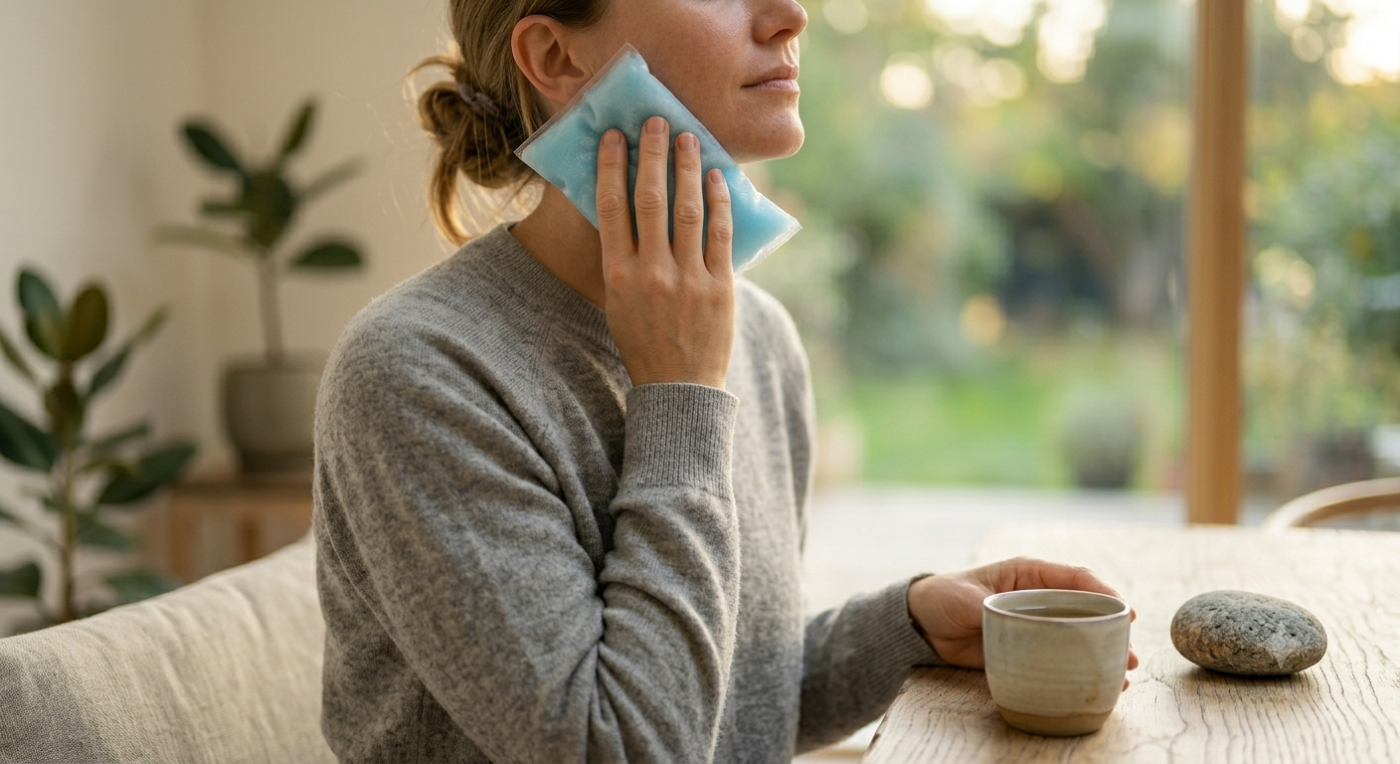
- Slow exhales: breathing out for longer than you breathe in (try 4 seconds in, 6–8 seconds out).
- Cold exposure on the face: a splash of cool water or a brief cold compress on the cheeks and neck.
- Humming, singing, or gargling: these engage muscles connected to vagal pathways.
- Gentle neck and shoulder movement: reduces tension around the area where where is your vagus nerve running closest to the surface.
- Quality sleep and regular meals: the unglamorous foundation of nervous system regulation.
As for the best vagus nerve stimulation device, the honest answer is that consumer devices vary widely in evidence. Some transcutaneous ear stimulators have early research behind them, but results are modest and individual. For most people, behavioural practices offer comparable benefit without the price tag. If a medical condition is involved, this is a conversation for a neurologist, not a wellness blog.
Common Myth, Briefly Debunked
Myth: “If I just relax more, my skin will clear up.”
Reality: Telling yourself to relax doesn’t activate the parasympathetic system. Specific physiological inputs — slow breathing, cold, vocal vibration, movement — do. Calm is something the body learns through repetition, not something the mind decides.
Scientifically Backed Ingredients That Support Stressed Skin
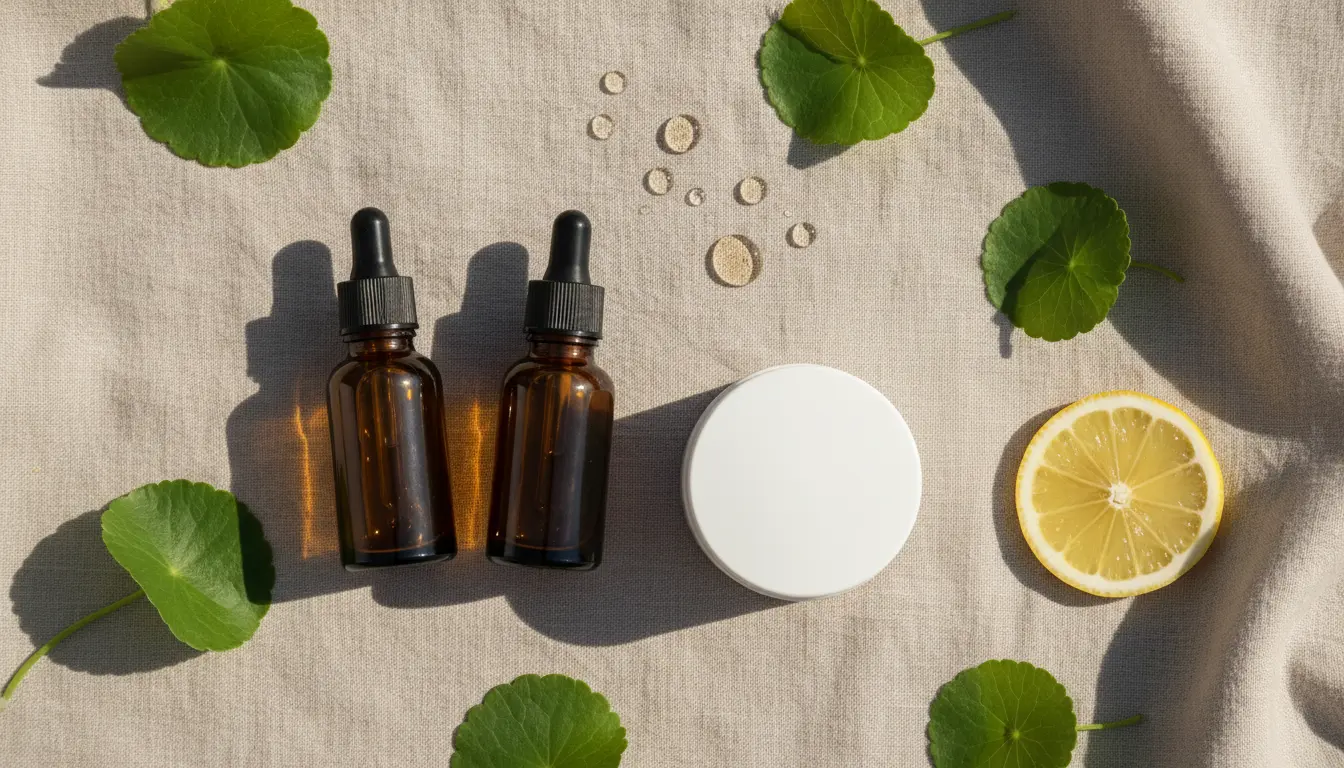
While nervous system regulation works from the inside, topical ingredients can support the skin barrier while the body recalibrates. The goal is to reduce reactivity, restore moisture, and support healthy microcirculation.
Niacinamide (Vitamin B3)
One of the most studied ingredients in dermatology. It strengthens the skin barrier by supporting ceramide production, reduces redness, and helps regulate sebum. Useful for skin that flushes easily or feels reactive after stressful periods.
Hyaluronic Acid
A humectant that binds water within the upper layers of the skin. When the barrier is compromised, water loss increases. Hyaluronic acid helps hold moisture where it’s needed, easing the tight, sensitive feeling that often accompanies stress-related flare-ups.
Panthenol (Pro-Vitamin B5)
Soothes irritation and supports the skin’s natural repair process. Particularly helpful when the skin is recovering from inflammation or compromised after over-cleansing.
Centella Asiatica (Cica)
Contains compounds (madecassoside, asiaticoside) shown to calm inflammation and support healing. A good companion ingredient for reactive, redness-prone skin.
Peptides
Short chains of amino acids that signal the skin to produce collagen and repair structural proteins. Helpful for skin that has lost firmness during prolonged stress periods — a topic explored further in this piece on stress and collagen loss.
Antioxidants (Vitamin C, Vitamin E, Ferulic Acid)
Neutralise free radicals generated by stress, pollution, and UV exposure. They also support brighter, more even tone over time.
Vitamins for Skin Health
Internally, several vitamins for skin health have solid evidence behind them: vitamin D, vitamin C, vitamin E, B-complex vitamins (especially B3 and B5), and zinc. Omega-3 fatty acids also support barrier integrity and lower baseline inflammation. A balanced diet covers most needs; supplements should be guided by actual blood work, not trends.
Expert Tip: The Two-Minute Skin Reset
Before applying serum or moisturiser in the evening, pause for two minutes. Place both hands lightly on the sides of the neck. Breathe in for four counts. Breathe out for six. Do this six to eight times. The skincare that follows will be absorbed by a body that is no longer in fight-or-flight mode — and over time, the difference in reactivity is noticeable.
Building a Routine That Respects the Nervous System
Skincare doesn’t need to be elaborate to be effective. In fact, overloaded routines often work against stressed skin. A pared-back approach tends to deliver better results when the skin barrier is already under pressure. This idea is at the heart of the slow beauty movement, which favours fewer, better-chosen products applied with intention.

A reasonable framework looks like this:
- Cleanse gently — once or twice a day, with a non-stripping formula.
- Hydrate — a humectant serum followed by a barrier-supportive moisturiser.
- Protect — broad-spectrum SPF every morning, including on overcast days and during long screen hours. More on this in protecting skin in the age of blue light.
- Repair — targeted actives (niacinamide, peptides, retinoids if tolerated) introduced slowly.
For skin that feels depleted after a difficult month, the focus should be on rebuilding rather than treating. Practical guidance on that process is covered in skin barrier repair and restoring your skin’s resilience after stress.
The Bigger Picture: Lifestyle as Skincare
The skin reflects what the nervous system has been doing for the past several weeks. Sleep quality, meal timing, screen exposure, and emotional load all show up eventually. The connection between modern life and complexion is explored in detail in overstimulation and skin health and wellness and skin health.
None of this means perfection is required. It means that consistent, small inputs — a longer exhale, a glass of water, ten minutes outside, an earlier bedtime — accumulate. The skin notices.
Frequently Asked Questions
1. Can stimulating the vagus nerve really improve my skin?
Indirectly, yes. Activating the parasympathetic system lowers cortisol, improves microcirculation, and reduces inflammatory signalling — all of which support clearer, calmer skin over time. It’s not an overnight fix, but consistent practice shows measurable changes in skin reactivity.
2. How do I know if my skin issues are stress-related?
Common signs include flare-ups during demanding periods, increased sensitivity to products you’ve used before without issue, dullness despite a good routine, and slower healing. If symptoms persist or include neurological signs, a consultation with a dermatologist or GP is the right next step.
3. Are at-home vagus nerve stimulation devices worth buying?
The evidence is still limited for consumer devices. Simple, free practices — slow breathing, cold water on the face, humming, regular sleep — offer reliable benefits without the cost. Medical-grade stimulation is a separate category and requires clinical supervision.