


It’s Wednesday evening. The gym bag is by the door, dinner is half-prepped, and somewhere between answering one more email and washing off the day, the mirror catches a tired face — slightly puffy under the eyes, a little dull around the cheeks, with that familiar flat tone that no highlighter quite fixes. This is the moment a lot of women start wondering whether the wellness trend they keep scrolling past — alternating sauna sessions with cold plunges — could actually do something for their skin.
The short answer: yes, but not in the dramatic way social media often suggests. The contrast therapy skin benefits are real, measurable, and grounded in how blood vessels, nerves, and the skin barrier respond to temperature shifts. Understanding the mechanism makes the practice far more useful than chasing a trend.
What Contrast Therapy Actually Is
Contrast therapy simply means alternating exposure to heat and cold — typically a sauna, hot shower, or warm bath followed by a cold shower, ice bath, or cool plunge. The cycle is usually repeated two or three times, ending on cold.
The body responds with a predictable rhythm. Heat dilates blood vessels near the skin’s surface (vasodilation). Cold constricts them (vasoconstriction). This back-and-forth acts like a gentle pump for the microcirculation that feeds your skin.
Why the skin cares about this pump
Skin cells rely on capillary blood flow for oxygen, nutrients, and waste removal. When circulation is sluggish — from stress, sitting all day, poor sleep, or chronic tension — the complexion tends to look duller and recover more slowly from irritation. Improving circulation and skin health is one of the most underrated parts of a good skincare routine, and contrast therapy is one of the more efficient ways to support it.
The Heat Side: Sauna and the Skin
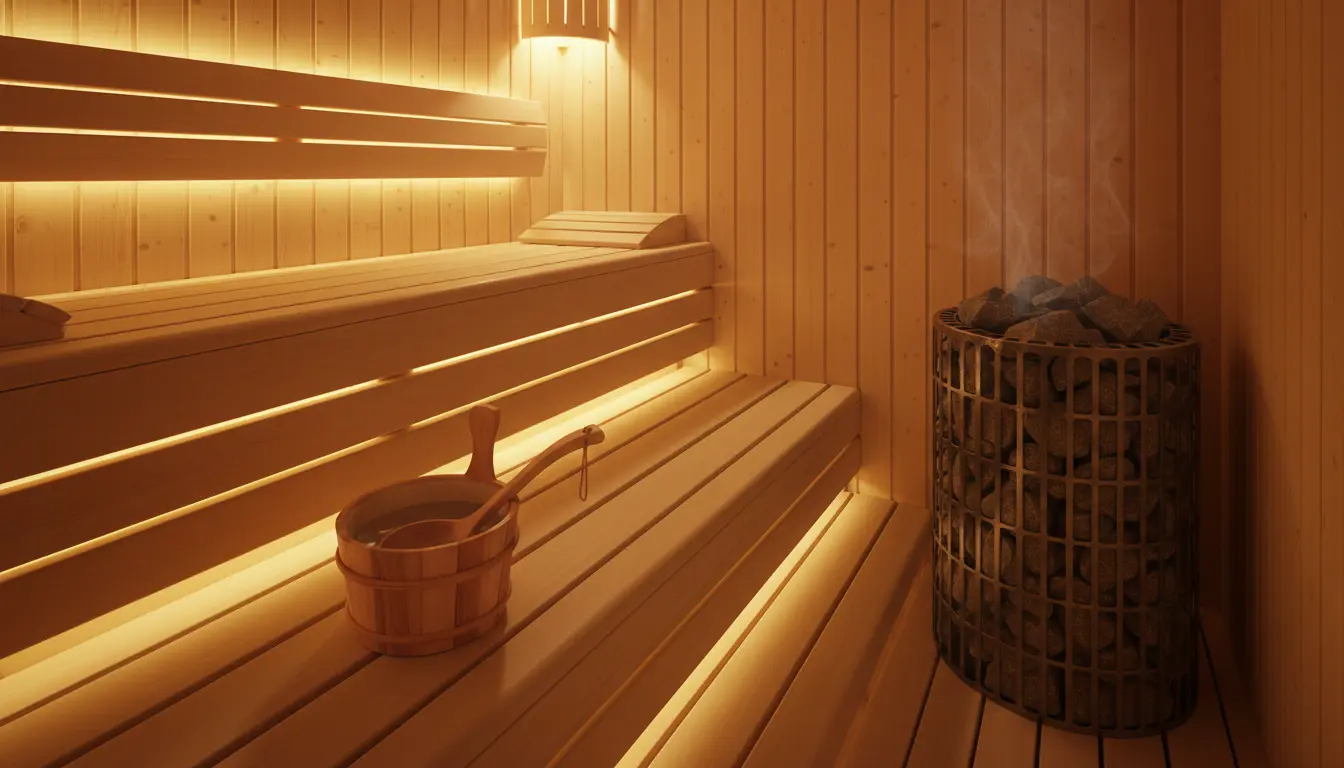
Heat exposure raises core and surface temperature, increases sweating, and pushes blood toward the skin. Several things happen at once.
- Increased blood flow delivers more oxygen and nutrients to skin cells.
- Sweating helps clear the pores, though it doesn’t “detox” the skin in the way marketing claims often suggest.
- Heat shock proteins are produced, which support cellular repair processes.
- Parasympathetic activation after the session calms the nervous system, which indirectly reduces stress-driven inflammation.
This is where the often-cited sauna skin glow benefits come from. The post-sauna flush isn’t magic — it’s a temporary increase in blood flow combined with a relaxed facial expression. Over time, regular use may support a more even tone because consistent circulation helps the skin function better.
There’s also a quieter benefit: sauna inflammation skin research suggests that regular heat exposure can lower systemic inflammatory markers. Since chronic low-grade inflammation contributes to redness, breakouts, and accelerated aging, anything that calms it tends to show up on the face eventually. For more on how chronic stress quietly affects your complexion, this piece on stress and collagen loss is worth a read.
The Cold Side: What Ice and Cold Showers Really Do
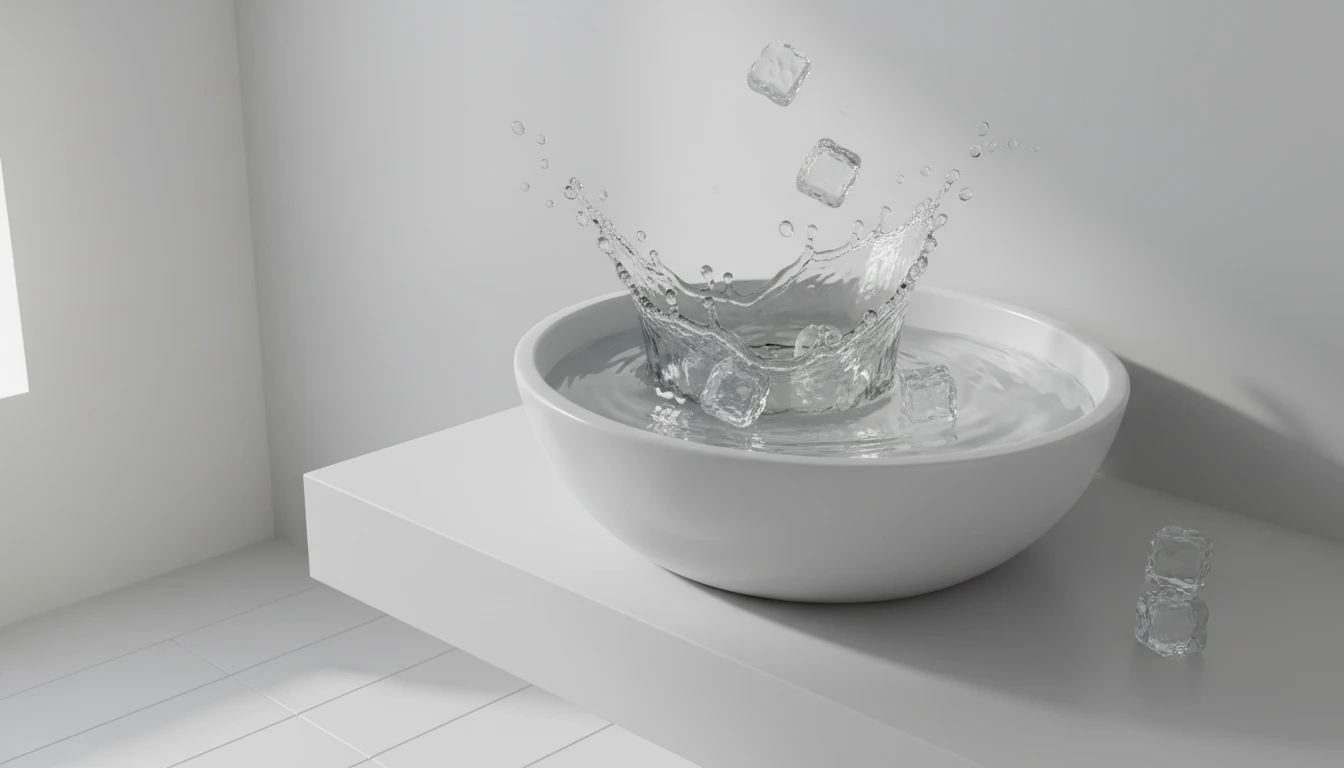
Cold exposure is the part most people resist, and understandably so. But the cold shower skin health science is genuinely interesting.
When cold hits the skin, blood vessels constrict and blood is pulled toward the core to protect internal organs. This reduces surface inflammation and puffiness almost immediately. Once you warm up, blood rushes back to the skin — and that rebound is where a lot of the visible “glow” comes from.
Cold exposure and the skin barrier
Short cold exposure can help in several ways:
- Reduces redness and puffiness by tightening superficial blood vessels.
- Calms itchy or reactive skin by slowing nerve signaling.
- Supports lymphatic drainage, which helps reduce morning facial swelling.
- May reinforce resilience over time, similar to how the body adapts to other mild stressors.
The popular claim around ice bath skin collagen deserves a careful note. Cold itself doesn’t directly stimulate collagen production. What it can do is reduce inflammatory damage to existing collagen and support the conditions in which fibroblasts (the cells that make collagen) function well. So cold therapy collagen production is better described as collagen protection than collagen creation.
A common myth, debunked
Myth: “Cold plunges shrink your pores permanently.”
Reality: Pores don’t have muscles, so they can’t truly open or close. Cold temporarily reduces the appearance of pores by tightening the surrounding tissue, but the effect fades within an hour. Long-term pore appearance is driven by genetics, sebum production, and skincare consistency — not temperature.
Why the Combination Works Better Than Either Alone
Alternating heat and cold creates a vascular workout that neither extreme delivers on its own. The vessels expand, contract, expand again. Over weeks of consistent practice, this can improve vascular tone — meaning your circulation becomes more responsive overall, not just during the session.
The hot cold therapy inflammation skin connection is worth highlighting here. Heat increases circulation and supports tissue repair; cold reduces acute inflammation and calms overactive nerve responses. Together, they help regulate the inflammatory cycle that drives many chronic skin concerns — from rosacea-like flushing to stress-related breakouts.
This is also part of why contrast therapy fits naturally into the broader idea of slow beauty — practices that work with the body rather than against it.
Expert tip
Always end your contrast session on cold, but keep the final cold exposure short — 30 to 60 seconds is usually enough. Ending cold leaves blood vessels in a slightly toned state and avoids the prolonged post-sauna flush that can aggravate sensitive or reactive skin.
Scientifically Backed Ingredients That Complement Contrast Therapy
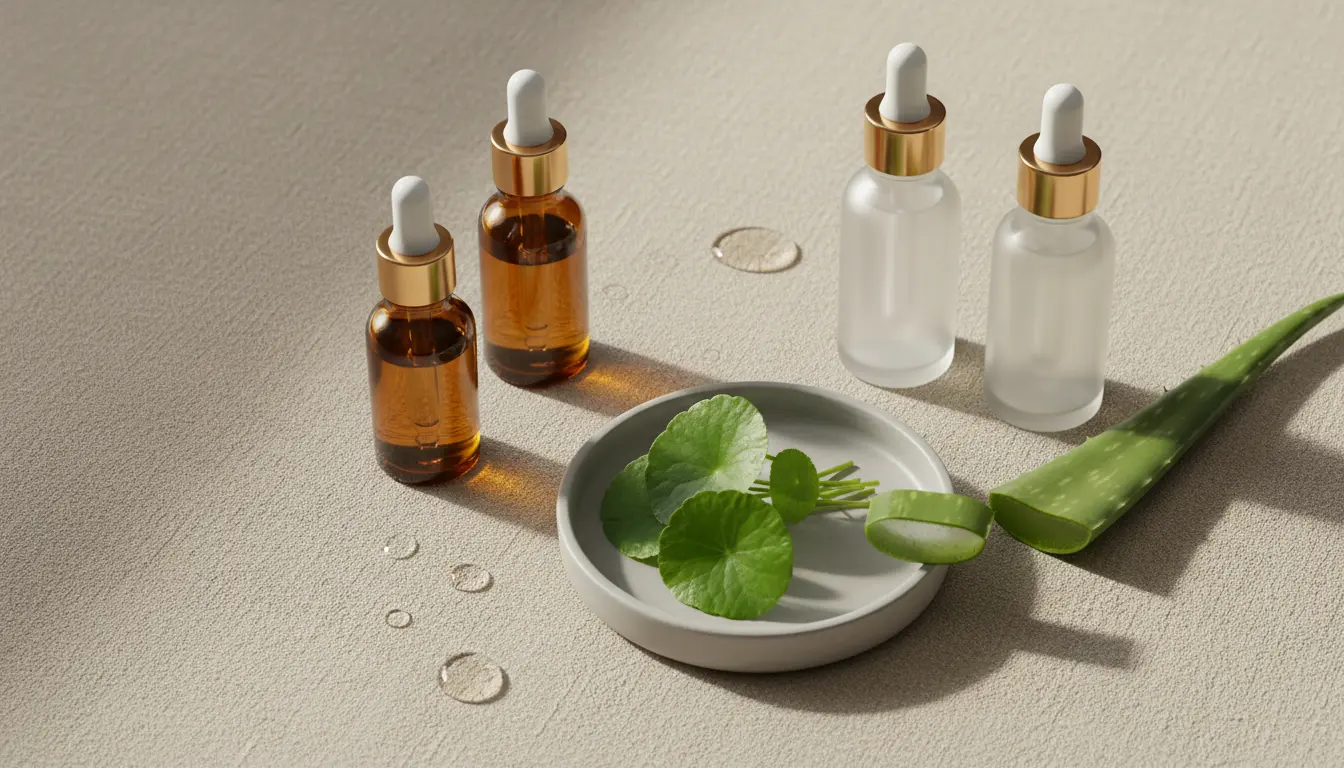
Temperature work supports skin from the inside. Topical ingredients support it from the outside. Combined thoughtfully, they help reinforce the skin barrier, calm inflammation, and support healthy circulation.
- Niacinamide (Vitamin B3): Strengthens the skin barrier, reduces redness, and helps regulate sebum. Particularly useful after sauna sessions when the skin is more permeable.
- Hyaluronic acid: Holds water in the upper layers of the skin. Applied to slightly damp skin after a cold rinse, it helps lock in hydration when the barrier is most receptive.
- Panthenol (Vitamin B5): Soothes irritation and supports barrier repair — a good ingredient if your skin tends to flush easily after heat.
- Centella asiatica (Cica): Calms inflammation and supports microcirculation. Works well for skin that reacts to temperature changes with redness.
- Vitamin C (L-ascorbic acid or stable derivatives): Supports collagen synthesis and protects against oxidative stress, which is especially helpful given that heat exposure can temporarily increase free radical activity.
- Ceramides: Replace the lipids that hot water and steam can strip from the skin barrier. Essential after any sauna routine.
- Peptides: Signal skin cells to produce more structural proteins, complementing the circulation boost from contrast therapy.
If your skin tends to feel reactive or thin after temperature exposure, focusing on barrier repair first is more useful than layering active ingredients. A compromised barrier amplifies everything — including the irritation contrast therapy is meant to reduce.
Who Should Be Careful
Contrast therapy is generally well tolerated, but it isn’t right for everyone. Always consult with a healthcare professional before starting new treatments, especially if you have cardiovascular conditions, are pregnant, have severe rosacea or eczema, take medications that affect blood pressure, or have any condition that affects temperature regulation.
People with sensitive or reactive skin should also start gently. A long sauna followed by an aggressive ice plunge can trigger flare-ups in skin that’s already inflamed. Shorter sessions, cooler “cold” exposure (a cool shower rather than an ice bath), and consistent post-session hydration tend to work better.
How to Build a Sensible Contrast Routine
A realistic starting point looks like this:
- 5–10 minutes in a sauna or hot shower.
- 30–60 seconds of cold exposure (cool shower, cold rinse, or short plunge).
- Repeat 2–3 times.
- End on cold.
- Pat skin dry — don’t rub — and apply a barrier-supporting moisturizer.
Two or three sessions a week is plenty. More isn’t better; the skin needs time between sessions to recover and adapt. The cold exposure skin benefits compound gradually, much like the effects of regular sleep or hydration.
It’s also worth pairing this practice with the rest of your nervous system care. Overstimulation shows up on the skin in ways most people underestimate — this article on overstimulation and skin health explains the connection well, and the broader piece on wellness and skin health ties it all together.
What to Realistically Expect
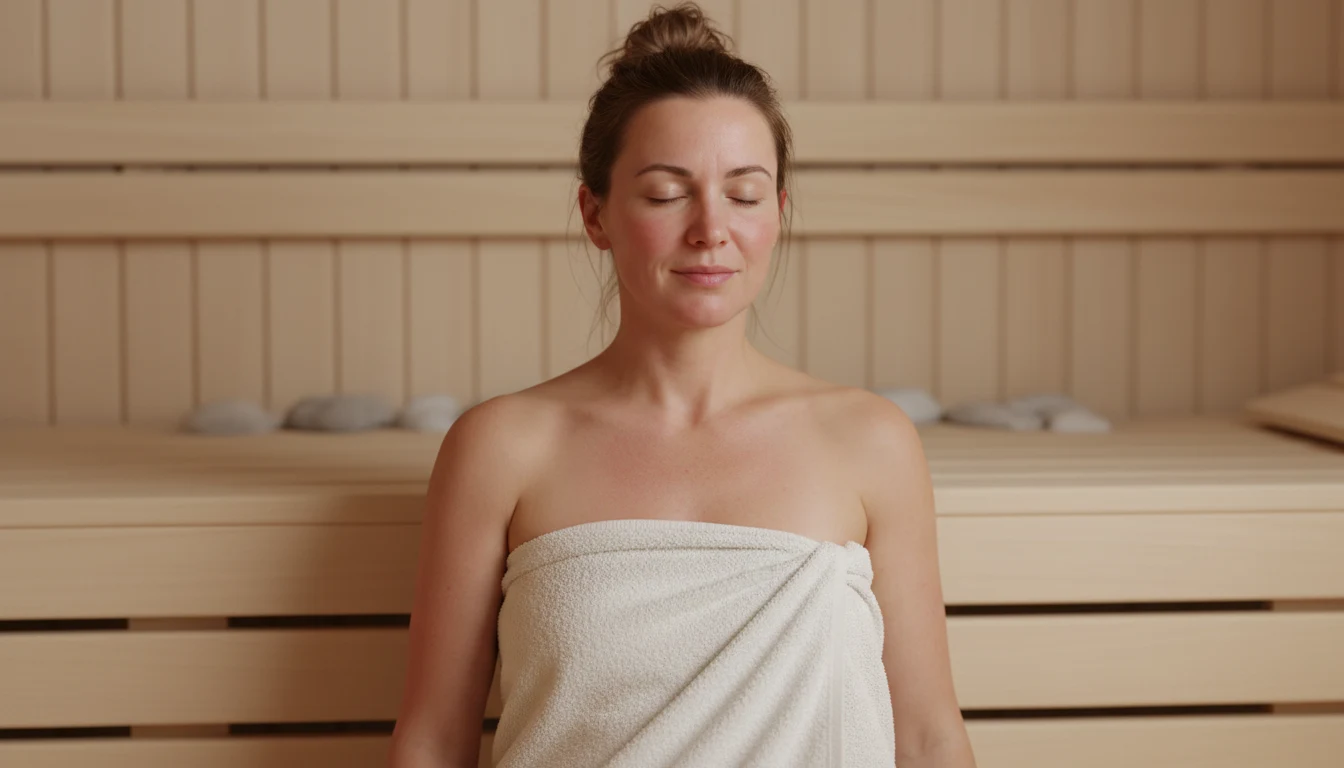
After a single session: a temporary flush, slightly reduced puffiness, a sense of calm.
After a few weeks of consistent practice: better tolerance to temperature, less morning facial swelling, possibly a more even tone.
After several months: improved vascular responsiveness, lower baseline inflammation, and skin that recovers faster from stress. This is also where restoring skin resilience after stress becomes most visible.
What you won’t get: dramatic anti-aging effects, “detoxified” skin, or new collagen built solely from cold plunges. The honest version of contrast therapy inflammation management is gradual, cumulative, and most powerful when paired with sleep, sun protection, and a stable skincare routine.
FAQ
1. How often should I do contrast therapy for visible skin benefits?
Two to three sessions per week is generally enough. Consistency over several weeks matters more than intensity. Daily cold plunges or long saunas don’t accelerate results and can stress the skin barrier.
2. Can contrast therapy help with redness or rosacea-prone skin?
It depends. Some people find that ending on cold helps calm flushing, while others find heat triggers flare-ups. Start very gently, keep heat exposure short, and consult a dermatologist if you have diagnosed rosacea.
3. Should I apply skincare before or after contrast therapy?
After. The skin is cleaner, slightly more permeable, and more receptive to hydrating and barrier-supporting ingredients. Avoid strong actives (retinoids, high-percentage acids) immediately after a session — apply them on non-sauna days instead.
Pingback: Sauna Benefits for Skin: What Heat Shock Proteins Actually Do for Aging - Denyva