


Most skincare conversations start with a product. This one starts with something quieter — the way you breathe between meetings, in traffic, while answering one more email before bed. It rarely registers as a beauty concern, yet it shapes almost everything the skin does in a 24-hour cycle.
The research on breathwork skin benefits has moved well past wellness trend territory. Dermatologists and physiologists now point to breathing patterns as a meaningful factor in inflammation, circulation and barrier function — three things no serum can fully compensate for.
Why Modern People Forgot How to Breathe
Shallow, upper-chest breathing has become the default for most adults. Researchers at NASA and Microsoft have documented something called “screen apnea” — the unconscious breath-holding that happens during emails, scrolling and concentrated screen work. It adds up to hundreds of micro-pauses a day.
Add to that hunched posture, tight clothing and constant low-level urgency, and the diaphragm essentially stops doing its job. The body adapts. The skin notices first.
How shallow breathing changes physiology
Less diaphragmatic movement means reduced oxygen exchange, slower lymphatic flow and a nervous system stuck in mild alert mode. None of these are dramatic on their own. Combined, they explain a lot about why skin can look tired despite a thorough routine.
The Brain–Skin–Oxygen Connection
Dermatology now recognises the brain-skin axis — a two-way communication system between the nervous system and the skin, carried by hormones, neuropeptides and immune cells. When the brain registers stress, the skin receives chemical signals within seconds.
Oxygen plays a direct role in cellular repair, collagen production and inflammation control. Shallow breathing reduces oxygen delivery to peripheral tissues, including the face, which is part of why oxygen skin health glow has become a more serious topic in clinical skincare circles.
What Stress Breathing Does to Skin
When breathing is rapid and shallow, the sympathetic nervous system — the fight-or-flight side — stays activated. A few measurable consequences for the skin:
- Cortisol — chronically elevated cortisol breaks down collagen and elastin and slows repair.
- Inflammation — pro-inflammatory cytokines rise, worsening rosacea, acne and sensitivity.
- Poor circulation — peripheral vessels constrict, leaving the complexion pale or sallow.
- Jaw and forehead tension — sustained muscular contraction deepens expression lines and contributes to TMJ discomfort.
- Increased TEWL — a stressed barrier loses water faster, leading to dehydration and dullness.
It’s a useful frame for understanding why stress accelerates collagen loss and why restoring skin resilience after stress takes more than topical actives.
The Vagus Nerve and Facial Calm
The vagus nerve is the longest cranial nerve in the body, running from the brainstem down through the face, throat, heart and gut. It’s the main driver of the parasympathetic (“rest and digest”) system and the mechanism behind most vagus nerve breathing skin benefits.
Slow exhales activate the vagus nerve. As vagal tone improves, heart rate slows, systemic inflammation decreases and the small muscles of the face release some of their habitual tension.
Why this matters for skin
Higher vagal tone is associated with lower inflammatory markers, more stable gut function (relevant to acne and rosacea) and steadier cortisol patterns through the day. A calmer nervous system tends to produce calmer skin — not as a metaphor, but as a measurable outcome.
It’s also why overstimulation has such a visible effect on skin health. The system simply doesn’t get enough downtime to regulate.
How Oxygen Affects Skin Repair
Skin regeneration is oxygen-dependent. Fibroblasts need oxygen to synthesise collagen. Keratinocytes need it for healthy turnover. Wound healing slows in oxygen-poor tissue, which is why hyperbaric oxygen therapy is used clinically for difficult wounds.
Diaphragmatic breathing improves oxygen saturation in peripheral tissues without any equipment. Combined with sleep and a sensible routine, it gives the skin better conditions for overnight repair.
Scientifically Backed Breathwork Benefits
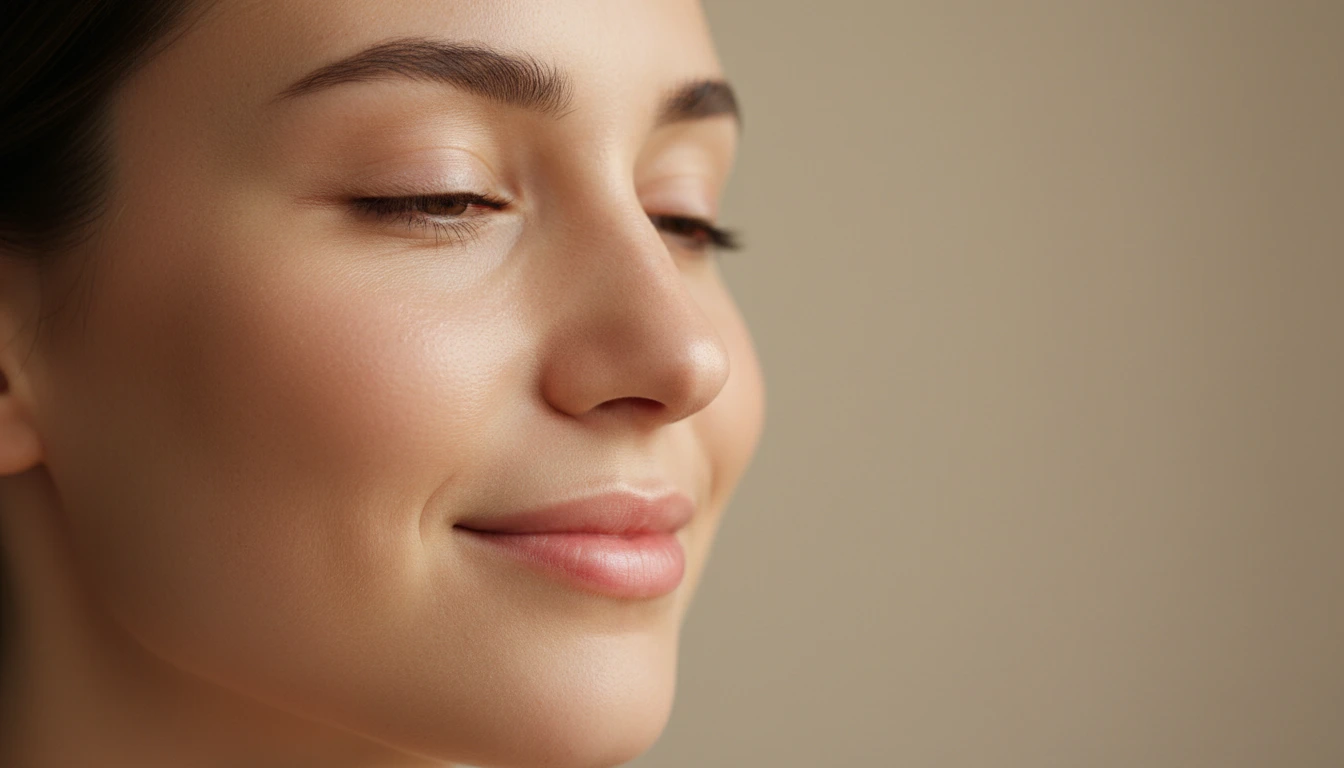
The clinical literature on breathwork has expanded considerably over the past decade. Key findings include:
- Improved HRV (Heart Rate Variability) — a marker of nervous system flexibility, linked to better skin barrier function.
- Lower inflammation markers — measurable reductions in IL-6 and CRP, both implicated in inflammatory skin conditions.
- Parasympathetic activation — observable within minutes of slow nasal breathing.
- Nitric oxide release — produced in the sinuses during nasal breathing; supports vasodilation and microcirculation in the face.
- Reduced cortisol — easing the breakdown of collagen and the cycle of stress-related breakouts.
In short: deep breathing reduce inflammation skin claims are not vague wellness language. They reflect documented physiological changes.
Scientifically Backed Ingredients
Breathwork works best alongside topical formulas that support the same goals — calming inflammation, reinforcing the barrier and helping the skin make full use of its oxygenated, well-perfused state.
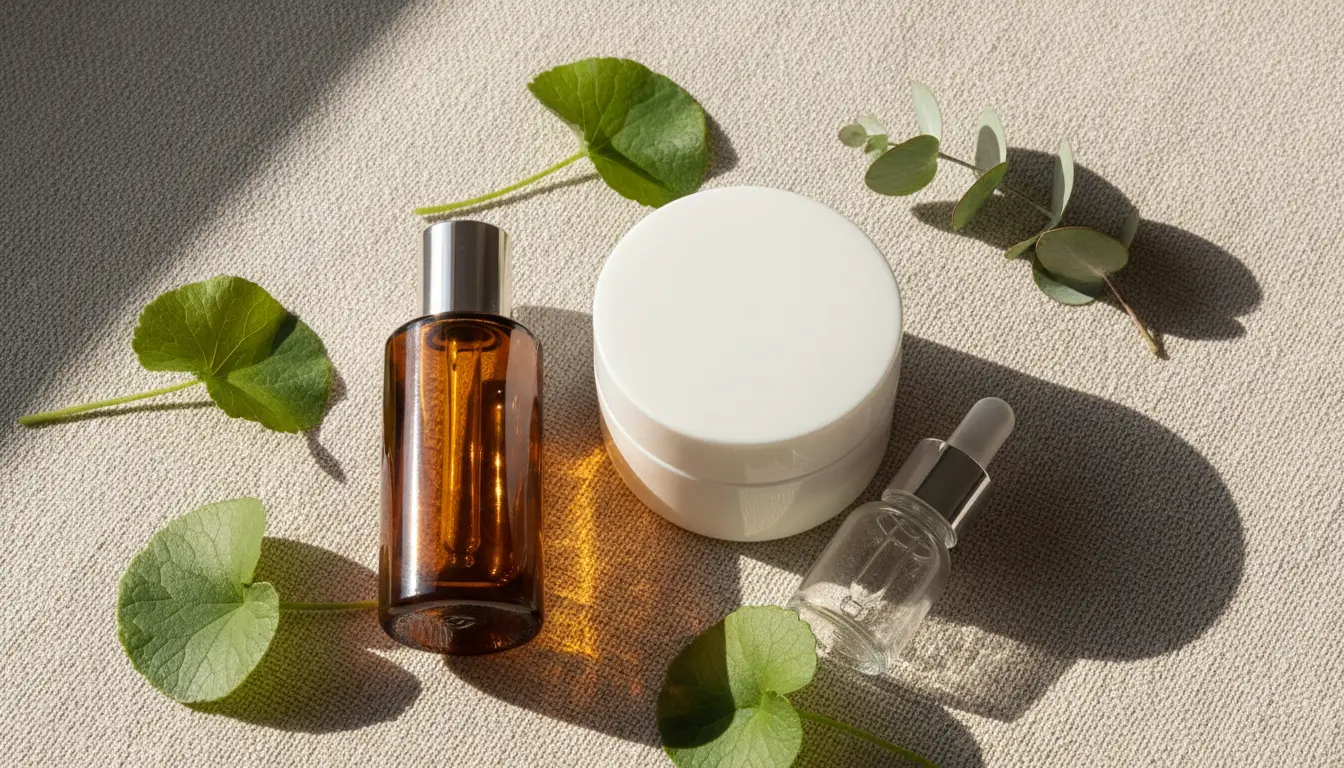
- Niacinamide (Vitamin B3) — reduces redness, strengthens the lipid barrier, lowers TEWL and improves tone.
- Hyaluronic Acid — binds water in the upper layers of the skin, restoring plumpness to dehydrated complexions.
- Centella Asiatica (Cica) — rich in madecassoside, with clinical data on calming inflammation and supporting repair.
- Ceramides — replace lipids depleted by chronic stress; central to skin barrier repair.
- Vitamin C (L-ascorbic acid) — antioxidant protection plus a measurable role in collagen synthesis.
- Peptides — signal fibroblasts to keep producing structural proteins.
- Squalane — mimics the skin’s natural lipids and supports a comfortable, well-functioning surface.
Always consult with a healthcare professional before starting new treatments, particularly if managing conditions like rosacea, eczema or hormonal acne.
The Facial Signs of Nervous System Dysregulation
When the nervous system stays in chronic alert mode, certain patterns tend to show up on the skin:
- Puffiness — particularly under the eyes, linked to sluggish lymphatic drainage.
- Redness and flushing — reactive vessels under sympathetic dominance.
- Dullness — slower circulation and reduced cell turnover.
- Tension — clenched jaw, furrowed brow, raised shoulders.
- Breakouts — often along the jawline and chin, where cortisol-driven sebum tends to concentrate.
Reading these as nervous system signals rather than skincare failures changes the approach entirely. The nervous system skin connection is the missing context behind a lot of “stubborn” skin concerns.
Expert tip: focus on the exhale
Most people instinctively try to inhale more deeply. For skin, the more useful adjustment is lengthening the exhale. A slow exhale of six to eight seconds activates the vagus nerve and lowers cortisol more effectively than a bigger inhale ever will.
Myth: “Glow Only Comes from Skincare”
It’s a persistent idea — that radiance is something purchased. Topical actives can refine, brighten and protect, but glow at its biological core comes from blood flow, oxygen delivery and low inflammation. Without those, even the most considered routine has a ceiling.
This is part of the wider shift toward slow beauty and wellness-led skin health — approaches that treat the skin as part of a larger system rather than a separate surface to manage.
A Simple 5-Minute Breathwork Ritual
An easy framework to add to any breathwork wellness routine, morning or evening:
1. Settle (30 seconds)
Sit comfortably. Drop the shoulders, unclench the jaw, let the tongue rest on the roof of the mouth.
2. Nasal breathing (1 minute)
Breathe in and out through the nose only. This warms the air and triggers nitric oxide release in the sinuses.
3. 4-7-8 breathing (2 minutes)
Inhale through the nose for 4 counts. Hold for 7. Exhale through the mouth for 8. Repeat four to six cycles. One of the most studied techniques for parasympathetic activation.
4. Facial release (1 minute)
While continuing slow breathing, gently massage the jaw, temples and the area behind the ears. This pairs vagal stimulation with light lymphatic work.

5. Apply skincare (30 seconds)
Skin is now better circulated and less inflamed, which generally improves how comfortably products absorb.
Over time, this kind of practice changes how skin responds to other stressors — from blue light exposure to seasonal shifts. It’s also one of the more practical tools for managing stress breathing skin health patterns long-term.
Bringing It Together
Healthy skin depends on more than what’s applied to it. Circulation, oxygen, inflammation and a regulated nervous system do the structural work behind everything else. Breath is the simplest lever for all four.
Used alongside well-formulated clean ingredients and a less reactive routine, it tends to produce the kind of slow, durable improvement that’s difficult to achieve through products alone.
FAQ: Breathwork and Skin
1. How quickly can breathwork improve skin?
Some effects — reduced flushing, softer facial tension, slightly brighter tone — can appear after a single session, due to improved circulation and nitric oxide release. Deeper changes in inflammation and barrier function generally need four to eight weeks of consistent daily practice.
2. Is mouth breathing really bad for skin?
Chronic mouth breathing bypasses the nitric oxide produced in the nasal passages, dries the lips and is associated with poorer sleep quality — all of which can dull the complexion over time. Nasal breathing, day and night, is generally considered the healthier default.
3. Can breathwork replace skincare?
No. Breathwork addresses internal drivers of inflammation and dullness, while topical skincare supports the barrier and surface biology. They work best together.