

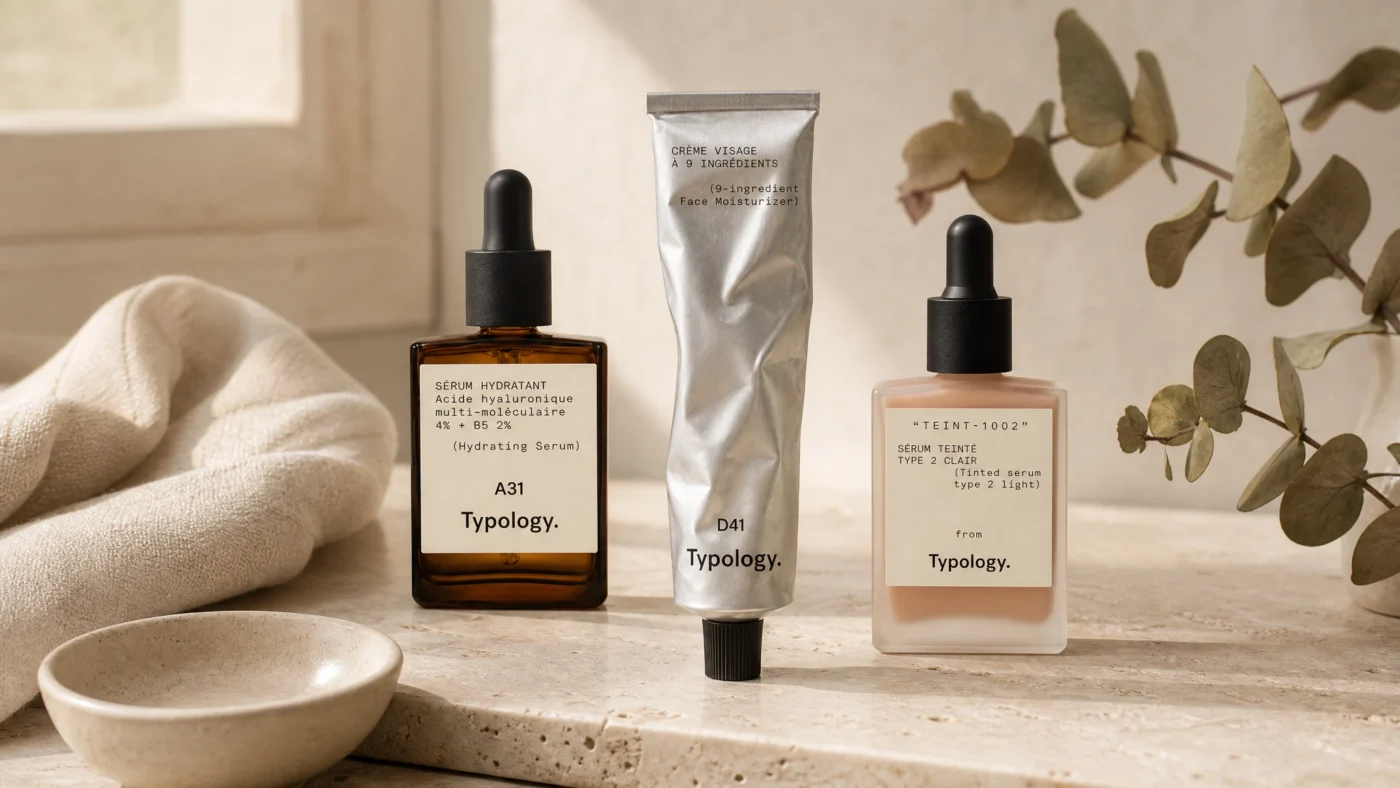
It’s 11 p.m. on a Tuesday. The bathroom counter looks like a small apothecary — a toner here, three serums there, two essences, an ampoule, a sheet mask waiting in the drawer. The skin, however, looks tired. A little red around the cheeks. Slightly congested on the chin. The promise of the 10-step ritual was glow. The reality is overwhelm. This is where the Typology Paris review begins — not with a product launch, but with a quiet realization that more steps don’t always mean better skin.
Many women know this scene intimately. The shelves keep filling. The skin keeps reacting. Somewhere between the trending acids and the latest viral cream, the simple question gets lost: what does my skin actually need tonight?
That question is exactly what Typology, the Parisian ingredient-first skincare brand, was built to answer.
The French Pharmacy Philosophy Behind Typology Paris
French skincare philosophy has always leaned toward restraint. Walk into any pharmacy in Paris and you’ll notice something curious — the bestsellers are quiet. Plain tubes. Short ingredient lists. A pharmacist who asks about your skin before suggesting anything. There’s a cultural belief that skincare should support the skin’s natural rhythm, not override it.
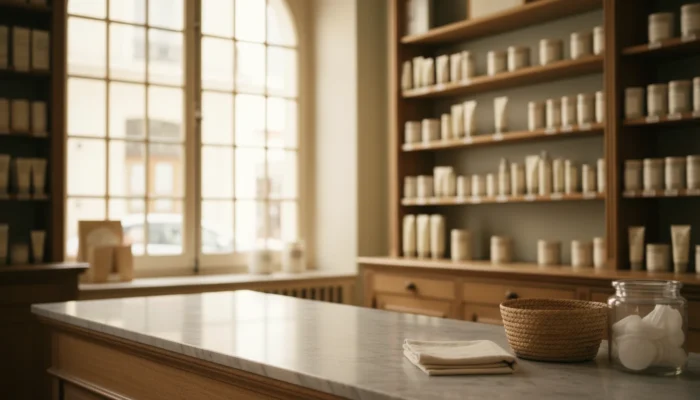
Typology took that ethos and translated it for the modern woman who shops online, reads ingredient labels, and wants transparency over marketing. The brand is often described as a French pharmacy skincare alternative — keeping the minimalism and clinical sensibility, but adding clean formulations, traceable sourcing, and single-ingredient hero products.
The philosophy comes down to three principles:
- Fewer ingredients, chosen with intention. Most formulas contain under ten components.
- Targeted, not layered. One concern, one serum — not five overlapping actives.
- Transparency by default. Every ingredient’s origin, percentage, and purpose is published openly.
It’s a refreshing shift after years of being told that complexity equals results.
Why a Minimalist Skincare Routine Works for Sensitive Skin
Sensitive skin is rarely “born” — it’s often made. A weakened skin barrier from over-exfoliation, fragrance overload, or active-stacking is one of the most common concerns walking into any treatment room today. The skin becomes reactive, flushed, and easily inflamed.
A minimalist skincare routine for sensitive skin isn’t about deprivation. It’s about giving the barrier room to repair. When the skin isn’t constantly defending itself from new ingredients, it can finally start to balance, hydrate, and calm.
This is also why a simple skincare routine with fewer products tends to outperform an elaborate one for reactive skin types. Less friction. Less potential for irritation. More consistency.
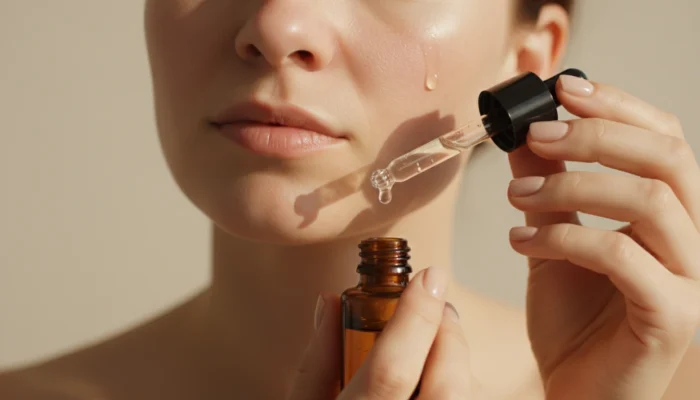
The Core of a Calming Routine
- A gentle, non-stripping cleanser
- One hydrating or barrier-supporting serum
- A fragrance-free moisturizer
- Daily SPF
That’s it. Four steps. The skin often responds within two to three weeks — not with dramatic before-and-afters, but with the quiet kind of improvement that lasts. Always consult with a healthcare professional or qualified dermatologist before starting new treatments, especially if the skin shows persistent redness, breakouts, or sensitivity.
Typology Paris Review: What Actually Stands Out
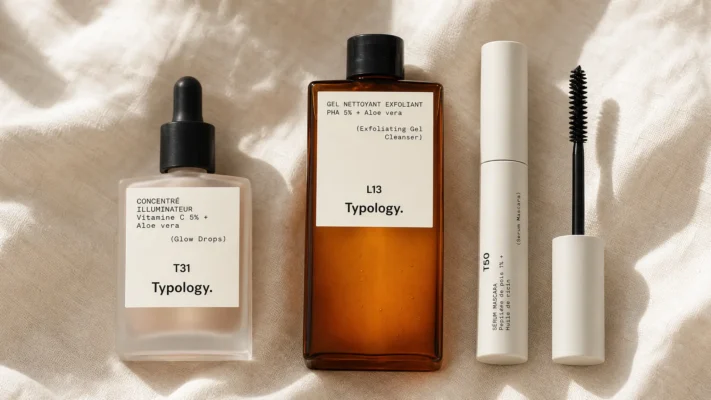
After several months of testing the range — cleansers, serums, oils, and the now-iconic tinted serum — a few observations rise to the top. This Typology skincare review isn’t about hype. It’s about how the brand performs in a real, layered, occasionally stressed-out life.
What Works Beautifully
- Single-ingredient serums. Niacinamide 12%, Hyaluronic Acid 3%, Bakuchiol 1% — clean, focused, and easy to layer or rotate based on the skin’s needs that week.
- Texture and absorption. Formulas feel weightless. No silicone-heavy slip, no sticky residue.
- Fragrance-free options. A significant portion of the range avoids essential oils entirely, which matters deeply for Typology Paris sensitive skin users.
- Refill system. Sustainability isn’t a marketing slogan here — most products have refill pods.
Where to Tread Gently
- Some of the higher-percentage actives (like the 10% glycolic acid peeling) can be too much for compromised barriers. Patch test first.
- The minimalist packaging is gorgeous but can make it easy to forget how potent some serums actually are.
Scientifically Backed Ingredients in the Typology Range
One reason this brand keeps appearing in conversations about French pharmacy skincare is the commitment to ingredients with real dermatological backing. No mystery “complexes.” No proprietary blends without disclosure.
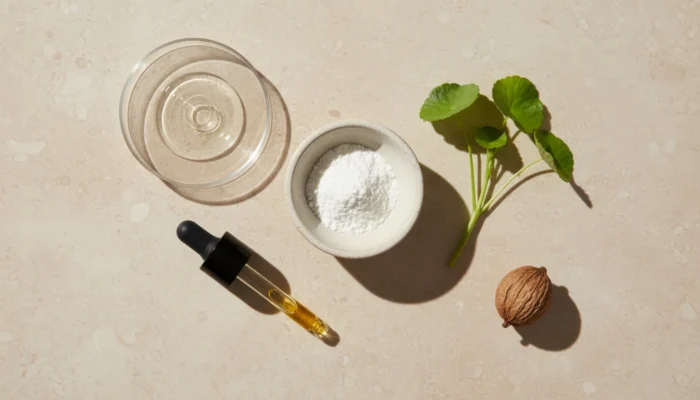
Niacinamide (Vitamin B3)
One of the most well-studied skincare actives. Niacinamide helps regulate sebum production, strengthens the skin barrier by supporting ceramide synthesis, and visibly reduces redness and post-inflammatory marks. It’s gentle enough for daily use across most skin types.
Hyaluronic Acid
A humectant that draws water into the upper layers of the skin. Different molecular weights penetrate at different depths — Typology’s formula uses multiple weights to hydrate both surface and deeper layers, leaving the skin plump without occlusion.
Bakuchiol
Often called a gentler alternative to retinol, bakuchiol is a plant-derived compound that supports cell turnover and collagen production without the photosensitivity or irritation associated with traditional retinoids. It’s a wonderful option for sensitive skin or for those pregnant or breastfeeding (though, again — always confirm with a healthcare professional first).
Centella Asiatica
A staple in calming formulations, centella (or “cica”) soothes inflammation, supports wound healing, and reinforces the barrier. It’s the quiet hero behind many post-treatment recovery routines.
Squalane
A lightweight emollient that mimics the skin’s natural sebum. It locks in hydration without clogging pores, which makes it ideal for combination and acne-prone skin types looking for a non-comedogenic finish.
Expert Tip & A Myth Worth Debunking
Expert tip: Introduce one new active at a time, and give it at least four weeks before deciding whether it works. Skin cell turnover is roughly 28 days — anything shorter than that is just a first impression, not a verdict.
Myth, debunked: “More expensive skincare always works better.” Price often reflects packaging, branding, and marketing — not formulation quality. A well-formulated 5% niacinamide serum from an ingredient-first brand can outperform a luxury cream three times its price.
How to Build a Skincare Routine for Sensitive Skin with Typology
Building a skincare routine for sensitive skin using this brand is refreshingly straightforward. The idea is to anchor the routine in barrier care, then introduce one targeted active only if the skin asks for it.
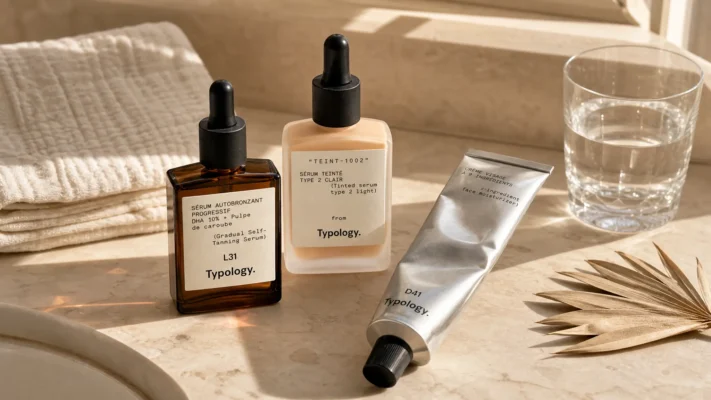
Morning
- Gentle foaming or milky cleanser
- Hydrating serum (hyaluronic acid)
- Lightweight moisturizer
- SPF 30+
Evening
- Oil or cream cleanser to remove SPF and pollution
- Niacinamide serum (or bakuchiol, alternated)
- Squalane or barrier cream
That’s the entire routine. Five products in the morning, five in the evening — and several of those steps are shared. The skin, once allowed to settle into this rhythm, often shows the kind of calm, even-toned result that no 10-step ritual ever quite delivered.
Is Typology Worth It? A Final Honest Word
If the bathroom shelf feels heavier than the skin’s actual needs, this brand is worth exploring. As an ingredient-first skincare brand, Typology delivers on transparency, gentleness, and the kind of restraint that benefits reactive, tired, or simply overwhelmed skin.
It won’t replace professional treatments or address deeper concerns like hormonal acne, melasma, or rosacea on its own — those still belong in the hands of a qualified specialist. But as a daily foundation, it offers something rare: skincare that respects the skin enough to step back.
Frequently Asked Questions
1. Is Typology suitable for very sensitive or reactive skin?
Yes, much of the range is fragrance-free and formulated with short ingredient lists, which makes it a strong option for sensitive skin. Start with the hydrating and barrier-support products before introducing any acids or retinoid alternatives.
2. How does Typology compare to traditional French pharmacy brands like La Roche-Posay or Avène?
Traditional French pharmacy brands focus heavily on thermal water and dermatological testing. Typology offers a more modern, ingredient-transparent approach with cleaner formulations and a refill system — making it a strong complementary or alternative choice.
3. Can a minimalist routine really replace a 10-step regimen?
For most skin types, yes. A consistent four to six step routine focused on cleansing, hydration, targeted treatment, and SPF protection often outperforms longer rituals, particularly for sensitive or barrier-compromised skin.
Pingback: Why European Niche Skincare Brands Are Quietly Replacing Luxury Beauty Giants - Denyva
Pingback: Founder-Led Skincare Brands: Why Small European Brands Earn Customer Trust - Denyva