

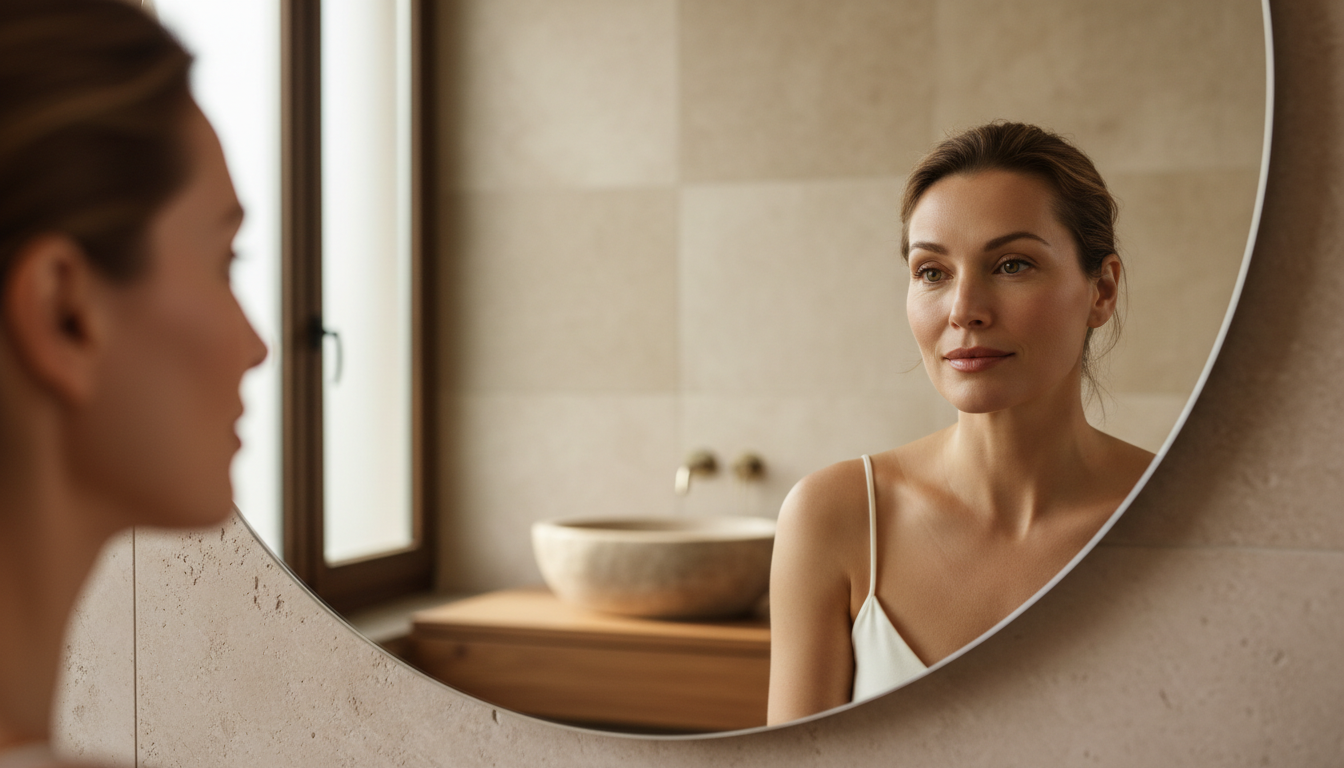
She is 38. The foundation is the same one she has worn since 29 — same shade, same brush, same three-minute technique at the bathroom mirror. But this morning, something is off. The coverage that once melted into her skin now gathers in the fine lines around her mouth. By noon, the finish that looked fresh at breakfast has turned chalky, sitting on her cheeks like a thin film of dust. Nothing in her routine has changed. Her skin has.
This is the central truth of makeup aging: the product did not fail. The surface beneath it changed — quietly, structurally, biologically — and the routine has not caught up. Foundation behaves the way the skin allows it to behave. When the canvas shifts, the result shifts with it, regardless of how loyal the formula has been.
What Actually Changes in Your Skin After 35
Three biological shifts begin to compound around the mid-thirties, and each one has direct, measurable consequences for how makeup performs. None of them are dramatic in isolation. Together, they redraw the surface of the skin.
- Collagen and elastin decline: The dermal scaffold that keeps skin taut weakens. Fine lines deepen, and the surface becomes less uniformly firm.
- NMF and ceramide reduction: The skin’s natural moisturizing factors and lipid mortar diminish, meaning the epidermis holds less water than it did a decade earlier.
- Sebum production decrease: The thin layer of natural oil that once coated the surface thins out, changing the chemical environment makeup was designed to meet.
Collagen loss and makeup behavior are tightly linked. Research on skin aging and collagen structural changes indicates that collagen synthesis gradually declines with age, with more noticeable structural changes typically emerging from the mid-thirties onward as the rate of new collagen production slows and existing fibers degrade faster than they are replaced. Think of collagen as the wooden frame beneath a plastered wall. When the frame softens, the plaster develops hairline cracks. The paint applied on top — no matter how premium — settles into those cracks rather than gliding over them.
Why Foundation Settles Into Lines (The Physics of an Aging Surface)
When a foundation settles into lines, it is rarely a technique failure. It is a surface physics problem. Pigments suspended in a liquid base need a relatively even, hydrated plane to distribute across. When the dermal scaffold weakens and surface hydration drops, the skin develops microscopic peaks and valleys. Pigment, following gravity and the path of least resistance, migrates into the valleys — the creases around the eyes, mouth, and nasolabial folds.
Return to the wall analogy. Paint applied to a smooth, primed wall lays flat and reflects light evenly. The same paint applied to a wall with hairline fractures pools in the crevices, accentuating every flaw it was meant to conceal. The paint did not change. The wall did.
Hydration is the second pillar of this equation. Clinical data on epidermal water retention and skin aging show that older skin holds significantly less water in the stratum corneum, producing an uneven micro-topography that destabilizes any pigment laid across it. This is why foundation looks cakey after 35 even when application has not changed — the surface no longer offers the cohesion the formula expects. For a deeper look at the hormonal shifts that accelerate this process, see how hormonal changes affect skin texture and makeup behavior.
The Oxidation Problem: Why Your Foundation Looks Different by Noon
Foundation oxidation on mature skin is one of the most misunderstood phenomena in the bathroom mirror. Most women assume their skin is producing too much oil and reach for a mattifying formula. The opposite is usually true. Clinical findings on sebaceous gland activity and skin aging show a marked decline in sebum production from the mid-thirties onward, particularly in women approaching perimenopause.
Sebum is not the enemy. It is a thin lipid film that buffers the skin’s interaction with pigments, oxygen, and environmental particulates. When that film thins, foundation reacts directly with a drier, more porous surface. The result: pigments oxidize faster, colour shifts darker or more orange by midday, and the finish turns powdery instead of luminous.
This is the matte formula trap. Foundations engineered for oily skin contain absorbent powders and oil-controlling agents designed to soak up excess sebum. Applied to a low-sebum surface, they pull moisture from a skin that has none to spare. The finish that looked controlled at 9am looks tight, dehydrated, and aged by lunch. The formula is doing exactly what it was designed to do — it is simply doing it to the wrong environment. For more on how this transition unfolds, see how skin changes after 30 affect product performance.
The Skincare Base: Why Makeup Starts Before Foundation
On mature skin, a significant portion of how foundation performs is determined before any pigment touches the face. The hydration level of the epidermis, the integrity of the lipid barrier, and the quality of surface preparation set the conditions for everything applied on top. A well-prepared surface allows even a mid-range formula to look refined. A poorly prepared surface will defeat the most expensive foundation on the market.
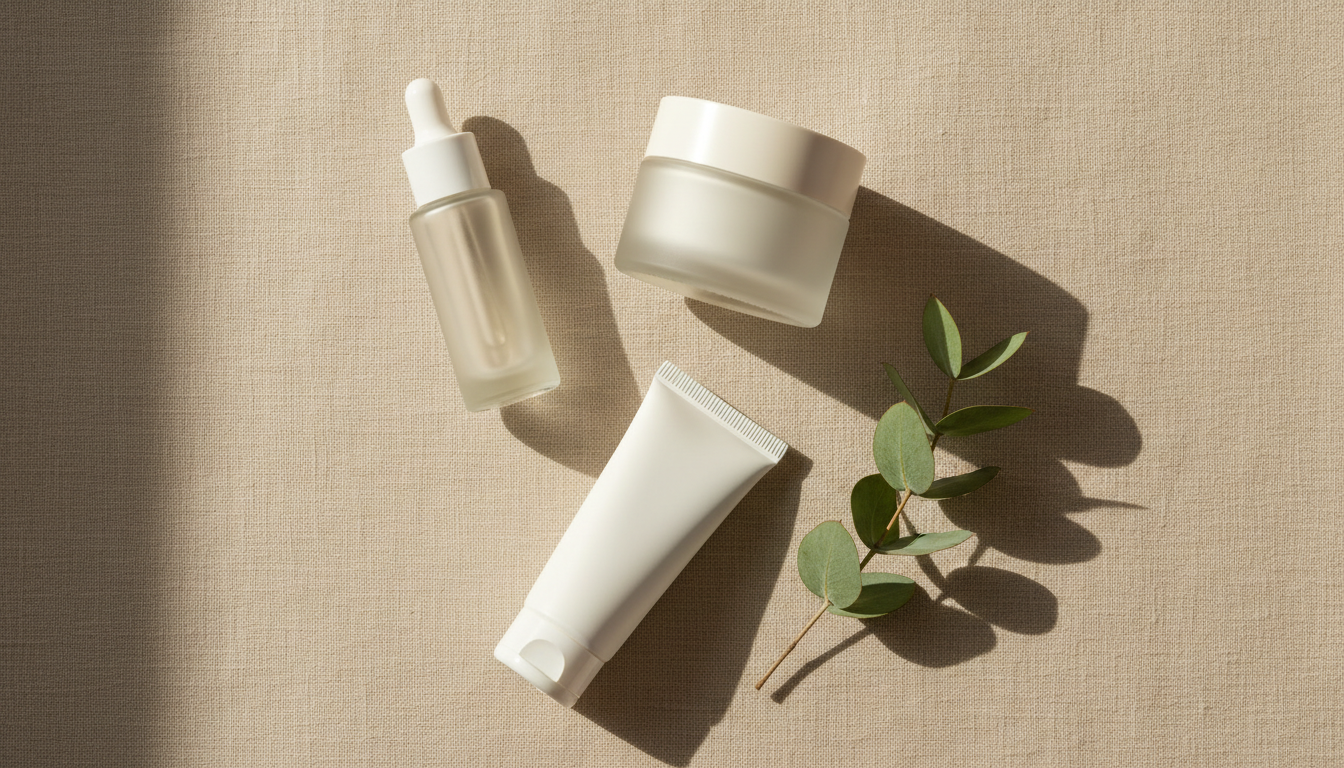
Three layers do most of the work:
- A hydrating serum with hyaluronic acid or glycerin to plump the upper epidermis and even out micro-texture.
- A ceramide moisturizer to rebuild the lipid barrier and slow transepidermal water loss across the day.
- A skin-prep primer chosen for compatibility with the skin’s current state, not for the marketing claim on the tube.
Skin hydration and makeup are not separate categories — they are the same conversation. A surface that holds water reflects light evenly and grips pigment without absorbing it unevenly. The night before matters as much as the morning. Consider building a night skincare routine that supports daytime makeup as the foundation of the foundation itself.
Why Powder Makeup Often Looks Older on Mature Skin
Powder formulas have a particular relationship with mature skin, and it is rarely a flattering one. The mechanism is straightforward. Powder particles are designed to absorb — sebum, moisture, surface shine. On younger, well-lubricated skin, this absorption is balanced by the lipid film constantly being replenished beneath. On skin after 35, with sebum output reduced and surface hydration already compromised, powder draws from a reserve that is no longer there.
The visual consequence is specific. Without surface moisture to soften their edges, powder particles cling to dry patches and the raised edges of fine lines, casting tiny shadows that read on the face as texture and age. Matte finishes intensify this effect because they eliminate the light reflection that would otherwise blur small irregularities. A surface that does not reflect light shows every contour.
Cream, liquid, and serum-infused formulas behave differently. Their suspended pigments sit within a hydrated film that mimics the light-handling behavior of healthy skin, producing a finish that reads as skin rather than coating. This is why a sheer cream foundation often looks more youthful on mature skin than a high-end powder, regardless of price point.
Many women interpret these shifts as a sign they are aging badly, or that they have somehow lost the ability to wear makeup well. Neither is true. The skin has not failed, and neither has the woman applying the product. The biology beneath the surface has changed, and the techniques and formulas built for a different decade of skin are no longer the right tools. Adjusting the approach is not a concession to age — it is an act of accuracy.
Choosing the Right Foundation Formula for Skin After 35
Formula selection becomes a matter of compatibility rather than coverage. The goal is a product that works with the surface biology of mature skin rather than fighting it.
- Avoid: Heavy full-coverage liquid formulas, matte finishes, powder foundations used as primary coverage, and high-alcohol setting sprays that accelerate dehydration.
- Favour: Skin tints and serum foundations with hyaluronic acid, satin or natural finishes, buildable coverage layered selectively, and cream blush rather than powder.
The primer question deserves nuance. Silicone-based primers vary widely in formulation. Some create excellent blurring effects on mature skin by softening the appearance of fine lines and producing a smooth optical surface for foundation to sit on. Others may not perform well on dehydrated skin, depending on the specific silicone blend and the hydration of the products layered beneath — in those cases, pilling or separation can occur within a few hours. Water-based and hydrating primers built on glycerin, hyaluronic acid, or squalane tend to be a safer default for very dry mature skin, but a well-matched silicone primer applied over properly hydrated skin can perform beautifully. The compatibility of the layers matters more than the category.
Setting is the final adjustment. A light hydrating mist preserves the skin-like finish that mature skin needs. A heavy setting powder, particularly across the under-eye and smile lines, deepens every crease it touches by replacing reflective surface moisture with a flat, light-absorbing layer.
Application Techniques That Work With Aging Skin, Not Against It
The hand matters as much as the formula. Small shifts in technique produce visible differences on a surface that no longer forgives the way it once did.
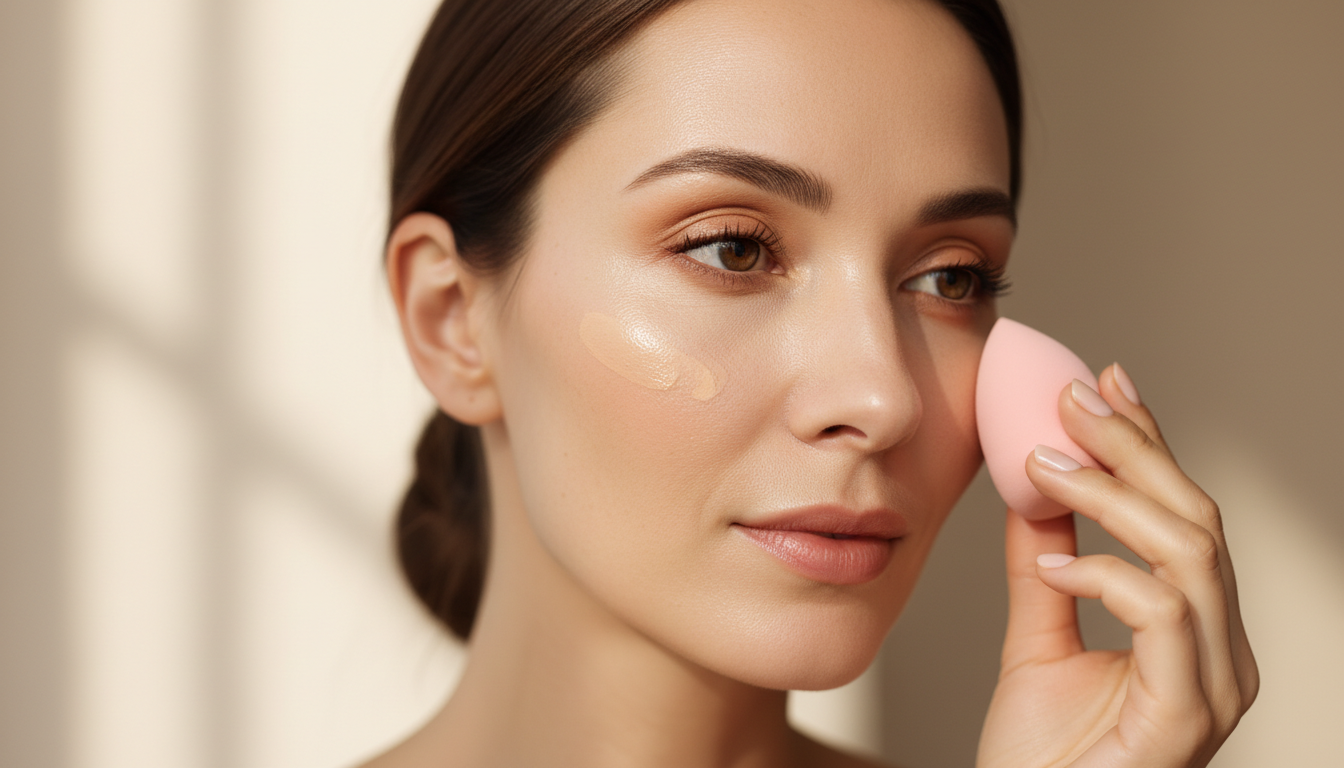
- Damp sponge over brush: A lightly dampened sponge sheers out product and reduces buildup in lines. A dense brush pushes pigment into creases.
- Patting, not dragging: Pressing product into the skin preserves surface hydration. Sweeping motions disrupt the skincare layers beneath.
- Less product, more layers: Two thin applications integrate into the skin. One heavy layer sits on top and sinks into every line.
- Strategic placement: Use coverage where pigmentation or redness demands it. Leave well-prepared areas bare, particularly across dry texture zones.
The Coverage Myth. A persistent assumption holds that heavy, full-coverage foundation conceals signs of aging. The opposite is true on mature skin. High-coverage formulas — particularly powder-based ones — amplify texture, settle into fine lines, and emphasize dryness by replacing the natural light reflection of skin with a flat, opaque film. The correct response to a changing surface is preparation and formula compatibility, not more product.
If skin texture changes are significant or accompanied by sensitivity, consult a dermatologist before changing your skincare or makeup routine — texture shifts can sometimes indicate underlying barrier or hormonal changes that benefit from professional assessment.
Why Does Foundation Turn Orange After a Few Hours?
Foundation oxidation describes a colour shift that occurs when the pigments and other ingredients in a foundation interact with air, sebum, and the chemistry of the skin surface over the course of the day. The result is a finish that looks darker, warmer, or distinctly more orange than the shade applied in the morning. It is a chemical reaction, not a mistake of shade choice — though shade choice can amplify it.
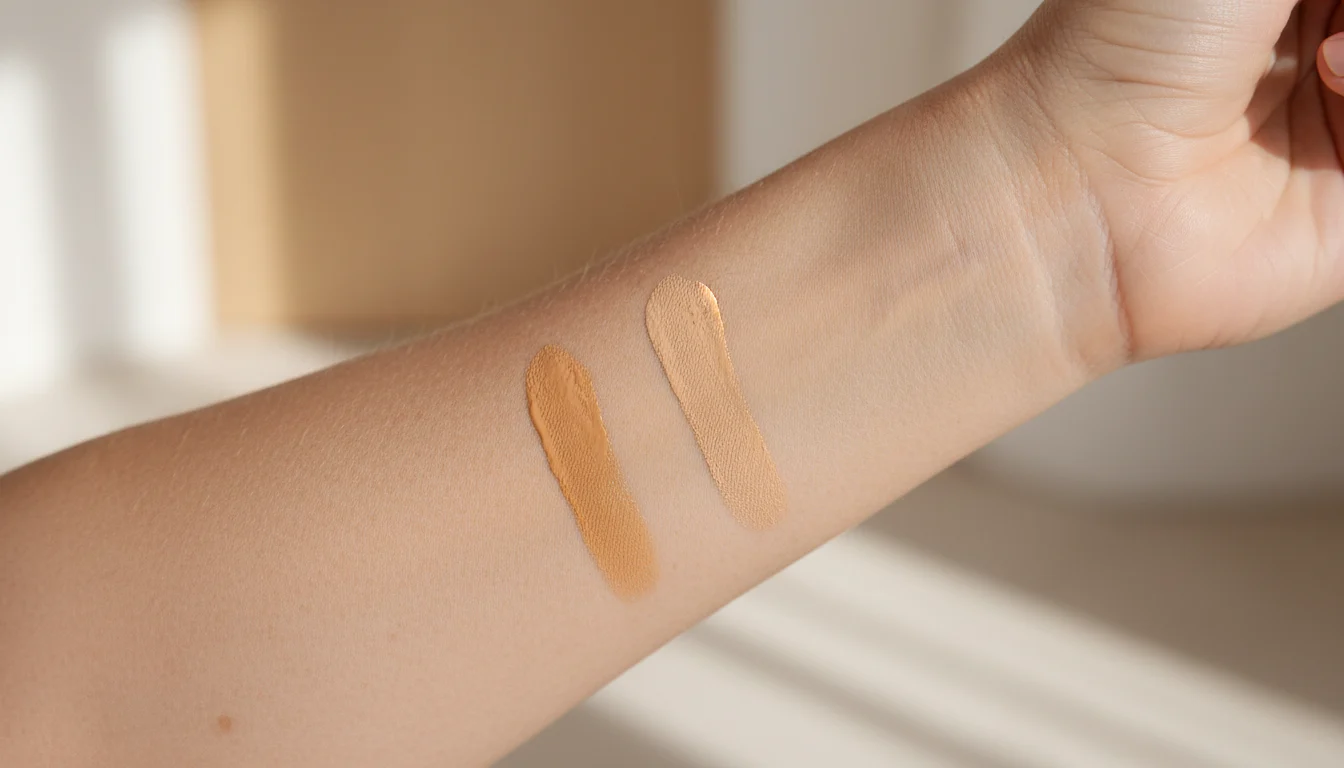
On mature skin, the colour change is often more visible. Reduced sebum means the foundation is no longer cushioned by a stable lipid film, so its pigments interact more directly with whatever oil and moisture the skin does produce. Dehydrated areas absorb pigment unevenly, deepening colour in some zones while leaving others to fade. Iron oxides, the workhorse pigments in most foundations, are particularly prone to shifting warmer when exposed to oxygen and skin acidity over time.
The question of why foundation looks darker later is rarely about the foundation alone. It is the meeting point of formula chemistry, skin pH, hydration, and oxidation kinetics — all of which change with age. The good news: addressing oxidation does not usually require replacing the foundation.
- Prep the surface: A well-hydrated, balanced skin barrier slows the chemical interactions that drive colour shift.
- Use an antioxidant serum underneath: Vitamin C or vitamin E in the skincare layer can buffer the oxidative reaction at the skin surface.
- Choose a shade slightly lighter than your perfect match: Foundations that oxidize will settle closer to your true tone after an hour rather than overshooting it.
- Set selectively: A light dusting of translucent powder only on the t-zone, where most sebum still emerges, reduces the chemical contact that triggers shift.
Frequently Asked Questions
Why does my foundation look patchy and dry by midday?
Because the skin beneath it has lost water and lipids across the morning, and the foundation is now resting on a more textured, less cohesive surface than it was at 9am. Hydration underneath and a hydrating mist on top usually resolve it.
Should I switch to a lighter foundation as I get older?
In most cases, yes. Sheer, buildable formulas with skincare-active ingredients tend to flatter mature skin more than dense, full-coverage liquids. Coverage can be layered where needed without coating the entire face.
Does skincare really affect how foundation looks on mature skin?
Substantially. The hydration, barrier integrity, and surface texture established by your skincare determine a large share of how foundation performs. The product on top is the smaller half of the equation.
Pingback: Silicone-Based vs Water-Based Foundation: Does It Really Matter? - Denyva