

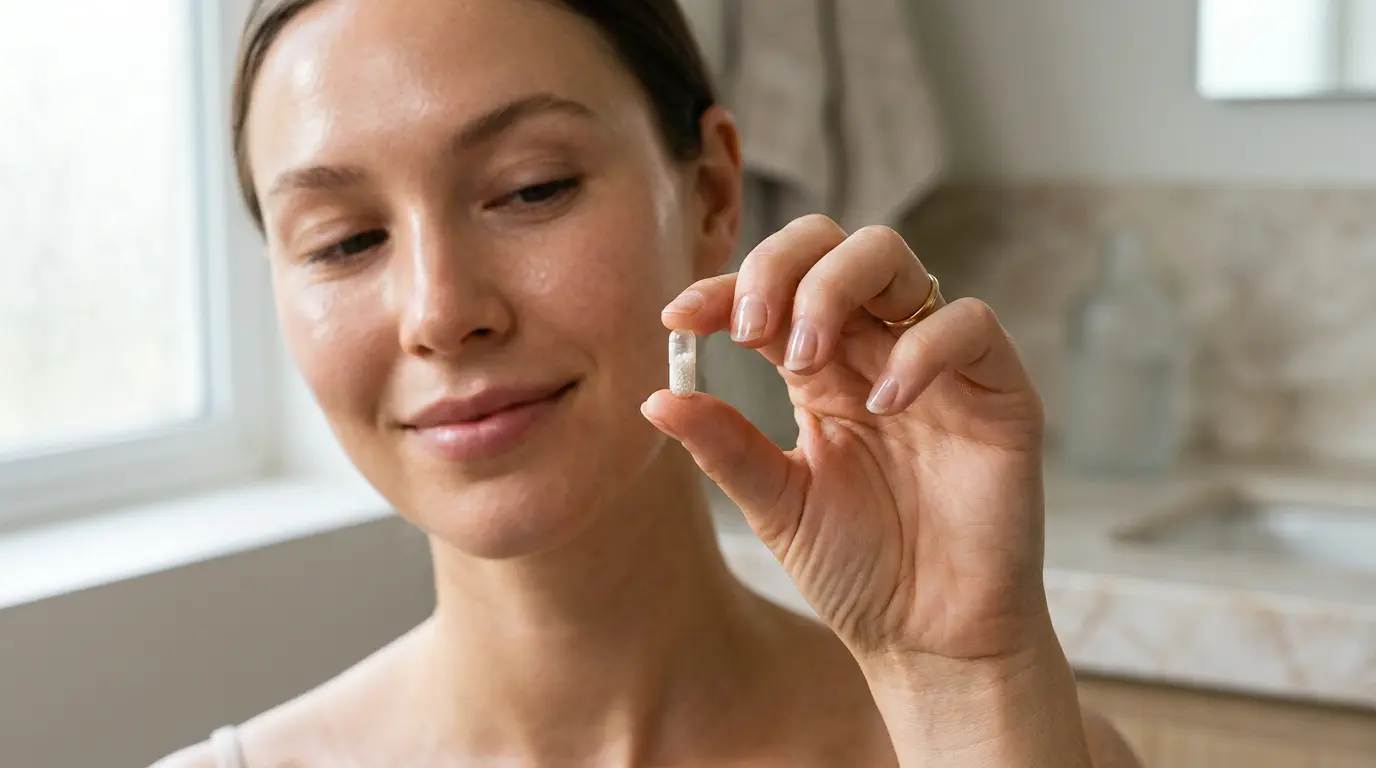
A common misunderstanding in modern skincare marketing implies that swallowing a probiotic capsule sends friendly bacteria directly migrating to the face to colonize pores. The biological reality of probiotics and skin health is far more complex and entirely indirect. Live bacteria remain within the gastrointestinal tract, operating through metabolic and immunologic signaling cascades rather than physical migration. Understanding how oral probiotics skin barrier mechanisms function requires looking past wellness lore to examine gut permeability, short-chain fatty acid production, and systemic cytokine regulation.
The Migration Myth: Why Ingested Bacteria Do Not Colonize Facial Skin
The image of bacteria swimming from a swallowed capsule into the bloodstream and settling onto the cheeks is biologically implausible. Ingested microorganisms pass through stomach acid and bile before interacting with the intestinal epithelium; they do not cross into systemic blood circulation to physically populate cutaneous tissue. The gut wall is a selective barrier, not a highway for live bacterial cells.
The facial microbiome itself is a separate ecosystem entirely. It is dominated by cutaneous commensals like Cutibacterium acnes and Staphylococcus epidermidis, organisms adapted to a lipid-rich, low-oxygen sebum environment that gut-adapted species such as Lactobacillus or Bifidobacterium simply cannot inhabit. A PMC review on oral probiotics and their interaction with the intestinal barrier outlines how these systemic skin pathways function through signaling, not colonization.
The true mechanism is indirect: gut microorganisms influence systemic immunity, metabolic byproduct synthesis, and inflammatory mediator production, all of which travel through the vascular system to reach the dermis. Understanding the fundamental communication network connecting gastrointestinal homeostasis to cutaneous inflammation is detailed in Gut-Skin Axis. This distinction—signaling versus settlement—is the foundation for evaluating any oral probiotic claim.
Intestinal Permeability and Cytokine Modulation: The Systemic Shield
Much of the skin benefit attributed to oral probiotics actually originates from what happens at the gut lining itself. When dysbiosis occurs, intestinal permeability increases, allowing lipopolysaccharides (LPS) and other bacterial toxins to enter systemic circulation. This provokes a low-grade, sub-clinical inflammatory state that extends well beyond the digestive tract.
Specific probiotic strains work by reinforcing epithelial tight junction proteins, including occludin and zonula occludens-1, which physically limit this leakage. A Karger clinical review on systemic barrier interventions connects this gut-tightening effect directly to measurable changes in epidermal barrier modulation. The tighter the gut lining, the less endotoxin circulates to disturb distant tissues.

The downstream effect on skin comes through cytokine suppression. Reducing circulating endotoxin levels correlates with lower levels of pro-inflammatory cytokines such as TNF-alpha, IL-6, and IL-8. Because these cytokines are known drivers of dermal inflammation, their suppression can translate into reduced facial erythema and fewer acne flares—not because bacteria reached the face, but because the inflammatory fuel supply was throttled at its source.
Metabolites at Work: How SCFAs, IGF-1, and Ceramides Reach the Dermis
The most tangible evidence for oral probiotics affecting skin lies in metabolite production. As probiotics ferment dietary fibers in the colon, they generate short-chain fatty acids (SCFAs)—acetate, propionate, and butyrate—that circulate systemically and modulate immune tolerance and epidermal differentiation. These molecules act as messengers, not migrants.
Certain strains appear to influence skin at the gene expression level. Clinical research on Lactobacillus rhamnosus points to modulation of IGF-1 signaling alongside increased FoxO1 expression, a pathway associated with normalized sebum production. A PMC clinical trial on oral Lactobacillus strains and IGF-1/FoxO1 regulation links this gene-level activity to measurable reductions in acne lesion counts, though individual response naturally varies with baseline gut microbiome composition.
SCFA signaling also appears to stimulate ceramide synthesis in the dermis, which matters for hydration. Ceramides are structural lipids that limit transepidermal water loss (TEWL); when systemic signaling supports their production, the stratum corneum retains moisture more effectively from within. Comparing systemic oral metabolite signaling to topical microbiome formulations is explored in Microbiome Skincare, which draws the line between internal biochemistry and surface-applied bacterial ferments.
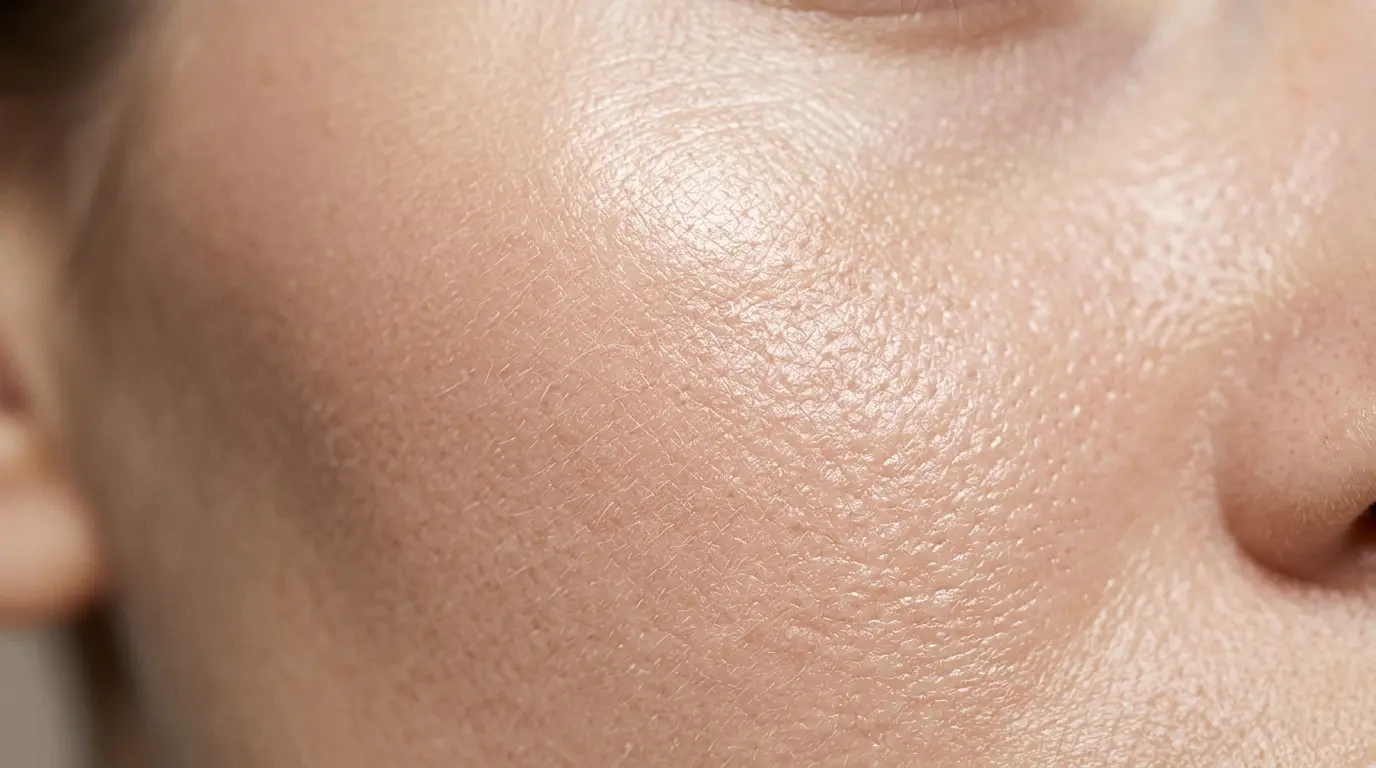
Topical vs. Oral Probiotics: Clarifying the Functional Divide
Oral and topical probiotic products are frequently marketed as interchangeable, but they operate on entirely different tissue layers. Oral probiotics modulate systemic immunity, gut barrier integrity, and metabolic pathways—mechanisms relevant to skin conditions with an inflammatory or hormonal systemic driver.

Topical formulations, by contrast, typically rely on bacterial lysates or ferments applied directly to the stratum corneum. These interact locally with the skin’s surface, supporting acid mantle function and feeding existing surface commensals rather than influencing anything below the epidermis. A PMC review comparing oral versus topical probiotic mechanisms examines how each route produces distinct, non-overlapping hydration metrics.
Neither format is a substitute for structural lipid repair. Oral strains modulate systemic signaling from the inside; topical ferments offer localized surface conditioning. Evaluating the distinct functional roles of the physical lipid barrier versus living microbial defense systems is examined in Skin Barrier vs Skin Microbiome, a useful framework for understanding why combining both approaches is not redundant.
The Final Verdict: How to Evaluate an Oral Probiotic for Skin Health
Probiotic efficacy is strictly strain-dependent. A label listing only “Lactobacillus” or “Bifidobacterium” without a specific strain designation offers little assurance, since clinical outcomes are tied to individual strains studied in controlled trials, not to genus-level branding.
Dermatological research suggests oral probiotics function as a supportive, long-term systemic intervention rather than an overnight fix for severe inflammatory conditions or existing structural barrier damage. Expecting rapid, dramatic transformation misreads what the mechanism can realistically deliver.
A more rigorous evaluation looks for documented colony-forming unit (CFU) survival through stomach acid, a verified strain number, and clinical outcomes tied specifically to that strain—rather than a vague “glow” claim on packaging. Evidence indicates this level of scrutiny separates genuinely researched formulations from generic wellness filler.
FAQ
Do oral probiotics physically travel through the blood to live on the face?
No, oral probiotics stay within the gastrointestinal tract and do not enter the bloodstream to colonize facial skin. They improve skin health indirectly by strengthening the gut barrier, reducing systemic inflammation, and producing active metabolites like short-chain fatty acids.
How long does it take for oral probiotics to show results on the skin?
Clinical trials evaluating oral probiotics for skin conditions typically observe measurable changes in lesion counts, hydration, or barrier function after 4 to 12 weeks of daily, consistent use.
Can oral probiotics help with facial skin hydration and dry skin?
Yes, clinical studies indicate that specific probiotic strains enhance systemic ceramide synthesis and lower transepidermal water loss (TEWL), leading to improved stratum corneum hydration from within.
Are topical probiotic creams better than taking an oral probiotic supplement?
Neither is inherently better, as they operate through entirely different mechanisms. Topical ferments and lysates work locally on the stratum corneum surface, whereas oral probiotics target systemic immune regulation and gut barrier integrity.