

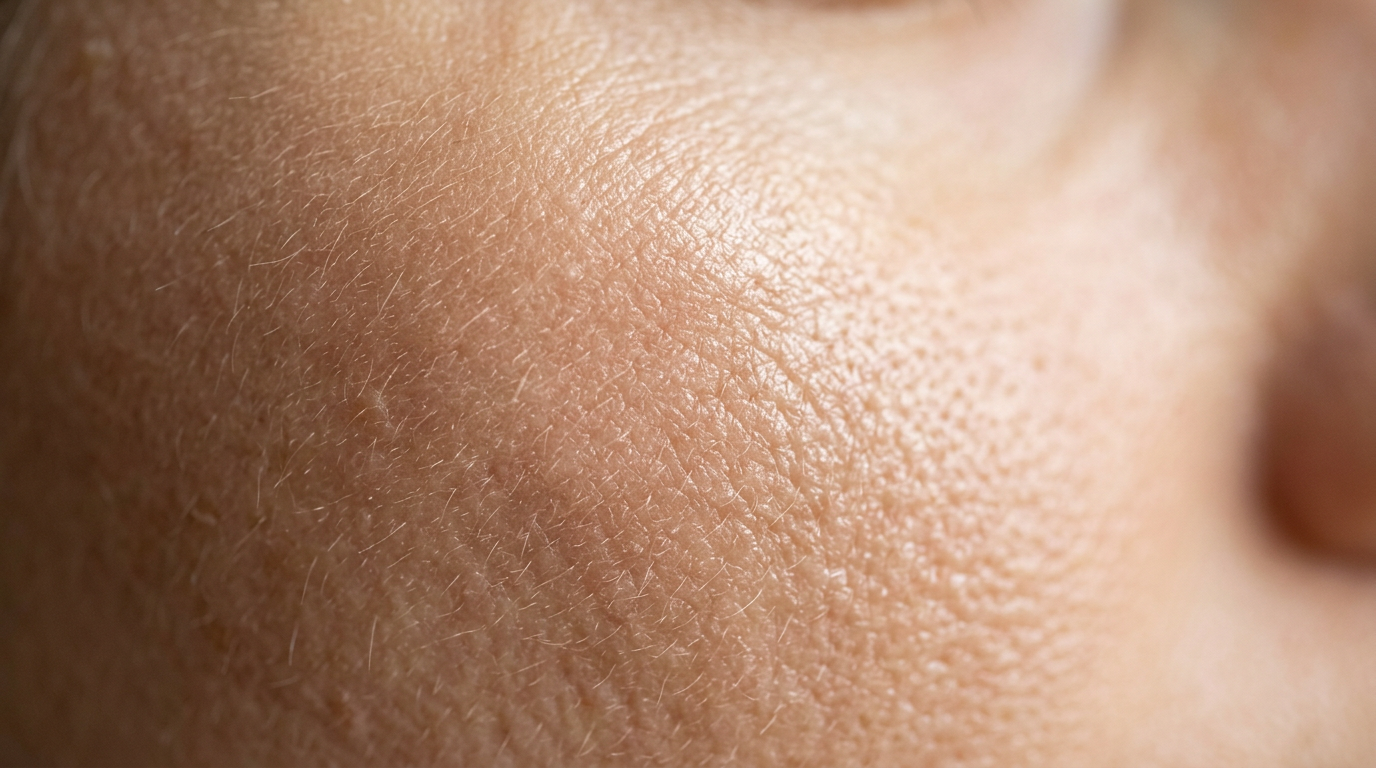
Someone wakes up with red, stinging patches across their cheeks and immediately declares their microbiome “destroyed.” Someone else notices flaking around their nose and blames a “broken moisture barrier.” Both reach for the same drawer of serums, often the wrong ones, because the terms have become interchangeable in beauty conversation. They shouldn’t be. The skin barrier vs skin microbiome distinction matters clinically and cosmetically: one is a physical structure built from dead cells and lipids, the other a living, shifting population of microorganisms. They talk to each other constantly. They are not the same system, and treating them as one leads to mismatched products and slower recovery.
The Brick Wall vs. The Living Guards: What Each System Actually Is
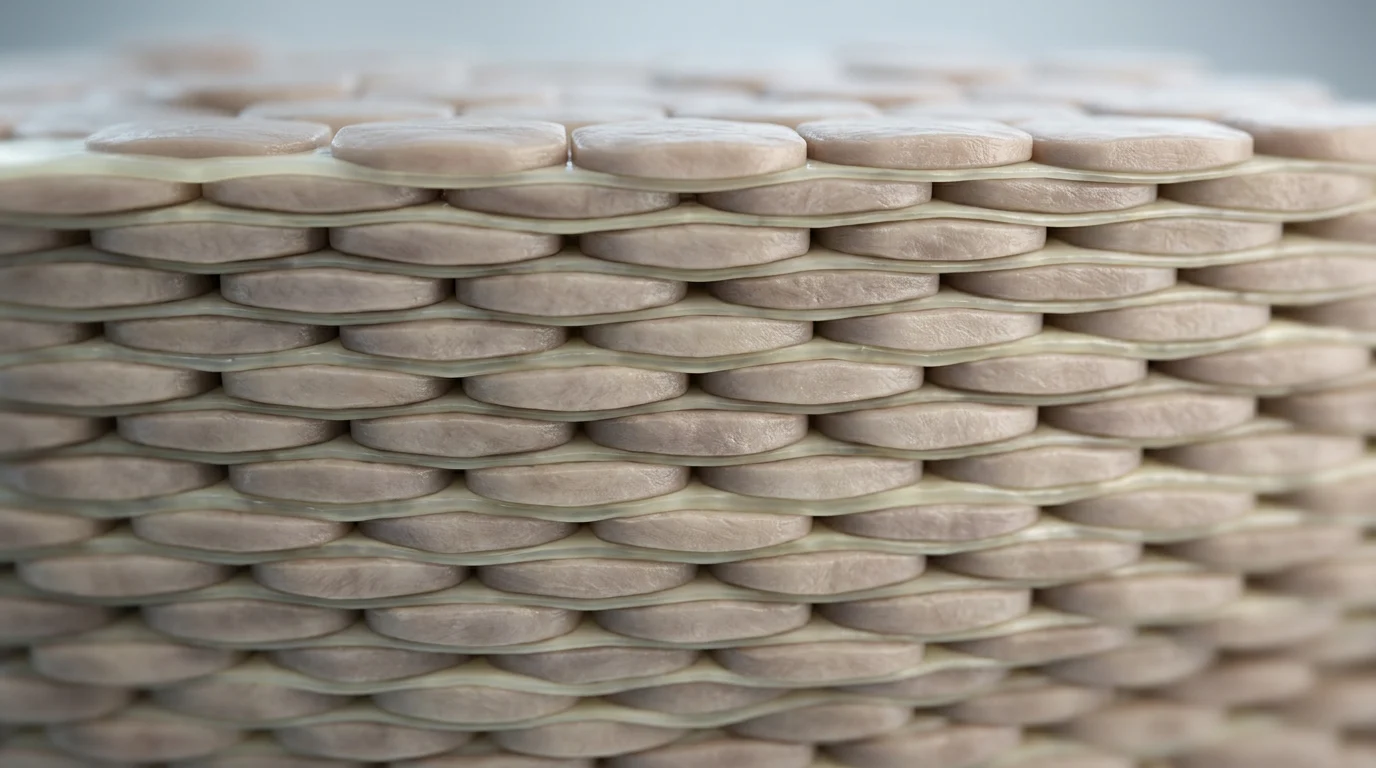
The skin barrier is architecture. The classic “brick and mortar” model describes the stratum corneum — the outermost layer of skin — as flattened, keratin-packed cells (corneocytes) acting as bricks, held together by a lipid mortar of ceramides, cholesterol, and free fatty acids. This is a physical, structural matrix, not a biological population. Its job is mechanical: keep water in, keep irritants and pathogens out.
Early physical research on the skin’s outer layer, including foundational studies on epidermal physical mechanics, established that hydration state directly governs how flexible or brittle this layer becomes. What “barrier integrity” means in a strict biological sense is worth pinning down too — the definition of functional barrier integrity centers on a structure’s capacity to resist penetration while maintaining internal conditions, which is exactly the corneocyte-lipid system’s function.
The skin microbiome is something else entirely: a living ecosystem. Trillions of bacteria, fungi, viruses, and mites occupy the skin’s surface and its upper layers, varying by body site, sebum output, and moisture. This isn’t inert scaffolding — it’s an active population responding to pH, humidity, and nutrient availability in real time. Research on skin microbiome diversity and cutaneous immunity indicates this community plays a direct role in training and calibrating local immune defenses, not simply squatting on the surface.
Stratum Corneum Biophysics: The Lipid Matrix Demystified
Bricks and mortar only work as a metaphor up to a point — the real story is molecular arrangement. Ceramides, cholesterol, and free fatty acids don’t just sit between corneocytes; they organize into precise lamellar phases, layered sheets with specific spacing and orientation. Get that organization wrong, and transepidermal water loss (TEWL) climbs while irritant penetration becomes easier.
This is stratum corneum lipid organization in action, and it’s more fragile than it sounds. Biophysical research on stratum corneum lipid organization describes how subtle shifts in lipid ratios or chain length change the phase behavior of the entire matrix — a molecular-level explanation for why “barrier repair” isn’t as simple as slathering on any fat.
Modern tools have made this less theoretical. Advanced lipidomics in stratum corneum analysis now allows researchers to map which specific ceramide subclasses are depleted in compromised skin, rather than treating “lipids” as one monolithic ingredient category.
What happens when this architecture collapses is well documented clinically — flaking, sensitivity, reactivity to products that were previously tolerated. For a deeper look at causes and progression, understanding skin barrier dysfunction lays out how lipid depletion cascades into visible symptoms.
The Cross-Talk: How Microbes and Physical Layers Communicate
Confusing the barrier and the microbiome is understandable, because neither functions well without the other. This is genuine cross-talk, not two isolated systems that happen to occupy the same real estate.
Commensal organisms like Staphylococcus epidermidis ferment sebum into short-chain fatty acids, helping maintain the skin’s acidic pH — the so-called acid mantle. That acidity isn’t cosmetic trivia; several lipid-processing enzymes responsible for assembling the ceramide matrix only function efficiently within a narrow pH window. Disrupt the microbes, and enzyme activity can falter along with them.
The relationship runs both directions. A well-organized lipid matrix creates the humidity and microenvironment beneficial flora need to thrive, while simultaneously limiting the overgrowth of opportunistic organisms like Staphylococcus aureus. Strip the lipids, and you’ve effectively removed the housing that keeps the ecosystem balanced.
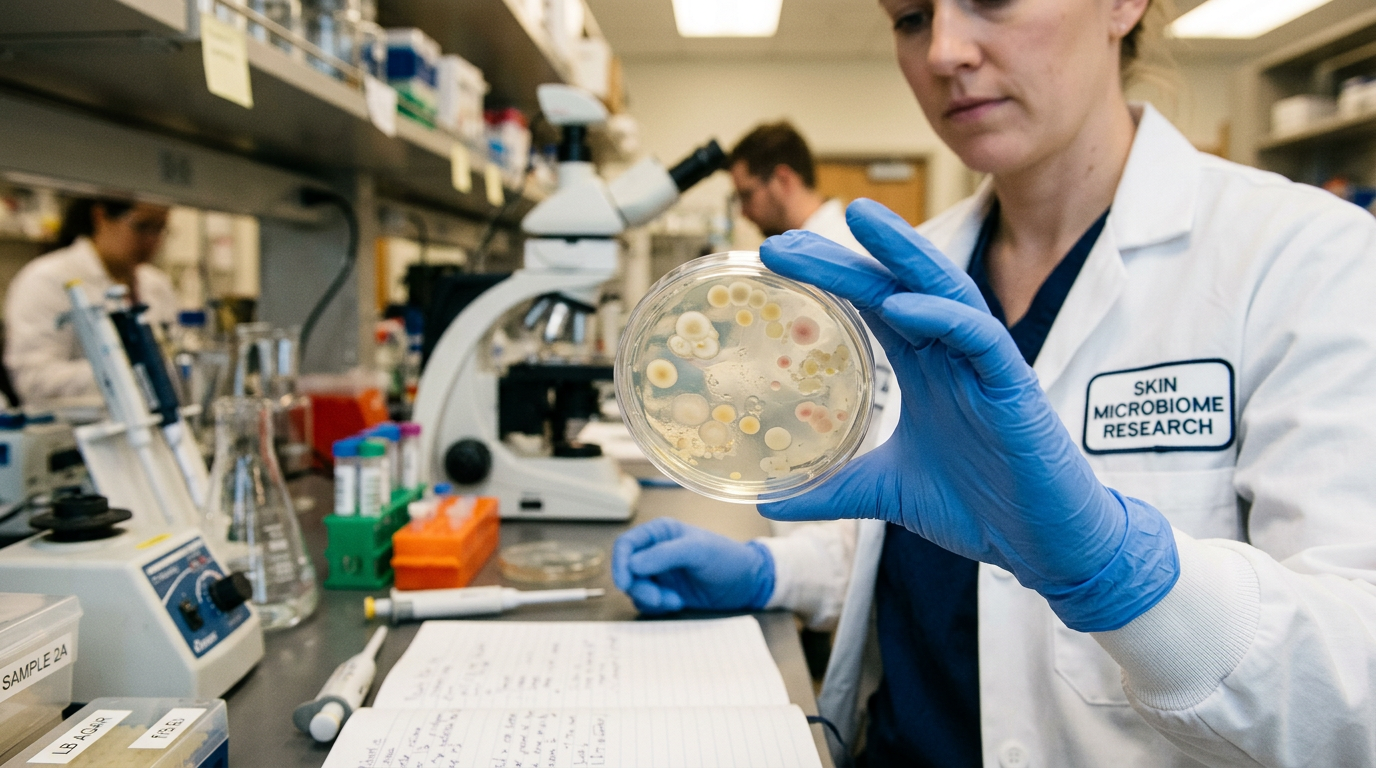
Clinical findings on microbiome-barrier cross-talk go further, showing microbes can actively signal epidermal cells to ramp up ceramide production and antimicrobial peptide synthesis. The living community isn’t a passenger on the physical structure — it’s participating in building it.
Key Differences at a Glance: Physical Structure vs. Living Organisms
Laid out side by side, the microbiome vs skin barrier differences become easier to hold onto:
| Criterion | Skin Barrier | Skin Microbiome |
|---|---|---|
| Composition | Dead corneocytes and structural lipids (ceramides, cholesterol, fatty acids) | Live bacteria, fungi, viruses, and mites |
| Primary Function | Hydration retention, physical blocking of irritants | Immune modulation, pathogen suppression |
| What Damages It | Over-exfoliation, harsh surfactants, low humidity | Overuse of antibacterials, pH shifts, sterilizing cleansers |
| How to Repair It | Ceramides, fatty acids, occlusives | Prebiotics, postbiotics, gentle pH-balanced care |
These aren’t competing frameworks; they’re complementary lenses on the same square inch of skin. A product addressing one rarely addresses the other with equal effectiveness, which is part of why formulation claims deserve scrutiny. The guide to microbiome skincare breaks down how topical formulas attempt to influence the living component specifically, as distinct from structural repair.
Formulation Realities: Do You Need Barrier Repair or Microbiome Skincare?
Label language in this category deserves a skeptical read. A jar marketed as “microbiome repair” may, on closer inspection, simply be a standard ceramide-cholesterol-fatty acid moisturizer with a fermented extract added for the claim. That’s not necessarily a bad product — it may still support the environment microbes need — but it’s not doing what the label implies.
True barrier-repair formulas tend to share recognizable markers: ceramides in roughly a 1:3:1 ratio (fatty acids to cholesterol to ceramides being the researched proportion for optimal lamellar organization), plus supporting fatty acids and often niacinamide to encourage endogenous lipid synthesis. These formulas are structural interventions, aimed at rebuilding the physical mortar.
True microbiome-supportive formulas look different on an ingredient list: prebiotics such as inulin, postbiotic ferment filtrates, minimal or microbiome-friendly preservative systems, and cleansers formulated around a pH of 4.5 to 5.5 rather than the more alkaline 7 to 9 range common in traditional foaming cleansers. These target the living population rather than the scaffolding.
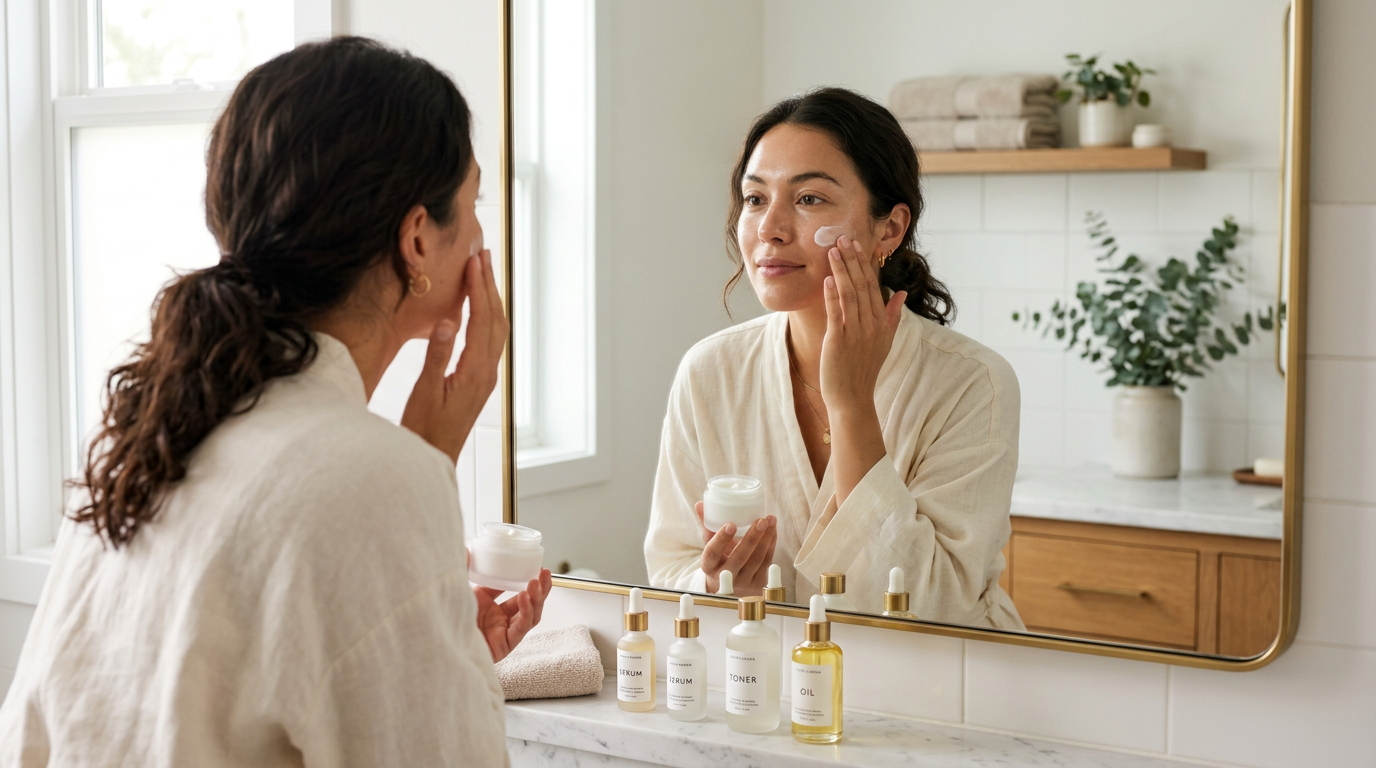
Neither approach is a substitute for the other. Someone with visibly flaking, tight skin likely needs lipid replenishment first. Someone cycling through recurring breakouts or unexplained sensitivity despite an intact-feeling barrier may be dealing with a shift in microbial balance instead.
Myth check: squeaky-clean skin is not synonymous with healthy skin. Cleansers aggressive enough to strip surface oil also strip the lipids the microbiome depends on for humidity and pH regulation — a dual-system failure disguised as diligent hygiene.
Always patch test new active formulas regardless of their barrier or microbiome claims, and consult a dermatologist if you suspect underlying chronic skin conditions like eczema or rosacea.
Frequently Asked Questions
Can you repair your skin barrier without fixing your microbiome?
To a degree, yes — topical ceramides and occlusives can physically rebuild the lipid matrix independent of what’s happening microbially. But repair tends to be incomplete and less durable if microbial imbalance persists, since commensal organisms contribute to the pH and signaling conditions that sustain lipid synthesis long term. Structural fixes without ecosystem support often relapse.
How can I tell if my skin issues stem from barrier damage or a microbiome imbalance?
Barrier dysfunction tends to present as tightness, visible flaking, stinging on product application, and reactivity to formulas previously tolerated well. Microbiome imbalance more often shows up as recurring, localized breakouts, unexplained itchiness without visible dryness, or flare-ups tied to changes in cleansing habits or antibiotic use. Overlap is common, so if symptoms persist beyond a few weeks of basic barrier care, a dermatologist consultation is the more reliable path than guessing.
Do probiotic skincare products actually add live bacteria to my skin microbiome?
Rarely, and this is a meaningful distinction. Most “probiotic” formulas on shelves contain prebiotics (nutrients that feed existing beneficial flora) or postbiotics (inactive fermented byproducts), not living, viable bacteria — formulating a stable product with live organisms is technically difficult and raises preservation challenges. Evidence indicates these formulas can support a favorable environment for existing microbes rather than meaningfully repopulating the skin with new ones.