

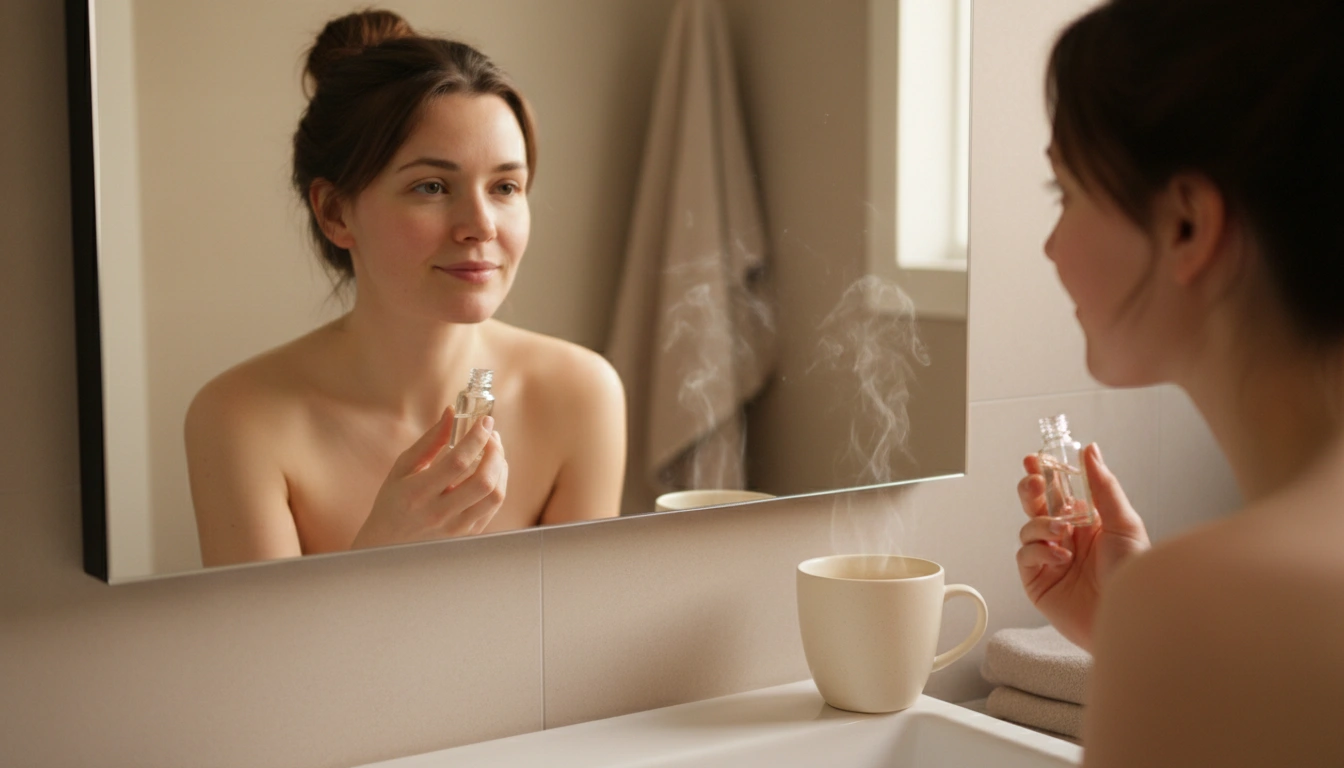
It’s 7:42 in the morning. The coffee is still too hot, the inbox is already loud, and there’s a small red patch blooming near the jawline that wasn’t there yesterday. The usual foundation goes on, and within an hour, the skin feels tight, itchy, almost buzzing. By lunchtime, there’s a low-grade headache and a strange sense of being slightly on edge. Sound familiar?
What many women don’t realise is that the foundation sitting on their face every day might be doing far more than covering a blemish. It could be quietly speaking to the nervous system, sending tiny stress signals through the skin barrier, hour after hour. This is where the conversation around skin barrier repair makeup becomes genuinely important — not as a trend, but as a gentle act of daily care.
The Skin and the Nervous System Are Closer Than You Think
The skin isn’t just a wrapper. It’s an organ deeply wired into the nervous system, sharing the same embryonic origin as the brain. Every irritation, every harsh ingredient, every occlusive layer can register as a signal of low-level threat.
When the skin barrier is compromised, sensory nerve endings become more reactive. This is part of the broader picture of nervous system and skin health, where chronic micro-inflammation can keep the body in a subtle state of alert.
That tightness after applying foundation? That sudden flush? Those are often stress skin symptoms — small but meaningful messages from a barrier asking for support.
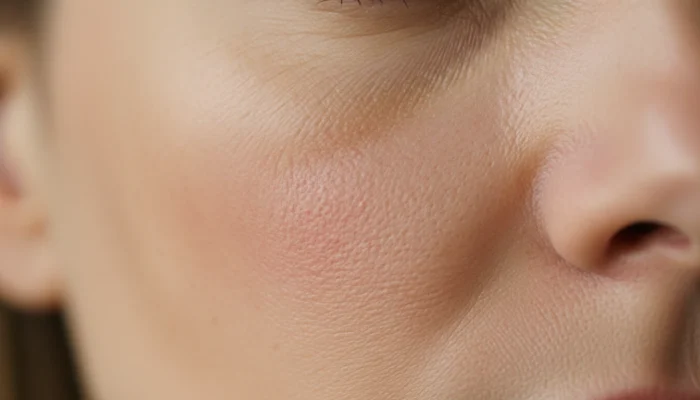
Signs the Barrier Is Whispering for Help
- Stinging or burning when applying skincare or makeup
- Persistent redness, especially around the cheeks and nose
- Tightness that doesn’t ease after moisturising
- Flaky patches that foundation seems to cling to
- Reactivity to products that were once well tolerated
- Dullness, with a slightly grey or tired undertone
Why Traditional Foundations Can Disrupt Your Skin Barrier
Many conventional foundations are built for coverage and longevity, not skin physiology. They often contain drying alcohols, heavy silicones, synthetic fragrance, and film-forming agents that seal the skin in ways the barrier wasn’t designed to handle.
When the barrier is already fragile, these formulas can act like an extra layer of stress. The skin works harder to maintain hydration, the microbiome shifts, and the nervous system picks up on the discomfort. Over time, this becomes a quiet loop — irritated skin, more coverage, more irritation.
Common Culprits in Disruptive Formulas
- Denatured alcohol high on the ingredient list
- Synthetic fragrance or “parfum” without clarification
- Heavy silicone occlusives layered over compromised skin
- Harsh preservatives like certain isothiazolinones
- High concentrations of essential oils on already-reactive skin
For women dealing with reactive complexions, exploring makeup designed for sensitive skin can be a meaningful first step toward a calmer routine.
What Makes Makeup Truly Barrier-Friendly
The phrase skin barrier friendly cosmetics gets used a lot, but it deserves a clearer definition. Barrier-friendly makeup respects the skin’s lipid structure, supports hydration, and avoids ingredients known to provoke the nervous system through irritation or sensitisation.
Good makeup for damaged skin barrier often shares a few quiet qualities. The textures feel light. The finish looks like skin, not paint. And the ingredient list reads almost like a serum.
Qualities to Look For
- Lightweight, breathable makeup formulas that don’t suffocate the skin
- Inclusion of ceramides, fatty acids, or cholesterol to mimic skin lipids
- Minimal, well-considered ingredient lists
- Mineral or hybrid pigments that sit gently on the surface
- pH-balanced formulations close to the skin’s natural range
A helpful read on the difference between traditional and modern hybrid options is this overview of serum-infused foundations, which blur the line between skincare and makeup in a beautiful way.
Scientifically Backed Ingredients That Support the Barrier
This is where dermatology meets daily ritual. Certain ingredients have strong evidence behind them when it comes to soothing reactive skin and rebuilding a fragile barrier. When these appear in a foundation or tinted base, the product begins to do double duty.
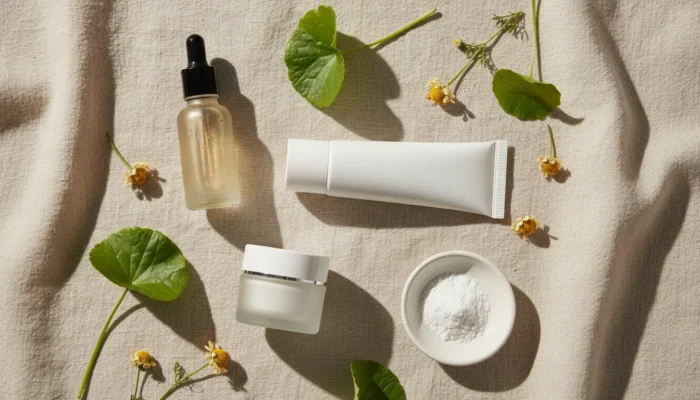
Niacinamide (Vitamin B3)
Niacinamide is one of the most well-studied calming ingredients in modern skincare. It helps regulate sebum, strengthens the lipid barrier by supporting ceramide production, and visibly reduces redness. For skin that feels reactive, it’s a quiet anchor.
Hyaluronic Acid
Hyaluronic acid attracts and holds water within the upper layers of the skin. In a foundation, it prevents that dry, tight feeling that often comes with long wear, and keeps the complexion looking soft rather than parched.
Ceramides
Ceramides are lipids that make up a significant portion of the skin barrier. When they are depleted, the skin becomes more permeable to irritants. Foundations enriched with ceramides help replenish what daily stress, cleansing, and environmental exposure quietly strip away.
Panthenol (Provitamin B5)
Panthenol is deeply soothing and humectant. It calms visible irritation and supports the skin’s natural repair process, which is particularly helpful for skin that flushes easily or feels reactive after makeup application.
Squalane
Squalane mirrors a lipid the skin already produces. It softens texture, supports the barrier without clogging pores, and gives makeup that lit-from-within finish without heaviness.
Centella Asiatica (Cica)
Often called cica, this botanical has a long history in dermatology for supporting wound healing and calming reactive skin. In makeup, it offers gentle reassurance to skin that feels overstimulated.
Always consult with a healthcare professional before starting new treatments, especially if persistent redness, eczema, rosacea, or other skin conditions are part of the picture.
How Stress Shows Up on the Face
The connection between emotional state and skin is no longer just intuitive — it’s measurable. Cortisol, the body’s main stress hormone, can thin the skin barrier, slow down lipid production, and increase trans-epidermal water loss.
This is why stress skin symptoms often include sudden breakouts, dullness, increased sensitivity, and that familiar “my skin doesn’t feel like mine” feeling. When the nervous system is overloaded, the skin almost always tells the story first.
Small Daily Shifts That Help
- Choosing a foundation that feels like comfort, not armour
- Removing makeup gently, without aggressive scrubbing
- Building in moments of stillness before reapplying products
- Layering hydration before any pigmented base
- Letting the skin breathe on rest days, perhaps with a softer no-makeup look approach
Expert Tip and a Myth Worth Debunking
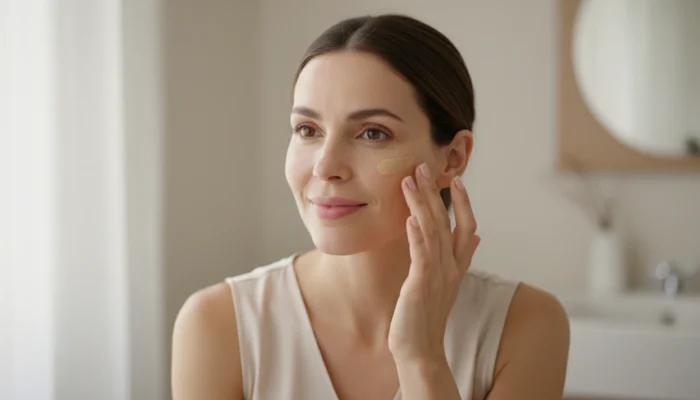
Expert tip: Apply foundation to slightly damp skin after a hydrating serum. This thin layer of moisture helps the pigment sit evenly, reduces the amount of product needed, and keeps the barrier supported throughout the day.
Myth to debunk: “Heavier coverage protects sensitive skin.” In reality, dense, occlusive formulas often trap heat and irritation against the barrier. Lighter, breathable makeup formulas with active skincare ingredients tend to calm reactive skin far more than full-coverage layers ever could.
Choosing Skin Barrier Repair Makeup With Intention
Selecting skin barrier repair makeup is less about chasing a brand and more about reading the formula with care. The right product feels supportive from the first application. There’s no sting, no tightness, no sense of the skin bracing itself.
For skin that’s been through a difficult phase — post-pregnancy, post-illness, post-burnout — the simplest routines tend to work best. A nourishing serum, a barrier-supportive base, perhaps a touch of concealer where needed.
A Gentle Checklist Before Buying
- Does the ingredient list include barrier-supporting actives?
- Is the formula free from known irritants for the skin in question?
- Does the texture feel breathable and light?
- Is the finish skin-like rather than mask-like?
- Does the brand prioritise skin health over heavy coverage?
Building a Calm, Barrier-First Routine
A barrier-first routine doesn’t require ten steps. It requires the right ones. Cleansing should be gentle, hydration generous, and makeup chosen as an extension of skincare rather than something separate from it.
When the nervous system feels supported — through softer textures, kinder ingredients, and rituals that don’t feel like effort — the skin often responds in kind. The redness softens. The reactivity calms. The face in the mirror starts to feel familiar again.
Frequently Asked Questions
1. Can makeup really affect the nervous system?
Yes, indirectly. Irritating ingredients can trigger sensory nerve endings in the skin, creating low-grade inflammation that the nervous system registers as ongoing stress. Choosing barrier-friendly formulas helps reduce this constant input.
2. How long does it take to repair a damaged skin barrier?
Mild barrier disruption can improve within two to four weeks of gentle, consistent care. More significant damage may take two to three months, depending on lifestyle, stress levels, and the products used during that time.
3. Is mineral makeup always better for a compromised barrier?
Not always. Mineral formulas are often gentler, but the full ingredient list still matters. Some mineral products contain drying alcohols or heavy fillers. A well-formulated hybrid foundation with skincare actives can sometimes be a better fit than a basic mineral powder.
Pingback: Makeup Oxidation: Why Your Foundation Turns Orange During the Day - Denyva
Pingback: Makeup Pilling: Why Your Foundation Starts Rolling Off Your Skin - Denyva