

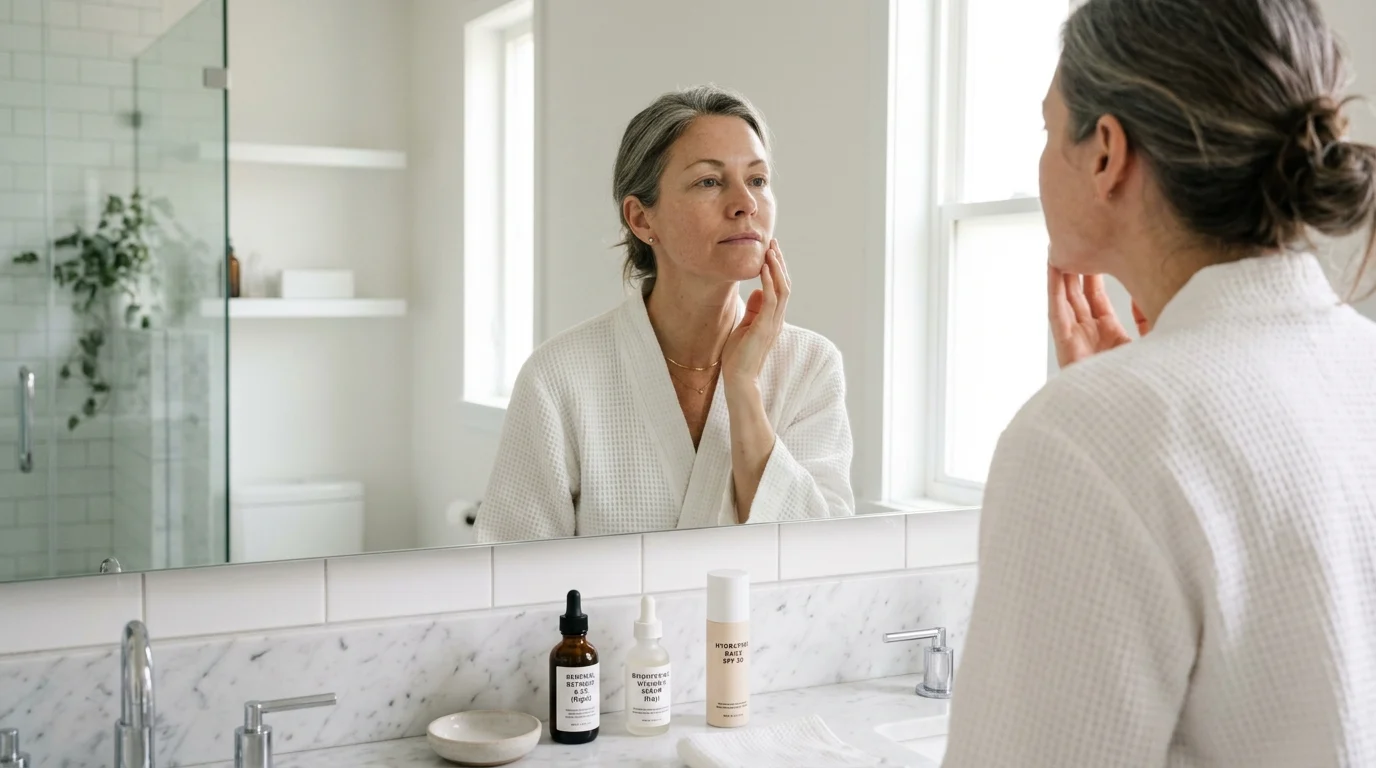
She had done everything right. SPF 50 every morning without exception. A retinoid three nights a week. A vitamin C serum in the rotation since her early thirties. Her skin had responded — the texture was smoother, the tone more even. And yet something lingered: a dullness she could not quite attribute to anything on her shelf, a slight stiffness in the skin’s surface that no amount of hyaluronic acid seemed to resolve. It took a conversation with a dermatologist to name it. The variable she had not accounted for was not a product — it was a process happening at the molecular level, long before any symptom became visible. That process is skin glycation, and it operates entirely below the threshold of what topical skincare can address.
Can sugar genuinely accelerate visible skin aging? And if so, through what mechanism? The science is less dramatic than beauty marketing tends to suggest — and more clinically interesting.
What Is Skin Glycation?
Glycation is a biochemical process in which excess sugar molecules circulating in the bloodstream attach themselves to proteins — including collagen and elastin, the structural scaffolding that keeps skin firm and resilient. The resulting compounds are called Advanced Glycation End Products, abbreviated to AGEs. They are not produced overnight. AGEs accumulate progressively across a lifetime, and their concentration in the skin increases measurably with age.
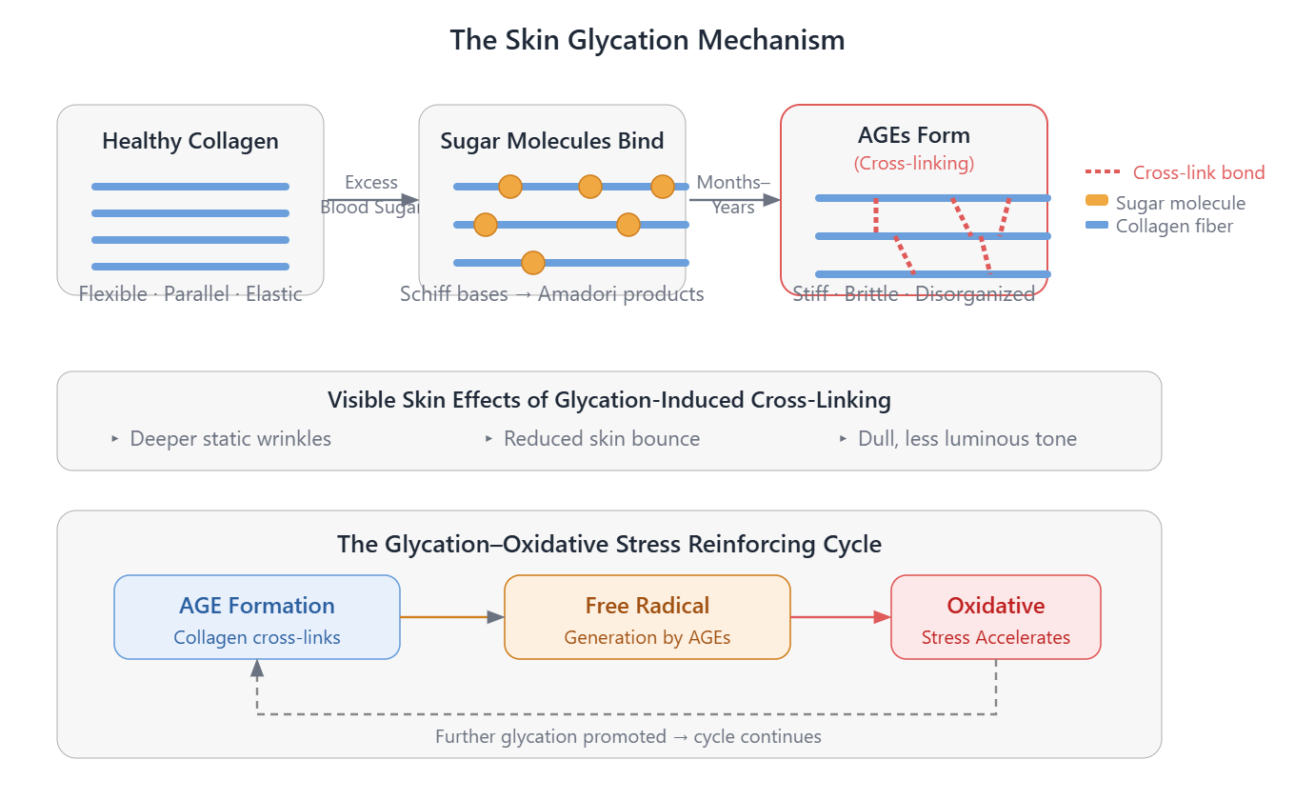
Think of it this way: collagen fibers, in their healthiest state, are smooth, parallel, and flexible — something like individual threads in a well-woven fabric. Glycation is the equivalent of sugar molecules acting as an adhesive, slowly gluing those threads to one another in places they were never meant to bond. Over time, what was once a responsive, elastic structure becomes something stiffer and more rigid.
It is important to position this correctly within the wider aging picture. Skin aging is broadly divided into two categories: extrinsic aging, driven by external exposures such as UV radiation and air pollution, and intrinsic aging, which is the internal, biological aging of the skin that occurs regardless of environment. Glycation is considered one of the important mechanisms involved in intrinsic skin aging, although visible skin aging results from multiple overlapping processes including UV exposure, inflammation, hormonal changes, and oxidative stress. According to a review of advanced glycation end products in skin aging, AGE accumulation is now considered one of the central pathways through which the skin structurally ages from the inside out.
The science behind skin glycation and advanced glycation end products is not new. AGEs have been studied across disciplines — from diabetes research to gerontology — for several decades. Researchers such as Vincent Monnier and Richard Sell made foundational contributions to understanding how glycation-induced cross-linking alters the physical properties of collagen, and their findings have since been built upon by dermatologists and biochemists investigating how these same mechanisms manifest in visible skin aging. Modern research continues to refine this picture, exploring the precise relationship between glycation, metabolic health, and the cumulative structural changes that define how skin ages from within.
How Skin Glycation Causes Collagen Damage and Wrinkles
The structural damage associated with skin glycation comes down to a specific mechanism: collagen cross-linking. In normal, youthful collagen, individual fibers maintain their independence. They can slide against one another, spring back after compression, and support the skin’s bounce. When sugar molecules attach to those fibers and form AGEs, they create abnormal bonds — cross-links — between adjacent collagen strands. This is how collagen damage from sugar progresses: not dramatically, but gradually, over years of metabolic exposure.
These cross-links are not supposed to be there. They restrict the natural movement between fibers, making collagen collectively stiffer, less elastic, and structurally compromised. The visible result: the skin loses its ability to rebound after expression, contributing to deeper static wrinkles — the lines present even when the face is at rest. Skin tone also dulls, partly because the light-scattering properties of healthy collagen are disrupted.
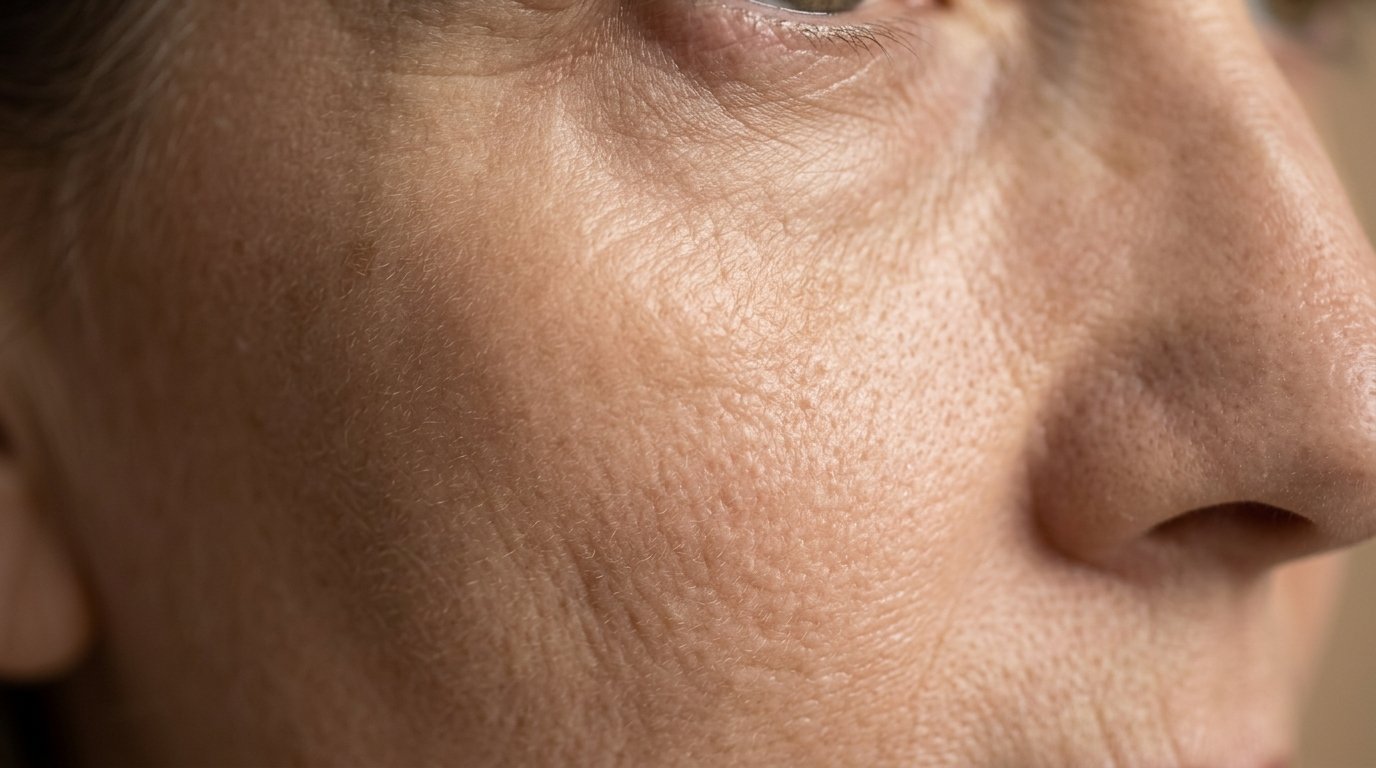
Pioneering work by researchers Sell and Monnier established the relationship between AGE accumulation and measurable structural changes in collagen, and subsequent dermatological research — including findings from Pageon — demonstrated how glycation alters both dermal collagen architecture and elastin function. The cumulative effect is a dermis that has lost the mechanical properties it once had. For a deeper look at the research on AGE accumulation and collagen structure, the clinical literature is clear: glycation-induced cross-linking is not a marginal footnote in skin aging — it is a structural event with measurable consequences.
It is also worth noting that hormones influence how collagen behaves over time — as explored in this analysis of how hormones also influence collagen structure over time. Glycation and hormonal shifts are distinct mechanisms, but both contribute to the structural degradation of dermal collagen across decades.
Does Sugar Cause Skin Aging? The Link Between Diet and Skin Glycation
The short answer is nuanced. Occasional sugar consumption does not meaningfully drive skin glycation in isolation. The biological concern lies in sustained dietary patterns — specifically, diets consistently high in refined sugars and high-glycemic foods, which produce repeated and prolonged elevations in blood glucose levels. It is this chronic exposure, not a single dessert, that creates the metabolic conditions in which glycation skin aging proceeds at an accelerated rate.
Research by Cosgrove and colleagues, examining the relationship between dietary intake and visible skin aging in a group of middle-aged women, found that dietary patterns — particularly those rich in refined carbohydrates — were associated with a more aged appearance, even after accounting for other lifestyle factors. The findings point toward a combined pathway: research on diet and visible skin aging suggests the relationship is mediated through both oxidative stress and glycation mechanisms operating in parallel. Understanding how sugar affects skin is therefore less about individual consumption events and more about the cumulative metabolic environment that sustained dietary habits create.
The measured clinical framing bears repeating here: excess sugar intake may contribute to skin aging through glycation pathways that affect collagen structure. It is a contributing factor among several — not a singular cause, and not one that renders all other skincare interventions irrelevant.
For further context on how internal inputs shape the skin’s biology, the relationship between how diet and the skin microbiome are connected is equally worth understanding alongside glycation.
Glycation and Oxidative Stress: A Reinforcing Cycle
Glycation does not operate in isolation. It works alongside — and actively amplifies — oxidative stress, a well-established driver of skin aging in which unstable molecules called free radicals damage skin cells and proteins. The relationship between glycation and oxidative stress is not additive; it is cyclical and self-reinforcing.
AGEs, once formed, are not biochemically inert. They generate additional free radicals through their own metabolic activity. Those free radicals then accelerate the conditions that promote further glycation. The result is a feedback loop: glycation produces oxidative stress, oxidative stress promotes further glycation, and together they drive the collagen degradation and structural breakdown characteristic of intrinsic aging.
Broader reviews of intrinsic skin aging mechanisms consistently identify this glycation-oxidative stress axis as one of the more biologically consequential interactions in age-related dermal decline — alongside inflammation and enzymatic collagen breakdown. Addressing one without acknowledging the other creates an incomplete picture of what is happening at the cellular level.
How to Reduce Glycation Risk Naturally
No single intervention eliminates glycation — it is a biological process tied to normal metabolism, not a defect that can be switched off. What research does support is the idea that certain dietary and lifestyle habits may slow the rate at which glycation accumulates, reducing the pace at which its structural effects become visible in the skin. The approach is cumulative and long-term, not prescriptive.
- Limit frequent blood sugar spikes: It is not individual sugar intake that drives glycation so much as chronic, repeated elevations in blood glucose. Reducing reliance on refined sugars and high-glycemic foods — such as white bread, sweetened beverages, and processed snacks — supports a more stable glycaemic environment, which may modestly slow AGE formation over time.
- Prioritise adequate protein intake: Collagen synthesis depends on amino acid availability. Adequate dietary protein — from whole food sources — supports the skin’s capacity to produce new collagen, which helps maintain structural resilience even as cumulative glycation damage progresses.
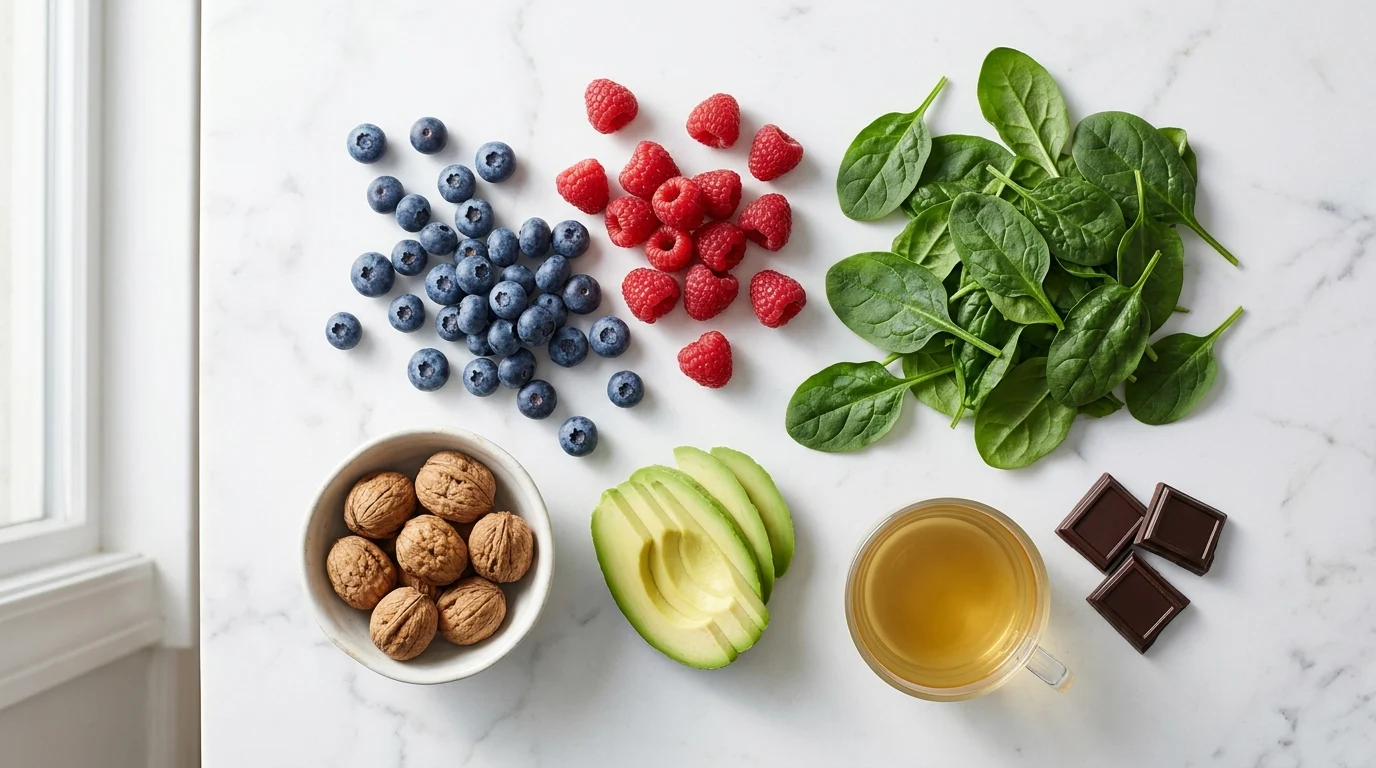
- Include antioxidant-rich foods: Berries, leafy vegetables, green tea, and polyphenol-rich foods such as dark chocolate and legumes contribute to the body’s endogenous antioxidant defences. Given that glycation and oxidative stress reinforce each other, dietary antioxidants are a rational nutritional strategy — not a cure, but a meaningful buffer.
- Use daily broad-spectrum SPF: UV exposure accelerates AGE formation in the skin and compounds extrinsic aging on top of intrinsic glycation-related changes. Daily sun protection remains one of the highest-impact interventions for reducing the total aging burden on collagen.
- Support skin from the outside in: Evidence-based topical ingredients — retinoids, antioxidant serums, and barrier-supportive formulations — address the downstream and oxidative components of glycation-related damage. They work most effectively as part of a consistent routine, not as isolated solutions.
Always consult with a healthcare professional or registered dietitian before making significant dietary changes, particularly if you have an existing metabolic or blood sugar condition. Glycation risk reduction is a long game — the relevant timescale is years, not weeks.
Can Skincare Slow Glycation? What Actually Helps
A clinical clarification first: no topical product can reverse existing glycation-induced collagen cross-links. Once those abnormal bonds are formed, they are not dismantled by a serum. What skincare can do — with reasonable evidence — is support the skin’s resilience, slow the downstream oxidative component of the glycation cycle, and maintain the structural environment that is more resistant to cumulative damage.
The ingredient categories with the most rational basis for addressing glycation-adjacent mechanisms include:
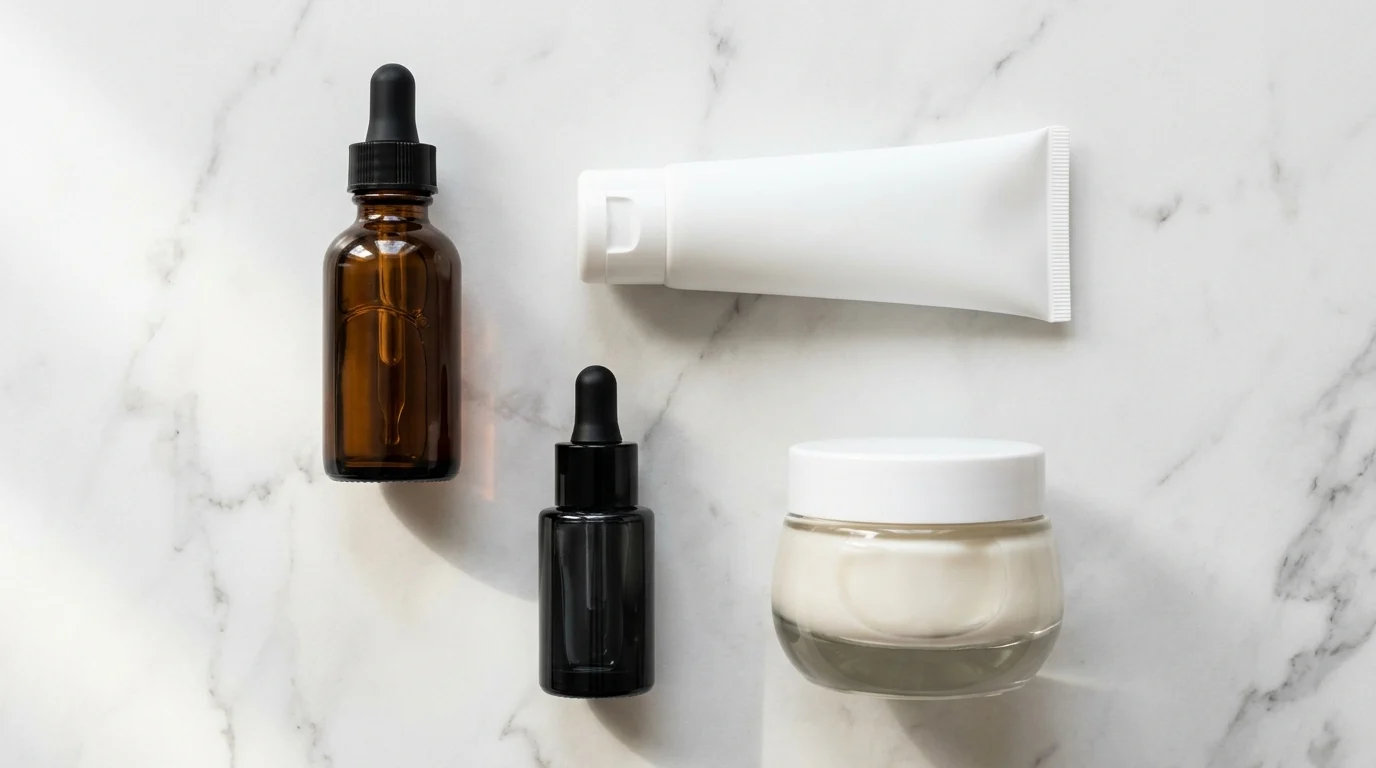
- Antioxidants (vitamin C, vitamin E, niacinamide): These counter the oxidative stress component of the glycation-oxidation cycle. By neutralizing free radicals, antioxidants interrupt part of the reinforcing feedback loop that accelerates AGE-related damage.
- Retinoids: Vitamin A derivatives support collagen turnover and may help offset some degree of structural stiffening by stimulating the production of new, healthier collagen over time.
- Barrier-supportive ingredients (ceramides, peptides): Maintaining a healthy epidermal barrier preserves skin resilience against cumulative environmental and metabolic stressors, reducing the skin’s overall vulnerability.
- Broad-spectrum SPF: UV-driven extrinsic aging compounds the effects of intrinsic glycation-related aging. Daily sun protection limits the combined total burden on collagen.
For a more detailed review of the evidence behind these categories, a review of anti-glycation skincare ingredients provides useful clinical context for understanding where topical approaches are and are not supported by data.
The goal is not to find the one product that stops glycation. It is to build a routine grounded in realistic expectations — as detailed in this guide to building a routine that supports long-term skin resilience.
Why Your Foundation May Be Highlighting Glycation-Related Texture Changes
One of the less-discussed consequences of glycation-driven collagen stiffening is what happens at the skin’s surface — specifically, how texture changes affect the way makeup performs. Healthy, pliable skin has a subtle relief to it that allows foundation and concealer to sit smoothly, diffusing light evenly. As collagen loses its structural flexibility, the skin surface develops a slightly different texture: subtly uneven, with fine lines and pores that catch product differently.
This is not a cosmetic failure — it is a skin structure issue. Understanding why foundation behaves differently on aging skin connects directly to the structural shifts glycation drives in the dermis. Adjusting formulation and application technique is the surface-level response; addressing glycation pathways is the longer-term one.
Myth: Cutting out sugar will reverse signs of skin aging.
Existing glycation-induced collagen cross-links are not reversed by dietary changes — once formed, they persist. Reducing refined sugar intake may help slow the rate at which new glycation damage accumulates, but it will not undo what is already structurally embedded in the dermis. Skin aging is also driven by UV exposure, hormonal shifts, oxidative stress, and genetic factors — all operating simultaneously. A lower-glycemic dietary pattern, when sustained over time, is a reasonable and evidence-informed choice. It is not a reset.
Always consult with a healthcare professional or registered dietitian before making significant dietary changes, particularly if you have an existing metabolic or blood sugar condition.
FAQs
Can you reverse skin damage caused by glycation?
Not directly. Glycation-induced collagen cross-links, once formed, are not dismantled by topical products or dietary changes. Skincare can support the skin’s environment and slow further oxidative damage; retinoids may aid in collagen turnover over time. The focus, clinically, is on slowing accumulation — not reversal.
Does cutting sugar from your diet actually improve skin appearance?
Reducing sustained high-sugar dietary patterns may slow the rate of new glycation activity, which over years can modestly influence how skin ages structurally. It will not produce rapid visible improvements. The effect is cumulative and long-term — relevant over a decade, less so over a month.
What skincare ingredients help counter the effects of glycation?
The most evidence-supported categories include antioxidants such as vitamin C, vitamin E, and niacinamide (which address the oxidative stress component), retinoids (which support collagen turnover), barrier-supportive ingredients such as ceramides, and broad-spectrum SPF. None of these reverse existing cross-linked collagen — but together, they address the conditions that allow glycation-related damage to compound.