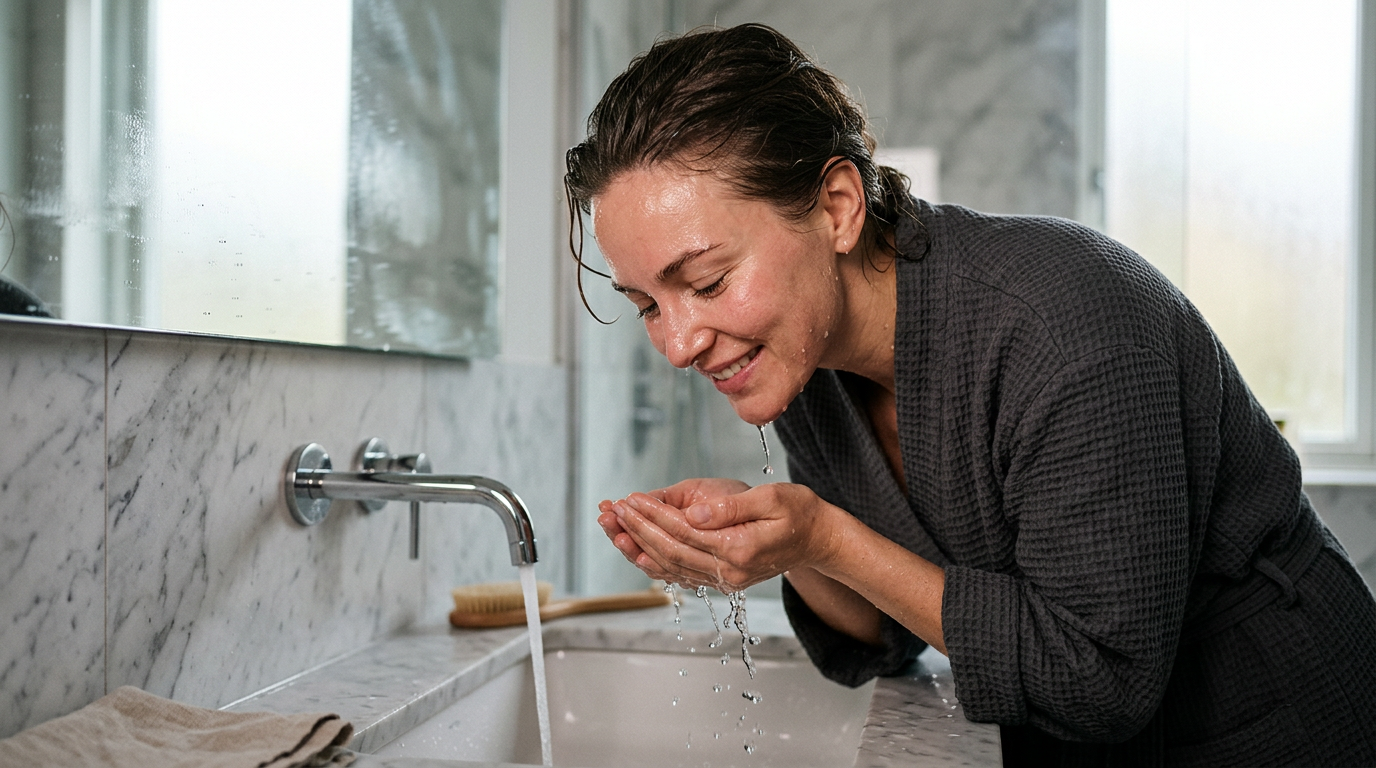


Thermal therapy has drifted a long way from its origins as a Nordic ritual, landing squarely inside modern biohacking culture. But evaluating the real sauna benefits for skin means moving past wellness-adjacent claims and looking at what actually happens inside the dermis. High-temperature bathing triggers system-wide cardiovascular shifts, yet its specific anti-aging effects hinge on a narrower mechanism: molecular chaperones called heat shock proteins. Understanding how heat shock proteins skin aging defenses function—and where thermal stress tips from useful hormesis into collagen degradation—clarifies whether sauna exposure meaningfully slows cutaneous aging or just produces a temporary physiological flush.
The Biology of Thermal Hormesis: How Cellular Heat Stress Works
Skin cells do not experience heat as uniformly good or bad. Mild thermal stress acts as a cellular stressor, and dermal fibroblasts respond to it through hormesis—a protective adaptation in which a low dose of stress makes the cell more resilient, not less. This is the same logic behind exercise-induced muscle adaptation, applied to skin tissue exposed to sauna-grade heat.
Under elevated thermal conditions, cells shift resources toward protein repair. They stabilize intracellular structures and clear out damaged protein aggregates that would otherwise accumulate and interfere with normal cellular function. Dermatological research on thermal stress and fibroblast responses supports this pattern of adaptive repair under controlled heat exposure.
The word “controlled” is doing real work in that sentence. While transient, moderate heat exposure activates these protective pathways, excessive or prolonged hyperthermia pushes cells in the opposite direction—triggering matrix metalloproteinase production, which can degrade the extracellular matrix if left unmanaged. The dose defines the outcome, not the heat itself. Understanding how thermal shifts integrate with rapid cold exposure protocols is explored further in Contrast Therapy Skin Benefits.
Heat Shock Proteins (HSP70) and Collagen Proteostasis
Heat Shock Proteins, and HSP70 specifically, function as molecular chaperones. Their job is to fold newly synthesized proteins correctly and refold structural proteins that have already been damaged within stressed skin cells. This is not a cosmetic process—it is basic cellular maintenance, elevated in response to heat.
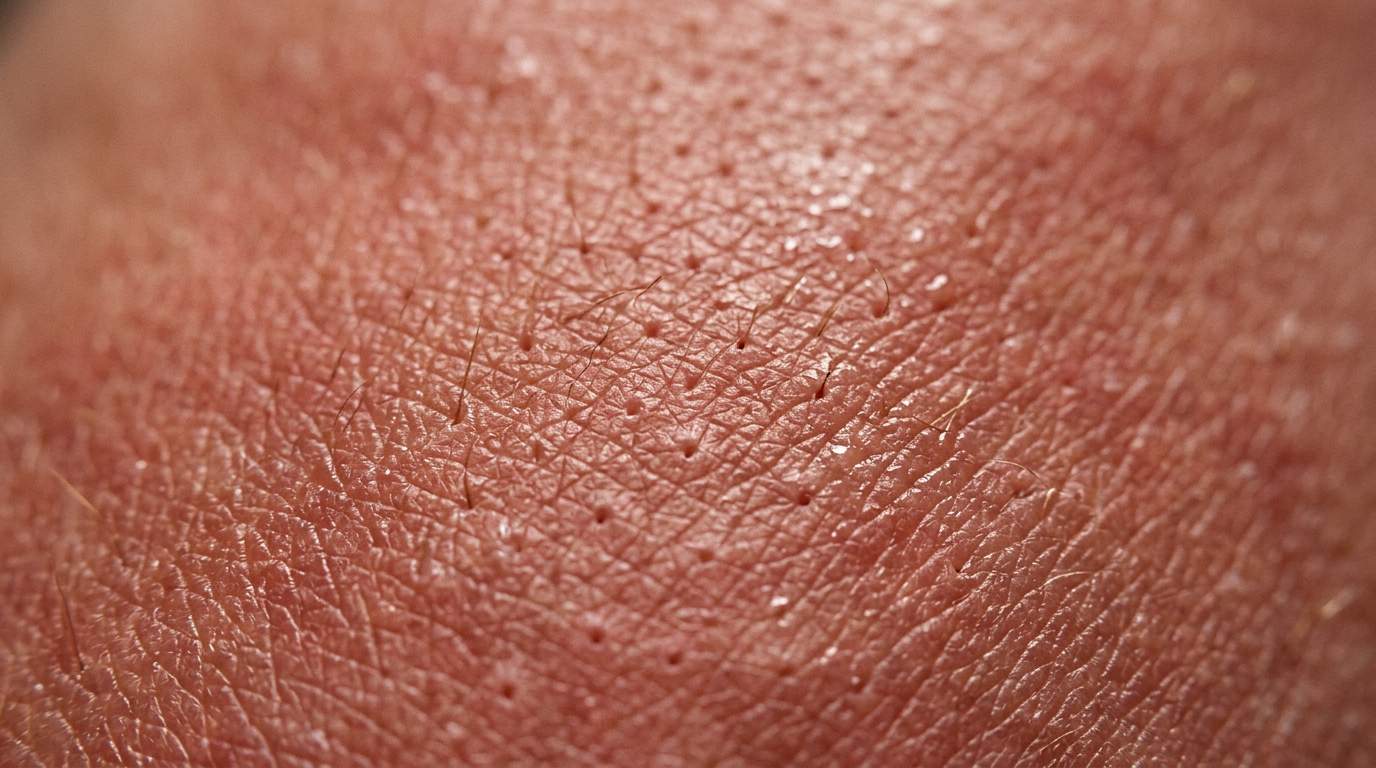
Elevated HSP70 expression appears to shield dermal fibroblasts against oxidative stress and photo-induced damage, helping preserve extracellular matrix stability against premature breakdown. Clinical studies on HSP70 expression and dermal cell repair outline this protective role in more detail, including its relationship to matrix protection under stress conditions.
The bigger concept here is proteostasis: the ongoing balance between protein synthesis and protein degradation inside a cell. When heat shock proteins do their job well, they appear to slow the accumulation of misfolded collagen fragments—the kind associated with intrinsic, time-driven skin aging rather than sun damage alone. Comparing this systemic thermal adaptation to exercise-induced capillary recruitment is detailed in Zone 2 Exercise and Skin Health.
Microcirculation, Oxygenation, and Barrier Adaptation
Heat’s most immediately visible effect on skin is vascular. Acute heat exposure induces widespread cutaneous vasodilation, sharply increasing capillary blood flow and nutrient supply toward the epidermal-dermal junction. This is the flush you see on skin during and after a sauna session—it is not incidental, it is the mechanism.
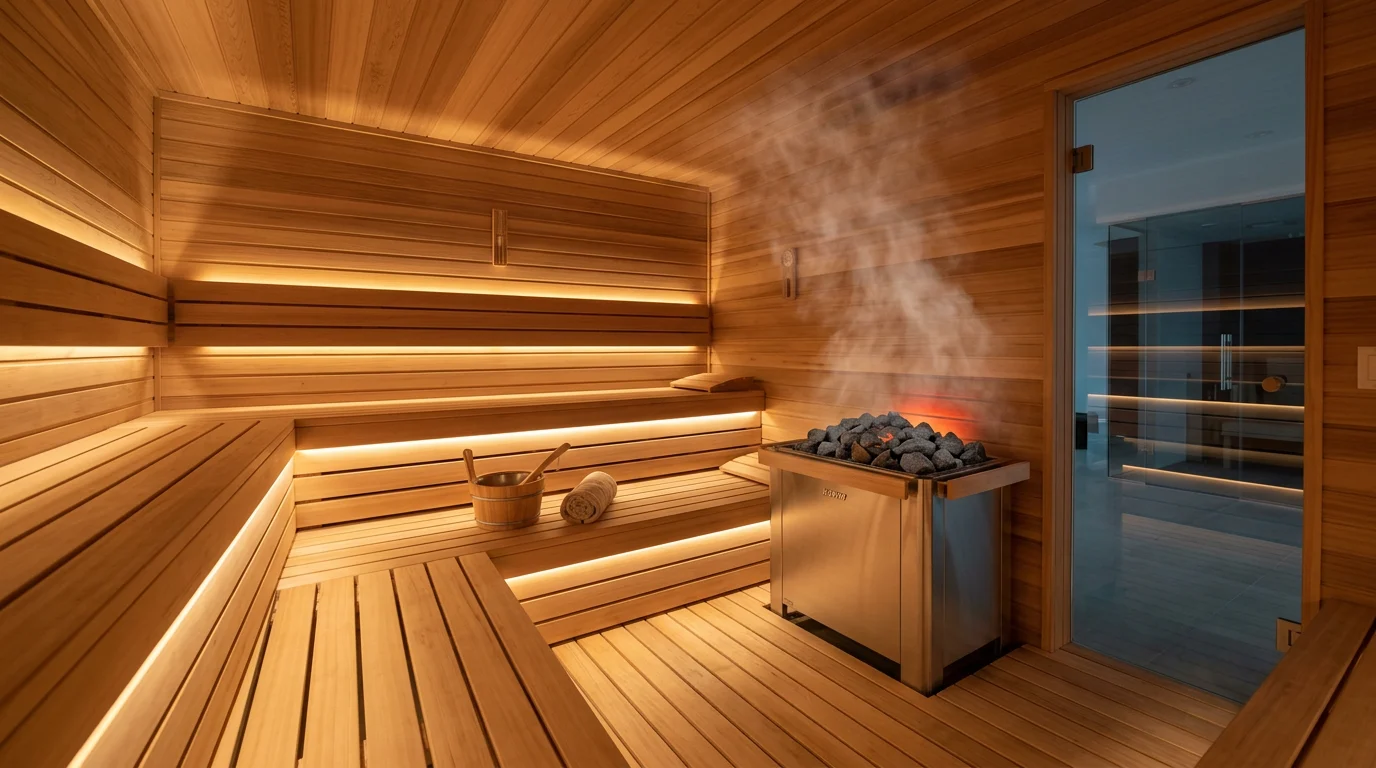
Clinical analysis of cutaneous microcirculation and thermal perfusion describes how this enhanced microvascular activity accelerates the clearance of metabolic waste while delivering oxygen and plasma nutrients to regenerating epidermal cells. Circulation, in this context, is doing double duty—removal and delivery at once.
Sauna use also appears to condition the stratum corneum over repeated sessions, improving surface pH regulation, supporting hydration retention, and stabilizing trans-epidermal water loss over time. This is a slower, cumulative adaptation rather than a single-session effect. Evaluating the physiological mechanics of capillary dilation and nutrient transport is examined further in Skin Microcirculation.
Who Benefits Most from Regular Sauna Use?
Sauna bathing is not a universal skin intervention, and treating it as one misses the point of evaluating it by physiological merit. Individuals with dry, dull, or sluggish-looking skin are the clearest candidates—people seeking enhanced microvascular perfusion, improved barrier hydration retention, and the cellular repair mechanisms tied to HSP70 activity.
The picture looks different for people managing active melasma, severe rosacea, or acute inflammatory eczema. Excessive heat can trigger the same capillary dilation that benefits healthy skin into aggravating hyperpigmentation or inflammatory flare-ups in already reactive skin. This isn’t a minor caveat—it is a meaningful contraindication for a specific subset of skin types.
There’s a third group worth naming: performance-focused individuals who combine cardiovascular health tracking with structured recovery routines, using sauna sessions to support systemic longevity goals alongside skin barrier resilience. For this group, sauna use tends to sit inside a broader physiological strategy rather than functioning as a skincare step on its own.
The Final Verdict: Is Thermal Exposure a Proven Anti-Aging Strategy?
Regular sauna use offers genuine, mechanistically grounded benefits for skin—stimulating microcirculation, improving stratum corneum hydration, and activating HSP70 chaperone repair pathways. These are not fringe claims; they trace back to documented cellular processes rather than wellness marketing.
That said, heat therapy is not a standalone fix for structural skin aging. It has to be managed with some care, since the same heat that triggers useful adaptation can also cause vascular flushing or pigment disruption in sensitive skin types. The line between hormetic benefit and irritant is dose-dependent, not fixed.
Practiced consistently, and paired with adequate hydration and sun protection, sauna bathing functions as a legitimate supportive habit within a broader dermatological routine—not a replacement for one.
FAQ
Does sauna use increase or decrease skin hydration?
Immediate sauna exposure causes sweating and temporary fluid loss, but regular sessions adapt the stratum corneum. Long-term studies show that routine sauna bathing enhances the skin barrier’s water-holding capacity and stabilizes epidermal hydration levels after cooling down.
Can sauna heat worsen rosacea or hyperpigmentation?
Yes. Intense heat induces significant cutaneous vasodilation and can trigger inflammatory pathways that exacerbate rosacea redness or stimulate melanocytes, potentially darkening melasma patches in susceptible individuals.
How long should you stay in a sauna for skin benefits?
Dermatological and physiological evidence suggests that sessions lasting between 15 to 20 minutes at moderate-to-high heat are sufficient to activate heat shock proteins and increase blood flow without causing excessive thermal distress to skin cells.
Should you wash your face immediately after a sauna session?
Yes. Rinsing the face with lukewarm water right after exiting the sauna removes sweat salts, sebum residue, and excreted toxins, preventing pore blockage and restoring normal skin surface pH.