

Picture this. It’s a slow Sunday morning. You’re standing in front of your vanity, holding a heavy glass jar of moisturiser that cost you a small fortune. The packaging is gorgeous. The logo is iconic. But your skin still feels tight, your forehead still flakes, and that little patch near your jawline is doing its usual thing. You flip the jar over, squint at the ingredients list, and there it is — denatured alcohol near the top, a parade of synthetic fragrances, and a few fillers you can’t pronounce. Sound familiar? This quiet disappointment is exactly why so many women are switching to **independent beauty brands** and never looking back.
For decades, we were told that prestige equals performance. That a famous name on a bottle meant the formula inside was somehow superior. But the curtain has been pulled back. Smart shoppers are reading labels, comparing ingredient decks, and noticing something fascinating — the smaller, scrappier, founder-led labels are often delivering better skin results than the heritage giants charging triple the price.
The Quiet Revolution Happening on Your Bathroom Shelf
Something shifted in the beauty industry around 2020, and it hasn’t slowed since. Consumers stopped chasing logos and started chasing ingredients. They began questioning why a 30ml serum from a luxury house costs £180 when its formula reads almost identically to a £35 bottle from a chemist-founded indie label.
**Beauty industry trends** now point firmly toward transparency, traceability, and ethics. Shoppers want to know who made their cream, where the botanicals were grown, and whether the brand actually tests on real human skin (not just in marketing focus groups). Big conglomerates, with their layered supply chains and shareholder pressure, simply can’t pivot fast enough.
Meanwhile, **small independent beauty brands** can reformulate in weeks, not years. They answer customer emails personally. They post the actual chemist who made your moisturiser on Instagram. That kind of intimacy is something a hundred-year-old luxury house cannot replicate, no matter how much it spends on celebrity ambassadors.
What Counts as an Indie Brand Anyway?
The term gets thrown around loosely, so let’s clarify. A true indie brand is typically:
- **Founder-owned** — not part of a global conglomerate like Estée Lauder Companies or LVMH
- **Small-batch produced**, often by the founder or a tight in-house team
- **Transparent** about sourcing, manufacturing, and pricing
- **Mission-driven**, usually born from a personal skin struggle or ethical gap in the market
Think of brands like Pai, Votary, Evolve Organic Beauty, or Wildsmith — names making serious waves on any **independent beauty brands UK** list right now.
Why Independent Beauty Brands Outperform the Luxury Icons
Let’s get into the meat of it. Why is your friend’s £42 indie serum giving her glassier skin than your £220 luxury one? It comes down to a few honest, structural reasons.
1. A Bigger Slice of Your Money Goes Into the Bottle
When you buy from a luxury heritage brand, you’re paying for the marble counters in their flagship store, the Vogue spread, the celebrity face, and the heavyweight glass jar. Industry estimates suggest that in prestige skincare, only **8–15% of the retail price** actually reflects the cost of the formula itself.
**Luxury indie beauty** flips that ratio. Smaller brands skip the billboard budgets and pour money into active ingredient concentrations instead. That’s why you’ll often see indie serums with clinically meaningful percentages of vitamin C, peptides, or retinoids — while the luxury equivalent contains a sprinkle just large enough to mention on the box.
2. Cleaner, Smarter Formulas
Big brands have to formulate for global shelf stability, multi-country regulations, and the lowest common denominator skin type. That usually means more preservatives, more synthetic fragrance, and more compromise. **Independent skincare brands** can be picky. They can build around sensitive skin from day one, which is exactly why so many women with reactive complexions are switching — you can read more about that journey in this guide to makeup for sensitive skin.
3. Real Transparency, Not Greenwashing
Here’s an uncomfortable truth. Many luxury “clean” lines are actually just marketing pivots from the same parent companies that built their empires on parabens and synthetic dyes. Indie founders, on the other hand, tend to live and breathe their values. They show their full INCI lists, name their suppliers, and publish their testing protocols. If you want to understand the difference between honest formulation and corporate spin, this deep dive into clean ingredients is worth your time.
4. Innovation Lives at the Edges
Hybrid products — the kind that blur the line between makeup and treatment — almost always start in indie labs. **Serum-foundations**, skincare-infused tints, balm-to-oil cleansers — these categories were pioneered by small brands long before the giants caught on. Curious about the trend? Have a look at how serum-infused foundations are changing what we expect from base makeup.
💡 Myth Buster: “Expensive skincare must work better because the ingredients are rarer.” Not quite. The most effective skincare actives — niacinamide, hyaluronic acid, glycerin, retinol — are widely available and inexpensive at a raw materials level. What matters is the formulation expertise, the percentage used, and the delivery system. A £30 indie serum with 10% niacinamide and a proper pH will outperform a £200 luxury cream that buries it on the ingredient list.
Scientifically Backed Ingredients That Indie Brands Actually Use Properly
Let’s talk shop. The reason **artisanal skincare** keeps winning blind tests isn’t magic — it’s chemistry done right. Here are the heroes you’ll find at meaningful percentages in most **best independent beauty brands**:
- Niacinamide (Vitamin B3): At 2–5%, it’s clinically proven to reduce transepidermal water loss, improve barrier function, and visibly fade post-inflammatory pigmentation. Studies in the International Journal of Cosmetic Science have repeatedly confirmed its effect on uneven tone.
- Hyaluronic Acid: A humectant that holds up to 1,000 times its weight in water. Low-molecular-weight versions penetrate deeper layers, while high-molecular ones hydrate the surface — quality indie brands often use a blend of both.
- Vitamin C (L-Ascorbic Acid): A potent antioxidant that neutralises free radicals and supports collagen synthesis. It needs to be stabilised at a low pH (around 3.5) to actually work — something many luxury brands skip in favour of “feel” and fragrance.
- Bakuchiol: A plant-derived alternative to retinol, shown in a 2018 British Journal of Dermatology study to improve fine lines and pigmentation with significantly less irritation. Indie favourite for a reason.
- Squalane (olive or sugarcane derived): Mimics the skin’s own sebum, making it ideal for repairing a compromised lipid barrier without clogging pores.
- Ceramides: Lipid molecules that literally rebuild the “mortar” between your skin cells. Essential for anyone with dryness, eczema, or sensitised skin.
Always consult with a healthcare professional before starting new treatments. This is especially important if you’re pregnant, breastfeeding, or already using prescription topicals like tretinoin or hydroquinone.
The Sustainability and Ethics Edge
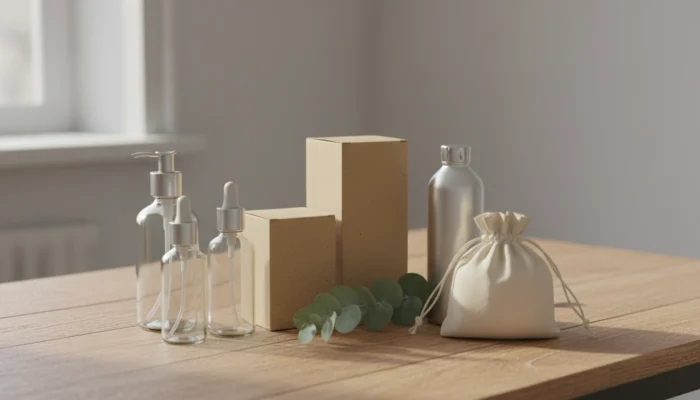
**Sustainable beauty** isn’t a buzzword for indie brands — it’s often the entire reason they exist. Refillable glass packaging, plastic-free shipping, locally grown botanicals, and small-batch production all reduce environmental impact in ways that mass producers simply can’t match at scale.
**Handmade skincare products** also tend to have shorter shelf lives, which sounds like a downside but is actually a green flag. It means fewer harsh preservatives and fresher actives reaching your skin. A cream made last month will always outperform one sitting in a warehouse for two years.
Where to Find Them
Building your own **independent beauty brands list** is half the fun. Start with:
- Independent beauty marketplaces and curated platforms
- Local pharmacy-led skincare boutiques
- Sustainable beauty subscription boxes
- Founder-run Instagram and Substack pages — surprisingly rich territory for **premium niche beauty** discoveries
Building a Smarter Routine With Indie Products
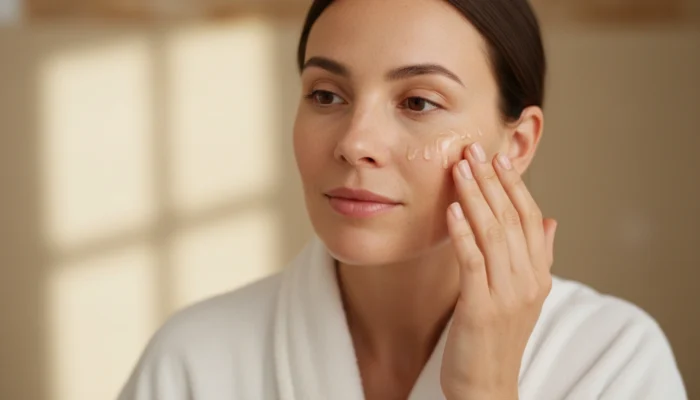
Switching doesn’t mean tossing everything you own. Start small. Replace one product at a time as it runs out, beginning with leave-on treatments where ingredient quality matters most — serums, moisturisers, and eye creams.
If you love a clean, pared-back approach, indie brands shine here too. There’s something liberating about a five-step routine that actually works, and the same principle applies to your makeup bag — explore the philosophy behind a minimalist makeup routine if you want to simplify with intention.
And when you do shop for base products from indie brands, the rules of texture and tone still apply. A lightweight, breathable finish almost always reads more modern and skin-like — this comparison of foundation vs tinted moisturiser breaks it down beautifully.
Quick Checklist Before You Buy From Any Indie Brand
- ✅ Full ingredients list visible on the website (not just “key ingredients”)
- ✅ Clear manufacturing location and batch information
- ✅ Realistic claims — no “erases wrinkles in 7 days” nonsense
- ✅ Independent reviews from real users, not just influencer codes
- ✅ A responsive customer service team (email them a question and see)
Why Indie Brands Are Better for Modern Skin
The honest answer to **why indie brands are better** isn’t that every small label is automatically superior — some are genuinely mediocre. But the best of them are run by people who actually care about what touches your face. They’re chemists, herbalists, dermatology nurses, and skin-obsessed founders who built the brand because they couldn’t find what they needed on existing shelves.
That kind of personal investment shows up in the formula. It shows up in how your skin feels after four weeks. And increasingly, it shows up in the mirror.
**Natural skincare brands** with this kind of founder energy are quietly rewriting what “luxury” means. It’s no longer about gold lids and crystal stoppers. It’s about a serum that genuinely repairs your barrier, made by someone who’ll reply to your DM if it doesn’t.
Frequently Asked Questions
Are independent beauty brands actually better than luxury brands?
Often, yes — particularly in terms of ingredient concentration, transparency, and innovation. Indie brands invest more of the retail price into the formula itself rather than marketing and packaging, so you typically get higher percentages of proven actives like niacinamide, peptides, and vitamin C for less money.
How do I know if a beauty brand is truly independent?
Check ownership. A genuine indie brand is founder-owned and not part of a large beauty conglomerate. Look for transparent “About” pages, named formulators, small-batch production, and clear sourcing. If you can email the founder directly and get a real reply, you’ve almost certainly found one.
Are small independent beauty brands safe and properly regulated?
Yes. In the UK and EU, every cosmetic product — regardless of brand size — must pass a Cosmetic Product Safety Report (CPSR) by a qualified safety assessor before being sold. Indie brands follow the same legal safety standards as luxury houses, and many go further with third-party testing and dermatologist trials.