

It’s 3 p.m. You catch your reflection in the elevator mirror and notice it. That dry, slightly chalky patch along your cheekbone where your blush used to sit. The light hits your foundation and reveals tiny dots clinging to fine lines you didn’t even know were there. You blot, you press, you reapply… and somehow the makeup looks more tired than your actual face.
This is the quiet frustration behind the whole Cream vs Powder Makeup debate, and it’s exactly why a new generation of makeup lovers is rewriting their routine around cream-based formulas. Powders had their decade. Now the conversation has shifted toward skin-like makeup that breathes, bends, and behaves like part of you.
Cream vs Powder Makeup: The Real Difference Beyond Texture
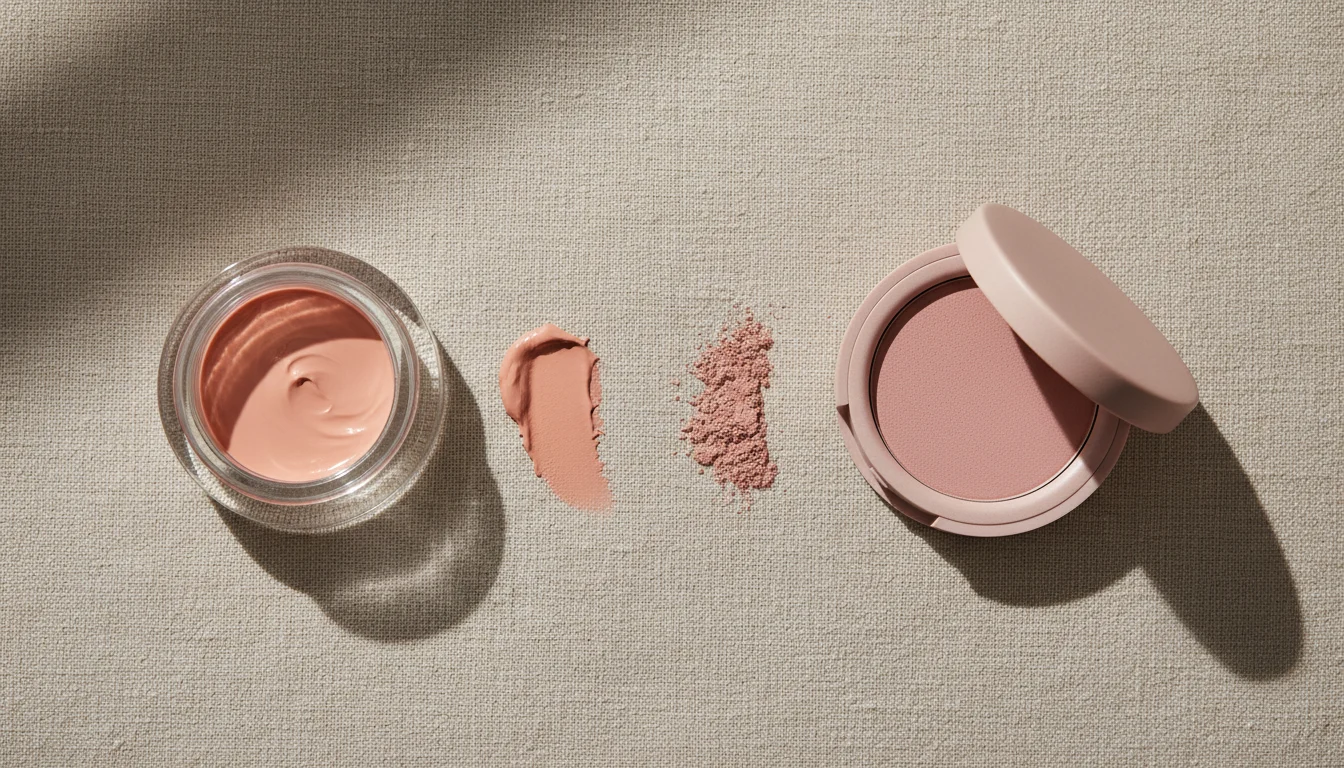
On a surface level, the difference seems obvious: one is creamy, one is dusty. But the gap between cream products makeup and pressed powders runs deeper than feel.
Powders are built on talc, mica, silica, and starches. They sit on top of the skin, absorbing oil and scattering light in a matte or semi-matte way. Cream formulas are emulsions, blends of water, oils, waxes, and pigments that melt into the skin. The pigment ends up nestled between your own surface lipids instead of perching above them.
That single structural difference changes everything:
- How the makeup catches light
- How it ages across the day
- How it interacts with dry, mature, or sensitive skin
- How “real” the final result looks in natural daylight
Cream Makeup vs Powder Makeup at a Glance
- Cream: dewy, satin finish, second-skin feel, flexible, hydrating
- Powder: matte, structured, oil-absorbing, more visible on texture
- Cream: rewards skin prep and a minimalist makeup routine
- Powder: rewards oily skin types and humid climates
Neither is “bad.” But if you’ve been chasing a natural skin finish and never quite getting there, your formulas might be the missing piece, not your technique.
Why Niche Beauty Brands Quietly Switched Teams
Walk into any niche beauty boutique in Paris, Copenhagen, or Seoul and you’ll notice something. The hero products aren’t compacts. They’re little pots, sleek sticks, and dropper bottles. Cream blush. Cream bronzer. Balmy highlighters. Liquid-to-cream foundations that feel like serum.
This isn’t an aesthetic accident. Niche beauty brands tend to formulate around skin health first, then color. Their chemists lean into emollients, plant oils, and skin-identical lipids because their customer isn’t shopping for “full glam.” She’s shopping for skin that looks expensively well.
Cream textures fit that brief perfectly. They allow buildable coverage without cakiness, a soft-focus effect that flatters pores rather than spotlighting them, and a finish that photographs like an editorial makeup look instead of a filter.
It’s also a quiet signal. Reaching for a cream blush in 2026 says you’ve been paying attention. You know what’s outdated and what’s current. There’s a certain belonging in that, a small in-the-know nod between people who treat their face like skin, not a canvas.
Skin-Like Makeup: The Science of Why Cream Wins on Skin
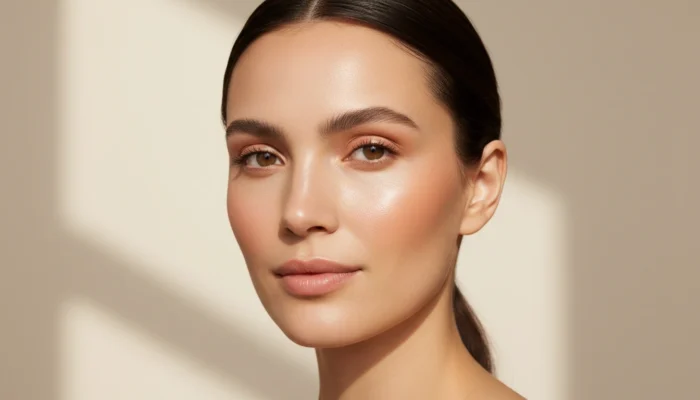
The “lit-from-within” look everyone wants isn’t really about highlighter. It’s about light bouncing off skin that still has its own moisture and lipid film intact. Powders, by design, soak some of that up.
Cream formulas do the opposite. They reinforce the surface with humectants and emollients, which means the light reflection stays soft, diffuse, and convincingly human. That’s the secret behind a true dewy makeup look that doesn’t read greasy.
Makeup for Dry Skin and Makeup for Mature Skin
Dry and mature complexions are where the Cream vs Powder Makeup question stops being theoretical. Powder physically clings to dehydrated micro-flakes. It settles into expression lines because it has nowhere else to go. It can even accelerate the look of texture by drawing attention to every uneven patch.
Cream products move with the face. They flex when you smile. They reflect light across fine lines rather than into them. For anyone over 35, or anyone whose skin has gone through a dry winter, the shift to luxury cream makeup often feels less like a trend and more like a relief.
Powder Makeup for Oily Skin: When It Still Earns Its Place
Cream isn’t a universal verdict. Powder makeup for oily skin in hot, humid climates still has a real role, especially as a light setting veil over cream layers in the T-zone. The modern approach isn’t “cream OR powder.” It’s cream as the foundation of the look, powder as a precise tool, used sparingly.
This hybrid logic is exactly how makeup artists build long-wearing editorial looks without sacrificing that skin-first finish.
Scientifically Backed Ingredients That Make Cream Formulas Shine
The reason cream textures feel so good on skin isn’t marketing. It’s the active and functional ingredients chemists can suspend inside them, ingredients that simply cannot survive in a dry powder matrix.
- Hyaluronic acid: a humectant that binds water molecules in the upper layers of the stratum corneum, plumping fine lines and reducing the look of crepey texture.
- Niacinamide (vitamin B3): strengthens the skin barrier, helps regulate sebum, and visibly evens tone over time. Multiple peer-reviewed studies show it reduces transepidermal water loss.
- Squalane: a lightweight, skin-identical lipid that mimics what your sebum naturally produces. It softens without clogging and supports barrier repair.
- Ceramides: structural lipids that hold skin cells together, essential for resilient, hydrated skin.
- Glycerin: a small-molecule humectant that pulls moisture deeper into the skin than most people realize.
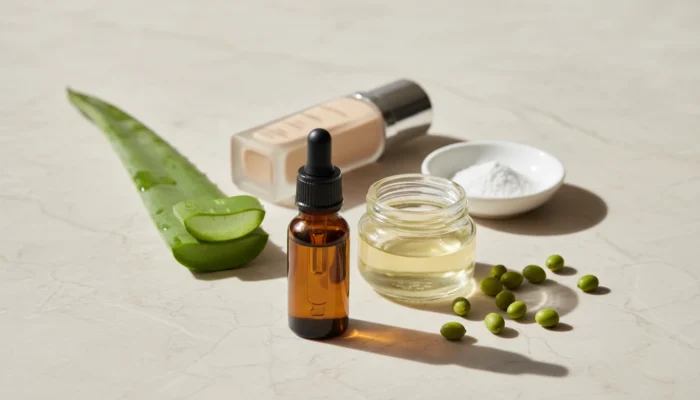
- Plant-derived emollients (jojoba, meadowfoam, camellia): smooth the surface, reduce friction, and help pigment glide without dragging.
Together, these ingredients turn makeup into a low-grade skincare layer. The pigment is doing color work; the base is doing barrier work. That’s the dermatological argument for skin barrier friendly makeup in one sentence.
A small but important note: ingredients behave differently on different skin conditions, especially compromised, post-procedure, or reactive skin. Always consult with a healthcare professional before starting new treatments. A cream foundation is not a medical product, but layering actives over actives can sometimes irritate skin that’s already inflamed.
For sensitive types, the safer starting point is looking at makeup for sensitive skin formulated with shorter, gentler ingredient lists and a focus on clean ingredients.
Expert Tip & Myth Debunking
The myth: “Cream makeup doesn’t last and it clogs pores.”
The reality: Long lasting cream makeup is absolutely a thing, when it’s formulated and applied correctly. Modern cream sticks and liquid-cream foundations use film-forming polymers that lock pigment in place for 8–12 hours. The “it slides off” reputation comes from older, oilier formulas and from skipping the one step that makes or breaks wear time: pressing, not rubbing, the product into skin with a damp sponge or warm fingertips. As for breakouts, non-comedogenic cream formulas have actually been shown in dermatology literature to disturb the skin barrier less than heavily mattifying powders, which often contain drying alcohols and absorbent clays.
Quick artist tip: Apply cream blush before foundation if you want a stained, lived-in flush. Apply it after if you want a fresh, lifted pop. Same product, two completely different finishes.
Cream Blush vs Powder Blush, Cream Bronzer vs Powder Bronzer
This is where the difference becomes almost theatrical.
Cream Blush vs Powder Blush
Cream blush melts into skin and reads like a real flush, the kind you get after a brisk walk. It catches light softly, photographs beautifully in daylight, and never sits on top of foundation in a chalky stripe. Powder blush, while easier for beginners to control, often looks like a separate layer, especially on dry or textured skin.
Cream Bronzer vs Powder Bronzer
The cream bronzer vs powder bronzer comparison is almost unfair. Cream bronzer mimics the way the sun naturally warms skin, deeper at the high points, fading into the surrounding tone. Powder bronzer tends to deposit a uniform band of pigment that can look painted on. For sculpting that reads as “good genes” rather than “good contour,” cream wins.
Building a Modern Minimalist Makeup Routine Around Cream
The beauty of modern makeup textures is how few products you actually need. A complete face can be three or four cream items and nothing else.
A simple cream-led routine:
- Hydrating primer or facial oil pressed in
- A serum-infused tinted base or cream foundation for buildable coverage
- Cream blush on the apples and slightly up toward the temples
- Cream bronzer along the hairline, jaw, and under the cheekbone
- A balm highlighter on cheekbones and the inner corners of the eyes
- Optional: a soft cream eye color and tinted lip balm
That’s it. No setting powder unless you genuinely need it. This is the philosophy behind minimalist makeup and why serum-infused foundations have become the unofficial uniform of niche beauty.
If you’re still deciding between a fuller base and something lighter, the breakdown in foundation vs tinted moisturiser is a useful next read, and pairing the right base with choosing the right concealer is what keeps the whole look feeling weightless instead of layered.
How to Blend Cream Makeup Without It Going Patchy
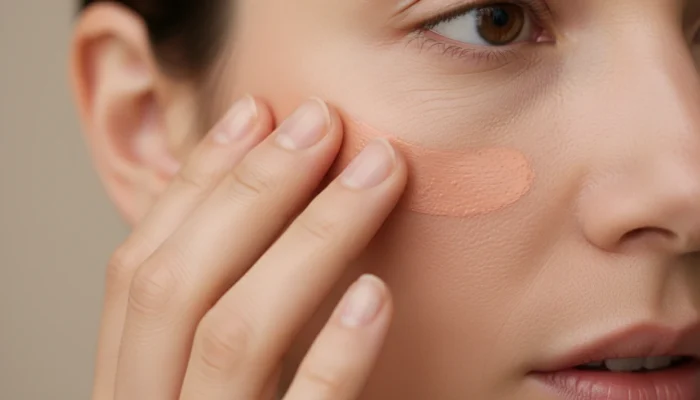
Blending cream makeup is more forgiving than people think, once you understand one rule: warmth and pressure, not dragging.
- Work in thin layers. Two thin passes always beat one thick one.
- Use clean fingertips for blush and bronzer. Body heat melts the formula into skin.
- A slightly damp sponge softens any harsh edges in seconds.
- Set only where you genuinely get shine. The rest of the face should stay luminous.
- If a cream looks patchy, you’ve usually applied it over a too-dry or too-powdery base. Reset with a hydrating mist and press again.
FAQ
Does cream makeup last longer than powder?
Yes, when applied to well-prepped skin and pressed in rather than rubbed, long lasting cream makeup can outwear powder, especially on dry and mature skin. On very oily skin, a light dusting of translucent powder on the T-zone extends wear without killing the dewy finish.
Is cream makeup better for mature or dry skin?
Almost always. Cream formulas contain hydrating ingredients like hyaluronic acid, squalane, and glycerin that reduce transepidermal water loss and prevent the makeup from settling into fine lines. Powders tend to emphasize dryness and texture on skin over 35.
Can I use both cream and powder makeup together?
Absolutely. The modern approach is cream first, powder only where needed. Build your base, blush, and bronzer in cream, then use a finely milled powder strategically on areas that get oily. You keep the skin-like glow and gain the staying power.