

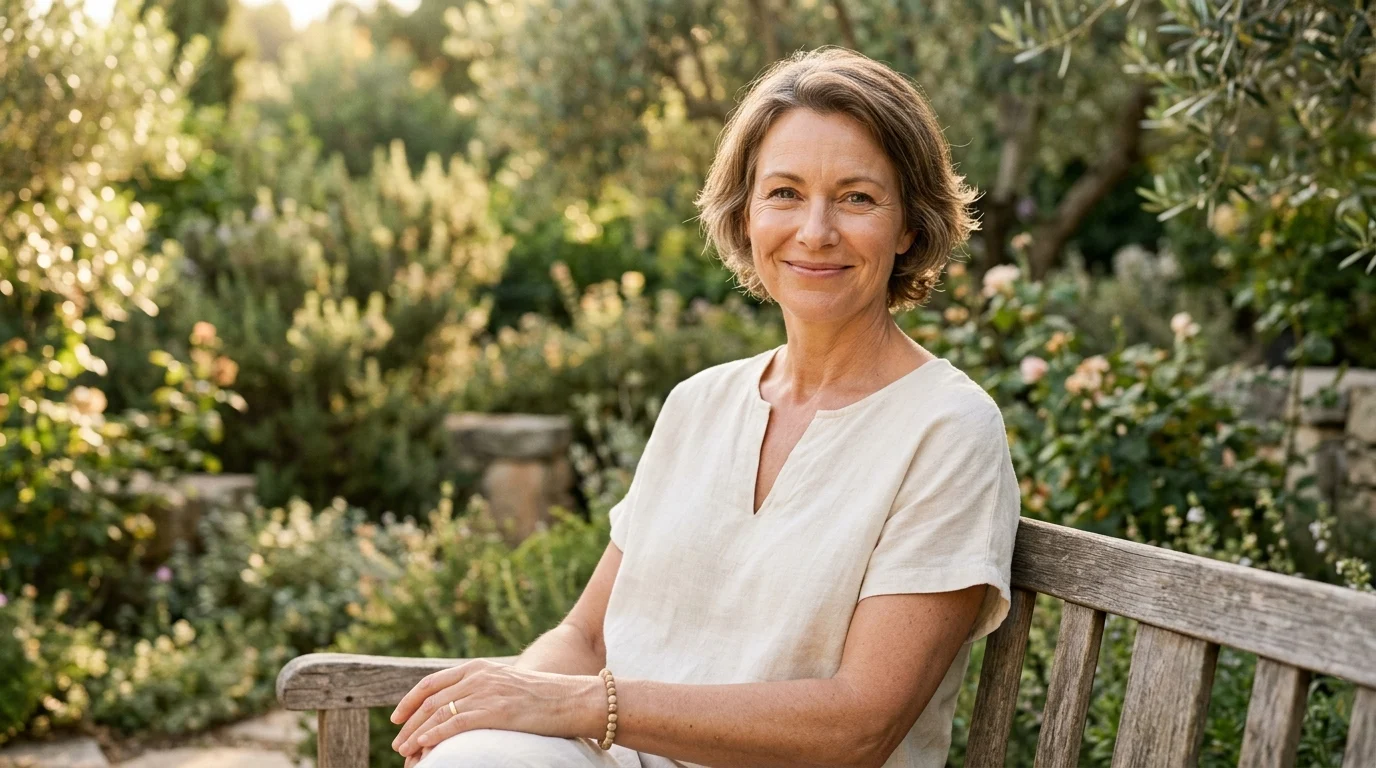
The word “anti-aging” is quietly disappearing from premium beauty marketing. Not because brands have stopped addressing aging — but because the consumers they are speaking to no longer find it aspirational. A generation that runs marathons at 55, tracks heart rate variability at 45, and understands the difference between chronological and biological age does not want to be sold something positioned against a natural process. They want to age well. This shift toward healthy aging is more than a change in language. It reflects a more scientifically literate consumer base and a more nuanced understanding of what aging actually is — and is not — at the cellular level.
Why “Anti-Aging” Is Becoming the Wrong Framework
The core problem with anti-aging as a goal is embedded in the prefix. “Anti” frames aging as an adversary — a disease to be defeated rather than a biological process to be supported. That framing is not only scientifically imprecise; it has practical consequences. It encourages interventions designed to mask symptoms rather than address the cellular mechanisms that determine how skin actually functions over time.
How the World Health Organization frames healthy aging offers a more clinically useful foundation. The WHO defines it not as the absence of disease or visible aging, but as the development and maintenance of functional ability that enables wellbeing in older age. Applied to skin, this is clarifying: skin that ages healthily is skin that functions well — an intact barrier, regulated inflammation, efficient cellular turnover — regardless of whether it carries fine lines.
This reframes the conversation from appearance to function. It also introduces one of the more important distinctions in modern dermatological thinking: chronological age versus biological age. The number of years lived tells very little about the cellular condition of the skin. Two people at 48 can have skin operating at entirely different biological ages, depending on how the modifiable drivers of cellular deterioration have been managed — or ignored.
Inflammaging: The Mechanism That Actually Accelerates Visible Aging
If there is a single concept that connects lifestyle, cellular biology, and visible skin aging, it is inflammaging. The term describes chronic, low-grade systemic inflammation that accumulates over time — not the acute, localised inflammation of an injury, but a persistent, subclinical inflammatory state that quietly degrades cellular structures and hastens biological aging skin deterioration.
The mechanisms are well-documented. Chronic inflammation degrades collagen and elastin, disrupts the skin barrier, impairs keratinocyte function, and creates an environment in which cellular repair is persistently outpaced by cellular damage. Critically, inflammaging does not progress at a fixed rate. Research on inflammaging and biological aging mechanisms has linked chronic stress, disrupted sleep architecture, high-glycemic diet, physical inactivity, and gut dysbiosis to measurable acceleration of these processes.
This is why gut health directly influences inflammaging and skin aging rate — the gut-skin axis is not a wellness metaphor but a documented inflammatory pathway. And it is why wellness and skin aging are increasingly discussed within the same clinical framework.
What Blue Zone Populations Reveal About Healthy Skin Aging
The Blue Zone populations — in Sardinia, Okinawa, Nicoya, Ikaria, and Loma Linda — have attracted sustained scientific interest not because they hold some cultural secret, but because they offer a rare natural experiment: large groups of people who live measurably longer, in better health, without pharmaceutical intervention. What researchers found when they examined these populations closely was not a single dramatic habit. It was the consistent absence of the chronic stressors that biology has long flagged as accelerants of cellular aging.
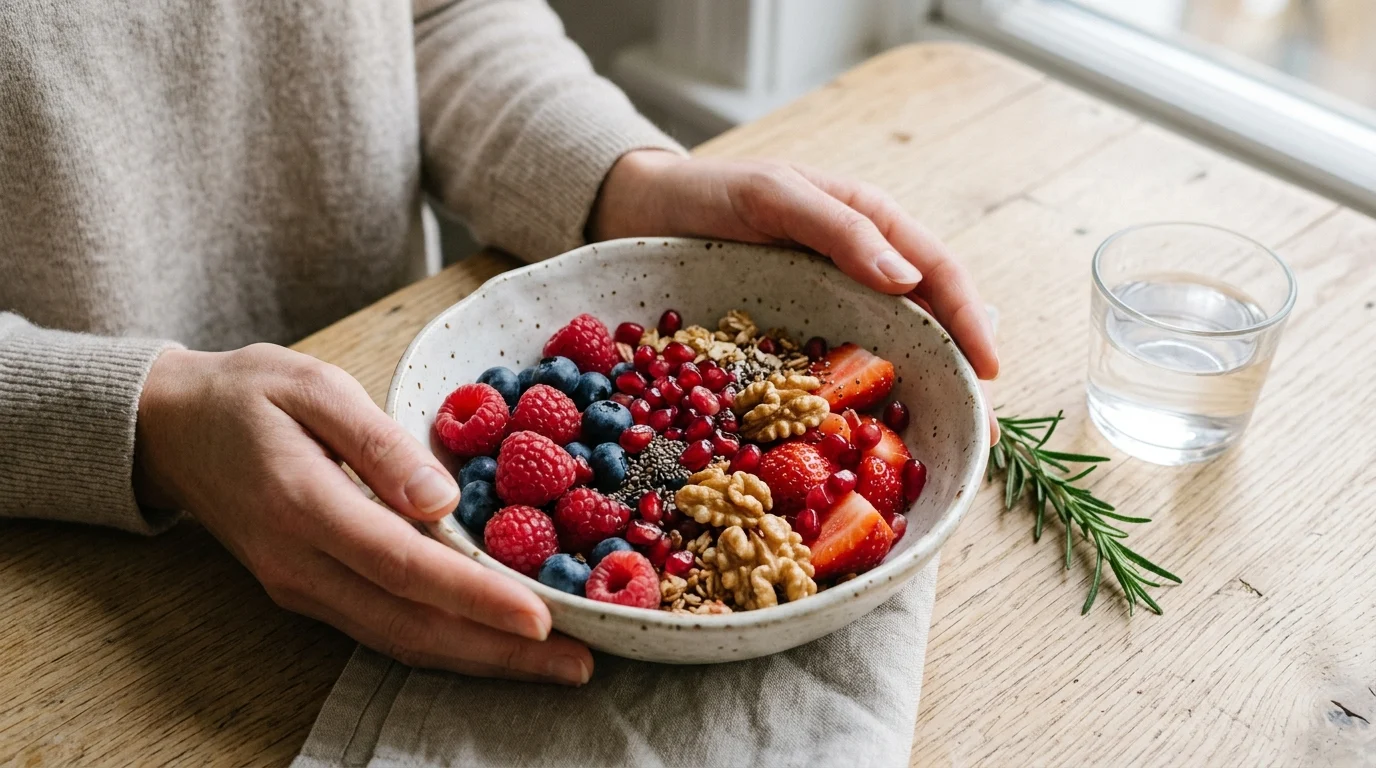
From a skin perspective, that pattern is worth examining carefully. The Harvard Health analysis of Blue Zone longevity habits identifies behavioral and environmental commonalities — low chronic stress loads, regular moderate physical activity, predominantly plant-based diets, strong social ties, and sleep aligned with natural light cycles. These are observational findings, not controlled trials, and causation is difficult to isolate. But they align with considerable biological evidence for how each of these inputs affects inflammatory load, oxidative damage, and cellular repair capacity. In that sense, Blue Zone populations function less as role models and more as a field signal that the levers of skin longevity are largely lifestyle-based.
Translated into skin-relevant terms, the behavioral patterns observed across these populations map onto known biological mechanisms:
- Low chronic stress → lower cortisol levels → reduced barrier disruption and slower collagen breakdown
- Consistent moderate movement → improved microcirculation → better skin oxygenation and cellular repair capacity
- Plant-forward, antioxidant-rich diet → lower oxidative stress → may contribute to slower telomere shortening and reduced collagen degradation
- Circadian-aligned sleep → nocturnal barrier repair and collagen synthesis cycles are better supported
- Strong social connection → has been associated with measurable reductions in systemic inflammatory biomarkers
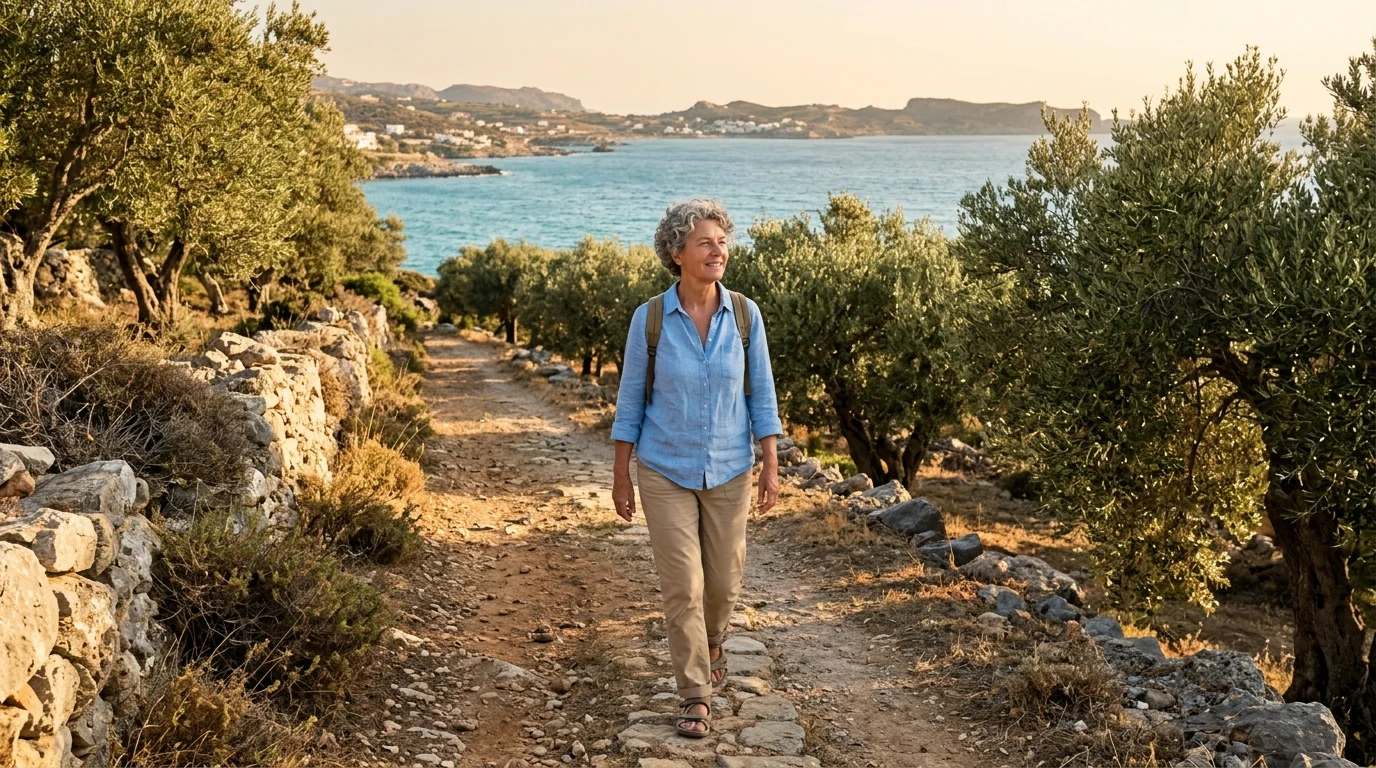
None of these observations demand an exotic lifestyle overhaul. The more relevant point is that regular walking is one of the most evidence-backed habits for skin longevity — not because it is a beauty ritual, but because its downstream effects on circulation, cortisol, and inflammation are cumulative and well-supported across multiple lines of research.
Cellular Senescence: Why Skin Ages Faster Than It Should
Beneath the surface of every aging conversation is a cellular process that deserves more mainstream attention: senescence. As cells accumulate damage — from UV exposure, oxidative stress, shortened telomeres, or chronic inflammation — some stop dividing altogether. These are senescent cells. They do not die cleanly. They persist, and in doing so, they secrete a cocktail of pro-inflammatory compounds known as the SASP: the senescence-associated secretory phenotype.
A useful way to picture this: a senescent cell is like a faulty relay station that has gone offline but continues broadcasting interference on the same frequency — disrupting the signal for the functioning cells around it. In skin, this manifests as reduced collagen synthesis, impaired wound healing, degraded barrier integrity, and a low-grade inflammatory environment that may accelerate senescence in neighbouring cells. Research on cellular senescence and biological aging has established this cascade as a key mechanism of accelerated skin aging — and a compelling case for why skin health over 40 requires addressing internal biology, not only topical chemistry.
Supporting mitochondrial function is one avenue with growing clinical interest here. It is part of the rationale behind why red light therapy supports cellular energy and skin repair at the mitochondrial level — an area of ongoing research, particularly relevant for aging well skin.
Telomeres and the Biological Clock: What Your Lifestyle Is Doing to Your Aging Rate
Every cell carries chromosomes capped by protective structures called telomeres — tight protein-DNA complexes that preserve chromosomal integrity during cell division. With each division, these caps shorten incrementally. When they become critically short, the cell can no longer divide properly: it either undergoes programmed death or enters senescence. Telomere length has therefore emerged as one of the more direct biological markers of aging pace — and it is not fixed at birth.
Research on oxidative stress and telomere integrity suggests that lifestyle factors are meaningfully associated with how quickly telomere attrition occurs. Chronic psychological stress, sleep deprivation, high oxidative dietary load, and physical inactivity have all been linked to accelerated shortening. In skin specifically, cells with shorter telomeres produce less collagen and elastin, regenerate more slowly after UV or mechanical damage, and show impaired barrier recovery — the functional hallmarks of what clinicians describe as accelerated biological aging skin.
The circadian connection matters considerably here. Circadian rhythm alignment has been linked to slower biological aging in skin — when the nocturnal phases of cellular repair are protected, the DNA repair enzymes, collagen synthesis activity, and barrier reconstruction processes that peak during sleep can do their work without interruption. The role of magnesium, sleep depth, and cellular skin repair is increasingly documented in this context: magnesium’s involvement in DNA repair pathways and inflammatory regulation makes sleep quality a functional input for skin longevity, not simply a lifestyle preference.
The Healthy Aging Toolkit: What the Evidence Actually Supports
What the science of inflammaging, Blue Zone behavioral data, cellular senescence, and telomere biology share is a consistent set of upstream variables. These are not beauty tips repackaged as science. They are the inputs that research has most reliably associated with slowing the pace of skin cellular deterioration — the biological levers worth understanding and, where possible, adjusting.
- Sleep quality and circadian alignment → supports nocturnal barrier repair, collagen synthesis, and DNA damage correction
- Stress regulation and cortisol management → associated with reduced barrier disruption and slower collagen degradation
- Dietary antioxidants → may reduce oxidative damage to telomeres, lipid membranes, and collagen fibers
- Consistent moderate movement → linked to improved microcirculation, skin oxygenation, and reduced systemic inflammatory markers
- Barrier-first skincare → reduces transepidermal water loss (TEWL) and maintains structural skin function without compromising the microbiome
- Breathwork and nervous system regulation → has been associated with measurable reductions in cortisol and pro-inflammatory cytokine levels
The physiology behind how breathwork supports the nervous system and slows inflammaging is increasingly studied — not as a wellness trend but as a tool for downregulating the chronic stress response that feeds collagen breakdown and telomere attrition. Likewise, contrast therapy and its evidence-backed effects on circulation and skin resilience point to thermal hormesis — controlled, short-duration stress that may stimulate adaptive repair — as a meaningful input for longevity skincare thinking.
The often-overlooked role of the vagus nerve, chronic stress, and skin aging also warrants attention. Vagal tone — the functional efficiency of the vagus nerve in regulating the parasympathetic response — has been associated with systemic inflammatory load, barrier function, and biological aging rate. It is measurable and responsive to lifestyle inputs, which makes it relevant in any serious discussion of collagen and healthy aging. For those considering where to begin, a minimalist skincare routine that supports long-term skin function over short-term cosmetic fixes is frequently the approach most consistent with the evidence — because barrier integrity and microbiome stability are more easily disrupted than they are rebuilt.
The Slow Beauty Parallel: Why Less Intervention Often Ages Skin Better
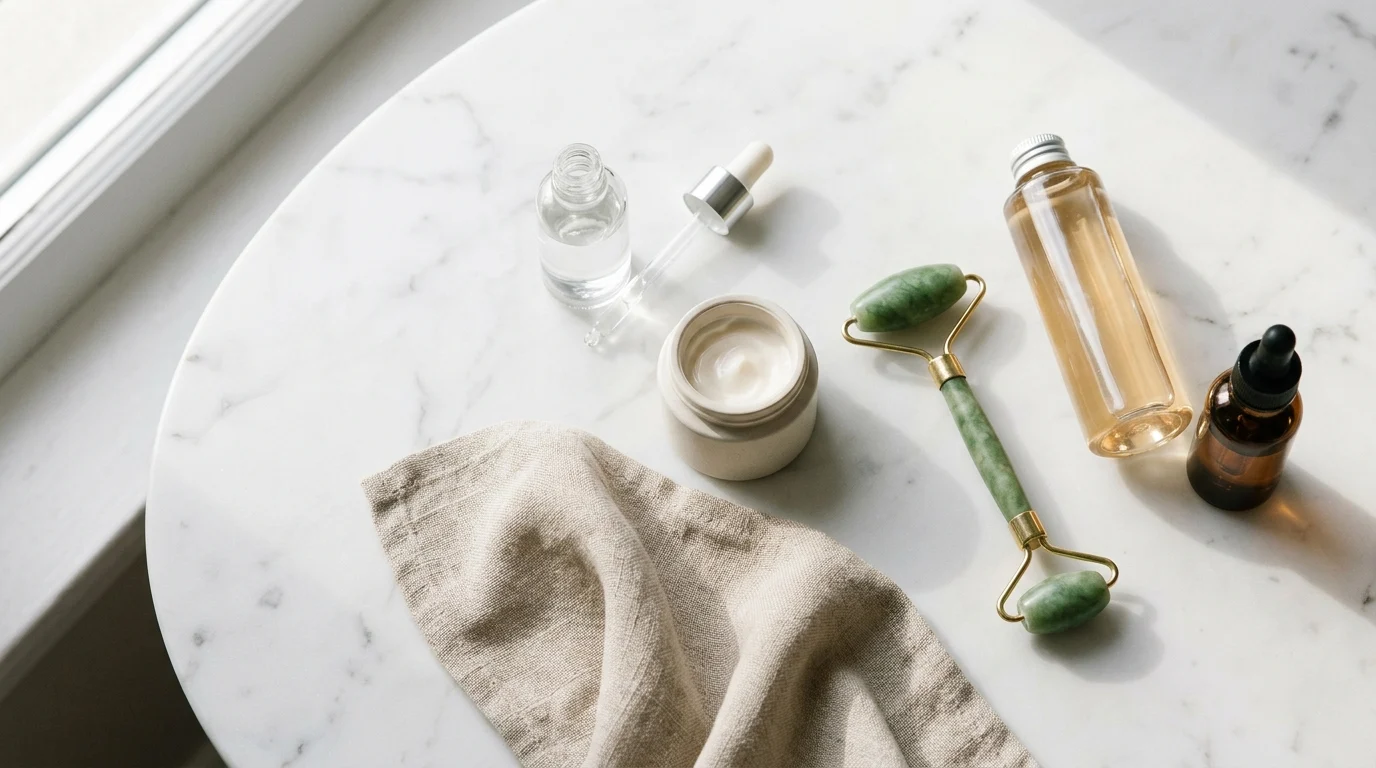
One of the quieter shifts in evidence-based skincare thinking is the growing scepticism toward escalating intervention. The slow beauty movement — built on the principle that sustained, low-disruption practices produce better long-term outcomes than aggressive treatment cycles — turns out to align reasonably well with what cellular biology suggests about barrier resilience and the skin’s repair capacity.
The skin’s ability to regulate inflammation, maintain its acid mantle, and cycle through cellular renewal is not inexhaustible. High-frequency exfoliation, stacking incompatible actives, and perpetually chasing accelerated turnover can generate the same low-grade inflammatory signals that the research on inflammaging identifies as a driver of accelerated aging. Why the slow beauty movement aligns with the science of healthy aging is not a philosophical argument — it is a biological one.
On the myth of “more is more” in skincare: The assumption that the most aggressive routine delivers the best longevity outcomes is not well-supported by the evidence. Barrier disruption, chronic over-exfoliation, and the low-grade inflammation triggered by incompatible actives on sensitised skin can accelerate the very cellular aging processes they aim to prevent. Inflammaging does not distinguish between internal and external sources of chronic stress. The routines most consistently associated with long-term skin health tend to be the ones the skin can maintain without needing to recover from them.
Always consult with a dermatologist or healthcare professional before beginning new protocols — whether skincare, supplementation, or lifestyle-based — particularly if you have existing skin conditions or underlying health concerns.
Frequently Asked Questions
What is the difference between anti-aging and healthy aging in skincare?
Anti-aging, as a framework, tends to focus on reversing or concealing visible signs — lines, pigmentation, loss of volume — after they appear. Healthy aging shifts the focus earlier, toward the cellular conditions that determine how skin functions over time: how well it maintains its barrier, manages inflammation, synthesises collagen, and repairs itself after damage. The distinction matters in practice because the two approaches often lead to very different choices — in routine design, in ingredient priorities, and in what success actually looks like.
Can lifestyle changes actually slow skin aging at a cellular level?
The evidence suggests they can, in meaningful ways. Research on inflammaging, telomere integrity, and cellular senescence consistently links sleep quality, chronic stress load, oxidative dietary burden, and physical activity to the pace of biological aging in skin. These are not peripheral influences — they are upstream inputs into the same cellular mechanisms that determine how quickly collagen degrades, how efficiently the barrier repairs, and how rapidly senescent cells accumulate. The effect size varies by individual, but the direction of the evidence is consistent.
What are the most evidence-backed habits for skin longevity?
Circadian-aligned sleep, consistent moderate movement, a diet with meaningful antioxidant content, and some form of chronic stress regulation have the most convergent support across dermatological, cellular biology, and longevity research. Barrier-supportive skincare — keeping the routine consistent rather than reactive — rounds out what the evidence points toward. These are not complicated interventions. What makes them effective is largely that they compound over time rather than delivering a single acute result.
Pingback: Skin Longevity: Why Modern Skincare Is Moving Beyond Anti-Aging - Denyva
Pingback: Skin Microcirculation: Why Blood Flow Matters More Than Expensive Creams - Denyva
Pingback: Chronic Inflammation and Skin Health: The Hidden Wellness Factor Behind Premature Aging - Denyva